
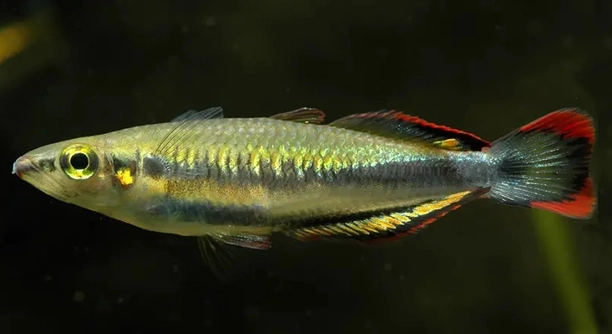
Rainbowfish are popular in home aquariums for their vibrant colors and peaceful behavior. Many new owners find themselves unsure about their care, lifespan, and social needs. Misunderstandings about these small fish are quite common among hobbyists.
Several myths surrounding rainbowfish persist, including misconceptions about their dietary requirements, tank size, breeding behavior, compatibility with other species, and susceptibility to disease. Correct information helps maintain their health, encourages proper care, and promotes sustainable aquarium practices.
Learning the truth about rainbowfish can improve their well-being and create a more enjoyable aquarium experience for owners and fish alike.
Rainbowfish Are Easy to Care For
Rainbowfish are often thought to be low-maintenance, but they require consistent care to thrive. They need a well-maintained tank with clean water, stable temperature, and proper filtration. Their diet should include a mix of high-quality flakes, pellets, and occasional live or frozen foods. While they are hardy, neglecting water changes or overfeeding can quickly lead to stress and illness. They also benefit from plants and hiding spaces that mimic their natural environment, which helps reduce stress. Observing their behavior regularly allows owners to spot early signs of health issues, such as changes in color or appetite. Compatibility with other fish is important, as aggressive tankmates can cause anxiety and affect their coloration. Ensuring a peaceful, stable environment is key to seeing their bright colors flourish. Over time, proper care will allow these fish to display their natural beauty and remain active and healthy.
Providing balanced care and a stable environment ensures rainbowfish remain colorful, healthy, and active in your aquarium.
Consistency in maintenance, diet, and tank setup makes a significant difference. Owners who understand their needs see a vibrant, lively display that feels rewarding. Regular water testing, feeding a varied diet, and providing enough swimming space create optimal conditions.
Rainbowfish Don’t Always School
Rainbowfish are social, but they do not need to swim in large, tight schools constantly. Small groups can thrive as long as their environment is safe and spacious.
Proper schooling requires at least six individuals to prevent stress and encourage natural behaviors. In the wild, they move in loose formations rather than compact groups. Tank size plays a critical role, as cramped spaces lead to territorial disputes or hiding. Individual personalities affect schooling, with some fish preferring calmer spots in the tank while others are more active. Introducing new fish should be gradual, allowing them to adjust to the group and reduce aggression. Observation is important to ensure all fish are eating and staying healthy. Providing plants, driftwood, or rocks for cover encourages natural movement and reduces stress. Over time, even loosely grouped rainbowfish will show vibrant colors and active swimming, demonstrating comfort in their habitat. Maintaining water quality, monitoring interactions, and offering proper nutrition further support healthy schooling behavior.
Rainbowfish Are Always Colorful
Rainbowfish are not constantly bright. Their colors change based on mood, health, and environment. Stress, poor water quality, or illness can dull their appearance.
When rainbowfish are stressed, their colors fade as a natural response. Proper tank conditions, consistent water parameters, and a balanced diet encourage brighter coloration. Lighting also plays a role; subdued lighting may make colors appear less vibrant, while well-placed aquarium lights can enhance their natural hues. Breeding males often show their brightest colors during courtship, which is a sign of readiness and health. Females and younger fish may have more muted tones. Maintaining a stress-free environment with compatible tankmates helps rainbowfish display their full color range consistently. Observing subtle changes in color can also indicate potential health issues, making color an important aspect of their care.
Feeding high-quality foods rich in nutrients, maintaining stable water conditions, and providing enough space supports vivid colors and overall vitality in rainbowfish.
Rainbowfish Don’t Need Special Water
Rainbowfish are adaptable to a range of water conditions but thrive best in slightly soft, neutral water. They do not require extreme setups.
Although they can survive in different pH levels and hardness, consistent water quality is crucial for long-term health. Frequent water changes and proper filtration prevent the buildup of toxins that can stress the fish. Temperature stability is important, as sudden changes can weaken their immune system. Decorations like plants and driftwood contribute to a comfortable environment and mimic natural habitats. Overcrowding should be avoided, as it increases aggression and reduces water quality. Monitoring ammonia, nitrite, and nitrate levels ensures a safe environment. Routine care, including feeding varied foods and observing behavior, prevents common issues. Understanding their natural preferences allows rainbowfish to remain active, colorful, and stress-free.
Rainbowfish Are Fragile
Rainbowfish are more resilient than often believed. They handle minor changes in their environment if proper care is maintained.
Stress from sudden water changes or aggressive tankmates can affect their health. Gentle maintenance and observation keep them strong and active.
Rainbowfish Only Eat Flakes
Rainbowfish benefit from a varied diet. Relying solely on flakes limits nutrients and can impact growth and coloration. Including live or frozen foods, vegetables, and high-quality pellets ensures balanced nutrition.
Rainbowfish Don’t Breed Easily
Breeding rainbowfish requires attention to tank conditions, water quality, and group dynamics. Stable temperatures, clean water, and proper nutrition improve success. Males display brighter colors when ready, signaling females for spawning. Regular observation helps identify readiness and maintain a healthy environment.
Rainbowfish Are Always Peaceful
Rainbowfish are generally peaceful but can show mild territorial behavior in tight spaces or with aggressive tankmates. Proper tank size and compatible species reduce conflicts and stress.
FAQ
How often should I feed my rainbowfish?
Rainbowfish should be fed small amounts two to three times daily. Overfeeding can pollute the water and stress the fish. Offering a mix of flakes, pellets, and occasional live or frozen foods ensures they get proper nutrition without creating excess waste.
Can rainbowfish live with other species?
Yes, rainbowfish are generally peaceful and can coexist with other non-aggressive fish. Avoid placing them with large or territorial species. Small schooling fish, peaceful tetras, or dwarf gouramis often make suitable tankmates, creating a balanced and calm environment.
What size tank do rainbowfish need?
A minimum of 20 gallons is recommended for small groups, but larger tanks are better. They are active swimmers and need ample space to reduce stress and allow natural behaviors. Adding plants and hiding spots enhances their comfort.
How do I encourage bright colors in my rainbowfish?
Healthy water conditions, a varied diet, and stable lighting help rainbowfish display vivid colors. Males show brighter colors during breeding or when comfortable in their environment. Avoid overcrowding, stress, and poor water quality to maintain vibrant hues.
Do rainbowfish require special water conditions?
Rainbowfish adapt to a range of water conditions, but they prefer slightly soft, neutral water. Regular water changes and stable temperature maintain their health. Sudden fluctuations in pH or hardness can stress them and affect color and behavior.
How can I tell if my rainbowfish is healthy?
Healthy rainbowfish are active, alert, and have bright, consistent colors. They swim confidently and respond to feeding. Dull colors, clamped fins, or reduced activity can indicate stress or illness, signaling the need to check water quality and tank conditions.
Do rainbowfish need to be in groups?
Yes, rainbowfish are social and thrive in groups of at least six. Small groups can lead to stress or shyness. Grouping helps display natural behaviors and encourages interaction, keeping them active and confident in their environment.
How do I breed rainbowfish?
To breed rainbowfish, provide clean, well-maintained water, stable temperatures, and a proper diet. Introduce a ratio of more females to males to reduce stress. Males display brighter colors during courtship, and eggs can be collected or left in a planted tank for hatching.
Can rainbowfish live in outdoor ponds?
Some species can tolerate outdoor ponds if temperatures are stable and the pond is secure from predators. Winter protection may be necessary in colder climates. Monitoring water quality and providing shelter are important to ensure their survival outside.
What are common health issues in rainbowfish?
Rainbowfish may develop fin rot, ich, or bacterial infections if water quality is poor. Stress from overcrowding, sudden changes, or aggressive tankmates increases susceptibility. Maintaining clean water, stable conditions, and proper nutrition prevents most common problems.
Is it necessary to have a heater for rainbowfish?
A heater is recommended in cooler climates to maintain a stable temperature, usually between 72–82°F. Sudden drops in temperature can stress rainbowfish and suppress immune function. Consistent warmth ensures activity, feeding, and coloration remain optimal.
How long do rainbowfish live?
Rainbowfish typically live 5–8 years with proper care. Lifespan depends on species, tank conditions, diet, and stress levels. Providing a stable environment and attentive care supports longevity and keeps them healthy throughout their life.
What decorations are best for a rainbowfish tank?
Plants, driftwood, and smooth rocks provide hiding spots and reduce stress. Open swimming areas are also important for active movement. Decorations should balance shelter with enough space for free swimming, reflecting their natural habitat for comfort and safety.
Can rainbowfish tolerate community tanks?
Yes, as long as tankmates are non-aggressive and similar in size. Avoid fin-nipping or large predatory fish. Monitoring interactions and ensuring enough space prevents bullying and stress, maintaining harmony within the community tank.
How often should I clean the tank?
Partial water changes of 25–30% weekly are ideal. Cleaning filters and removing debris without disrupting beneficial bacteria supports water quality. Regular maintenance prevents toxin buildup, reduces stress, and promotes long-term health for rainbowfish.
Rainbowfish are fascinating, colorful, and lively additions to a home aquarium. While many myths surround their care, the truth is that these fish are resilient and adaptable when given proper attention. They thrive in stable environments with clean water, a balanced diet, and suitable tankmates. Understanding their basic needs, such as sufficient swimming space, compatible companions, and stress-free conditions, is key to keeping them healthy. Observing their behavior regularly helps identify any potential issues early, whether it’s changes in color, activity, or appetite. Providing a proper environment allows rainbowfish to display their natural beauty, from vibrant hues to energetic swimming patterns.
Proper care for rainbowfish extends beyond just feeding them. Water quality plays a critical role in their health and coloration. Regular water changes, maintaining stable temperatures, and monitoring pH and hardness prevent stress and illness. Their diet should include a variety of flakes, pellets, and occasional live or frozen foods to ensure they receive all necessary nutrients. Decorations like plants, rocks, and driftwood provide hiding spots and reduce anxiety, while open areas allow them to swim freely. Even seemingly small details, such as gradual introduction of new fish or avoiding overcrowding, can make a significant difference in their well-being. Paying attention to these factors helps maintain a peaceful, thriving aquarium where rainbowfish can flourish.
Finally, keeping rainbowfish can be rewarding when you focus on their natural behaviors and needs. They are social fish that enjoy being in groups, and their interactions with each other create dynamic movement and vibrant displays. While myths often make their care seem complicated, most challenges can be avoided with consistent attention and proper practices. By maintaining clean water, providing varied nutrition, and observing their environment, you can ensure your rainbowfish live long, healthy lives. Their vivid colors and playful activity not only enhance the visual appeal of an aquarium but also reflect the satisfaction of responsible care. With patience and dedication, maintaining a rainbowfish tank can be a fulfilling and enjoyable experience.

Hello,
If you enjoy the content that we create, please consider saying a "Thank You!" by leaving a tip.
Every little bit helps us continue crafting quality advice that supports the health, happiness, and well-being of pets around the world, for pets of all shapes, sizes, and species.
We really appreciate the kindness and support that you show us!