
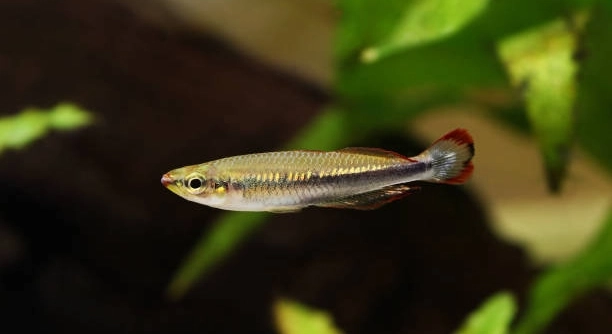
Is your rainbowfish darting around the tank or hiding more than usual? Observing these sudden movements can be worrying for any fish owner, especially when you want your aquatic pets to feel safe and comfortable.
Rainbowfish often act skittish due to environmental stressors, sudden changes in their habitat, inadequate hiding spaces, water quality fluctuations, or interactions with tank mates. Identifying and addressing these factors can significantly reduce anxiety and improve their overall well-being.
Understanding these common triggers will help you create a calmer, healthier environment for your rainbowfish and ensure they thrive in your care.
Sudden Changes in the Tank Environment
Rainbowfish are highly sensitive to their surroundings, and any sudden alterations can trigger skittish behavior. Changes such as moving decorations, rearranging plants, or introducing new equipment can create unfamiliar spaces that make your fish feel unsafe. Even subtle shifts in lighting or water flow may startle them. When their habitat feels unpredictable, rainbowfish tend to hide or dart around to avoid perceived threats. Maintaining a stable, consistent environment is essential for calming their nerves and helping them establish routines. Over time, they adapt, but abrupt changes can lead to prolonged stress and erratic movements.
Keeping the tank layout consistent, and introducing new items gradually, helps rainbowfish adjust without excessive fear or stress, making the aquarium a more secure space for them.
Providing familiar hiding spots and avoiding frequent rearrangements allows rainbowfish to feel protected. Gradual introduction of changes helps reduce anxiety while supporting a stable and balanced environment for their overall health.
Poor Water Quality
Dirty or unstable water conditions can make rainbowfish nervous and constantly on edge. High levels of ammonia, nitrites, or nitrates irritate them and trigger erratic swimming. Poor water quality may result from infrequent water changes, overcrowding, or malfunctioning filtration systems. Ensuring proper filtration, regular partial water changes, and monitoring parameters like pH, temperature, and hardness can prevent these issues and make the tank a calmer place. Rainbowfish are particularly sensitive to sudden shifts in water chemistry, which can make them skittish even if they appear otherwise healthy. Maintaining clear, clean water is essential for their comfort, allowing them to explore the tank without fear.
Regular water testing is a simple and effective way to avoid stress-related behaviors. By keeping parameters within the recommended range, you minimize sudden shocks that make rainbowfish hide or swim frantically.
Proper water care is not just about cleanliness; it directly impacts your fish’s health and behavior. Consistent maintenance builds trust in the environment, reduces stress, and encourages natural activity. Filtration, aeration, and temperature stability all work together to create a safe habitat. Observing their reactions after water changes can also help you adjust practices to better suit their needs. Healthy water ensures rainbowfish display natural colors and behaviors, while neglecting it can lead to anxiety, illness, and reduced longevity.
Overcrowded Tank
Too many fish in a tank can make rainbowfish anxious and skittish. Crowding increases competition for space and resources, leading to constant stress and erratic swimming.
Overcrowding limits hiding spots and creates territorial disputes. Rainbowfish need enough space to swim freely and establish their own safe zones. When the tank is too crowded, they may feel trapped, increasing their stress levels and reducing overall comfort. Observing their behavior can indicate if the population density is too high. Adjusting the number of fish or upgrading to a larger tank can help restore balance and reduce anxiety, allowing rainbowfish to feel secure again.
Providing enough space is essential for natural behavior and stress reduction. A spacious tank allows each fish to move comfortably, avoid constant encounters, and establish routines. Overcrowding not only impacts behavior but can also harm water quality and health, so proper stocking ensures a calmer, healthier environment for all tank inhabitants.
Aggressive Tank Mates
Rainbowfish can become skittish when housed with aggressive or overly active fish. Constant chasing or fin nipping creates a stressful environment, forcing them to hide frequently.
Aggressive tank mates disrupt the peace and can intimidate rainbowfish, preventing them from swimming normally or resting. Even if aggression seems mild, it affects their confidence and triggers fear responses. Choosing compatible, peaceful species reduces stress and allows rainbowfish to explore the tank safely. Monitoring interactions helps identify problem fish before long-term stress develops.
Maintaining a calm community is crucial for rainbowfish well-being. Aggressive behavior can escalate over time, so careful selection of tank mates is important. Providing plants and decorations offers refuge, giving rainbowfish areas to retreat when needed. Observing how they interact daily allows adjustments to the tank environment, reducing stress and encouraging natural swimming and feeding behaviors. Peaceful cohabitation improves overall tank harmony and keeps your rainbowfish confident and active.
Lack of Hiding Places
Rainbowfish feel insecure without adequate hiding spots. Open spaces can make them anxious, leading to darting and skittish behavior.
Plants, rocks, and decorations provide essential cover. These safe zones help rainbowfish feel protected and reduce stress, encouraging more natural and relaxed activity.
Sudden Loud Noises
Sudden noises near the tank, such as slamming doors or loud conversations, can startle rainbowfish. They are sensitive to vibrations and may react by swimming erratically or hiding immediately. Maintaining a quiet environment around the tank supports calmer behavior and prevents unnecessary stress.
Inadequate Diet
A poor or inconsistent diet can weaken rainbowfish, making them more reactive and nervous. Nutritional deficiencies affect energy levels and overall health, increasing stress responses and skittish movements. Feeding a balanced, high-quality diet suitable for rainbowfish helps stabilize behavior and supports long-term well-being.
Health Issues
Illness or parasites often make rainbowfish more skittish. When feeling unwell, they hide more and react quickly to movement, showing unusual behavior. Early detection and proper treatment are vital for their recovery and to restore calm behavior in the tank.
Why does my rainbowfish hide all the time?
Rainbowfish hide frequently when they feel threatened or stressed. Common causes include sudden changes in the tank, aggressive tank mates, or insufficient hiding places. They rely on cover to feel secure, and without it, their natural instinct is to seek shelter. Providing plants, rocks, or other decorations helps create safe zones where they can retreat when needed. Hiding is also influenced by water quality and diet; poor conditions or inadequate nutrition can heighten anxiety. Observing their behavior regularly helps identify triggers, allowing adjustments to the environment to make them feel safer and more confident.
How can I reduce my rainbowfish’s skittish behavior?
Stabilizing the tank environment is key. Avoid sudden rearrangements, maintain proper water quality, and ensure compatible tank mates. Adding hiding spots and providing a balanced diet improves overall well-being. Consistency in lighting, temperature, and feeding schedules also helps rainbowfish feel secure. Small, gradual changes are preferable to prevent stress. Over time, these steps encourage calmer, more natural behavior. Monitoring their reactions after adjustments shows which measures work best. A stable, peaceful environment allows rainbowfish to explore freely and interact comfortably without constant fear, leading to healthier and more confident fish.
Can poor water quality make rainbowfish anxious?
Yes, unstable or dirty water significantly impacts their behavior. Rainbowfish are sensitive to changes in pH, ammonia, nitrite, and nitrate levels. Even minor fluctuations can cause stress, resulting in erratic swimming or excessive hiding. Regular water testing and partial water changes are essential for maintaining a safe habitat. A reliable filtration system helps remove toxins, and monitoring temperature stability prevents sudden shocks. Clean, balanced water not only reduces stress but also supports physical health, vibrant colors, and natural activity. Observing how rainbowfish respond to water changes provides insights into their comfort and helps fine-tune tank care routines effectively.
Do rainbowfish get along with other fish?
Compatibility is crucial. Rainbowfish generally coexist well with peaceful species but may become skittish around aggressive or overly active fish. Fin nipping, chasing, or territorial behavior increases stress and can disrupt normal activity. Choosing calm, compatible tank mates helps maintain a harmonious environment. Observing daily interactions allows early detection of tension or aggression, giving you time to adjust the tank setup or separate problematic fish. Proper tank size and abundant hiding spots further reduce conflicts, giving rainbowfish areas to retreat. When housed in a balanced community, they display natural, relaxed behavior and interact confidently.
How do I know if my rainbowfish is sick?
Signs of illness include lethargy, loss of appetite, clamped fins, or abnormal swimming patterns. Skittish behavior can also indicate underlying health problems. External parasites, bacterial infections, and poor water conditions are common causes. Early identification and treatment are critical for recovery. Quarantining new fish and maintaining a clean, stable environment reduces disease risk. Observing subtle changes in behavior, coloration, or activity levels helps catch issues before they become severe. Providing a balanced diet and ensuring proper water parameters supports immune health, making rainbowfish less prone to stress-related illnesses and behavioral problems.
Will rainbowfish calm down over time?
Yes, with consistent care, rainbowfish often become less skittish. Stable water conditions, appropriate tank mates, sufficient hiding spots, and gradual introductions to changes help build their confidence. They may remain cautious initially, but repeated positive experiences reinforce security. Patience is key; sudden alterations or stressors can undo progress. Daily observation allows you to track improvements and identify lingering triggers. As they grow accustomed to their environment, rainbowfish explore more openly, interact naturally, and display their vibrant colors. Consistency in care ultimately results in calmer, healthier fish that enjoy a predictable and safe habitat.
What is the best diet for rainbowfish to reduce stress?
Rainbowfish thrive on a varied diet of high-quality flakes, pellets, and occasional live or frozen foods. Balanced nutrition supports energy levels, growth, and immunity, reducing stress-related behaviors. Overfeeding or inconsistent feeding schedules can increase anxiety and cause digestive issues. Supplementing with vitamins and nutrients ensures optimal health and contributes to calmer behavior. Providing small, frequent meals helps maintain stability in the tank, preventing sudden competition or aggression around food. Observing their eating patterns allows you to adjust portions and types of food, ensuring rainbowfish remain healthy, confident, and less prone to skittish movements.
How important are hiding spots for rainbowfish?
Hiding spots are essential for reducing stress and promoting natural behavior. Rainbowfish feel vulnerable in open areas and use plants, rocks, or decorations as safe zones. Lack of cover leads to frequent darting, hiding, and erratic swimming. Multiple hiding areas allow each fish to retreat when threatened, especially in community tanks. Observing their use of these spaces indicates comfort levels and helps assess tank layout effectiveness. A well-decorated tank encourages exploration, social interaction, and reduces tension, making rainbowfish more relaxed. Gradually adding new hiding spots when needed ensures they have adequate security without sudden disruptions.
Can temperature fluctuations affect rainbowfish behavior?
Yes, rainbowfish are sensitive to sudden changes in water temperature. Rapid shifts can cause stress, making them skittish and less active. Maintaining stable temperatures within their ideal range ensures comfort and supports natural swimming patterns. Using a reliable heater or thermometer helps monitor conditions. Fluctuating temperatures may also affect metabolism and immunity, making them more prone to illness. Gradual adjustments are essential when changes are necessary, and observing their response after temperature shifts helps prevent long-term stress. A stable thermal environment allows rainbowfish to feel secure, active, and healthy in their tank.
Rainbowfish are naturally active and colorful, but their skittish behavior can be alarming if you are not familiar with their needs. Many of the reasons they act nervous are linked to their environment, diet, or interactions with other tank mates. Sudden changes in the tank, overcrowding, or aggressive companions can make them feel unsafe, while poor water quality and inadequate nutrition can worsen stress. Observing their daily behavior helps identify patterns and triggers, making it easier to adjust their care to meet their needs. Simple steps such as providing hiding spots, keeping the water clean, and monitoring tank mates can have a noticeable impact on their overall comfort and confidence. Understanding that skittish behavior is often a response to stress or uncertainty helps guide the adjustments needed to improve their environment.
Maintaining a consistent and stable environment is one of the most effective ways to reduce anxiety in rainbowfish. They thrive in tanks that offer predictability, clear swimming space, and secure hiding areas. Frequent water testing, careful monitoring of water temperature, and maintaining a balanced diet all contribute to a stable habitat. Avoiding sudden changes, such as rearranging decorations or introducing new fish too quickly, helps them feel more secure. Over time, with consistent care, rainbowfish tend to become more confident and display natural, relaxed behaviors. Observing their reactions to different adjustments, such as adding plants or modifying water flow, can provide insight into what makes them most comfortable. By paying attention to these factors, you create a space where rainbowfish can thrive and display their best colors and behavior.
It is important to remember that rainbowfish, like all fish, rely heavily on their environment for cues about safety and well-being. Small improvements in tank conditions, social dynamics, and diet can have a large impact on their behavior. They are sensitive creatures, and addressing even minor stressors can prevent prolonged anxiety and health issues. Patience is key, as it may take time for rainbowfish to adjust to changes and build confidence. By providing consistent care, monitoring their needs, and creating a safe, stable environment, you ensure they live comfortably and actively. Healthy rainbowfish are more likely to explore the tank, interact with others, and exhibit vibrant, natural behavior, making the experience of keeping them both rewarding and enjoyable.

Hello,
If you enjoy the content that we create, please consider saying a "Thank You!" by leaving a tip.
Every little bit helps us continue crafting quality advice that supports the health, happiness, and well-being of pets around the world, for pets of all shapes, sizes, and species.
We really appreciate the kindness and support that you show us!