
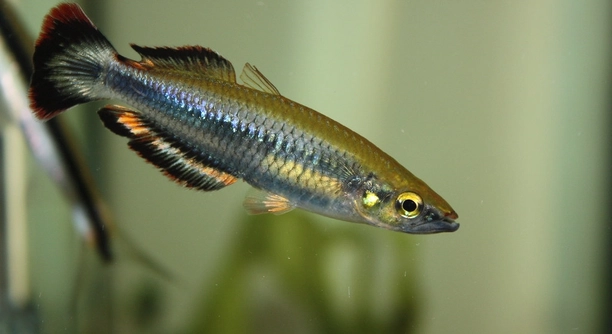
Rainbowfish are vibrant, active fish that brighten any aquarium. Stress can quickly affect their health, behavior, and colors, making it important for owners to understand how to provide a calm, supportive environment for these delicate creatures.
Helping rainbowfish recover from stress involves creating a stable, low-stimulus environment, maintaining clean water conditions, offering proper nutrition, and monitoring social interactions. Consistent care and careful observation are essential to restore their well-being and prevent recurring stress.
Knowing how to recognize stress and respond effectively will ensure your rainbowfish remain healthy, active, and colorful in their home environment.
Identifying Signs of Stress in Rainbowfish
Rainbowfish often show stress through subtle changes in behavior and appearance. They may become less active, hide more frequently, or display faded colors. Some may lose their appetite or swim erratically, while others may show fin clamping or unusual aggression toward tank mates. Monitoring these behaviors closely is essential to detect stress early. Stress can result from sudden changes in water temperature, poor water quality, overcrowding, or aggressive tank mates. Even minor disturbances like excessive handling or loud noises can affect their well-being. Observing feeding patterns, swimming habits, and interaction with other fish provides important clues about their mental and physical state. Early detection allows you to intervene before stress leads to serious health issues, such as disease or weakened immune response. By understanding these signs, you can create a supportive environment that encourages recovery and long-term health, ensuring your rainbowfish thrive rather than just survive.
Early identification of stress helps prevent severe health problems and ensures your rainbowfish remain active and vibrant in the tank.
Consistent observation is key. Keeping a daily note of their behavior, color intensity, and social interactions can highlight subtle changes. Regularly checking water parameters such as pH, ammonia, nitrite, and nitrate levels helps maintain a stable environment. Adjusting tank conditions gradually, rather than suddenly, reduces shock and stress. Tank enrichment, like plants or hiding spots, allows rainbowfish to feel secure, while maintaining proper lighting and minimal disturbances supports their natural rhythms. By combining careful observation with controlled adjustments, you can address stress before it escalates, helping your rainbowfish regain confidence, color, and normal activity levels, which strengthens their overall health and resilience.
Creating a Stress-Free Aquarium Environment
Maintaining clean, stable water conditions is crucial for rainbowfish health. Frequent partial water changes and filtration upkeep keep the environment comfortable.
Providing consistent water temperature, proper tank size, and minimal overcrowding supports a calm atmosphere. Balanced nutrition, gentle lighting, and quiet surroundings further reduce stress. Carefully chosen tank mates prevent aggression, while plants and decorations offer safe hiding places. A stable routine for feeding and maintenance helps rainbowfish feel secure. Avoid sudden changes in water chemistry, decorations, or equipment placement, as these can startle them. Even minor disturbances, like tapping on the glass, can trigger stress responses. By focusing on stability, hygiene, and comfort, the aquarium becomes a safe space where rainbowfish can recover from previous stressors. Over time, this supportive environment allows them to regain natural behaviors, vibrant coloration, and overall health. Creating a stress-free aquarium requires patience and observation, but the results are evident in healthier, happier fish that actively explore and engage with their surroundings.
Adjusting Diet to Reduce Stress
A balanced diet helps rainbowfish recover from stress quickly. Offering a mix of high-quality flakes, frozen foods, and occasional live treats ensures they receive essential nutrients. Avoid overfeeding, as this can worsen water quality and increase stress levels.
Providing variety in their diet supports both physical health and mental stimulation. Foods rich in protein and vitamins help restore energy and improve coloration that may fade under stress. Including small amounts of vegetables or plant-based foods can aid digestion and maintain a healthy gut. Feeding smaller portions multiple times a day prevents sudden spikes in water waste and keeps fish active without overwhelming the aquarium environment. Consistency in feeding schedules also reassures rainbowfish and reduces anxiety, allowing them to focus on exploring and interacting naturally rather than coping with hunger or competition.
Introducing new foods gradually reduces the chance of digestive upset. Observing how each fish responds ensures they are eating well and benefiting from dietary changes. Supplements or specialized formulas can be added for additional support if necessary, but moderation is key.
Monitoring Tank Conditions
Regular water testing is essential to prevent stress. Parameters like pH, ammonia, nitrite, and nitrate must remain stable to ensure fish health. Sudden fluctuations can trigger behavioral and physiological stress responses.
Temperature stability is equally important. Rainbowfish are sensitive to rapid changes, which can weaken their immune system. Using a reliable heater or thermometer helps maintain consistent conditions. Proper filtration prevents debris accumulation and keeps oxygen levels optimal. Avoid overcrowding, as excessive population density increases aggression and competition for resources. Clean the tank carefully without disturbing fish too much, ensuring a calm environment. Observing fish behavior alongside water parameters allows early detection of stress signs. Implementing gradual changes rather than abrupt adjustments keeps the aquarium predictable and safe. Combining these practices reduces stress, promotes recovery, and supports long-term health.
Reducing Environmental Stressors
Minimizing sudden movements around the tank helps rainbowfish feel safe. Keep the aquarium in a quiet area and avoid tapping on the glass, which can startle them. Gentle lighting and gradual changes in surroundings reduce stress effectively.
Providing hiding spots with plants or decorations allows fish to retreat when needed. This creates a sense of security and helps them recover faster from any stress or aggressive interactions within the tank.
Maintaining Social Harmony
Rainbowfish thrive in groups, but overcrowding can cause tension. Ensuring proper stocking levels and compatible tank mates prevents aggression and supports healthy social interactions. A balanced community allows all fish to establish territories without constant conflict, reducing stress and promoting overall well-being.
Using Water Treatments Safely
Only use water conditioners and treatments recommended for rainbowfish. Avoid excessive chemicals, as sudden changes in water chemistry can worsen stress and negatively affect health. Careful, measured treatment keeps the aquarium environment stable.
FAQ
How can I tell if my rainbowfish is stressed?
Signs of stress include faded colors, clamped fins, hiding more than usual, loss of appetite, and erratic swimming. Observing changes in behavior and appearance consistently helps you spot stress early. Subtle changes are often the first indication, so paying attention daily is important.
What is the most common cause of stress in rainbowfish?
Stress is often caused by poor water quality, sudden temperature fluctuations, overcrowding, or aggressive tank mates. Even small disturbances like excessive handling or loud noises can affect them. Maintaining stable conditions and careful observation reduces stress significantly.
How often should I test my aquarium water?
Testing water at least once a week is ideal, but daily checks may be necessary during recovery from stress. Parameters like pH, ammonia, nitrite, and nitrate must remain stable. Consistent monitoring prevents sudden environmental changes that can harm rainbowfish.
Can diet affect stress levels?
Yes, a balanced diet supports both physical and mental health. High-quality flakes, frozen or live foods, and occasional plant-based supplements provide essential nutrients. Overfeeding can worsen water quality and stress, so small, frequent meals are better. Gradually introducing new foods prevents digestive upset.
Do rainbowfish recover quickly from stress?
Recovery depends on the severity of stress and the care provided. Minor stress may resolve within a few days if the environment is stable and food intake is normal. Severe or prolonged stress requires consistent care, monitoring, and gradual adjustments to water and tank conditions.
How important is hiding space for rainbowfish?
Hiding spots reduce stress by offering shelter and security. Plants, decorations, or small caves allow fish to retreat when they feel threatened. This promotes recovery from stress, prevents aggression from tank mates, and encourages natural behavior. Without adequate hiding areas, fish may remain anxious.
Are rainbowfish sensitive to light changes?
Yes, sudden changes in lighting can startle rainbowfish and increase stress. Gradual adjustments in brightness and maintaining a consistent light cycle help them feel secure. Avoid direct sunlight or extremely bright lighting, which can cause erratic behavior or color fading.
Can water treatments help stressed rainbowfish?
Water conditioners can be useful to remove chlorine, chloramine, and heavy metals. Only use recommended products in measured amounts, as excessive chemicals can worsen stress. Treatments should complement stable water conditions, not replace careful monitoring and maintenance.
Should I separate a stressed rainbowfish from the group?
Isolation can help if the fish is being bullied or is extremely weak. Use a quarantine tank with similar water conditions to reduce additional stress. Ensure the fish can see the group without direct contact, allowing gradual reintegration once it recovers.
How can I prevent stress in the future?
Maintain stable water conditions, a consistent feeding schedule, proper tank size, and compatible tank mates. Provide hiding spaces and avoid sudden environmental changes. Regular observation and gentle handling ensure rainbowfish remain healthy, active, and vibrant. Consistency is the key to long-term stress prevention.
Is overcrowding a serious problem for rainbowfish?
Overcrowding increases competition for food, space, and territory, leading to stress and aggression. Keeping the tank appropriately stocked and monitoring social interactions prevents conflict. Adequate space supports natural swimming patterns, reduces anxiety, and promotes overall health.
How long should I monitor a stressed fish?
Continuous observation is essential until signs of normal behavior return. Monitor feeding, swimming, color, and social interactions daily. Recovery may take several days to weeks depending on the stress severity. Adjust care gradually and avoid further disturbances during this period.
Can stress affect rainbowfish immunity?
Yes, prolonged stress weakens the immune system, making fish more susceptible to disease. Maintaining clean water, proper nutrition, and calm surroundings helps prevent stress-induced illness. Early intervention ensures faster recovery and long-term health.
Are some rainbowfish more prone to stress than others?
Individual temperament and species differences affect stress sensitivity. Some may be naturally shy or less dominant, requiring more hiding spaces and stable conditions. Observing each fish’s behavior helps provide tailored care to minimize stress.
Do tank mates influence stress levels?
Yes, aggressive or incompatible tank mates can trigger stress. Choosing peaceful species and monitoring social interactions reduces conflict. Balanced communities allow rainbowfish to establish territories safely without constant tension, promoting calmer, healthier behavior.
How can I improve recovery speed for stressed rainbowfish?
Provide stable water conditions, a balanced diet, hiding spots, minimal disturbance, and compatible tank mates. Gradual adjustments in environment and careful observation support faster recovery. Patience and consistency are essential to restore both physical and behavioral health.
What should I avoid when managing stress?
Avoid sudden water changes, overhandling, harsh chemicals, bright lighting, and overcrowding. Abrupt environmental shifts or neglecting early signs can worsen stress. Consistency, careful observation, and gentle adjustments are crucial to help rainbowfish regain health.
Can stress cause long-term damage?
Prolonged or repeated stress can weaken immunity, reduce lifespan, and affect coloration. Early intervention and consistent care prevent long-term consequences. Maintaining a stable, comfortable environment ensures rainbowfish thrive rather than merely survive.
How do I know when my rainbowfish is fully recovered?
Full recovery is indicated by normal swimming patterns, bright coloration, regular feeding, and peaceful social interactions. Observing these signs over several days confirms the fish has regained health and is no longer experiencing chronic stress.
Is stress management different for young versus adult rainbowfish?
Young fish may be more sensitive to environmental changes and require extra hiding spots. Adults may handle minor stress better but still need stable conditions. Adjust care based on age and size to ensure effective stress reduction.
Can enrichment help stressed rainbowfish?
Yes, plants, decorations, and varied environments stimulate natural behaviors and reduce boredom-related stress. Enrichment provides visual barriers, promotes exploration, and allows fish to establish territories safely, supporting both mental and physical recovery.
Are sudden temperature changes dangerous?
Yes, abrupt temperature shifts can shock rainbowfish, weaken immunity, and trigger stress behaviors. Gradual adjustments and consistent heating maintain comfort and promote faster recovery. Monitoring the thermometer regularly ensures stability.
How often should I observe behavior during recovery?
Daily observation is recommended. Track swimming, feeding, social interactions, and coloration. Keeping notes allows you to notice subtle changes and respond quickly, ensuring stress does not worsen and recovery remains on track.
Can stress affect breeding behavior?
Yes, stressed rainbowfish may stop breeding or display reduced courtship. Stable conditions, calm surroundings, and proper nutrition are essential to encourage natural reproductive behavior. Recovery from stress often restores normal breeding patterns over time.
Is tank size a factor in stress levels?
Insufficient space increases competition and tension, leading to stress. Providing an appropriately sized tank allows rainbowfish to swim freely, establish territories, and interact without conflict. Proper space is crucial for overall health and well-being.
Can I use stress-relief additives in the water?
Some products claim to reduce stress, but they should be used cautiously and only as recommended. They complement, not replace, stable water conditions, proper diet, and tank management. Moderation is essential to avoid negative effects on health.
How do I maintain long-term stress prevention?
Regular maintenance, consistent feeding schedules, proper stocking, hiding spots, compatible tank mates, and gentle handling create a stable environment. Observing behavior and adjusting care as needed keeps rainbowfish healthy, active, and vibrant, minimizing future stress.
What are the first steps when noticing stress?
Immediately check water parameters, reduce disturbances, ensure hiding spaces, and assess diet. Addressing environmental or social factors quickly prevents escalation and supports faster recovery. Early intervention is the most effective way to protect their health.
Can stress cause disease outbreaks?
Yes, stress weakens immunity, making rainbowfish more vulnerable to infections like fin rot or parasites. Maintaining stable conditions, clean water, and proper nutrition reduces risk and helps fish resist illness naturally.
Is handling rainbowfish stressful?
Frequent or rough handling increases stress. Handle only when necessary, using gentle techniques or nets. Minimize contact and avoid sudden movements to maintain calm behavior and prevent further stress.
How long does it take for stress to show effects?
Stress signs can appear immediately or over several days, depending on severity. Faded colors, hiding, or appetite loss are early indicators, while prolonged exposure can lead to illness or behavioral changes.
Are all species of rainbowfish equally sensitive to stress?
No, some species tolerate minor disturbances better than others. Observing species-specific behavior helps tailor care and reduce stress effectively, ensuring optimal health for each type of rainbowfish.
Can social hierarchy affect stress?
Yes, dominant fish may intimidate others, causing stress in weaker or submissive individuals. Proper stocking, monitoring interactions, and providing hiding spaces minimize conflict and maintain harmony in the tank.
Does water hardness play a role in stress?
Sudden changes in water hardness can cause discomfort and stress. Maintaining stable hardness levels appropriate for rainbowfish species helps prevent stress-related health issues. Gradual adjustments are safer than abrupt changes.
Are young rainbowfish more prone to stress than adults?
Yes, juveniles are more sensitive to environmental changes, water quality, and tank mates. Extra hiding spots, gentle handling, and stable conditions support their development and reduce stress risk.
Can poor nutrition cause stress?
Yes, inadequate or unbalanced diets weaken health and trigger stress responses. Providing high-quality food, variety, and consistent feeding routines ensures proper nutrition and reduces stress effectively.
How important is observation during treatment?
Daily observation is critical. Monitoring feeding, swimming, social interactions, and coloration ensures interventions are effective. Subtle changes indicate progress or worsening conditions, guiding timely adjustments to care.
Are there natural remedies to reduce stress?
Plants, proper tank layout, and maintaining stable conditions act as natural stress reducers. Some aquarists use safe, recommended supplements to support recovery, but environmental stability remains the most important factor.
Can lighting affect stress levels?
Yes, bright or fluctuating light can startle rainbowfish. Consistent, gentle lighting and gradual changes reduce stress, support natural rhythms, and improve recovery outcomes.
How do I reintroduce a recovered rainbowfish to the main tank?
Gradually acclimate the fish from a quarantine or recovery tank. Ensure water parameters match, monitor interactions, and provide hiding spots. Slow reintroduction minimizes conflict and prevents relapse of stress behaviors.
Is stress management different for small versus large tanks?
Small tanks require more careful monitoring of water quality and stocking levels. Larger tanks provide space but still need consistent care, hiding spots, and compatible social groups to prevent stress.
Can stress affect growth in juvenile rainbowfish?
Yes, chronic stress slows growth and weakens development. Stable water, proper nutrition, and minimal disturbances ensure healthy growth and prevent long-term effects.
How can I create a predictable environment for rainbowfish?
Consistent feeding times, gradual environmental changes, stable water parameters, and minimal disruptions make the tank predictable. Predictability reduces anxiety and allows fish to recover faster from stress.
Are some stress signs irreversible?
Severe or prolonged stress can cause lasting damage, including stunted growth or permanent color loss. Early detection and consistent care are essential to prevent irreversible effects.
What role does tank cleaning play in stress management?
Regular cleaning removes waste, prevents toxins, and maintains oxygen levels. Gentle maintenance without disturbing fish excessively is critical for reducing stress and supporting recovery.
How often should I review tank conditions?
Daily observation of behavior and weekly water testing maintain stability. Frequent checks allow quick adjustments to prevent stress from environmental changes or social issues.
Can stress affect feeding habits long-term?
Yes, chronic stress can reduce appetite or cause selective eating. Stable conditions, a balanced diet, and calm surroundings help restore normal feeding behavior over time.
Are rainbowfish social behavior changes a sign of stress?
Yes, sudden aggression, withdrawal, or changes in group dynamics often indicate stress. Monitoring social interactions helps detect and address stress early.
Can enrichment alone reduce stress?
Enrichment supports recovery but is not sufficient alone. Stable water, proper diet, compatible tank mates, and hiding spaces remain essential to minimize stress effectively.
Is it normal for stressed rainbowfish to hide constantly?
Yes, hiding is a natural coping mechanism. Adequate shelter helps reduce stress, but prolonged hiding may indicate underlying issues requiring attention.
How can I track recovery progress?
Record daily observations of feeding, swimming, color, and social behavior. Comparing trends over time shows improvement or ongoing stress, guiding adjustments in care.
Can stress cause behavioral changes that persist?
Yes, prolonged stress may lead to lasting anxiety or aggression. Early intervention and consistent supportive care reduce long-term behavioral changes.
Are there signs of stress that are easy to miss?
Subtle color fading, slight fin clamping, or minor changes in swimming patterns are easy to overlook but important for early detection. Consistent observation helps catch these signs.
Does tank maintenance frequency affect stress?
Yes, regular, gentle maintenance prevents environmental fluctuations that cause stress. Infrequent or abrupt cleaning can worsen anxiety and affect health.
Can stress affect the lifespan of rainbowfish?
Chronic or severe stress weakens immunity, slows growth, and increases disease risk, which can shorten lifespan. Consistent care and early intervention help ensure longevity.
Is it necessary to quarantine new fish to prevent stress?
Yes, quarantining prevents disease and reduces aggression in established groups. A quarantine period allows gradual acclimation, minimizing stress for both new and resident fish.
Can stress influence coloration permanently?
Prolonged stress may cause lasting dulling of colors. Stable conditions, proper nutrition, and recovery support can restore vibrancy in most cases, but some effects may persist if stress was severe.
Are water parameters the most important factor in stress reduction?
Yes, stable water chemistry is crucial. Fluctuations in temperature, pH, or toxins trigger stress responses. Consistent monitoring and adjustments form the foundation of effective stress management.
How do I prevent stress during water changes?
Perform gradual, partial water changes using conditioned water at the same temperature. Avoid sudden shifts and minimize disturbance to create a calm, stable environment.
Is it safe to use medications for stress?
Medications should be used only when necessary and as directed. They complement proper care but cannot replace stable water, balanced diet, or environmental management. Overuse can worsen stress or cause harm.
Can noise levels in the room affect rainbowfish?
Yes, loud noises or vibrations can startle fish and increase stress. Placing the tank in a quiet area and minimizing sudden disturbances supports calm behavior and recovery.
How does tank shape influence stress?
Longer tanks allow more swimming space and territories, reducing conflict. Small or narrow tanks limit movement and increase competition, which can raise stress levels. Choosing an appropriate tank shape supports natural behavior.
Are there seasonal effects on stress?
Sudden changes in ambient temperature or light due to seasons can affect rainbowfish. Gradual adjustments and monitoring help maintain stability and prevent seasonal stress responses.
Can stress affect reproduction long-term?
Chronic stress can suppress breeding and reduce reproductive success. Stable water, calm surroundings, proper nutrition, and minimal disturbances help restore normal breeding behavior.
How can I balance multiple factors to reduce stress?
Focus on water quality, diet, social dynamics, hiding spaces, and environmental stability. Observing behavior, adjusting care gradually, and maintaining consistency addresses stress from multiple angles effectively.
Is stress more common in certain tank setups?
Yes, small, overcrowded, or poorly maintained tanks increase stress risk. Properly sized, clean, and enriched tanks with compatible tank mates support calmer, healthier fish.
Can stress cause sudden death?
Severe, prolonged stress weakens immunity and can lead to sudden illness or death. Early detection, careful monitoring, and corrective action are essential to prevent fatal outcomes.
How do I know if stress is caused by disease or environment?
Behavior, appearance, and water testing provide clues. Disease often shows specific symptoms like lesions, fin rot, or abnormal growth, while environmental stress affects behavior, color, and appetite. Accurate identification ensures correct intervention.
Can stress make rainbowfish aggressive?
Yes, stressed fish may become defensive or aggressive toward tank mates. Providing space, hiding areas, and compatible companions reduces conflict and restores peaceful interactions.
Are there warning signs before stress becomes serious?
Fading color, reduced activity, clamped fins, and appetite changes are early indicators. Observing these signs allows timely intervention to prevent severe consequences.
Can overcrowding alone trigger stress?
Yes, high density increases competition, aggression, and anxiety. Maintaining proper stocking levels and monitoring social dynamics is essential for a calm environment.
Does water temperature need to be exact?
Rainbowfish tolerate a small range, but sudden changes or extremes cause stress. Use a reliable heater and thermometer to maintain stable conditions within recommended limits.
Can multiple minor stressors combine to harm fish?
Yes, even small, repeated stressors like minor water fluctuations, noise, or handling can accumulate, weakening health. Minimizing all stress factors supports recovery and long-term well-being.
How can I safely acclimate new fish to reduce stress?
Float the bag in the tank to match temperature, gradually mix tank water, and release slowly. This minimizes shock and helps new fish adjust comfortably to their environment.
Are stressed rainbowfish more likely to hide than swim?
Yes, hiding is a natural stress response. Adequate shelter helps them feel safe, but prolonged hiding indicates ongoing stress that requires attention.
Can changes in lighting schedule stress fish?
Yes, abrupt changes disrupt their natural rhythm. Gradual adjustments and a consistent light cycle promote calm behavior and support recovery.
How important is consistency in care for stress prevention?
Consistency in feeding, water maintenance, and environmental stability reduces anxiety. Predictable routines make rainbowfish feel secure and lower stress levels effectively.
Does the presence of plants reduce stress?
Yes, plants provide hiding spots, visual barriers, and mental stimulation. They create a natural, secure environment that supports recovery from stress.
How do I know when to seek expert advice?
If stress signs persist despite proper care, or fish show illness symptoms like lesions, fin rot, or erratic swimming, consulting an aquatics specialist ensures correct diagnosis and treatment.
Can frequent rearranging decorations stress rainbowfish?
Yes, sudden changes in tank layout can trigger anxiety. Keep decorations stable and only rearrange gradually to maintain a secure environment.
Do rainbowfish recover better in groups or isolation?
They recover best in calm, compatible groups but may need temporary isolation if bullied. Observing interactions ensures safe reintegration after recovery.
Can stress affect appetite permanently?
Prolonged stress can reduce appetite, but proper care, stable conditions, and gentle recovery usually restore normal feeding behavior over time.
Are all tank mates equal in stress impact?
No, aggressive or territorial species increase stress risk. Choose peaceful companions that coexist well with rainbowfish to maintain harmony and reduce anxiety.
**
Final Thoughts
Rainbowfish are lively, colorful fish that thrive in calm, stable environments. Stress can quickly affect their health, behavior, and coloration, making careful care essential. Maintaining clean water, proper temperature, and consistent conditions helps prevent stress before it becomes a problem. Observing daily behavior, including swimming patterns, feeding habits, and social interactions, allows early detection of any issues. Even small changes, such as faded colors or fin clamping, can signal stress. By addressing these signs promptly, you can support your rainbowfish’s well-being and help them maintain their natural vibrancy. Providing hiding spots with plants or decorations gives them places to retreat, reducing anxiety and supporting natural behaviors. Overcrowding should be avoided, as it increases aggression and competition for space and resources. Creating a stable environment requires patience and careful attention but greatly improves the overall health and happiness of your fish.
Nutrition plays a crucial role in stress management and recovery. A balanced diet of high-quality flakes, frozen foods, and occasional live treats ensures that rainbowfish receive the nutrients they need. Small, frequent feedings prevent overfeeding and water quality issues while keeping fish active and engaged. Gradually introducing new foods prevents digestive problems and encourages healthy eating habits. Stress can weaken immunity, making fish more susceptible to disease, so proper nutrition supports both recovery and long-term health. Observing each fish individually helps ensure that all are eating well and benefiting from dietary adjustments. Supplements or specialized formulas may provide extra support if needed, but moderation is important to avoid overloading the system. Consistency in feeding routines provides predictability, which reduces anxiety and allows fish to focus on exploring their environment and interacting naturally with tank mates. Nutrition, combined with a stable environment, forms the foundation of effective stress prevention and recovery for rainbowfish.
Careful management of tank conditions, social interactions, and environmental factors is key to preventing future stress. Regular water testing, gradual adjustments in temperature or lighting, and consistent maintenance create a predictable, safe space for rainbowfish. Choosing compatible tank mates minimizes aggression and supports peaceful social dynamics. Temporary isolation may be necessary for individuals that are bullied or recovering from illness, allowing them to regain strength in a controlled setting. Enrichment, such as plants or decorative hiding spots, encourages natural behaviors while reducing anxiety. Stress management is not a one-time task but an ongoing commitment. Consistent observation, gentle handling, and prompt intervention when problems arise help rainbowfish remain healthy and active. By combining stable water conditions, proper nutrition, careful observation, and thoughtful tank management, you create an environment where rainbowfish can thrive. Supporting their well-being in this way ensures long-term health, vibrant colors, and an active, natural lifestyle in the aquarium.

Hello,
If you enjoy the content that we create, please consider saying a "Thank You!" by leaving a tip.
Every little bit helps us continue crafting quality advice that supports the health, happiness, and well-being of pets around the world, for pets of all shapes, sizes, and species.
We really appreciate the kindness and support that you show us!