
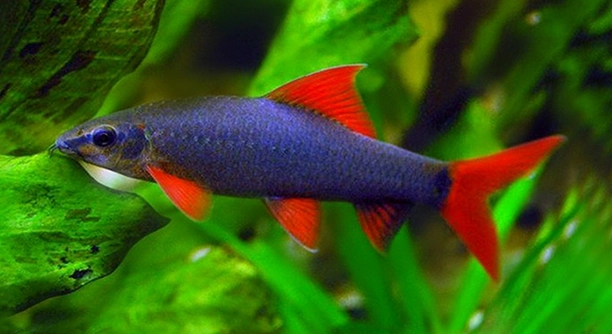
Many people enjoy keeping rainbow sharks in their aquariums for their bright colors and active nature. Sometimes, these fish hide for long periods, which can be confusing or worrying for their owners. Understanding the reasons behind this behavior can help improve their environment and care.
Rainbow sharks often hide due to stress, poor water quality, lack of hiding spots, illness, or territorial disputes. These factors affect their comfort and safety, causing them to retreat until conditions become more favorable. Proper tank maintenance and environment adjustments are essential to encourage normal activity.
Learning about these common causes will help you create a better home for your rainbow shark. It will also guide you toward practical steps to encourage your fish to come out and thrive.
Stress and Its Impact on Rainbow Sharks
Stress is a common reason why rainbow sharks hide. Changes in their environment, such as new fish or loud noises, can make them feel unsafe. When stressed, these fish seek shelter to avoid danger. Overcrowding in the tank can also cause stress because rainbow sharks need enough space to swim freely. Poor water conditions, like high ammonia or nitrite levels, increase stress and harm their health. Stress weakens their immune system, making them more vulnerable to disease. It is important to keep the tank calm and stable. Avoid sudden changes and monitor water quality regularly. Providing hiding spots such as plants and caves helps them feel secure. Stress management is essential for a happy and active rainbow shark.
Keeping a consistent routine and tank setup can reduce stress. Quiet surroundings and proper tank mates contribute to their comfort.
Stress affects rainbow sharks by reducing activity and increasing hiding behavior. Ensuring a calm, clean environment improves their wellbeing and encourages them to be more visible.
Water Quality and Tank Conditions
Water quality plays a crucial role in your rainbow shark’s behavior. Poor water quality can cause discomfort and illness, leading the fish to hide. Regular testing of ammonia, nitrite, nitrate, and pH levels is necessary to maintain a healthy tank. High ammonia or nitrite levels are toxic and should be addressed immediately. Water changes help remove harmful substances and refresh the environment. The tank should also be the right size; too small a space limits movement and increases waste buildup. Proper filtration is necessary to keep the water clean and oxygenated. Additionally, stable water temperature within 72-79°F supports their health. Avoid rapid changes in water conditions to prevent stress. A well-maintained tank creates a safe and comfortable habitat, encouraging rainbow sharks to come out more often.
Proper tank care prevents many health issues. Monitoring and adjusting water parameters ensures your fish feel secure and active.
Maintaining good water quality is key to your rainbow shark’s wellbeing. Clean, stable water supports normal behavior and reduces hiding. Tank size and filtration further contribute to a healthy environment. Regular care helps keep your fish comfortable and visible.
Lack of Hiding Spots
Rainbow sharks need places to hide to feel safe. Without enough shelters, they may stay hidden in one spot all the time. Providing caves, plants, or decorations gives them space to retreat and relax.
Adding natural or artificial plants creates a safe environment. Rocks and caves placed in different areas offer multiple hiding options. These spots reduce stress and help the fish explore the tank confidently. Without hiding places, rainbow sharks may feel exposed and scared. This can cause them to hide continuously or act skittish. Make sure hiding spots are easy to access but also provide shelter from light or other fish. Changing decorations occasionally can encourage your rainbow shark to investigate and come out more often.
A tank with diverse hiding areas balances the need for security and exploration. It helps your fish feel more at home and active.
Territorial Behavior
Rainbow sharks can be territorial, especially in smaller tanks. They defend their space by chasing other fish or hiding to avoid conflicts. Providing enough space and hiding spots reduces aggression and stress.
If the tank is crowded, territorial disputes become more frequent. Rainbow sharks establish boundaries and may hide to avoid confrontations. Proper tank size is crucial; a 55-gallon tank or larger is recommended to give them enough room. Separating aggressive fish or adding visual barriers helps reduce tension. Observing their behavior will show if territorial issues are causing hiding. When they feel secure in their space, rainbow sharks display more natural swimming and feeding habits. Managing territory is important for a peaceful aquarium and healthier fish.
A calm environment with enough room and privacy lets rainbow sharks thrive and be visible.
Illness and Injury
When rainbow sharks feel unwell, they often hide to recover. Illness or injury makes them less active and more cautious. Monitoring their behavior closely can help spot signs of sickness early.
Common signs include clamped fins, loss of appetite, or unusual swimming patterns. Prompt treatment is important to prevent worsening conditions. Quarantining sick fish helps protect others in the tank. Regular health checks reduce hiding caused by illness.
Lighting Conditions
Too bright or harsh lighting can cause rainbow sharks to hide. They prefer moderate light that mimics their natural habitat. Dimming the lights or adding shaded areas helps them feel secure.
Using floating plants or adjustable lighting creates a comfortable environment. Proper lighting encourages natural activity and reduces stress-related hiding.
Diet and Feeding Routine
Inadequate or irregular feeding can make rainbow sharks shy and withdrawn. A balanced diet with proper feeding times helps maintain their energy and confidence. Consistent feeding encourages them to come out and explore.
FAQ
Why is my rainbow shark hiding all the time?
Rainbow sharks often hide due to stress, poor water quality, lack of hiding spots, illness, or territorial disputes. They need a calm and stable environment with good water conditions. Without enough shelter or space, they feel unsafe and retreat to hide.
How long do rainbow sharks stay hidden when stressed?
The hiding period depends on how quickly their environment improves. If stress factors are addressed promptly—like cleaning the tank or reducing noise—they may come out within a few days. However, if issues persist, they might hide for weeks.
What are the signs that my rainbow shark is sick?
Look for clamped fins, loss of appetite, lethargy, unusual swimming, or discoloration. If your fish shows any of these, it may be ill. Prompt treatment and water quality checks are essential to help recovery.
Can tank mates cause my rainbow shark to hide?
Yes. Aggressive or overly active fish can stress rainbow sharks, making them hide more often. Make sure tank mates are peaceful and the tank is large enough to reduce conflicts.
How many hiding spots should I provide in the tank?
At least three to five hiding spots spread throughout the tank are ideal. This allows your rainbow shark to choose where it feels safest and helps reduce stress.
What water parameters are best for rainbow sharks?
Maintain a temperature between 72-79°F, pH around 6.5 to 7.5, and ammonia and nitrite at zero. Nitrate levels should be kept low through regular water changes.
Is my tank too small for a rainbow shark?
Rainbow sharks need at least 55 gallons to thrive. Smaller tanks limit swimming space and can increase territorial behavior, causing more hiding.
Should I feed my rainbow shark differently if it is hiding?
Try offering food near its hiding spot to encourage eating. Use sinking pellets or wafers and feed consistently at the same times each day. Avoid overfeeding to maintain water quality.
Can lighting affect my rainbow shark’s behavior?
Yes. Bright or harsh lights can make them hide. Use dimmer or adjustable lighting and add floating plants or decorations to provide shaded areas.
How often should I check water quality?
Test water parameters weekly. Regular checks help detect problems early and keep the environment safe and comfortable for your rainbow shark.
Is it normal for rainbow sharks to be shy?
Some individual fish are naturally more reserved. However, constant hiding usually signals an issue with the environment or health.
What can I do to make my rainbow shark more active?
Maintain good water quality, provide hiding spots, avoid overcrowding, and offer a balanced diet. Minimizing stress and giving enough space encourages activity.
Can rainbow sharks live with other species?
Yes, but choose peaceful, similarly sized fish. Avoid aggressive species that may bully or stress your rainbow shark.
What should I do if my rainbow shark won’t come out even after changes?
Consider consulting a fish health expert or veterinarian. Persistent hiding may indicate underlying illness or unsuitable tank conditions.
Are rainbow sharks nocturnal?
They are primarily active during the day but may hide more during strong light periods. Adjusting lighting helps balance their activity.
Can rearranging tank decorations help?
Yes. Changing decorations can encourage exploration and reduce boredom, helping your rainbow shark feel more comfortable.
How long do rainbow sharks live?
With proper care, they can live 5 to 8 years or more. A healthy, stress-free environment supports longevity.
What is the best diet for rainbow sharks?
A varied diet including sinking pellets, flakes, vegetables, and occasional live or frozen foods supports their health and energy.
Is it normal for rainbow sharks to jump out of the tank?
They can jump if stressed or startled. Make sure your tank has a secure lid to prevent escapes.
Can water changes scare rainbow sharks?
Sudden or large water changes can cause stress. Perform partial changes slowly and keep water parameters stable to minimize shock.
Rainbow sharks are beautiful and active fish that can add life to any aquarium. However, it is common for them to hide for extended periods, which can be concerning. Understanding the main reasons why your rainbow shark is not coming out of hiding can help improve their environment and care. Factors like stress, water quality, hiding spots, illness, and territorial behavior all play a role in their comfort and willingness to be visible. Taking steps to address these issues can encourage your fish to be more active and enjoy their tank.
Maintaining a clean and stable tank environment is key to your rainbow shark’s wellbeing. Regular water testing and changes help keep harmful chemicals at safe levels. Providing plenty of hiding places such as plants, caves, and decorations allows your fish to feel secure. It is also important to ensure the tank is large enough and that tank mates are compatible to reduce stress and territorial conflicts. Watching your fish closely for signs of illness and acting quickly when needed can prevent prolonged hiding caused by health problems. Adjusting lighting to be softer and offering a consistent feeding routine will further support their natural behavior.
Overall, patience and attention to your rainbow shark’s needs will make a big difference. These fish rely on their environment to feel safe and healthy. When you provide the right care, you will likely see your rainbow shark coming out more often, showing off its vibrant colors and lively personality. Keeping a balanced, calm tank will create a space where your fish can thrive. With the right approach, you can enjoy watching your rainbow shark swim confidently and happily in its home.

Hello,
If you enjoy the content that we create, please consider saying a "Thank You!" by leaving a tip.
Every little bit helps us continue crafting quality advice that supports the health, happiness, and well-being of pets around the world, for pets of all shapes, sizes, and species.
We really appreciate the kindness and support that you show us!