
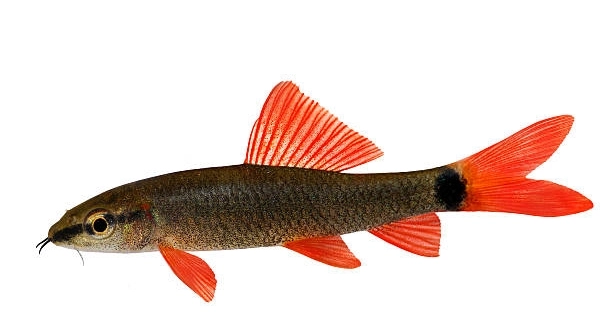
Is your rainbow shark’s tank looking a little too bare or artificial, leaving you unsure if it feels like home to your fish?
The most effective way to make your rainbow shark’s tank feel more natural is by mimicking its native habitat. This includes using the right substrate, adding hiding spots, maintaining proper lighting, and choosing compatible tank mates.
Creating a tank that mirrors a more natural environment can support better behavior, reduce stress, and enhance the overall health of your rainbow shark.
Add Natural Substrate and Gravel
Using natural substrate helps your rainbow shark feel more at home. In the wild, these fish live in riverbeds with sandy or fine gravel bottoms. Avoid bright-colored gravel, as it can make the tank look artificial and stressful for the fish. Instead, go for natural shades like brown, tan, or black. These colors make the fish’s colors stand out and help reduce glare. A natural base also supports helpful bacteria, which is important for water health. If you’re using sand, make sure it’s aquarium-safe. For gravel, smooth stones are best to avoid injuries. Rinse everything well before adding it to your tank. Keep the layer about 1 to 2 inches deep to allow space for burrowing or digging behavior. Using the right substrate also creates a softer, more calming space for your rainbow shark, which can lower stress levels and lead to better health and more active behavior over time.
Natural substrate also helps plants root better and gives your tank a more grounded, balanced look that benefits both you and your fish.
When you take time to choose a natural base, your tank begins to feel more like a riverbed. It makes your rainbow shark’s space more comforting and improves how the tank looks overall.
Use Driftwood and Stones for Hiding
Rainbow sharks need places to hide so they feel safe and secure. Driftwood and smooth stones are great for this. These additions make the tank feel more like a natural river setting.
Try placing driftwood along the bottom and sides of the tank to break up the space. Adding rocks and caves gives your rainbow shark places to rest or hide when it feels stressed. These hiding areas are important because rainbow sharks can be territorial. Giving them personal spaces helps reduce aggressive behavior. Look for materials that won’t raise the water’s pH or hardness. Always rinse stones and driftwood thoroughly before adding them. Boiling driftwood can help release tannins and make it safer for your fish. Avoid sharp or rough pieces that could injure your shark. Position decorations in a way that creates open swimming space while still giving enough cover. When placed right, these pieces create a balance between shelter and open movement, leading to a calmer tank.
Add Live Plants Instead of Fake Ones
Live plants not only improve water quality but also make the tank feel more alive. They give your rainbow shark places to explore and relax while helping reduce stress and keep the tank looking more natural.
Choose hardy plants like Anubias, Java Fern, or Amazon Sword, which can handle the behavior of more active fish like rainbow sharks. These plants don’t need a lot of light and are easy to care for. Spread them out to create shaded areas and open space. Live plants help absorb waste and provide oxygen, making the water healthier for your fish. Avoid plastic plants with sharp edges, as they can damage fins. Use a soft substrate to allow the roots to grow. If you’re new to live plants, start slow with low-maintenance types. This small change can make a big difference in how your tank feels and looks over time.
Caring for live plants is simple once you get into the routine. Make sure they get enough light—usually 8 to 10 hours a day. Trim dead leaves and check for algae. Adding a liquid fertilizer once a week can help them grow stronger. Healthy plants mean better water and a calmer fish.
Keep Lighting Soft and Consistent
Soft lighting helps reduce stress and keeps your rainbow shark’s internal rhythm balanced. Bright, harsh lights can make them feel exposed, while gentle lighting mimics the natural conditions they’re used to.
Use a light with adjustable brightness or opt for LED aquarium lights designed for freshwater tanks. Keep the lighting on a consistent schedule, such as 8 to 10 hours a day, using a timer if needed. This helps your fish stay in a healthy pattern and reduces sudden shifts in light that can cause stress. If your tank gets natural daylight, avoid placing it in direct sun to prevent overheating and algae growth. Use background plants or floating plants to create shaded areas. These little adjustments go a long way in keeping your tank calm. With soft, steady light, your rainbow shark will feel safer and show more natural behaviors, making your setup more peaceful overall.
Maintain Steady Water Conditions
Stable water temperature and pH help your rainbow shark feel safe. Fluctuations can cause stress, which may lead to illness. Keep the temperature around 75–80°F and maintain a pH between 6.5 and 7.5 for a stable environment.
Use a reliable heater and thermometer to monitor the water. Test water weekly to catch any sudden changes early. Clean the tank regularly but avoid changing too much water at once. This helps preserve the beneficial bacteria that support water quality and overall health.
Choose Peaceful, Compatible Tank Mates
Rainbow sharks can be territorial, especially with similar-shaped fish. Stick with peaceful bottom dwellers or mid-level swimmers. Avoid fish that look like rainbow sharks or ones that nip fins. A balanced mix can reduce aggression and help your rainbow shark feel more at ease.
Add a Dark Background to the Tank
A dark background reduces reflections and gives your rainbow shark a stronger sense of security. It helps create a calming atmosphere and brings out the natural colors of your fish and plants.
FAQ
Can rainbow sharks live with other rainbow sharks?
It’s not recommended to keep more than one rainbow shark in the same tank unless you have a very large setup—usually 125 gallons or more. These fish are territorial and will often become aggressive toward one another, especially if they feel their space is being invaded. Even when kept in large tanks, there’s no guarantee they’ll tolerate each other. Fights can result in torn fins, injuries, and long-term stress. If you’re set on having more than one, make sure to include plenty of hiding spots and visual barriers to break up the space.
How big should the tank be for a rainbow shark?
A single rainbow shark should have at least a 55-gallon tank. This gives them enough space to swim freely and establish their territory. Smaller tanks can lead to stress, aggression, and poor water quality. Rainbow sharks are active swimmers, so a long tank is better than a tall one. A bigger tank also makes it easier to maintain steady water conditions, which is important for their health. If you’re adding tank mates, consider an even larger tank to prevent territorial behavior and crowding.
Do rainbow sharks need a filter?
Yes, a filter is essential. Rainbow sharks produce waste like any other fish, and a filter helps keep the water clean and safe. Choose a filter that can handle the size of your tank and provides both mechanical and biological filtration. Clean or replace filter media as needed, usually every few weeks. Without a filter, harmful toxins can build up quickly and harm your fish. Good water flow also helps oxygenate the tank, which rainbow sharks appreciate.
How often should I clean the tank?
Aim to do a partial water change every week, about 20–30% of the tank’s volume. This helps remove waste and refresh the water without disrupting the tank’s natural balance. Use a gravel vacuum to clean the substrate, especially if you’re using sand or fine gravel. Check water parameters regularly so you can spot problems early. Wipe down glass and rinse decorations as needed, but avoid using soap or chemicals. A regular cleaning routine keeps the environment stable and healthy for your rainbow shark.
What should I feed my rainbow shark?
Rainbow sharks are omnivores, so they need a mix of plant and protein-based foods. High-quality sinking pellets or wafers are a good base. Supplement with blanched vegetables like zucchini or spinach and occasional treats like bloodworms or brine shrimp. Feed them once or twice a day in small amounts they can eat within a few minutes. Overfeeding can cause water problems, so remove any leftovers. A varied diet keeps your rainbow shark active and enhances their color.
Do rainbow sharks like to hide?
Yes, they enjoy having places to hide, especially when they feel stressed or threatened. Adding driftwood, rocks, and caves gives them secure spots where they can rest. This also helps reduce aggression and encourages more natural behavior. When they have the chance to retreat, rainbow sharks tend to be calmer and more confident. Even if they’re not hiding all the time, just having that option makes a big difference in how they feel in the tank.
Can I keep rainbow sharks in a planted tank?
Absolutely. Rainbow sharks do well in planted tanks as long as the plants are sturdy and rooted properly. They might dig occasionally, so choose plants with strong root systems like Java Fern or Anubias. Live plants help maintain water quality and provide extra cover, making your fish feel more at home. Just make sure the plants don’t take over the swimming space, since rainbow sharks like room to move around. Balanced planting improves the look and feel of the tank without limiting activity.
Do they need lighting at night?
No, rainbow sharks don’t need light at night. Like most fish, they benefit from a clear day and night cycle. Turning off the lights at night helps them rest properly and reduces stress. If you want to view your tank after dark, use a dim blue night light occasionally. Too much light—especially strong or round-the-clock lighting—can confuse your fish and affect their health over time. Stick to 8–10 hours of light during the day and total darkness at night for a natural rhythm.
Final Thoughts
Creating a natural tank for your rainbow shark is not difficult, but it does take some planning. Simple changes like using natural gravel, adding real plants, and keeping the lighting soft can make a big difference in how your fish behaves. When their space feels closer to what they’re used to in the wild, rainbow sharks become more active, calm, and healthy. A natural setup also improves the overall look of the tank and makes it easier to maintain good water quality. Even small adjustments like adding driftwood or placing a dark background can lead to better results.
It’s important to remember that rainbow sharks are sensitive to changes. They can become stressed if their tank feels too empty, too bright, or too crowded. Giving them space to swim, hide, and explore will help them feel more secure. Steady water conditions, compatible tank mates, and regular care are also key. When all these elements come together, your fish is more likely to stay healthy and live longer. This not only benefits your rainbow shark but also makes caring for the tank a more rewarding experience. Watching your fish thrive in a calm, natural setting is a quiet reminder that small details matter.
In the end, the goal is to create a tank that feels safe and balanced. A natural environment doesn’t have to be perfect, but it should support the fish’s needs and allow them to act normally. Focus on things like comfort, stability, and gentle surroundings. These choices create a peaceful home for your rainbow shark and make your tank more enjoyable to watch. Over time, you’ll notice the difference in how your fish behaves, eats, and explores. With the right setup and care, your tank becomes more than just decoration—it becomes a space where your fish can truly feel at home.

Hello,
If you enjoy the content that we create, please consider saying a "Thank You!" by leaving a tip.
Every little bit helps us continue crafting quality advice that supports the health, happiness, and well-being of pets around the world, for pets of all shapes, sizes, and species.
We really appreciate the kindness and support that you show us!