
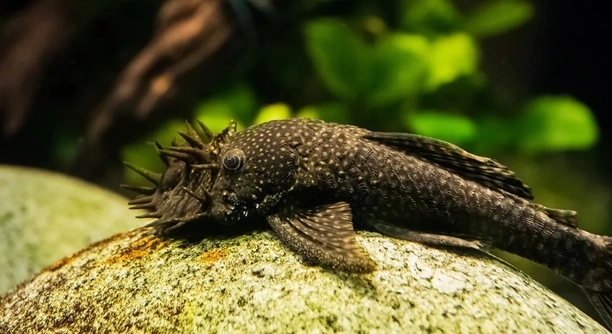
Is your pleco showing signs of unusual breathing, making small gasps near the water surface? Observing your fish carefully can help identify potential issues early, ensuring it stays healthy and comfortable in its aquarium environment.
Plecos may gasp for air due to poor water quality, low oxygen levels, overfeeding, internal parasites, stress, inappropriate tank conditions, or disease. Identifying the specific cause is crucial for prompt intervention and maintaining the overall health of the fish.
Understanding these reasons will help you take timely steps to improve your pleco’s environment and wellbeing for a longer, healthier life.
Poor Water Quality
Maintaining clean water is essential for your pleco’s health. Dirty water can reduce oxygen levels, increase toxins, and stress your fish. Uneaten food, waste, and decaying plants contribute to ammonia, nitrites, and nitrates, which are harmful even in small amounts. Regular water changes help prevent these problems and keep your tank safe. Using a water test kit ensures levels remain within the proper range. Filtration is equally important, as it removes debris and maintains circulation. Plecos are sensitive to sudden changes, so gradual adjustments in water chemistry are best. Observing your fish’s behavior after cleaning can help you notice improvements. Subtle changes in activity, color, or breathing can indicate that water quality was affecting them. Maintaining consistent care reduces the risk of disease and keeps your pleco comfortable. It also encourages healthy feeding habits and reduces stress over time.
Testing water weekly ensures a healthy environment for your pleco.
Regular water checks and consistent maintenance prevent gasping caused by poor water conditions, keeping your pleco thriving in its habitat.
Low Oxygen Levels
Low oxygen in the tank can make your pleco gasp at the surface. Proper aeration and circulation are key to preventing this issue.
Adding an air stone or adjusting the filter can improve oxygen levels. Live plants also help, but avoid overcrowding the tank. Temperature plays a role; warmer water holds less oxygen, so monitor your heater settings. Overcrowded tanks reduce available oxygen for each fish, increasing stress. Observing how your pleco responds after making these adjustments shows whether oxygen was the issue. Gas bubbles or rapid breathing are signs of low oxygen. You may also notice other fish showing similar behavior. Correcting this problem ensures your pleco stays active, eats well, and maintains normal coloration. In addition, good oxygen levels support the breakdown of waste, keeping water cleaner. Over time, proper aeration and regular monitoring create a stable environment that reduces health risks and enhances overall tank conditions. Making small, consistent adjustments often yields better results than large sudden changes.
Overfeeding
Too much food can lead to gasping because uneaten food decomposes, affecting water quality and oxygen levels. Plecos need a balanced diet and controlled portions to prevent these issues.
Overfeeding can cause digestive problems in plecos, leading to bloating or constipation, which may make them appear lethargic or gasp at the surface. Feeding once a day with a controlled amount, removing leftover food, and supplementing with vegetables like zucchini or cucumber can maintain proper nutrition. Uneaten pellets or flakes decay quickly, increasing ammonia and nitrite levels, which are toxic over time. Observing your pleco during feeding helps you adjust portions and notice early signs of discomfort.
Consistency in feeding helps avoid digestive stress and maintains water quality. Monitoring portions carefully ensures your pleco stays healthy, active, and comfortable in its environment.
Stress from Tank Conditions
Stress can trigger gasping when plecos feel threatened or uncomfortable. Inadequate hiding spots, aggressive tank mates, or frequent disturbances increase tension.
Plecos need hiding places and proper tank mates to feel secure. Sharp decorations, sudden changes in lighting, or excessive handling can cause stress. Maintaining stable water temperature and pH reduces environmental stress. Stress weakens the immune system, making plecos more vulnerable to disease, and may lead to erratic breathing or gasping. Observing behavior and adjusting tank layout or conditions can help your pleco feel safe. Avoid sudden changes, overcrowding, and overly aggressive companions to maintain calm. Providing a quiet, stable environment allows natural behavior and healthier breathing patterns.
Internal Parasites
Internal parasites can make plecos gasp due to discomfort and reduced nutrient absorption. Signs include weight loss, lethargy, and irregular swimming patterns.
Treatment often involves medicated food or water treatments. Consulting a veterinarian or aquatic specialist ensures the correct approach and dosage. Early intervention prevents worsening health issues.
Disease or Infection
Bacterial and fungal infections affect plecos’ gills and overall health, causing gasping. Symptoms include redness, clamped fins, or mucus buildup. Prompt treatment is critical. Isolation from other fish prevents spreading. Maintaining clean water and monitoring behavior helps detect infections early. Addressing illness quickly improves recovery chances.
Improper Tank Size
A tank that is too small limits swimming space and oxygen distribution. Plecos require sufficient room to thrive, reducing stress and breathing problems.
Temperature Fluctuations
Sudden changes in water temperature can shock plecos, leading to gasping. Consistent, suitable temperatures support stable metabolism and overall health.
What should I do if my pleco is gasping at the surface?
First, check the water quality. Poor water conditions are the most common reason for gasping. Test ammonia, nitrite, nitrate, and pH levels, and perform a partial water change if necessary. Ensure your filtration system is working properly. Adjust temperature if it fluctuates too much, and make sure oxygen levels are sufficient with proper aeration. Observe your pleco closely after making changes to see if its breathing improves. Removing uneaten food promptly also helps maintain cleaner water. Consistent care and monitoring often resolve gasping caused by environmental factors.
Can overfeeding cause my pleco to gasp?
Yes, overfeeding can lead to digestive issues and water quality problems. Uneaten food decomposes, producing toxins that reduce oxygen levels. Feeding once daily with measured portions prevents bloating and keeps the tank cleaner. Adding vegetables like zucchini or cucumber ensures proper nutrition. Always remove leftovers promptly.
How do I know if my pleco has internal parasites?
Signs include weight loss, lethargy, irregular swimming, and changes in appetite. Gasps may occur if parasites disrupt nutrient absorption or cause discomfort. A vet or aquatic specialist can confirm parasites and recommend appropriate medicated treatments, either in food or directly in the tank water. Early detection prevents serious health decline.
What diseases commonly cause plecos to gasp?
Bacterial and fungal infections often affect gills, leading to rapid or labored breathing. Look for clamped fins, redness, swelling, or mucus buildup. Isolation from other fish prevents disease spread. Treating infections promptly with medication designed for freshwater fish improves recovery chances. Maintaining clean water and monitoring behavior are key preventive measures.
Could my tank setup be stressing my pleco?
Yes, stress can trigger gasping. Lack of hiding spots, aggressive tank mates, or overcrowding increases tension. Sharp decorations and sudden changes in lighting or water parameters also contribute. Stable water temperature, proper pH, and a quiet environment help reduce stress. Observing behavior and adjusting tank layout can improve your pleco’s comfort and breathing patterns.
Is temperature important for pleco breathing?
Absolutely. Sudden or frequent changes in water temperature can shock plecos, leading to gasping. Consistent, appropriate temperatures support metabolism, immune function, and normal gill activity. Avoid placing tanks near windows, heaters, or drafts. Gradual adjustments are safer than sudden shifts. Stable conditions allow plecos to remain active and healthy.
How often should I check my pleco’s tank?
Regular checks are essential. Weekly water testing for ammonia, nitrite, nitrate, and pH is recommended. Daily observation of your pleco’s behavior helps detect early signs of distress, disease, or stress. Monitoring feeding and removing leftovers maintain clean water. Small, consistent maintenance prevents most breathing issues.
Can tank aeration prevent gasping?
Yes. Proper oxygenation keeps plecos comfortable and supports healthy gill function. Use air stones, filters with strong circulation, or live plants to improve oxygen levels. Ensure the tank is not overcrowded, as limited space reduces oxygen availability for each fish. Observing breathing patterns can show if oxygen levels are sufficient.
When should I consult a veterinarian?
If your pleco continues to gasp despite clean water, proper feeding, adequate oxygen, and stable temperatures, professional advice is needed. Persistent gasping may indicate disease, parasites, or other health issues. Early intervention improves treatment outcomes. A vet can recommend medications and proper dosing specific to your pleco’s condition.
Can diet affect my pleco’s breathing?
Yes. Balanced nutrition supports overall health and reduces gasping caused by digestive stress. Avoid overfeeding, provide vegetables like cucumber or zucchini, and supplement with high-quality sinking pellets. Consistent portions prevent bloating and maintain water quality, which directly affects gill function and oxygen availability.
How do I reduce stress for my pleco?
Provide hiding spots such as caves or driftwood, choose compatible tank mates, and avoid frequent handling. Keep lighting stable and avoid sudden water changes. Overcrowding should be prevented to ensure each fish has enough space. Calm, consistent conditions reduce stress-related gasping.
What signs indicate improvement after addressing gasping causes?
Your pleco will breathe normally, swim actively, eat regularly, and display vibrant coloration. Less time at the surface and calmer behavior show that oxygen levels, water quality, and overall comfort have improved. Continuous observation confirms long-term recovery and prevents future issues.
This FAQ covers the most common causes, interventions, and preventive measures for plecos that gasp, ensuring a safer, healthier aquarium environment.
Caring for a pleco requires attention to several key aspects of its environment and routine. Observing your fish closely is the first step in understanding its health and behavior. Gasping at the surface is often an early warning sign that something in the tank is off. Many issues, such as poor water quality, low oxygen, or temperature fluctuations, can be addressed before they become serious. Keeping the water clean with regular testing and partial water changes is one of the simplest ways to prevent problems. Maintaining stable temperatures and proper oxygen levels also supports the fish’s breathing and overall wellbeing. Consistency is crucial, as sudden changes in water chemistry or temperature can quickly stress a pleco and trigger gasping.
Feeding habits also play a significant role in a pleco’s health. Overfeeding can lead to bloating, digestive issues, and water contamination, all of which affect breathing. Providing the right amount of food once a day, along with occasional vegetables like zucchini or cucumber, helps maintain proper nutrition without overloading the tank. Uneaten food should always be removed promptly to avoid the buildup of harmful substances. Balanced nutrition supports not only proper digestion but also immune function, which reduces the likelihood of infections and internal parasites that can cause labored breathing. Paying attention to your pleco’s feeding response and adjusting portions accordingly can prevent many common health problems.
Tank conditions and stress management are equally important for your pleco’s comfort and longevity. Plecos need hiding spots, compatible tank mates, and sufficient swimming space to feel secure. Stress can weaken their immune system, making them more susceptible to disease and gasping. Ensuring a calm environment with minimal sudden disturbances allows your pleco to breathe normally and remain active. Regular monitoring, consistent care, and a stable tank environment work together to prevent many of the issues that cause gasping. By maintaining proper water quality, balanced nutrition, and a comfortable habitat, you can support your pleco’s long-term health and reduce the chances of breathing difficulties. Small, consistent efforts often make the biggest difference in keeping your pleco happy and thriving.

Hello,
If you enjoy the content that we create, please consider saying a "Thank You!" by leaving a tip.
Every little bit helps us continue crafting quality advice that supports the health, happiness, and well-being of pets around the world, for pets of all shapes, sizes, and species.
We really appreciate the kindness and support that you show us!