
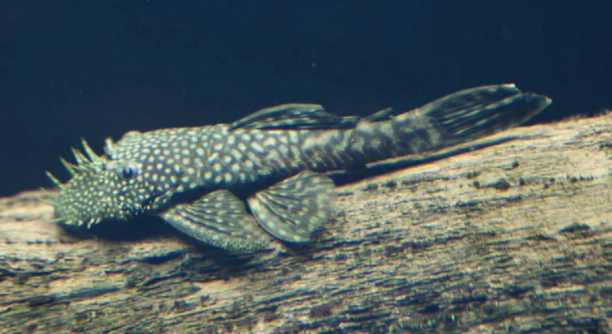
Have you ever wondered if your Bristlenose Pleco can stay healthy in a tank without a heater? Many aquarium owners face this situation, especially when setting up tanks in warmer climates or trying to save on equipment.
Bristlenose Plecos can survive without a heater only if the surrounding temperature remains stable between 73°F and 81°F. However, fluctuating or consistently low temperatures can cause stress, slow metabolism, and increase the risk of illness in these tropical fish.
Understanding how temperature affects their comfort and health will help you create a balanced environment for your Pleco to thrive in all year round.
Understanding Bristlenose Plecos’ Temperature Needs
Bristlenose Plecos are tropical freshwater fish that thrive in warm, stable environments. They come from regions where water temperatures rarely drop, so consistent warmth supports their digestion, immunity, and growth. When temperatures fall below 70°F, these fish become sluggish and may lose their appetite. Long exposure to cold water can lead to infections and weakened health. If your home stays naturally warm, your Pleco may survive without a heater, but even slight temperature fluctuations can create stress. A reliable thermometer helps you monitor tank conditions closely and make timely adjustments to protect their comfort and overall well-being.
Warmer water helps Plecos maintain their activity levels and natural cleaning behavior. Without steady warmth, they might spend more time hiding, eat less, and produce less waste, disrupting tank balance. Stable temperature ensures your Pleco’s body functions remain healthy, supporting a peaceful and active aquarium environment.
For a healthy Pleco, tank stability matters as much as warmth. Consistent temperature, proper filtration, and good oxygen levels prevent stress-related problems. While they can adapt to small changes, sudden drops in water temperature are harmful. A steady environment keeps your Bristlenose Pleco thriving, active, and able to contribute to maintaining a clean, balanced aquarium for years.
Deciding If a Heater Is Necessary
Bristlenose Plecos can tolerate slight temperature variations, but their health thrives in steady warmth. Homes with naturally fluctuating temperatures or cold winters usually require a heater to maintain an ideal, consistent range between 73°F and 81°F.
A heater becomes essential if your aquarium sits in a room affected by drafts, air conditioning, or seasonal changes. Even small temperature dips can disrupt your Pleco’s metabolism, slowing digestion and reducing activity. Investing in a reliable heater prevents stress and disease caused by inconsistent temperatures. It also ensures your Pleco continues its natural cleaning habits, helping keep the tank healthy. Always use a thermometer to check for accuracy, as even high-quality heaters can vary. Setting the heater near the filter allows warm water to circulate evenly. Monitoring both water and room temperatures gives you better control over your aquarium’s environment, keeping your Bristlenose Pleco comfortable and thriving throughout the year.
Signs Your Bristlenose Pleco Is Too Cold
When your Bristlenose Pleco feels too cold, you may notice a sudden drop in activity. They might stop grazing on algae, eat less, and spend more time hiding near the bottom or behind decorations. Cold water slows their metabolism and weakens their immune system.
A Pleco in cold water can develop visible signs of stress, such as dull coloration or clamped fins. You might also notice labored breathing or slow movements. These symptoms indicate discomfort and poor oxygen absorption caused by low temperatures. In extreme cases, cold stress can make your Pleco more prone to fungal or bacterial infections. Monitoring behavior and water temperature regularly helps prevent serious health issues. If temperatures remain low, adding a heater or adjusting room warmth can restore stability and help your Pleco regain energy, improve eating habits, and maintain overall health.
Maintaining consistent warmth supports proper digestion, activity, and waste management. Without adequate heat, their natural cleaning behavior slows, affecting the tank’s cleanliness. A temperature imbalance can also harm other tank mates that rely on similar tropical conditions. Regularly checking the thermometer and observing your Pleco’s activity helps you detect cold stress early. Acting quickly ensures your aquarium stays balanced and your Pleco remains healthy.
How to Maintain the Right Temperature
Keeping your Bristlenose Pleco comfortable requires steady tank conditions. Placing the aquarium away from windows, vents, or direct sunlight helps prevent sudden temperature shifts. Consistent room temperature plays a big role in reducing stress and supporting your Pleco’s well-being.
To maintain proper warmth, use a reliable aquarium heater with adjustable settings. Choose one suited for your tank size to ensure even heat distribution. Combine it with a thermometer to monitor accuracy daily. If the temperature drops, increase it gradually to avoid shocking your fish. Proper filtration also helps circulate warm water evenly throughout the tank. In warmer climates, a heater may not run constantly but still prevents dips during cooler nights. Regularly cleaning the filter and checking heater performance keeps the environment safe. With careful monitoring and maintenance, your Bristlenose Pleco can stay healthy, active, and stress-free year-round.
Ideal Tank Setup for Warmth
Setting up the tank properly helps maintain stable temperatures for your Bristlenose Pleco. Use a secure lid to reduce heat loss and evaporation. Adding plants, caves, and driftwood offers comfort and creates natural areas that hold warmth longer within the aquarium.
Tank placement is just as important as equipment. Avoid setting the aquarium near windows, doors, or vents where temperature changes often occur. A stable environment helps your Pleco stay healthy and active. Consistent monitoring ensures your heater and thermometer function correctly, keeping water conditions safe and balanced.
Common Mistakes to Avoid
Many owners forget that even minor temperature fluctuations can affect Plecos. Frequent water changes using cold tap water, leaving the heater unplugged during cleaning, or positioning the tank in a drafty area can cause stress. These small oversights weaken immunity and lead to long-term health issues.
Monitoring Your Pleco’s Behavior
Observing your Bristlenose Pleco regularly helps you catch early signs of discomfort. Reduced movement, dull coloring, or loss of appetite may indicate temperature problems. Quick adjustments in heat or tank placement can restore comfort and keep your Pleco healthy and active.
FAQ
Can Bristlenose Plecos live in cold water?
Bristlenose Plecos can survive short periods in slightly cooler water, but long-term exposure below 70°F affects their health. Cold water slows their metabolism, weakens their immune system, and reduces appetite. Over time, this can lead to stress, infections, and a shortened lifespan. Maintaining consistent warmth is essential for proper growth, digestion, and energy.
What happens if my Bristlenose Pleco gets too cold?
When exposed to cold water, your Pleco may become sluggish, hide more often, or stop eating. Prolonged cold stress can cause their color to fade and lead to fin or skin infections. If you notice these symptoms, gradually raise the temperature back to the proper range. Sudden changes can shock your Pleco, so small, steady adjustments are best.
Do Bristlenose Plecos need a heater year-round?
In most homes, a heater is needed year-round to maintain stable warmth, especially during seasonal changes. Even in warm climates, nighttime temperatures can drop enough to affect the tank. A heater with an adjustable thermostat helps keep water within the ideal range of 73°F to 81°F. Consistent warmth prevents stress and keeps your Pleco active.
Can room temperature be enough for Bristlenose Plecos?
If your home stays warm and consistent throughout the year, your Pleco may live comfortably without a heater. However, many homes experience temperature fluctuations due to air conditioning or cold nights. It’s safer to use a heater to maintain stability. Consistent water temperature supports healthy behavior and prevents health issues caused by sudden drops.
What temperature is too hot for Bristlenose Plecos?
Temperatures above 82°F can make your Pleco uncomfortable. Warm water holds less oxygen, making it harder for them to breathe. Prolonged exposure to high heat may cause stress, reduce appetite, and increase the risk of disease. If your tank becomes too warm, lower the temperature gradually using fans or partial water changes with cooler water.
Can I turn off the heater at night?
Turning off the heater at night can lead to harmful temperature drops, especially in cooler environments. Sudden changes can stress your Pleco and weaken its immune system. It’s better to keep the heater on continuously to maintain consistent warmth. Reliable heaters use minimal energy when the water is already warm.
How can I keep my tank warm without a heater?
You can help retain warmth by placing the tank in a temperature-stable room away from windows and drafts. Covering the lid tightly reduces heat loss, and adding insulation around the tank helps maintain warmth. However, these methods work best for mild climates. For colder areas, a heater remains the most effective solution.
Can Bristlenose Plecos adapt to different temperatures?
Plecos can adapt slightly to temperature changes but prefer stability. Rapid or extreme shifts can cause shock and illness. Gradual adjustments help them adapt safely. When introducing your Pleco to a new tank, ensure the water temperature matches their previous environment to prevent stress or temperature shock.
How do I know if my heater is working properly?
Check your tank thermometer regularly to ensure the temperature remains steady. If you notice fluctuations, inspect the heater for malfunction or uneven heating. It’s best to use two thermometers placed on opposite sides of the tank for accuracy. Replace faulty equipment immediately to maintain your Pleco’s comfort and safety.
Do Bristlenose Plecos stop eating in cold water?
Yes, when water temperatures drop too low, their metabolism slows, reducing their appetite. You might notice leftover food and less activity near feeding times. Consistently cold water can lead to weight loss and digestive issues. Warming the tank gradually encourages your Pleco to eat normally again and stay active.
Is a heater necessary for breeding Bristlenose Plecos?
Yes, warm and stable temperatures are essential for breeding. The ideal range for breeding is around 78°F to 80°F. Cooler water slows reproduction and may discourage spawning altogether. Maintaining this warmth encourages healthy egg development and increases the chances of successful hatching. A consistent temperature supports both adult and fry health.
What is the best type of heater for Pleco tanks?
A submersible heater with an adjustable thermostat works best. Choose one based on your tank’s size—generally 3–5 watts per gallon. It’s also helpful to have a thermometer to double-check accuracy. Heaters with built-in thermostats maintain consistent warmth automatically, protecting your Pleco from sudden temperature changes.
How can I tell if my Pleco is comfortable?
A healthy, comfortable Bristlenose Pleco will actively graze on surfaces, display clear coloration, and show interest in food. They rest occasionally but remain alert and active most of the time. Consistent temperature, clean water, and proper nutrition help maintain this behavior, showing that your Pleco is thriving in its environment.
Final Thoughts
Keeping a Bristlenose Pleco healthy depends largely on maintaining a stable, comfortable temperature. These fish are naturally suited for tropical environments, meaning they thrive in warm water that stays between 73°F and 81°F. When their tank remains within this range, their digestion, energy levels, and immune system function properly. Without consistent warmth, Plecos can become sluggish, lose their appetite, and develop health problems. Many new aquarium owners underestimate how quickly temperature changes can affect tropical fish. Even small drops caused by cold nights or air conditioning can stress your Pleco. Using a heater provides control and security, ensuring that your tank stays within the safe range regardless of outside conditions.
A heater is not always required in every setting, but stability is what matters most. In homes with naturally warm, stable temperatures, your Pleco may do well without one, as long as you monitor conditions closely. However, if your tank is placed near a window, draft, or air vent, temperature fluctuations are almost guaranteed. Regular checks with a reliable thermometer help prevent sudden shifts that could harm your fish. Many experienced aquarists prefer keeping a heater on standby, even in warmer climates, to handle unexpected drops in temperature. The small investment in a quality heater can prevent long-term health issues, making it a practical choice for most Pleco owners.
Beyond temperature, a well-balanced environment also contributes to your Pleco’s comfort. Clean water, steady filtration, and proper oxygen levels are just as important as warmth. Creating hiding spaces with driftwood, plants, and caves allows them to feel secure and display natural behaviors. Paying attention to their activity, feeding habits, and color helps you recognize when something is off. If your Pleco becomes less active or hides more than usual, temperature should be the first factor you check. Consistent care and attention help ensure they live long, healthy lives. Whether you use a heater or rely on room warmth, stability is key. With regular monitoring and a balanced setup, your Bristlenose Pleco will continue to thrive as a peaceful and helpful addition to your aquarium, keeping the tank clean and lively for years to come.

Hello,
If you enjoy the content that we create, please consider saying a "Thank You!" by leaving a tip.
Every little bit helps us continue crafting quality advice that supports the health, happiness, and well-being of pets around the world, for pets of all shapes, sizes, and species.
We really appreciate the kindness and support that you show us!