
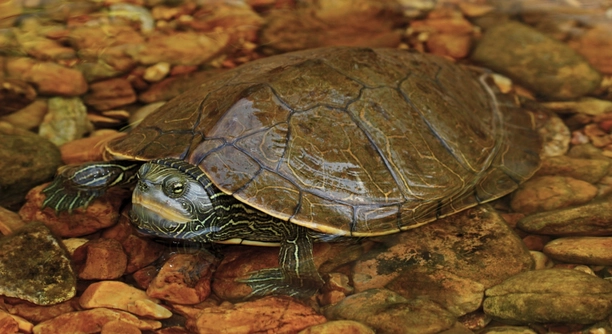
Map turtles are a unique species with distinct characteristics. Often, they are misunderstood due to myths that surround them. In this article, we aim to shed light on the common misconceptions and set the record straight.
There are several myths about map turtles, many of which stem from misunderstanding their behavior, diet, or habitat. These myths can misguide potential pet owners or turtle enthusiasts. It’s essential to debunk these myths for better care and understanding.
By addressing these myths, you’ll be better equipped to care for map turtles and appreciate their fascinating traits. Understanding the truth will ensure they thrive in the right environment.
Myth 1: Map Turtles Are Only Found in One Region
Map turtles are often thought to be limited to specific areas. However, they are found in various regions across North America. They live in the Mississippi River Basin, Gulf Coast, and parts of the Great Lakes. Different species within the map turtle family can be found in different areas. Some map turtles are native to the southeastern United States, while others are found further north. This broad range of habitats means they can adapt to different climates and environments.
The misconception stems from their distinct markings, which may appear similar across different regions. However, the presence of various subspecies shows just how diverse these turtles are.
Understanding where map turtles thrive is important for their care. It helps to know their preferred environments and what conditions are most suitable. Proper knowledge ensures these turtles receive the right care and thrive outside their natural habitat, too.
Myth 2: Map Turtles Only Eat Plants
While map turtles are primarily omnivores, they are not restricted to just plants. They enjoy a variety of foods, including insects, fish, and small aquatic invertebrates. Their diet is balanced, and they hunt for protein sources when needed.
This flexibility in their diet makes them highly adaptable. Depending on what’s available in their environment, map turtles will adjust their eating habits. They will actively hunt small animals, but they also enjoy grazing on aquatic plants. This behavior ensures they get a balanced diet.
Map turtles benefit from a variety of foods. If you’re caring for one as a pet, you should provide both plant and animal-based foods. Offering an appropriate mix will help maintain their health and energy levels.
Myth 3: Map Turtles Are Not Good Pets
Map turtles often get a bad reputation as pets, but they can be great companions if properly cared for. With the right environment and diet, they can thrive in a tank or outdoor pond. Many people underestimate their ability to adapt to captivity.
They do require a spacious environment, proper lighting, and a clean habitat to remain healthy. Keeping the water quality high and ensuring they have enough space to bask is essential. Without proper care, their health can decline quickly. However, if given proper attention, map turtles make low-maintenance pets that can live for many years.
Map turtles have fascinating behaviors, such as basking on logs or rocks, which can provide entertainment. Watching them swim or interact with their surroundings can be rewarding. They tend to be quite calm, making them enjoyable to observe. With commitment, map turtles can be a good addition to your home.
Myth 4: Map Turtles Can Live Anywhere
Map turtles are specific about their habitat. They need access to water, sunlight, and a temperature range that supports their natural behavior. Many people assume they can be kept in just any type of water, but that’s not true.
The water should be clean and well-filtered to prevent infections and health issues. Map turtles need areas to bask and dry off, so providing rocks or logs is important. They also prefer shallow water with gentle currents to make swimming easier. The right setup can make a huge difference in their wellbeing.
Temperature is also important. Map turtles need warmth to digest food and regulate their body temperature. The water should be between 75 to 80°F (24-27°C), and their basking spot should reach around 90°F (32°C). Maintaining this environment is essential for a happy, healthy map turtle.
Myth 5: Map Turtles Are Difficult to Care For
Caring for map turtles can be simple with the right knowledge and resources. They do require attention to detail, but once their environment is set up properly, they are relatively low-maintenance. Many people mistakenly think they are complex pets, but that’s not the case.
A well-maintained tank or pond with clean water, proper lighting, and a balanced diet can meet most of their needs. As long as you keep up with regular tank cleaning and ensure they have access to basking areas, map turtles are quite manageable pets.
Myth 6: Map Turtles Are Aggressive
Map turtles are generally calm and not aggressive by nature. They are more likely to retreat into their shells when feeling threatened than engage in a fight. When kept in peaceful environments, they tend to be docile and enjoy basking or swimming.
While they may become territorial if housed with other turtles, this behavior is typically mild. Proper space and resources can prevent territorial disputes. As long as map turtles have enough room, they coexist peacefully with their environment and with other turtles in many cases.
Myth 7: Map Turtles Don’t Need Much Interaction
Map turtles may not be as interactive as some other pets, but they still benefit from regular attention. Watching them swim or bask can be calming, and some turtles become familiar with their owners over time. They learn to associate their keeper with food and safety.
Though they won’t show affection in the same way that mammals do, map turtles enjoy a routine. Keeping them engaged by providing varied environments or stimulating objects can help them stay mentally and physically healthy.
FAQ
What should I feed my map turtle?
Map turtles are omnivores, which means they eat both plant and animal matter. A balanced diet includes aquatic plants, fish, insects, and small invertebrates. You can offer them a mix of commercial turtle food, fresh vegetables, and live or frozen foods like earthworms, mealworms, and shrimp. Make sure to avoid feeding them too much high-fat food. Fresh leafy greens, such as romaine lettuce, dandelion greens, and water plants, should also be part of their diet.
How often do map turtles need to eat?
Map turtles should be fed every other day, although this depends on their size and age. Juveniles may need more frequent feeding as they are growing, while adults can go a bit longer between meals. It’s important to avoid overfeeding, as this can lead to obesity and other health issues. Monitor their food intake and adjust accordingly to their size and activity level.
How big do map turtles get?
Map turtles vary in size depending on the species, but most adult map turtles grow between 5 to 10 inches in length. Female map turtles tend to be larger than males, with some species showing even more noticeable size differences. It’s important to be aware of the size of the species you have to ensure their tank or pond is spacious enough to accommodate them comfortably as they grow.
Do map turtles need UVB lighting?
Yes, map turtles need UVB lighting to thrive in captivity. UVB rays help them produce vitamin D3, which is essential for absorbing calcium and maintaining a healthy shell. Without proper UVB lighting, map turtles can suffer from metabolic bone disease, which affects their bones and shell. Make sure to provide a UVB lamp that covers their basking area, and replace it every six months as the effectiveness of the bulb decreases over time.
How do I keep my map turtle’s habitat clean?
Maintaining a clean habitat for your map turtle is vital to their health. Regular water changes are necessary to remove waste and maintain water quality. A good filtration system is essential to keep the water clean and clear. Check the filter regularly and clean it as needed. Remove uneaten food, waste, and any debris from the tank daily. Clean the basking area frequently as well. It’s also helpful to use a water test kit to monitor the pH, ammonia, and nitrate levels in the tank to ensure the environment remains healthy.
Can map turtles live with other turtles?
Map turtles can live with other turtles, but it’s important to choose tank mates carefully. Some map turtle species can be territorial, especially when it comes to basking areas. It’s crucial to provide enough space, basking spots, and food to reduce competition. Different species of turtles should be monitored to make sure they are compatible in terms of size and behavior. Avoid placing map turtles with more aggressive species that might bully or harm them.
How long do map turtles live?
Map turtles can live for a long time, typically 20 to 30 years, though some have been known to live even longer with proper care. Their lifespan can vary depending on their species and how well they are cared for. Ensuring they have a proper diet, clean water, and enough space will contribute to their longevity. Regular veterinary check-ups can also help catch any potential health issues early.
How can I tell if my map turtle is sick?
Signs of illness in map turtles may include lethargy, loss of appetite, swelling, irregular shell growth, difficulty swimming, or abnormal behavior. If you notice any of these symptoms, it’s important to consult a veterinarian experienced with reptiles. Infections, parasites, and metabolic diseases can affect map turtles, and early treatment is crucial to ensuring their recovery.
What kind of tank do map turtles need?
Map turtles need a spacious tank or pond with both water and a dry area for basking. The water should be deep enough for them to swim and should have a filtration system to keep it clean. The basking area should be large enough for the turtle to completely dry off and absorb heat from a UVB lamp. In a tank, the water should be around 75 to 80°F, while the basking area should reach about 90°F.
Do map turtles need a pond or aquarium?
While map turtles can live in either an aquarium or a pond, a pond is often more suitable if you have the space. A pond allows them more natural behavior, such as basking on logs and foraging for food. However, aquariums are perfectly fine for smaller setups and if you don’t have access to an outdoor space. Whichever option you choose, ensure the environment is clean and provides both land and water areas.
Can map turtles live in cold water?
Map turtles prefer warm water and do not do well in cold conditions. They need a water temperature of around 75-80°F and basking areas around 90°F. Exposure to water that is too cold can lead to health problems and even cause the turtle to go into hibernation. If you live in a cooler climate, consider using a water heater to maintain the proper temperature for your turtle.
What is the best substrate for map turtles?
For map turtles, a simple and easy-to-maintain substrate is recommended. Many turtle owners use smooth river rocks, which are easy to clean and do not pose a choking hazard. You can also use reptile-safe sand or soft mulch. Avoid using sharp or coarse substrates that could injure their delicate shells. Make sure the substrate doesn’t trap waste or food, which could cause bacterial buildup.
Final Thoughts
Map turtles are fascinating creatures that can make wonderful pets if they are cared for properly. Many of the myths about them, such as their need for only one type of environment or diet, have led to misunderstandings. However, once you learn the truth about these turtles, it becomes clear how to provide the best care for them. They are not overly demanding and can live long, healthy lives when their basic needs are met. Proper habitat setup, a balanced diet, and the right temperature are key to ensuring their wellbeing.
It is important to remember that map turtles, like any pet, require responsibility. Keeping their environment clean, monitoring their diet, and providing them with enough space to move around and bask are all essential components of their care. While they may not be the most interactive pets, map turtles are still enjoyable to observe. Their calm demeanor and unique behavior make them an interesting companion for those willing to invest time and effort into creating a suitable environment.
By debunking these common myths, potential map turtle owners can approach their care with a more informed mindset. Understanding the truth about their needs and behavior will allow you to provide them with the right conditions to thrive. Whether you are new to turtle care or an experienced keeper, the most important thing is to keep their environment clean, their diet varied, and ensure they have everything they need to lead a healthy and fulfilling life.

Hello,
If you enjoy the content that we create, please consider saying a "Thank You!" by leaving a tip.
Every little bit helps us continue crafting quality advice that supports the health, happiness, and well-being of pets around the world, for pets of all shapes, sizes, and species.
We really appreciate the kindness and support that you show us!