
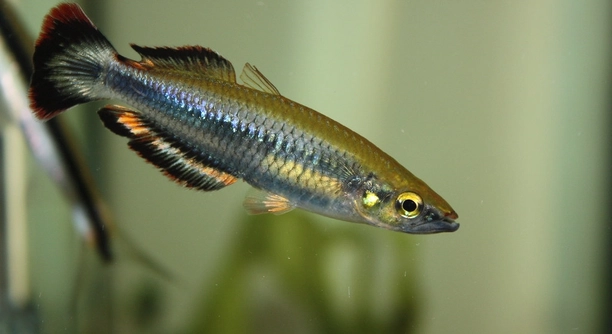
Do you enjoy watching your rainbowfish glide gracefully through their tank during the day but notice a change when night falls? Their behavior can shift subtly, making them appear quieter, more cautious, or even more active in certain moments.
Rainbowfish may act differently at night due to natural circadian rhythms, reduced light levels, and increased predation risk. These factors influence feeding patterns, schooling behavior, and overall activity, leading to observable differences between daytime and nighttime behavior.
Understanding these nocturnal habits can improve how you care for your rainbowfish and enhance their well-being in your aquarium environment.
Light and Darkness Affect Behavior
Rainbowfish respond strongly to changes in light. During the day, they are active, exploring the tank, feeding, and interacting with each other. At night, low light triggers a natural reduction in movement. Their eyes adjust to dim conditions, making them more cautious in navigation. Some species may hide among plants or decorations, while others may slowly patrol their usual swimming paths. This behavior is linked to survival instincts, as darkness in natural habitats signals potential predators. Even in an aquarium, these instincts remain intact, showing that light and dark cycles directly shape activity levels. Maintaining a consistent day-night schedule helps rainbowfish feel secure. Sudden changes in lighting can cause stress, leading to erratic swimming or hiding. Proper lighting not only supports regular sleep and feeding routines but also enhances coloration and overall health. Observing these patterns provides insight into their natural rhythms and preferences.
Their sensitivity to light means that even small changes can noticeably alter their nighttime behavior.
Adjusting tank lights gradually at the end of the day helps rainbowfish transition smoothly into night. Providing shaded areas or floating plants can mimic natural habitats, giving them a sense of safety. Nighttime feeding should be limited or avoided, as most rainbowfish reduce activity and prefer resting. Tank placement away from bright room lights ensures darkness remains consistent. By respecting their light-dependent behaviors, you can reduce stress and promote natural activity cycles. Over time, rainbowfish will establish predictable routines, appearing more comfortable and vibrant during both day and night. Paying attention to how they respond to light can also indicate their health, as lethargy or unusual hiding might signal issues requiring attention. Creating an environment that respects these patterns improves their well-being and allows observation of their authentic nighttime behaviors.
Feeding and Nocturnal Patterns
Rainbowfish tend to feed less at night, following their natural instincts to conserve energy in low light.
Reduced feeding activity at night helps maintain healthy digestion and prevents overfeeding.
Most rainbowfish are diurnal feeders, meaning they prefer to eat during daylight hours when visibility is higher. Their metabolism naturally slows at night, and attempting to feed them after lights are dimmed can lead to uneaten food decaying in the tank, affecting water quality. Some species may show minor activity at night, searching for tiny leftover particles, but this is limited. Observing their daytime feeding patterns ensures they receive adequate nutrition, making nighttime fasting a natural and healthy cycle. Over time, these routines help maintain their weight, coloration, and overall vitality. Adjusting feeding schedules to match their activity ensures their needs are met without disrupting natural rhythms, reducing stress and promoting long-term health in your aquarium setup.
Social and Schooling Behavior
Rainbowfish often change how they interact with each other at night. Schooling becomes tighter, and individuals may seek shelter in groups. This behavior provides a sense of security and reduces stress when visibility is low or unfamiliar movements occur.
Tighter schooling at night is a defensive response. When light levels drop, rainbowfish instinctively group closer together to reduce perceived threats. This behavior mirrors their natural habitats, where staying close minimizes the risk of predation. Even in a safe aquarium, these instincts remain, showing that environmental cues strongly influence social patterns. Changes in movement or sudden disturbances may cause the school to scatter briefly, but they quickly regroup. Understanding these tendencies helps in arranging tank decorations and providing sufficient open swimming areas while allowing hiding spots.
Some rainbowfish may retreat individually, especially if they feel vulnerable or are less dominant. Observing both collective and individual responses provides insight into personality differences, health, and comfort levels within the group. Proper schooling space and hiding areas enhance their sense of safety, encouraging natural nighttime behavior without forcing them into stress.
Rest and Energy Conservation
Nighttime rest is essential for rainbowfish to maintain energy and overall health. They slow down activity, often staying near plants or shaded areas to minimize movement.
Rest allows rainbowfish to recover from daytime activity and maintain a stable metabolism. Even small, consistent periods of reduced movement help regulate growth, coloration, and immune function. Disruptions during this time can lead to stress and reduce vitality.
During nighttime, energy conservation is evident in both swimming speed and frequency of movement. Rainbowfish often hover or make slow, deliberate movements instead of active swimming. This reduced activity limits energy expenditure while still allowing them to respond to environmental cues if needed. Providing a quiet, dark environment with minimal disturbances supports natural rest cycles. Over time, regular rest periods contribute to improved feeding behavior, brighter coloration, and reduced susceptibility to illness. Observing these patterns can guide adjustments in tank setup, lighting schedules, and feeding times, ensuring rainbowfish remain healthy and active during the day while respecting their natural nocturnal routines.
Environmental Stressors at Night
Changes in the tank environment can affect rainbowfish behavior at night. Sudden noises, vibrations, or bright lights may startle them, causing hiding or erratic swimming.
Consistent conditions help rainbowfish feel secure. Keeping water quality stable and minimizing disruptions during nighttime supports calm, natural behavior and reduces stress-induced changes in activity or schooling patterns.
Temperature and Water Conditions
Rainbowfish activity can also respond to nighttime temperature shifts. Slight drops in water temperature may slow their metabolism, resulting in less movement and extended periods of rest. Maintaining consistent temperatures helps prevent stress and keeps their nighttime behavior predictable.
Observing Nighttime Behavior
Monitoring rainbowfish at night can reveal important health indicators. Changes in movement, hiding patterns, or interaction with the group may indicate stress, illness, or environmental discomfort that requires attention.
Why do rainbowfish hide more at night?
Rainbowfish naturally become more cautious when light levels drop. Darkness can signal potential predators in the wild, so even in an aquarium, this instinct remains. Hiding helps them feel secure, reduces stress, and conserves energy. Plants, decorations, and shaded areas provide safe spots where they can rest comfortably during nighttime.
Is it normal for rainbowfish to swim slower at night?
Yes, slower swimming is a natural response to lower light. Metabolism slows down, and rainbowfish conserve energy while remaining alert. This behavior is part of their circadian rhythm. Even when active, movements tend to be more deliberate and minimal to avoid drawing attention or expending unnecessary energy.
Should I feed rainbowfish at night?
Feeding at night is generally unnecessary. Rainbowfish are diurnal feeders, meaning they eat mostly during daylight hours. Nighttime feeding can lead to uneaten food, which may decay and affect water quality. Following a consistent daytime feeding schedule ensures they get enough nutrition without disrupting natural rest patterns.
Why do rainbowfish school more tightly after lights go out?
Tighter schooling is a defensive strategy. In low light, staying close to other fish reduces perceived risk and provides a sense of safety. This behavior mirrors natural habitats where grouping protects against predators. Even in a safe aquarium, this instinct helps rainbowfish feel secure and calm.
Can sudden lights at night stress rainbowfish?
Yes, sudden bright lights can startle rainbowfish, causing rapid movement or hiding. Consistent lighting routines reduce stress and encourage natural behavior. Using dimmed or gradual lighting changes at the end of the day allows them to adjust smoothly from daytime activity to nighttime rest.
Do rainbowfish need hiding spots at night?
Providing hiding spots is essential for nighttime comfort. Plants, rocks, and decorations allow them to feel secure, reduce stress, and maintain natural behavior. Even confident or dominant individuals benefit from having spaces where they can retreat if needed, supporting overall health and well-being.
Why do some rainbowfish stay active while others hide?
Individual temperament and social hierarchy influence nighttime behavior. Some fish are naturally bolder and patrol or explore at night, while others are more cautious. Observing these differences helps understand personalities and ensures each fish has the right environment, including enough space and shelter for varying comfort levels.
How can I tell if nighttime behavior indicates illness?
Unusual hiding, lethargy, or erratic movement at night can signal health problems. If a fish stops schooling, loses appetite, or exhibits unusual patterns, it may need attention. Monitoring normal nighttime habits provides a baseline for spotting changes early, allowing timely intervention to maintain health.
Does water temperature affect nighttime activity?
Yes, cooler temperatures can reduce activity. Rainbowfish are sensitive to water conditions, and even minor drops may slow metabolism and movement. Maintaining stable, species-appropriate temperatures ensures predictable rest cycles and supports overall energy levels and health throughout both day and night.
Can I improve nighttime behavior with tank setup?
Tank layout greatly influences nighttime comfort. Providing shaded areas, floating plants, and quiet zones reduces stress and encourages natural behaviors. Avoid placing the tank where external lights or vibrations disturb them at night. A thoughtful setup supports healthier, calmer, and more predictable activity patterns in rainbowfish.
How long do rainbowfish typically rest at night?
Rainbowfish follow a natural day-night cycle, resting several hours at night. Duration varies depending on species, age, and tank conditions. Ensuring a dark, stable environment allows them to rest fully, conserving energy and maintaining metabolism, coloration, and overall health for daytime activity.
What signs indicate rainbowfish are comfortable at night?
Comfortable rainbowfish exhibit steady, calm movements or hover near safe areas without frequent darting. Schooling is orderly, and individuals may occasionally explore slowly. Bright coloration may remain visible even in low light, and fish return to normal behavior quickly when lights turn on, showing they feel secure in their environment.
Can I use night-specific lighting for rainbowfish?
Soft, dim lighting can help observe them without causing stress. Red or blue lights minimally disrupt natural behavior while allowing monitoring. Avoid bright or sudden illumination, which can startle fish, disrupt rest, and trigger unnecessary hiding or erratic movement, ensuring their nighttime cycles remain natural and healthy.
Is it normal for rainbowfish to interact less at night?
Reduced interaction is expected. Low light encourages conservation of energy and cautious behavior. While some individuals may still explore or swim slowly, overall social activity decreases. Accepting this as a natural pattern prevents unnecessary concern and helps maintain appropriate care routines aligned with their instincts.
Do all rainbowfish species behave the same at night?
No, species differences affect nighttime behavior. Some species are more active and bold, while others are timid and spend more time hiding. Understanding species-specific tendencies allows for better tank planning, including lighting, hiding areas, and schooling arrangements, ensuring each type feels secure and comfortable during nighttime hours.
Rainbowfish are fascinating creatures, and their nighttime behavior is a clear reflection of natural instincts and environmental needs. Observing them after the lights go out shows how light, temperature, and social dynamics influence their daily routines. At night, they often slow down, hide, or tighten schooling formations. These changes are not random but purposeful, helping them conserve energy, reduce stress, and feel secure. Even in a well-maintained aquarium, rainbowfish retain these instincts from their natural habitats, showing that careful attention to their environment is essential for their health and comfort. Understanding these behaviors can improve how we care for them and ensure that their nighttime habits are respected and supported.
Providing the right conditions for nighttime comfort is crucial. Proper lighting, temperature stability, and accessible hiding spaces all contribute to healthy behavior. Sudden changes in light or temperature can stress rainbowfish, causing erratic swimming, hiding, or lethargy. Consistency in tank conditions allows them to follow natural rhythms, making daytime and nighttime activity more predictable. Schooling behavior at night is another important factor, as tighter groups reduce perceived threats and create a sense of safety. Even individual differences among rainbowfish play a role, with some being bolder while others prefer to stay hidden. Recognizing these differences and accommodating them with careful tank arrangement helps each fish feel secure and reduces stress-related issues.
Regular observation of rainbowfish during nighttime can provide valuable insight into their overall well-being. Changes in movement, hiding patterns, or interaction with other fish may indicate stress, illness, or environmental discomfort. Monitoring these behaviors helps identify potential problems early and allows for adjustments in feeding schedules, lighting, or tank setup. Respecting their nocturnal patterns not only supports physical health but also promotes natural, stress-free behavior. By paying attention to these details, caretakers can create an environment that balances safety, comfort, and activity, allowing rainbowfish to thrive throughout both day and night. Understanding their nighttime habits makes keeping them more rewarding and helps ensure long-term vitality in the aquarium.

Hello,
If you enjoy the content that we create, please consider saying a "Thank You!" by leaving a tip.
Every little bit helps us continue crafting quality advice that supports the health, happiness, and well-being of pets around the world, for pets of all shapes, sizes, and species.
We really appreciate the kindness and support that you show us!