
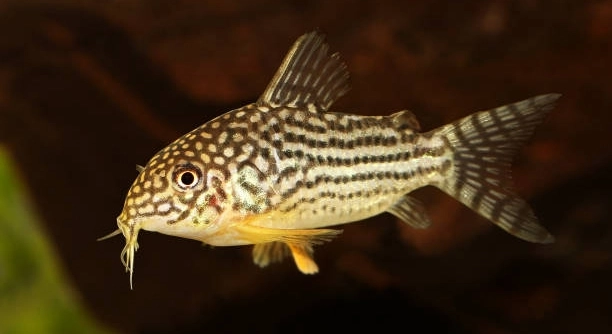
Do your Corydoras catfish spend most of their time wiggling nonstop at the bottom of your tank, and you’re not sure why?
The most common reason Corydoras catfish constantly wiggle is due to natural behavior linked to social interaction and foraging habits. They are active bottom dwellers, and this movement is a sign of their alert, inquisitive nature.
Understanding what’s behind this behavior can help you support your fish’s wellbeing and improve their environment in simple ways.
They’re Naturally Active Fish
Corydoras are naturally active and social fish. They spend much of their time swimming along the bottom of the tank, exploring their surroundings, and interacting with each other. This constant movement is part of how they stay healthy and stimulated. Their wiggling, often described as a kind of dance, is usually a good sign that they are feeling comfortable and behaving normally. They also use this motion to sift through substrate for food, which is an important part of their daily routine. If you have a group of Corydoras, you’ll likely see them wiggling together, which is a social behavior. It’s important not to confuse this active behavior with distress. As long as they’re not gasping for air, darting around frantically, or showing signs of injury, their wiggling is nothing to worry about. A clean tank, proper water conditions, and a few companions usually keep them happy and healthy.
Wiggling is their way of interacting with their environment and each other.
Watching this behavior can be enjoyable, especially once you understand that it means they are thriving. Seeing a group of Corydoras move together in this way often signals that you’ve created a tank they feel safe and stimulated in.
Water Conditions Might Be Off
Poor water quality can cause unusual wiggling or stress-related movement in Corydoras.
If your tank’s water parameters are off, your Corydoras may start wiggling more than usual—not from excitement, but from irritation or discomfort. Ammonia, nitrite, and nitrate levels should be checked regularly, along with pH and temperature. Corydoras prefer clean, well-oxygenated water with stable conditions. Spikes in chemicals or a sudden change in temperature can lead to increased activity as they try to adjust or escape the discomfort. Even if the tank looks clean, invisible toxins can quickly affect their behavior. Use a reliable test kit to monitor these levels. It’s also important to keep the substrate clean since Corydoras spend most of their time at the bottom where waste tends to build up. A dirty substrate can irritate their sensitive barbels and cause excessive movement. Regular partial water changes and proper filtration will help maintain a stable environment. If the wiggling seems out of the ordinary, water testing should be your first step.
They’re Excited About Feeding Time
Corydoras often become more active and wiggle when they sense food is coming. This is a common behavior and usually starts when they detect movement near the tank or smell food in the water.
These fish have strong instincts tied to feeding. Even small cues, like the sound of the lid opening or shadows above the tank, can trigger a burst of wiggling. Corydoras use their barbels to search through the substrate for leftovers, which adds to the activity. Their excitement often increases if they’re used to a feeding schedule. They may gather at their usual feeding spot and show group movement. If your Corydoras wiggle around the same time each day, this could be tied to feeding anticipation. As long as they are not gasping, darting, or isolating, this behavior is perfectly normal and a sign that they associate their tank space with food and comfort.
It’s helpful to observe how long this behavior lasts and when it happens. If the wiggling increases right before feeding and settles afterward, it’s likely just excitement. On the other hand, if they continue wiggling constantly and don’t seem interested in food when it’s offered, something else could be affecting them. Watching their reactions around feeding time can help you understand them better.
They’re Interacting With Other Corydoras
Corydoras are social fish that rely on group interaction. Wiggling is often a response to seeing or swimming with others, especially if they’re kept in a proper group of five or more.
When kept alone or in too small of a group, Corydoras may show signs of stress or act unusually. But when they are with others, wiggling becomes a form of communication and bonding. You may notice them copying each other’s movements, swimming in tight groups, or playfully nudging one another. This active movement helps them build social structure and reduces stress. Keeping them in groups also encourages natural behaviors like synchronized feeding or resting close together. If you see more wiggling after introducing new tank mates, it can simply be their way of adjusting and forming new connections. Observing their group dynamics helps you understand if their behavior is based on social comfort or something else entirely.
They’re Responding to Light Changes
Corydoras can become more active and start wiggling when the tank light suddenly turns on or off. Quick changes in lighting can startle them, triggering bursts of movement that may look unusual but are temporary.
To reduce this, try using a dimmer or timer to ease the light transitions.
They’re Breeding or Showing Mating Behavior
During breeding, Corydoras display a lot more movement than usual. Males often chase females, and the group becomes noticeably more active. This extra wiggling is a part of their natural mating behavior and usually involves nudging, chasing, and synchronized swimming. You may also notice them staying closer together and spending more time exploring one area of the tank, especially around smooth surfaces or plants where they may lay eggs. While it might look frantic at times, this behavior is normal if your tank conditions support breeding. A clean tank, stable temperature, and regular feeding often trigger this kind of activity.
They’re Reacting to Strong Water Flow
Corydoras may wiggle more if the current in your tank is too strong. They usually prefer gentle flow that doesn’t push them around.
FAQ
Is it normal for Corydoras to wiggle all the time?
Yes, Corydoras naturally move around a lot. Their constant wiggling is a normal behavior that helps them search for food, interact with each other, and stay active. If their movement seems smooth and they’re not crashing into objects or showing signs of stress, it’s likely nothing to worry about. They’re known for being lively bottom dwellers, and this behavior is part of how they explore and engage with their environment.
Why do my Corydoras wiggle more at night?
Corydoras are crepuscular, which means they’re most active during the early morning and evening hours. If your tank lighting dims in the evening or if the room gets quieter, they may start to move around more. Some species are even more active in low light and will wiggle and forage for food during nighttime. This is natural and often goes unnoticed unless you observe them closely during those hours.
Can wiggling mean they’re stressed?
Sometimes, yes. If the wiggling looks frantic or is paired with darting, gasping, or hiding, it could signal stress. Poor water quality, sudden changes in temperature, or strong current can make them feel uncomfortable. It’s important to check your water parameters and tank setup to rule out possible stress factors. But if the wiggling is steady and relaxed, it’s usually not a problem.
Should I be worried if only one Corydoras is wiggling a lot?
If one Corydoras is much more active than the others, it’s a good idea to watch them closely. It might be reacting to something in its surroundings or trying to signal discomfort. Check if it’s eating well, swimming normally, and not isolating itself too much. Also, observe the rest of the group—if they seem calm, the issue may be specific to that one fish. Single behavior changes can be early signs of illness or stress.
Can hunger cause them to wiggle more?
Yes, Corydoras often become extra wiggly when they’re hungry or expect to be fed. They may swim quickly to the front of the tank or sift the substrate more vigorously. If the wiggling seems to increase around feeding times and calms down afterward, it’s probably food-related. Make sure they’re getting enough to eat, especially if they’re in a community tank where other fish might outcompete them.
Is it bad if they wiggle near the surface?
If your Corydoras are wiggling near the surface frequently, it might mean they’re trying to get more oxygen. While it’s normal for them to occasionally dart to the surface to gulp air (they have a special organ for this), doing it constantly could suggest low oxygen levels. Make sure your tank is well-aerated and check your filter and water movement to improve oxygen exchange.
Do they wiggle to communicate with each other?
Yes, wiggling can be part of how Corydoras communicate. They often mimic each other’s behavior, especially when kept in proper group sizes. Social behaviors like synchronized swimming, group foraging, or following each other can all involve this type of movement. It’s a way for them to bond and feel secure within their group.
Can wiggling be part of a health issue?
Occasionally, yes. If wiggling comes with signs like clamped fins, pale color, red patches, or erratic swimming, it could mean something is wrong. Parasites, skin irritation, or poor water quality might be the cause. Keep an eye on their behavior over a couple of days and consider separating the fish if things don’t improve. Clean water and quick attention can prevent further issues.
Do Corydoras wiggle more in new tanks?
They often do. When first added to a tank, Corydoras may seem extra active as they explore and adjust to their new home. This is a normal part of their settling-in process. If the tank is cycled and parameters are stable, they should calm down over time. Just make sure they have places to hide and feel secure.
How can I tell the difference between normal and abnormal wiggling?
Normal wiggling is smooth, steady, and part of their usual routine—feeding, exploring, or socializing. Abnormal wiggling is more frantic, irregular, or paired with other concerning signs like gasping, rubbing against surfaces, or avoiding the group. Watching closely over time will help you recognize what’s normal for your Corydoras and what’s not.
Final Thoughts
Corydoras catfish are active, social, and curious fish. Their constant wiggling may look strange at first, but in most cases, it is completely normal. It’s often a sign that they are healthy, engaged, and enjoying their environment. Whether they are looking for food, playing with other Corydoras, or reacting to changes in the tank, this behavior is part of who they are. Learning to understand their movement can help you care for them better and recognize when something is off. Every tank has its own rhythm, and getting to know your fish is a big part of successful fishkeeping.
That said, not all wiggling is harmless. If your Corydoras seem stressed, swim near the surface for long periods, or act differently from the rest of the group, it could be a sign of a problem. Water quality issues, poor oxygen levels, or even an overly strong filter current can make them behave differently. Simple steps like testing your water, checking your equipment, and watching how they interact with each other can help you figure out what’s going on. Making small adjustments to their setup can often fix the issue quickly. These fish are sensitive to changes, so keeping things stable is one of the best ways to support them.
Spending time observing your Corydoras can be both calming and useful. Their little movements and group behavior tell you a lot about how they’re doing. When you understand their normal behavior, it’s easier to spot anything unusual early on. And while wiggling is usually just part of their happy routine, it always helps to stay aware of other signs that may point to stress or illness. With a clean tank, good water conditions, a proper group size, and a calm environment, your Corydoras will have what they need to thrive. Watching them wiggle together along the bottom of the tank can be a great sign that you’re giving them a space where they feel safe and comfortable.

Hello,
If you enjoy the content that we create, please consider saying a "Thank You!" by leaving a tip.
Every little bit helps us continue crafting quality advice that supports the health, happiness, and well-being of pets around the world, for pets of all shapes, sizes, and species.
We really appreciate the kindness and support that you show us!