
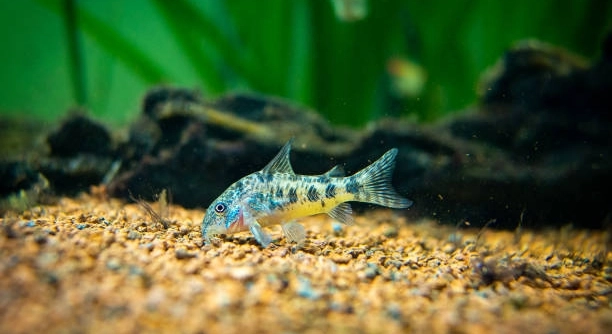
Are your Corydoras catfish breathing heavily? This behavior can be concerning, but it’s important to understand why it happens and what you can do to help.
Corydoras catfish breathing heavily can be caused by several factors, including poor water quality, insufficient oxygen levels, or underlying health issues. Identifying the cause is crucial to ensuring the fish’s well-being and preventing further complications.
Several common factors contribute to heavy breathing in Corydoras catfish. Knowing these can help you take the right steps to improve their health.
Poor Water Quality
One of the most common reasons your Corydoras catfish may be breathing heavily is poor water quality. High levels of ammonia, nitrites, or nitrates can irritate their gills, making it harder for them to breathe. Poor filtration or inadequate water changes can lead to these toxins building up in the tank, causing stress for your fish. It’s essential to test your water regularly to ensure it’s within safe levels for your catfish. If you’re noticing heavy breathing, a partial water change may help relieve the stress on your fish.
Checking the water quality should be a priority. Make sure the pH, hardness, and temperature are stable and suitable for Corydoras.
Maintaining a clean tank environment with regular water changes will help keep toxins under control. Invest in a good filtration system to ensure that the water stays oxygenated and free from harmful chemicals. Additionally, consider adding live plants to help naturally filter the water. A stable, clean environment can significantly reduce the chances of your catfish experiencing heavy breathing due to water quality issues.
Low Oxygen Levels
Another possible reason for heavy breathing is low oxygen levels in the tank. Corydoras catfish are bottom dwellers and can sometimes struggle to get enough oxygen from the water if it’s not well-circulated. Without proper aeration, the fish may need to breathe faster to get enough oxygen.
If your tank lacks good water movement, adding an air pump or adjusting the filter flow can improve oxygen levels.
Low oxygen levels can be caused by overcrowding, lack of surface agitation, or poor water flow. Consider the number of fish in your tank and make sure there’s enough space for each one to thrive. An air stone or surface skimmer can also help ensure proper oxygen exchange. With more oxygen in the tank, your Corydoras will be able to breathe easier and feel more comfortable.
High Tank Temperature
When the water temperature is too high, your Corydoras catfish may struggle to breathe properly. Warm water holds less oxygen, which means your fish will need to work harder to get enough air. Consistent, elevated temperatures increase stress and can lead to heavy breathing.
To avoid this, keep your tank temperature within the recommended range for Corydoras, usually between 72°F and 78°F. You can use a thermometer to monitor the water temperature closely. If needed, consider installing a cooling fan or adjusting the heater settings.
If the water temperature rises too much, adding ice packs or placing the tank in a cooler area can temporarily reduce the temperature. A cooler, more stable environment will help your Corydoras catfish breathe easier and stay healthy. Keeping the temperature stable also prevents stress, which can cause more severe health problems down the line.
Illness or Infection
Illness or infection can lead to heavy breathing in Corydoras catfish. Bacterial or parasitic infections can damage their gills, making it harder to breathe. If you notice other signs of illness, like cloudy eyes or abnormal behavior, it’s important to act quickly.
Infected fish may struggle to get oxygen, leading to rapid gill movement. Treating any infections or illnesses promptly is key to preventing further damage to your catfish. If you suspect an infection, a quarantine tank can help prevent it from spreading to other fish.
It’s essential to treat infections with medications specifically designed for fish. Be sure to follow the directions carefully, as incorrect dosages can harm your fish. Also, monitor the water quality during treatment to avoid adding additional stress.
Overcrowding
Overcrowding in your tank can lead to poor oxygen levels and increased stress, causing your Corydoras catfish to breathe heavily. When there are too many fish in a small space, oxygen becomes limited. This forces your fish to breathe faster to compensate for the lack of oxygen.
Make sure your tank is properly sized for the number of fish you have. Avoid stocking too many fish in a small space to prevent overcrowding. This will help ensure that each fish has enough room to thrive.
Poor Diet
A poor diet can also cause your Corydoras to struggle with breathing. If your catfish is not receiving the right nutrients, their health can deteriorate, leading to issues like heavy breathing. Make sure your fish food is high-quality and designed for bottom dwellers.
A balanced diet with the right nutrients will keep your catfish healthy and prevent unnecessary stress. If you’re unsure about what to feed them, look for specialized catfish pellets or sinking foods that cater to their needs.
FAQ
Why is my Corydoras catfish gasping for air?
Gasping for air often points to low oxygen levels or poor water quality. If your catfish seems to be struggling at the surface or near the filter, it might be trying to get more oxygen. Ensure that your tank has proper aeration and filtration, and perform a water change to improve quality. Overcrowding and high water temperatures can also contribute to this behavior.
How can I tell if my Corydoras is stressed?
Stressed Corydoras can show signs like rapid breathing, hiding, or abnormal swimming patterns. If your catfish is frequently darting around or staying near the surface, it could indicate stress. Poor water quality, high temperatures, or incompatible tank mates can all be stress factors. It’s essential to address the root cause quickly.
Can Corydoras breathe air?
Yes, Corydoras are able to breathe air, though they typically get oxygen from the water. These fish have specialized lungs that allow them to gulp air from the surface if oxygen levels are low in the tank. If you notice your fish is spending more time at the surface, it could be a sign of low oxygen levels in the tank.
Is it normal for Corydoras to breathe quickly?
Quick breathing can be normal in some situations, like when Corydoras are active or just after feeding. However, if it continues for extended periods, it might indicate problems such as poor water quality or low oxygen levels. Keep an eye on your fish’s behavior and make adjustments to the environment as needed.
How can I improve oxygen levels for my Corydoras?
To improve oxygen levels, you can add an air pump, air stone, or adjust the filter to increase water movement. Regular water changes can also help maintain oxygen-rich water. If the water is stagnant, adding live plants can help oxygenate the tank naturally. Also, avoid overcrowding to give each fish enough space to thrive.
Why is my Corydoras not eating?
If your Corydoras isn’t eating, it could be a sign of stress, illness, or poor water conditions. Check for signs of infection or poor water quality. If the fish is hiding more than usual, the environment may not be suitable for it. Try offering different types of food, such as sinking pellets or frozen foods, to see if that sparks their interest.
Can Corydoras tolerate strong currents?
Corydoras prefer gentle water flow. While they can tolerate mild currents, they are bottom dwellers and are not suited for strong currents. High flow areas can cause them stress and make it difficult for them to swim comfortably. Ensure that your filter isn’t creating a strong current, or place them in areas with calmer water.
How often should I feed my Corydoras?
Corydoras should be fed once or twice a day, depending on their size and activity level. Avoid overfeeding, as uneaten food can pollute the water and affect water quality. Stick to a feeding routine and offer small portions that they can finish in a few minutes. It’s important to provide a varied diet, including sinking pellets, frozen foods, and occasional live food.
Can Corydoras live with other fish?
Yes, Corydoras are peaceful and social fish that do well with other non-aggressive species. They thrive in groups of 3 or more and will usually get along with other bottom-dwelling fish or mid-to-top level swimmers. Avoid housing them with overly aggressive or large fish that could outcompete them for food or space.
What should the water temperature be for Corydoras?
Corydoras prefer water temperatures between 72°F and 78°F (22°C to 25°C). It’s important to keep the temperature stable within this range. Water that is too cold can slow their metabolism, while water that is too warm can reduce oxygen levels, leading to heavy breathing. Always use a reliable thermometer to monitor the tank temperature.
How do I treat an infected Corydoras?
If you suspect your Corydoras is infected, it’s important to isolate them in a quarantine tank to prevent the spread of disease. Treat the infection with appropriate medications according to the specific illness. Maintaining clean water and offering a stress-free environment will help your fish recover. Be sure to monitor the rest of your tank for any signs of illness.
Do Corydoras need a lid on their tank?
Corydoras are not typically jumpers, but it’s still a good idea to have a lid on your tank, especially if there are other species in the aquarium that may be more prone to jumping. A lid can also help maintain humidity and prevent debris from falling into the water. However, if your Corydoras are in a well-secured environment, they usually don’t require a lid.
Can I keep Corydoras in a small tank?
Corydoras can live in smaller tanks, but it’s best to avoid going below 10 gallons. These fish prefer plenty of space to move around and hide. A small tank may cause stress and limit oxygen circulation, which can affect their health. If you have a small tank, be sure to maintain good water quality and avoid overcrowding.
Final Thoughts
Corydoras catfish are peaceful and hardy fish that can live for many years in a well-maintained tank. However, like any pet, they require proper care and attention to stay healthy. If you notice your Corydoras breathing heavily, it’s a sign that something might be wrong with their environment or health. By understanding the common causes, such as poor water quality, low oxygen levels, high temperatures, or stress, you can take steps to improve the situation and help your fish thrive.
Maintaining a clean and stable tank environment is key to preventing issues like heavy breathing in Corydoras. Regular water changes, a proper filtration system, and monitoring the water parameters will go a long way in keeping your fish healthy. Corydoras also benefit from a balanced diet, appropriate tank mates, and a tank size that suits their needs. A little bit of attention to these factors can prevent many of the common issues that lead to heavy breathing and stress.
If your Corydoras catfish continues to show signs of distress or heavy breathing, it’s essential to take action quickly. Make sure you address water quality, oxygen levels, and temperature right away. If needed, consider isolating the fish in a quarantine tank to address any potential illness. With proper care, you can help your Corydoras live a long, healthy life, free from breathing issues. Monitoring their environment and addressing any problems promptly ensures your fish remain happy and active.

Hello,
If you enjoy the content that we create, please consider saying a "Thank You!" by leaving a tip.
Every little bit helps us continue crafting quality advice that supports the health, happiness, and well-being of pets around the world, for pets of all shapes, sizes, and species.
We really appreciate the kindness and support that you show us!