
Do your Corydoras catfish ignore some foods while eagerly gobbling up others, leaving you puzzled at feeding time?
The primary reason your Corydoras catfish prefers one type of food over another is due to a combination of scent sensitivity, nutritional needs, and natural feeding instincts shaped by their environment and species-specific behavior.
Feeding habits vary based on subtle cues, and small changes in diet can make a big difference for your catfish’s overall health.
Scent Plays a Big Role in Food Preference
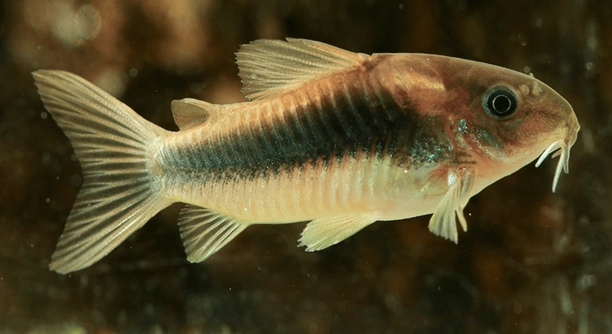
Corydoras catfish rely heavily on their sense of smell when choosing food. In the wild, they sift through the substrate, using sensitive barbels to detect scents and tastes. Foods that give off stronger smells, like bloodworms or shrimp pellets, often get more attention than bland or odorless items. This preference doesn’t mean they’re picky—it’s simply how they’re wired. Dry flakes or poorly stored pellets might not trigger the same response. If a food doesn’t smell fresh or strong, your catfish might ignore it completely. Keeping food sealed and choosing high-quality options makes a difference. Fish use scent to judge if something is safe or nutritious, and if it doesn’t smell right, they’ll pass it by. Even slight changes in water conditions can affect how scents travel, influencing how well your Corydoras detect food. So, it’s not always the food itself—it could be how your tank affects its scent.
A stronger-smelling food will usually attract more interest. Try testing a few high-protein or freeze-dried options to see what gets the best reaction.
Don’t forget to observe how your fish behave when the food hits the water. You’ll start to notice patterns based on the type, texture, and scent of what you offer.
Texture and Shape Matter Too
Some foods are just easier for Corydoras to eat and that makes them more appealing. Texture can make a big difference.
Corydoras have downward-facing mouths designed for bottom feeding. Soft sinking foods like wafers or gel-based pellets are easier for them to manage. If a food is too hard, floats too long, or falls apart quickly, they may ignore it. Even if the food is nutritious, if it doesn’t feel right or fit their feeding style, they won’t bother with it. Flake foods can be tricky because they may float or disintegrate before reaching the bottom. This is frustrating for a bottom-dweller like the Corydoras. Sinking pellets that hold their shape or soften slowly are often preferred. Additionally, food that mimics natural prey in shape—like small, round pellets—can encourage better feeding responses. Feeding behavior is closely linked to what they’d naturally encounter in rivers and streams, so keeping things simple and suitable goes a long way. Stick to shapes and textures that match what they naturally handle well.
Feeding Time Affects Their Response
Corydoras are most active during certain parts of the day. Feeding them when they’re resting or less alert might cause them to ignore food, even if it’s something they usually like.
These catfish tend to be more active during the early morning and late evening hours. If you’re feeding them during midday or when lights are too bright, they might hide or show less interest. Timed feeding can help them get used to a schedule, and they’ll begin to associate that time with food. When fish are alert and expecting food, they’re more likely to eat it, even if it’s not their favorite. Feeding in a calm, quiet environment can also make a difference. Avoid sudden movements or tank disturbances. A consistent routine with dim lighting and minimal stress improves feeding response. Sometimes, it’s not what you feed but when you feed that affects behavior the most.
Keeping feeding times consistent helps you spot changes quickly. If your Corydoras suddenly ignore food at their usual hour, it might be a sign of something deeper, like stress or water issues.
Nutritional Needs Change Over Time
As Corydoras grow, their nutritional needs shift, and this can change what foods they prefer. Young fish may eat more protein-rich foods, while adults might start favoring a more balanced diet.
Juvenile Corydoras are still developing muscle and organs, so they need high protein intake. This often means they respond well to foods like bloodworms or insect-based pellets. As they mature, they might lose interest in these heavy protein foods and lean toward more plant-based or balanced options. Ignoring certain food types can sometimes reflect this natural dietary transition. If your fish are aging and start avoiding high-protein meals they once loved, it doesn’t always mean something is wrong. Adjusting the diet to match their age helps meet their changing needs. Blending different food types over time can smooth the transition and keep their health on track. Watch how they respond to new mixes to see what works best.
Stress Can Change Eating Habits
When Corydoras feel stressed, their appetite often changes. Loud noises, sudden movements, or tank rearrangements can make them uneasy. Even subtle shifts in their surroundings can cause them to skip meals or avoid certain foods.
Stress can also come from poor water quality, overcrowding, or aggressive tank mates. These issues affect how safe your fish feel during feeding time.
Past Experience Influences Preference
Corydoras remember what they like and what they didn’t respond well to. If a certain food once caused discomfort or wasn’t filling, they might avoid it in the future. Over time, they develop patterns based on what satisfies their needs and feels safe. A fish that’s only been fed one food may hesitate with new textures or smells. Introducing a variety of foods gradually helps create a broader, more accepting feeding habit. Giving them time to explore unfamiliar options without pressure can make a big difference. Keep an eye on what’s left behind, and adjust based on their reactions.
Water Conditions Impact Taste
Unstable water conditions affect how food smells and tastes to your Corydoras. Ammonia spikes or pH changes may dull their interest in food they usually like.
FAQ
Why does my Corydoras ignore certain types of food?
Corydoras are picky eaters, and their food preferences can vary depending on scent, texture, and even the time of day. They are attracted to food that gives off a strong scent, and food that doesn’t meet this criterion may be ignored. Additionally, they have specialized feeding habits—being bottom feeders, they prefer sinking food that’s easy to find on the substrate. If the food floats or breaks apart quickly, they might miss it. Temperature and water quality can also play a role in how much interest they show in the food offered.
Can Corydoras eat only pellets?
While Corydoras can live on a diet of sinking pellets, it’s important to vary their food for a balanced diet. Pellets provide a good base, but they can miss out on essential nutrients if they don’t get other food types. Adding fresh vegetables, live foods like brine shrimp, or freeze-dried options can enrich their diet. A single food type may not fulfill all their nutritional needs. Consider rotating between different foods like sinking wafers, bloodworms, and even small pieces of fish or shrimp to mimic their natural diet. Too much of any one food type could lead to deficiencies over time.
How often should I feed my Corydoras?
Corydoras should be fed once or twice a day, but not in excessive amounts. They are small fish with smaller stomachs, so overfeeding can lead to water quality issues and health problems. If you’re unsure about the right amount, start by offering a small portion, observing how much they eat, and adjust accordingly. Leftover food that sits in the tank can decompose and harm water conditions, which might stress your fish and lead to them avoiding food. Feed only what they can eat within a few minutes to prevent waste.
Do Corydoras prefer live food over frozen or dry food?
Yes, Corydoras generally prefer live food over frozen or dry alternatives, as it closely resembles what they would encounter in the wild. Live foods like brine shrimp, daphnia, and small worms are highly appealing because they mimic the natural diet. However, feeding live food exclusively isn’t always practical or necessary. Many Corydoras can thrive on frozen or freeze-dried alternatives, which provide similar nutritional benefits. The key is ensuring the food is fresh, high quality, and nutrient-dense. A combination of both live and prepared foods will keep your catfish healthy and engaged.
Can Corydoras eat vegetables or plant matter?
Yes, Corydoras can eat plant matter, and incorporating vegetables into their diet is beneficial. Fresh vegetables like blanched zucchini, peas, or spinach can be offered, and they are a good source of fiber and nutrients. Corydoras are omnivores, meaning they eat both animal and plant matter. While they mainly rely on animal protein, having some plant-based foods in their diet helps maintain digestive health. Always cut vegetables into small pieces that are easy for them to handle. Avoid giving them too much, as excessive plant matter can lead to imbalanced nutrition.
What should I do if my Corydoras refuses food for several days?
If your Corydoras refuses food for more than a few days, it could be a sign of illness or stress. First, check the water quality—ammonia, nitrite, and nitrate levels should be within safe ranges, and the temperature should be stable. Poor water conditions are a common cause of feeding issues. If water quality is fine and the fish are still refusing food, check for signs of illness such as lethargy, abnormal swimming, or physical changes. If there’s no improvement, a visit to a veterinarian or a fish expert is recommended. In some cases, changing the type of food offered can stimulate appetite, but persistent refusal is often a sign of a deeper problem.
Do Corydoras need a specific water temperature to eat properly?
Yes, Corydoras prefer water temperatures between 72-78°F (22-26°C). If the water is too cold, they may become sluggish and uninterested in food. Conversely, if the water is too warm, it could stress them and affect their digestion. Water temperature has a significant impact on their metabolism, and at improper temperatures, they may not feed as actively. Keeping the tank in the ideal temperature range encourages normal eating behavior and overall well-being. Be sure to monitor the water temperature regularly, especially during seasonal changes, to keep your fish comfortable and healthy.
Can Corydoras eat food meant for other fish?
Corydoras can eat food meant for other fish, but it’s not always ideal. Foods designed for other species may not provide the right nutrients for Corydoras. For example, some foods intended for carnivorous fish may be too high in protein, while foods for herbivores may lack the protein they need. It’s best to stick to foods specifically formulated for bottom feeders or omnivores, as these will be tailored to their needs. However, occasionally offering a small amount of food meant for other fish can be fine, but it should not be their primary diet.
Are there any foods Corydoras should avoid?
Yes, there are certain foods Corydoras should avoid. High-fat or overly processed foods can cause digestive problems. Foods high in carbohydrates, such as bread or processed grains, should be avoided as they can lead to bloating and other issues. Similarly, food high in artificial colors or preservatives isn’t ideal for your fish’s health. Additionally, Corydoras should not be fed any food that’s not freshwater-safe, such as table scraps or salty foods. Stick to quality pellets, flakes, frozen, or live foods designed for freshwater fish to ensure your Corydoras gets the best nutrition.
Can I feed my Corydoras the same food every day?
While it’s possible to feed your Corydoras the same food every day, it’s not recommended for optimal health. A varied diet ensures they get a range of nutrients, which is especially important for their long-term well-being. Over time, feeding the same food may lead to nutrient deficiencies or imbalanced diets. Mixing things up by offering different types of food—such as sinking pellets, live food, and plant matter—provides a more balanced diet and prevents boredom. It also keeps feeding time interesting for your fish, which can enhance their overall quality of life.
Final Thoughts
Understanding why your Corydoras catfish prefer certain types of food can make a big difference in their overall health and happiness. These small, bottom-dwelling fish are not as simple as they might seem when it comes to eating habits. They rely on their sense of smell, texture, and even water conditions to decide what they’ll eat. By paying attention to these factors, you can provide a more balanced and enjoyable diet for your fish, ensuring they get the right nutrients. If your catfish seems to be avoiding certain foods, it might not be the food itself, but how it’s presented or when it’s offered. A little observation can go a long way in understanding what your fish needs.
Also, it’s important to remember that Corydoras are omnivores, so their diet should include a mix of protein and plant matter. Overfeeding or sticking to only one type of food can lead to health problems, such as obesity or nutritional deficiencies. Offering a variety of high-quality foods—like sinking pellets, live foods, and vegetables—will keep them satisfied and healthy. It’s also beneficial to adjust their food based on their age and activity levels. Younger fish may need more protein, while adults might thrive better on a more balanced mix of food types. Changes in their feeding behavior can often signal changes in their nutritional needs, so always be prepared to adapt.
Finally, when caring for Corydoras, water quality and environmental factors should always be kept in mind. These fish are sensitive to changes in their tank conditions, and poor water quality can lead to stress and loss of appetite. Keeping the water clean, maintaining the right temperature, and minimizing stress can help keep them eating regularly and feeling comfortable in their home. A consistent feeding schedule, proper water maintenance, and a varied diet are key factors in ensuring that your Corydoras catfish thrive. By observing and responding to their needs, you’ll create a healthier, more enjoyable environment for your fish.

Hello,
If you enjoy the content that we create, please consider saying a "Thank You!" by leaving a tip.
Every little bit helps us continue crafting quality advice that supports the health, happiness, and well-being of pets around the world, for pets of all shapes, sizes, and species.
We really appreciate the kindness and support that you show us!