
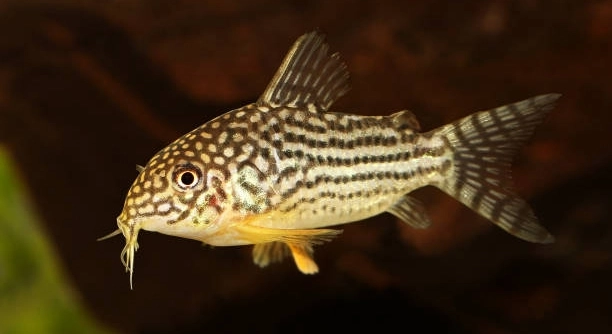
Corydoras catfish are popular in home aquariums for their peaceful nature. However, if you’ve noticed yours darting to the surface, you might be curious about what’s going on. Understanding this behavior can help you take better care of your fish.
The most common reason for your Corydoras catfish darting to the surface is poor water quality or low oxygen levels. In response, they may rise to the surface to gulp air or escape an uncomfortable environment.
This article will explain the possible reasons behind this behavior and how you can improve your catfish’s well-being.
Poor Water Quality
When the water in your tank becomes dirty or polluted, your Corydoras catfish may dart to the surface to find cleaner oxygenated water. Ammonia, nitrite, and nitrate build-up can make the water toxic, which stresses the fish and affects their behavior. High levels of these toxins can cause respiratory issues, leading them to rise to the surface for air.
Frequent water changes and proper filtration are essential to keep the environment safe for your fish. If water parameters like pH, hardness, and temperature are not within the ideal range, it may further contribute to their stress.
To avoid this, regularly test the water using an aquarium test kit. Ensure your filtration system is working well and clean it periodically. You should also consider adding live plants to help maintain a balanced environment. Keeping the tank clean and the water parameters stable will reduce the need for your fish to dart to the surface.
Low Oxygen Levels
If the oxygen in your tank is low, Corydoras will seek the surface to breathe more easily. Oxygen depletion can occur due to poor water movement or overcrowding.
You can fix this by adding an air pump or increasing water flow. A bubbler or surface agitation can help oxygenate the water, ensuring your fish get the oxygen they need.
Inadequate Tank Size
A tank that is too small for your Corydoras can stress them out, causing them to dart to the surface. Corydoras are active fish that need room to swim comfortably. If they feel cramped, they may seek the surface for a sense of safety or space.
A minimum of 20 gallons is generally recommended for a group of Corydoras. Keeping them in a tank that is too small can lead to poor water quality and heightened stress. A larger tank provides them with better oxygen levels, more stable water conditions, and room to explore.
If your Corydoras are darting to the surface and your tank is small, consider upgrading to a larger setup. This will not only reduce their stress but also create a healthier environment for all your fish. Proper space helps maintain stable water parameters and ensures your Corydoras thrive.
Temperature Fluctuations
Corydoras are sensitive to temperature changes. Sudden shifts in water temperature can stress them, and they may dart to the surface to find a more comfortable spot. Maintaining a stable temperature is essential for their well-being.
The ideal temperature for Corydoras ranges from 72°F to 78°F (22°C to 26°C). Using a reliable aquarium heater and thermometer can help maintain consistent conditions. Avoid placing the tank in areas with frequent temperature changes, like near windows or air vents.
If the water temperature fluctuates too much, your fish may become stressed, and their behavior could change. Keeping a stable temperature will ensure that they stay calm and healthy. This stability also supports better digestion, oxygen levels, and overall comfort for your Corydoras.
Overcrowding
Overcrowding in the tank can lead to stressed Corydoras that may dart to the surface in search of a more comfortable environment. When there are too many fish, oxygen levels drop, and waste builds up quickly, creating an uncomfortable atmosphere.
Reducing the number of fish in your tank will help ensure that Corydoras have enough space to swim freely and access to clean water. Proper stocking densities can prevent stress and improve water quality.
To avoid overcrowding, stick to the recommended tank size for the number of fish you plan to keep. Also, provide plenty of hiding spots, as they can help reduce stress in a crowded environment.
Poor Water Movement
Corydoras prefer gentle water movement, so if the water in your tank is too still or too turbulent, they might head to the surface. These fish feel more comfortable in areas with slower currents, which they use to navigate.
Adjust your filter or use a sponge filter to create mild water movement that mimics their natural habitat. This can help your Corydoras feel more at ease and avoid unnecessary stress. If your filter causes strong currents, use flow diffusers to break it up and create calmer zones in the tank.
Aggressive Tankmates
Corydoras are peaceful, but they can get stressed if housed with overly aggressive fish. Tankmates that chase, nip, or bully them may cause Corydoras to dart to the surface in an attempt to escape.
To reduce stress, choose compatible tankmates that are calm and non-aggressive. This will create a more peaceful environment where your Corydoras can thrive without the constant pressure of dealing with aggressive fish. Keep an eye on your tank’s social dynamics and remove any aggressive fish to maintain harmony.
FAQ
Why do my Corydoras only dart to the surface at night?
Corydoras are typically more active at night, as they are nocturnal feeders. If they are darting to the surface during nighttime, it may be because they are looking for food or oxygen. Lower oxygen levels or poor water quality can lead to this behavior. Ensure the tank is properly aerated and that water quality is maintained. If the issue persists at night, check your filtration system and consider increasing aeration to ensure your fish are comfortable.
How can I fix low oxygen levels in my tank?
To fix low oxygen levels, you can increase water movement by adding a sponge filter, air pump, or powerhead. This helps oxygenate the water and gives your Corydoras more access to air. Another way is to add live plants, which produce oxygen, especially during daylight. Also, avoid overcrowding the tank, as too many fish can deplete oxygen levels. Regular water changes can help keep the oxygen levels balanced and ensure a healthy environment for your fish.
Can I add other fish with my Corydoras?
Yes, but it’s important to choose peaceful tankmates that won’t stress or bully your Corydoras. Avoid aggressive species that might chase or nip them. Ideal companions for Corydoras include peaceful species like tetras, guppies, and small barbs. Always consider the temperament of your fish and make sure they share similar water requirements. If you notice aggression in your tank, it’s a good idea to separate the aggressive fish to maintain a calm environment for your Corydoras.
Should I be concerned if my Corydoras is constantly at the surface?
Yes, constant darting to the surface could indicate a problem with water quality, oxygen levels, or stress. It’s essential to check the water parameters regularly to ensure they’re within the ideal range. If the issue persists, consider adding an air pump or improving your filtration system. If your tank is overcrowded or your Corydoras is housed with aggressive tankmates, try to address these issues as well to reduce stress and provide a more comfortable environment.
How do I prevent my Corydoras from darting to the surface?
To prevent this behavior, maintain good water quality with regular water changes and a proper filtration system. Ensure the tank has enough space for your Corydoras to swim and avoid overcrowding. Keep water temperature stable, and check oxygen levels regularly. If needed, use an air pump or sponge filter to increase oxygen and water movement. Additionally, avoid keeping aggressive fish with your Corydoras to reduce stress. A well-maintained tank with balanced conditions will help keep your Corydoras comfortable and prevent them from darting to the surface.
What is the ideal water temperature for Corydoras catfish?
Corydoras prefer water temperatures between 72°F and 78°F (22°C to 26°C). Maintaining a stable temperature within this range is crucial for their health and comfort. Use a reliable aquarium heater to regulate the temperature, and avoid sudden fluctuations, as Corydoras are sensitive to temperature changes. A stable and consistent temperature will reduce stress and encourage natural behaviors.
How do I know if my Corydoras is stressed?
Stressed Corydoras may show signs like darting to the surface, hiding more than usual, or becoming less active. They may also exhibit rapid breathing or clamped fins. If you notice these signs, it’s important to evaluate water quality, oxygen levels, tank size, and tankmates. Stress can be caused by poor water conditions, overcrowding, temperature fluctuations, or aggressive tankmates. Addressing these factors will help reduce stress and improve the health of your Corydoras.
Can poor water quality affect the lifespan of my Corydoras?
Yes, poor water quality can significantly impact the lifespan of your Corydoras. High levels of toxins such as ammonia, nitrites, and nitrates can cause respiratory issues, weaken their immune system, and lead to other health problems. It’s essential to maintain good water quality through regular water changes, proper filtration, and testing the water parameters. A clean and stable environment will promote a longer, healthier life for your Corydoras.
Why is my Corydoras not swimming around like usual?
If your Corydoras is not swimming around, it could be due to several factors, such as stress, illness, or poor water quality. Check the water conditions, including oxygen levels, pH, and temperature. If these are not optimal, your Corydoras may become lethargic or hide more. Illness can also cause this behavior, so observe your fish for any signs of disease. If your Corydoras continues to show unusual behavior, consider isolating it for closer observation or consulting a veterinarian specializing in fish.
Is it normal for Corydoras to gulp air at the surface?
Yes, Corydoras can gulp air at the surface, but it should not be excessive. These fish have specialized breathing organs called “labyrinth organs” that allow them to take in air from the surface. However, if they are constantly gulping air, it could indicate low oxygen levels or poor water quality. In such cases, it’s important to check the water conditions and increase aeration in the tank. Regular water changes and a good filtration system can also help maintain healthy oxygen levels.
Final Thoughts
Understanding why your Corydoras catfish dart to the surface is crucial for maintaining a healthy environment in your tank. Most of the time, this behavior is a sign that something is off in their surroundings. Common causes include poor water quality, low oxygen levels, or tank overcrowding. It’s important to observe their environment and make sure it is stable. Corydoras thrive in clean, well-maintained water with enough space to swim and access to proper oxygen. By addressing the root cause of their behavior, you can improve their overall well-being and reduce stress.
Maintaining good water quality is one of the most important steps in keeping your Corydoras happy. Testing the water for ammonia, nitrites, and nitrates regularly will help you spot any issues before they become a problem. Also, keeping the water temperature stable and making sure there is enough oxygen will keep your fish comfortable. Aerating the tank with an air pump or adding live plants can provide extra oxygen and help create a more natural habitat for your fish. Regular water changes and proper filtration will also ensure your fish stay healthy and stress-free.
If your Corydoras are constantly darting to the surface despite addressing water quality, it might be time to consider other factors. Check the tank size and ensure it’s large enough for the number of fish you have. Overcrowding can quickly lead to stress and poor water quality, both of which contribute to surface-darting behavior. Also, monitor your tankmates to ensure no one is bullying or stressing out your Corydoras. Providing a peaceful, spacious, and clean environment will help your fish feel more secure and reduce any anxious behavior. With a little care and attention, your Corydoras will thrive and show their true, peaceful nature.

Hello,
If you enjoy the content that we create, please consider saying a "Thank You!" by leaving a tip.
Every little bit helps us continue crafting quality advice that supports the health, happiness, and well-being of pets around the world, for pets of all shapes, sizes, and species.
We really appreciate the kindness and support that you show us!