
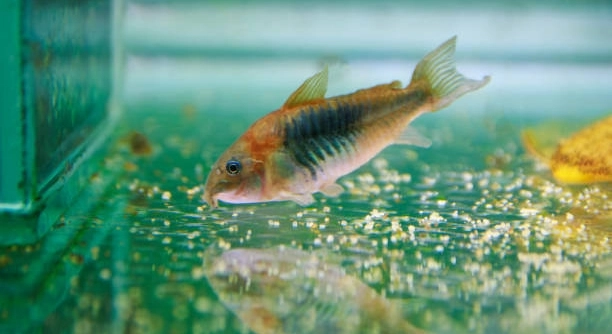
Is your Corydoras catfish spending more time hiding than swimming near the glass like it used to? This sudden change can be confusing, especially if you’re doing everything the same as before.
The most common reason your Corydoras catfish is avoiding you is stress caused by environmental changes. These can include poor water quality, lack of hiding spots, sudden movements near the tank, or aggressive tankmates.
Understanding why your Corydoras is acting this way can help improve its well-being and your bond. Let’s look at the most likely reasons behind this behavior.
Your Corydoras Feels Unsafe in Its Environment
Corydoras catfish are naturally shy and peaceful. When their tank doesn’t feel safe, they tend to hide more often. This can happen if there are not enough hiding spots, if the lighting is too bright, or if aggressive fish share the same space. These small catfish do best in groups of their own kind and in well-decorated tanks that mimic their natural environment. If your tank is mostly bare or constantly disturbed, your Corydoras may retreat to corners or behind decorations. Loud noises, sudden movements, or frequent tank changes can also cause them to act this way. Stress like this can impact their health, so it’s important to create a peaceful space. Add plants, caves, and keep them in a group of at least six. A quiet spot with dim lighting and calm tankmates helps them feel at ease.
A safe space makes it more likely your Corydoras will swim out in the open.
When your Corydoras feels secure, it shows more natural behavior. It will explore, forage for food, and interact with other fish. Improving the tank setup can help your fish feel more relaxed. Watching your catfish swim freely is a sign that your setup is working.
Poor Water Quality Is Making It Uncomfortable
Bad water quality affects the health of all aquarium fish, and Corydoras are especially sensitive. If the water parameters are off, they may retreat and avoid interacting. This behavior helps them conserve energy and avoid further stress. Ammonia, nitrite, and high nitrate levels can all cause discomfort. Even sudden changes in temperature or pH can lead to hiding or inactivity. Performing regular water tests is key to keeping your Corydoras healthy. Water changes, proper filtration, and a stable environment all play a part in keeping your tank clean and livable. If your fish are suddenly hiding more than usual, it might be time to check the water.
Maintaining a clean tank is one of the best ways to support healthy behavior. Corydoras breathe partly through their intestines, which means they gulp air from the surface. Dirty water with poor oxygen levels can make this hard for them. A tank with good oxygen flow and proper filtration helps them breathe easier and stay active. Aim for weekly water changes and keep the bottom of the tank free from waste build-up. Since Corydoras are bottom dwellers, clean gravel or sand is also important. Avoid overfeeding, as uneaten food will rot and affect the water. Keep an eye on water temperature and pH, and always condition new water before adding it to the tank.
Your Corydoras Is New to the Tank
New Corydoras often take time to adjust. During this period, they may hide or stay away from activity. This is normal and usually improves once they become familiar with their surroundings and feel more secure in the tank environment.
In the first few days, a new Corydoras might seem distant or inactive. This behavior happens because it’s adapting to unfamiliar sounds, water chemistry, tank mates, and layout. Try not to disturb the tank during this adjustment period. Let it get used to the routine of feeding, lighting, and daily activity. Avoid tapping the glass or chasing it with a net, as that can delay the settling-in process. Instead, keep the lighting soft and reduce loud noises around the tank. Make sure the tank has enough plants and hiding areas where the fish can feel safe while it adjusts.
After a week or two, your Corydoras should start feeling more at home. You’ll likely see it swimming more openly, foraging on the bottom, and joining any other Corydoras if it’s not alone. If it continues to avoid interaction beyond this adjustment time, it may be reacting to water quality, tank mates, or lack of proper shelter. Observation and patience help guide you to the next step. Keep monitoring for changes in behavior, appetite, and movement. A peaceful, stable setup gives the best results.
It’s Being Kept Alone
Corydoras are social fish and prefer to live in groups. When kept alone, they may become inactive and withdrawn. They communicate through touch and behavior with their own species, so being isolated often causes stress.
Keeping a single Corydoras can lead to loneliness and changes in activity. These fish rely on group signals to feel safe. A group of six or more allows them to express natural behavior like schooling, playing, and exploring the tank. Without companions, a single Corydoras often spends most of its time hiding. This may be mistaken for shyness, but it’s actually a sign of discomfort. Group living reduces fear and creates a stronger sense of safety. If you notice your fish becoming livelier when others are around, it’s a clear sign that it needs social contact. Adding more Corydoras of the same species will likely bring out healthier, more interactive behavior.
The Tank Is Too Bright
Corydoras catfish prefer dim lighting. Bright tank lights can make them feel exposed and unsafe, causing them to hide more often. Using floating plants or adjustable lighting can help create a more comfortable and shaded environment.
Bright lights can also stress them out during feeding time. When the lighting is too strong, they may avoid open areas even when food is available. A more shaded setup helps them feel confident enough to come out and forage.
It’s Reacting to Sudden Movements Outside the Tank
Sudden movements near the tank can cause Corydoras to hide quickly. These small fish are sensitive to motion, especially if it’s frequent or unexpected. Loud noises, fast hand gestures, or people constantly walking past the tank can make them feel unsafe. Try placing the tank in a quieter spot with less activity. Move slowly when you’re near the tank, especially during feeding or maintenance. If your Corydoras starts swimming out more during calm moments, that’s a sign the environment is becoming less stressful.
It’s Not Feeling Well
Illness or discomfort can cause a Corydoras to isolate itself. Hiding more than usual may be an early sign something is wrong.
FAQ
Why is my Corydoras hiding all the time?
Corydoras catfish are naturally shy and spend a lot of time hiding in their natural habitat. If your fish is hiding more than usual, it could be stressed. Common causes include poor water quality, sudden tank changes, aggressive tankmates, or insufficient hiding spots. Ensure the water is clean, and the tank has enough plants and caves to provide shelter. If the tank is too noisy or there’s too much activity outside the tank, your fish may retreat to feel safer.
Is it normal for my Corydoras to stay at the bottom of the tank?
Yes, Corydoras are bottom-dwelling fish. They spend most of their time near the bottom, where they search for food. This is normal behavior, as they are natural scavengers. If they are hiding or not moving much, it could be a sign of stress, illness, or poor water conditions. Make sure the bottom of the tank is clean and has enough hiding places to help them feel secure.
Can my Corydoras get along with other fish?
Corydoras are peaceful and usually get along well with other non-aggressive fish. However, they may become stressed if housed with overly aggressive tankmates. Avoid keeping them with fish that chase or nip at them. A peaceful community tank with calm fish like tetras or other bottom-dwellers is ideal. The more peaceful the tank, the more likely your Corydoras will feel comfortable and interact.
Why is my Corydoras swimming erratically?
Erratic swimming could indicate that your Corydoras is stressed or unwell. It could be a sign of poor water quality, disease, or injury. If the swimming is accompanied by other symptoms like discolored fins or a lack of appetite, it’s important to check the water parameters and inspect the fish closely for signs of illness. Consider doing a water change and treating the tank if necessary.
Should I add more Corydoras to my tank?
Yes, Corydoras are social fish and thrive in groups. They feel safer and more comfortable when kept with at least five or six of their own kind. In groups, they interact and display more natural behaviors. A solitary Corydoras may become stressed, leading to more hiding and less activity. If you have only one Corydoras, consider adding more to improve its well-being.
How can I tell if my Corydoras is stressed?
Stress in Corydoras can be identified by several signs: hiding more often, reduced activity, loss of appetite, and swimming erratically. You may also notice them rubbing against objects or the substrate, which could indicate irritation or discomfort. To help reduce stress, improve water quality, ensure the tank has enough hiding places, and limit disruptions or loud noises around the tank.
What is the best water temperature for Corydoras?
Corydoras catfish prefer water temperatures between 72°F and 78°F (22°C to 25°C). Water that is too hot or too cold can cause stress and make them more prone to illness. Keep the temperature stable, as fluctuations can lead to discomfort. Use a reliable aquarium heater if necessary and check the temperature regularly.
How often should I feed my Corydoras?
Corydoras should be fed once or twice a day, offering small amounts of food they can consume in a few minutes. Overfeeding can lead to poor water quality, which can cause stress or illness. Offer a balanced diet that includes sinking pellets, live or frozen food like bloodworms, and occasional vegetable matter. Make sure the food reaches the bottom of the tank where they can forage.
Can Corydoras live with shrimp?
Yes, Corydoras generally get along well with shrimp. They won’t typically bother or hunt small shrimp. However, you should make sure your shrimp are large enough to avoid being accidentally eaten, as small shrimp may be seen as food. Both species benefit from a peaceful tank with hiding spots and clean water.
What kind of substrate is best for Corydoras?
Corydoras are bottom-dwellers and have sensitive barbels around their mouths. A smooth, fine substrate like sand is ideal for them, as rough gravel can damage their barbels. Avoid sharp-edged materials, and make sure the bottom of the tank is clean. Sand mimics their natural environment, allowing them to sift through it without harm. Regular maintenance of the substrate is important to avoid waste buildup that could affect water quality.
How can I improve my Corydoras’ tank setup?
To create a better environment for your Corydoras, focus on water quality, tank decor, and lighting. Ensure the water is clean, with a proper filtration system and stable parameters. Add live plants, caves, and rocks to provide shelter and mimic their natural habitat. Keep the lighting low to reduce stress, and avoid placing the tank in high-traffic areas. A well-maintained, peaceful setup will encourage your Corydoras to feel safe and active.
Why is my Corydoras turning pale or losing color?
If your Corydoras is turning pale, it could be a sign of stress, poor water quality, or illness. Stressors such as high ammonia levels, poor tank conditions, or aggressive tankmates can cause this change. Monitor the water quality, perform water changes, and inspect your fish for any signs of illness. If the pale coloring persists, consider consulting an aquarium professional for advice.
How can I tell if my Corydoras is pregnant?
Female Corydoras may appear slightly larger and rounder when carrying eggs. They may also spend more time near male fish, who will attempt to court them. However, Corydoras do not give birth to live young, and the eggs will need to be cared for separately to hatch. If you notice eggs, remove them from the tank to prevent them from being eaten.
Final Thoughts
Corydoras catfish are generally calm and peaceful creatures, but there are times when they may appear to be avoiding interaction. If your Corydoras seems to be hiding more often or swimming erratically, it’s important to look closely at the environment and its overall condition. A variety of factors can cause these changes in behavior, such as stress, poor water quality, or an unsuitable tank setup. Understanding these reasons can help you take the right steps to improve their environment, reduce stress, and support their well-being. In most cases, Corydoras just need a little time and adjustment to feel comfortable again.
A stable and well-maintained tank is key to keeping Corydoras healthy and active. Regular water changes, proper filtration, and monitoring water parameters can prevent many of the issues that cause stress. Additionally, adding hiding spots like plants or caves can help your Corydoras feel secure. If the tank has other fish, it’s essential to make sure they are compatible. Avoid keeping aggressive species that may intimidate or harm your Corydoras. Social interaction with other Corydoras is also crucial, as these fish thrive in groups. A peaceful, well-decorated tank will allow your Corydoras to show their natural behavior and feel more confident.
By paying attention to the needs of your Corydoras, you can create an environment where they are happy and healthy. If they seem to be avoiding you, don’t worry—it’s likely just a sign of stress or discomfort that can be fixed with a few changes. With a bit of patience and the right care, your Corydoras will become more comfortable and start showing their true colors again. Keep monitoring their behavior, adjust the tank conditions when needed, and ensure a calm, peaceful environment, and you’ll see improvements over time.

Hello,
If you enjoy the content that we create, please consider saying a "Thank You!" by leaving a tip.
Every little bit helps us continue crafting quality advice that supports the health, happiness, and well-being of pets around the world, for pets of all shapes, sizes, and species.
We really appreciate the kindness and support that you show us!