
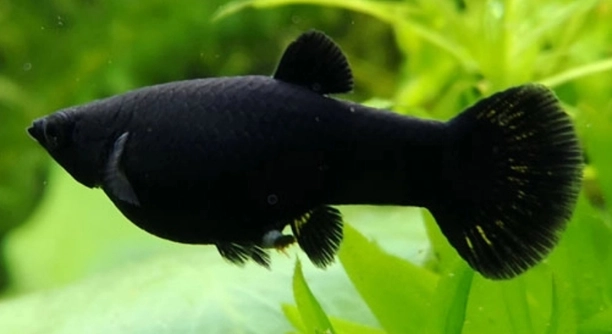
Are your black molly fry dying despite your best efforts to care for them? Watching these tiny fish struggle can be frustrating and discouraging, especially when you want them to grow strong and healthy in your aquarium.
The primary reasons black molly fry die include poor water quality, overfeeding, inadequate hiding spaces, temperature fluctuations, insufficient nutrition, aggressive tank mates, and genetic weaknesses. Addressing these factors systematically can significantly improve fry survival and growth rates.
Understanding these causes will help you create a safer environment for your fry and improve their chances of thriving in your aquarium.
Poor Water Quality
Black molly fry are extremely sensitive to their environment. Even minor changes in water parameters can cause stress, making them more prone to disease and death. High ammonia or nitrite levels, sudden pH shifts, and uncycled tanks are common issues. Regular water testing is essential to maintain stability. Frequent partial water changes can help remove harmful toxins and prevent the buildup of waste. Avoid overcrowding, as it increases waste production and reduces water quality. Using a sponge filter provides gentle filtration suitable for delicate fry. Dechlorinated water is necessary because chlorine and chloramines can harm young fish. Keeping the tank clean, monitoring parameters, and maintaining consistency in water conditions can dramatically increase fry survival.
Water temperature, pH, and cleanliness must remain stable to ensure your fry survive and grow.
Maintaining ideal water quality involves consistent monitoring and small adjustments rather than sudden changes. Sudden temperature swings or chemical shocks can be fatal. Observing the fry’s behavior provides clues—lethargy, gasping at the surface, or unusual swimming patterns indicate stress. A dedicated water maintenance routine ensures the tank remains safe, encouraging healthy growth and development.
Overfeeding
Overfeeding black molly fry can quickly foul the water, leading to high ammonia levels.
Excess food decays in the tank, creating toxins that harm the fry. Feed only small amounts that can be consumed quickly.
Overfeeding not only pollutes the water but also affects fry health. Large quantities of uneaten food decompose rapidly, increasing ammonia and nitrite levels, which are highly toxic. This can weaken the fry’s immune system, making them more susceptible to infections. Feeding multiple small portions rather than one large meal reduces waste. Additionally, uneaten food encourages harmful bacteria and algae growth, which can further destabilize the tank. Carefully observing the fry during feeding ensures they get enough nutrition without leaving leftovers. Consistent, measured feedings help maintain water quality and provide balanced nutrition, giving black molly fry the best chance to grow and thrive in a controlled environment.
Inadequate Hiding Spaces
Fry need places to hide from stronger tank mates. Open tanks leave them exposed, increasing stress and mortality.
Providing plants, breeding nets, or small decorations gives fry shelter. Hiding spaces reduce aggression and create a safer environment, helping them grow.
Without adequate cover, fry are constantly stressed and may avoid feeding properly. Dense plants or floating moss allow them to escape larger fish while still accessing food. Creating multiple small hideouts ensures that fry can move freely and find refuge when needed. This setup mimics a natural environment, giving them security and encouraging normal behavior. Observing the tank, you’ll notice fry exploring these areas more confidently, which leads to healthier growth and higher survival rates.
Temperature Fluctuations
Black molly fry are sensitive to sudden changes in water temperature. Rapid shifts can shock their system and lead to death. Maintaining a steady temperature is critical for survival and growth.
Use a reliable heater and thermometer to keep water stable between 24–28°C (75–82°F). Avoid placing the tank near drafts, direct sunlight, or heating vents, as these can cause fluctuations. Temperature swings stress fry, weaken their immune system, and slow development. Consistent warmth promotes proper metabolism and activity, allowing fry to feed efficiently.
Gradual acclimation is important when adjusting temperature for any reason. Small daily changes prevent shock. Combining stable temperature with good water quality and proper nutrition creates an environment where fry can thrive. Monitoring conditions closely allows immediate correction of problems before they affect survival. Fry in a stable environment are more active, feed better, and grow stronger, reducing mortality significantly.
Insufficient Nutrition
Young black molly fry require frequent, small meals of high-quality food. Inadequate nutrition slows growth and weakens immunity.
Specialized fry food or finely crushed flakes provide essential nutrients. Feeding too little or too infrequently can lead to stunted development and higher mortality.
Aggressive Tank Mates
Larger or more aggressive fish may harm or eat fry. Keeping fry separate from aggressive tank mates is essential for survival.
Genetic Weaknesses
Some fry inherit vulnerabilities from their parents, making them more prone to disease or deformities. Selective breeding and healthy parent fish reduce these risks.
Overcrowding
Overcrowding increases competition for food and oxygen, stressing fry. Limiting the number of fry per tank promotes healthier growth and survival.
FAQ
Why are my black molly fry dying so quickly?
Most often, fry die due to poor water quality, sudden temperature changes, overfeeding, or lack of proper hiding spaces. Even small shifts in ammonia, nitrite, or pH levels can stress them. Observing tank conditions carefully and making slow, consistent adjustments can prevent sudden deaths.
How often should I feed black molly fry?
Fry need frequent, tiny feedings, usually 2–4 times per day. Overfeeding leads to decaying food, which pollutes the water, while underfeeding slows growth. Using specialized fry food or finely crushed flakes ensures they receive the nutrients necessary for healthy development.
What kind of hiding spaces do fry need?
Dense plants, moss, or small decorations are ideal. Fry feel safer when they can quickly hide from larger fish or more active tank mates. Multiple small shelters across the tank allow them to explore freely without constant stress.
Can temperature really affect fry survival?
Yes, sudden temperature swings shock fry and weaken their immune system. Keep water steady between 24–28°C (75–82°F) using a reliable heater and thermometer. Avoid drafts, direct sunlight, or proximity to heating vents to maintain a stable environment.
Do I need a separate tank for fry?
Separating fry from adult or aggressive fish is highly recommended. Fry nets, breeder boxes, or a dedicated nursery tank reduce the risk of predation and stress, giving young fish the best chance to grow strong.
What is the best food for black molly fry?
Specialized fry food or finely crushed flakes are best. Baby brine shrimp, micro worms, and powdered fry formulas provide essential proteins and nutrients. Avoid large particles, as fry cannot eat them and leftover food can foul the tank.
How much water change is safe for fry?
Small, frequent water changes are ideal, typically 10–20% daily or every other day. Large water changes can cause sudden shifts in parameters, which may stress or kill fry. Always use dechlorinated water and match temperature closely to prevent shock.
Can genetics affect fry survival?
Yes, fry from weak or inbred parents are more prone to disease and deformities. Healthy parent fish and selective breeding reduce genetic vulnerabilities and increase the chances of strong, healthy fry.
How do I know if fry are stressed?
Signs include lethargy, hiding excessively, gasping at the surface, or erratic swimming. Stress weakens their immune system, making them vulnerable to disease. Adjusting water quality, food, and tank setup can help fry recover.
Is it normal for some fry to die even with good care?
Yes, a small percentage of fry may not survive due to natural factors. While most deaths can be prevented, occasional loss is normal. Focus on providing stable conditions, proper nutrition, and a safe environment to maximize survival.
Can overfeeding really kill fry?
Absolutely. Excess food decomposes quickly, raising ammonia and nitrite levels. Even with good filtration, uneaten food can poison fry. Feeding tiny portions they can finish in a few minutes helps maintain water quality and ensures proper nutrition.
How long does it take for black molly fry to grow?
Fry grow steadily over the first few weeks with proper care. Most reach juvenile size in 6–8 weeks, depending on water quality, temperature, and feeding consistency. Healthy fry show active swimming, frequent feeding, and gradual color development during this period.
Should I add live plants for fry?
Yes, live plants improve water quality, provide hiding spots, and offer surfaces for microfauna that fry can nibble. Fast-growing plants like hornwort or java moss work well and reduce stress by creating a more natural environment.
What is the ideal tank size for fry?
A small nursery tank around 10–20 gallons is sufficient for limited fry batches. Larger tanks are better for bigger groups, but overcrowding should be avoided. Adequate space reduces stress, ensures enough oxygen, and allows fry to grow uniformly.
Can I use a sponge filter for fry?
Yes, sponge filters are gentle and safe. They provide filtration without strong currents that could sweep fry away. Combined with partial water changes and careful monitoring, sponge filters help maintain clean, stable water.
How often should I test water for fry?
Daily testing for ammonia, nitrite, and temperature is recommended, especially in the first few weeks. pH and hardness should be monitored regularly. Frequent checks allow quick corrections before conditions become dangerous for fry.
Do fry need live food only?
Not exclusively. While live food boosts growth, powdered or crushed fry flakes are convenient and nutritious. Offering a mix of live and prepared food ensures balanced nutrition while keeping water cleaner.
Can I keep different fish species with black molly fry?
It’s risky. Aggressive or larger fish may eat or stress fry. If combining species, ensure plenty of hiding spots and observe interactions closely. Ideally, fry should remain in a separate tank until large enough to handle tank mates safely.
How do I prevent mold or algae in fry tanks?
Regular water changes, controlled feeding, and moderate lighting help prevent growth. Excess food and debris feed mold and algae, which can harm fry. Cleaning decorations and plants periodically reduces buildup and maintains a healthy environment.
What is the biggest mistake beginners make with fry?
The most common errors are overfeeding, inconsistent water conditions, and keeping fry with adult fish. Attention to small details, patience, and careful monitoring create a safer environment that maximizes survival rates.
How can I encourage fry to eat consistently?
Feed tiny portions multiple times a day, ensuring all food is accessible. Fry often graze slowly, so frequent small meals prevent starvation and reduce leftover food that could pollute the tank. Observing their feeding behavior helps adjust portions as needed.
Are there any signs of illness I should watch for?
Look for lethargy, discoloration, bloating, abnormal swimming, or clamped fins. Early detection allows prompt treatment. Maintaining clean water, stable temperature, and proper nutrition reduces the risk of disease and improves overall survival.
How long should fry stay in a separate tank?
Usually 6–8 weeks or until they are large enough to avoid predation from adult fish. Gradual acclimation to the main tank ensures safe integration and reduces stress.
Can stress alone kill fry?
Yes, persistent stress from poor water, aggressive tank mates, or overcrowding weakens immunity, making fry more prone to disease and death. Reducing stressors and providing safe conditions is essential for survival.
What is the best routine for fry care?
Daily feeding in small amounts, monitoring water quality, performing partial water changes, and observing behavior. Maintaining a consistent schedule helps fry thrive, grow steadily, and reduces mortality.
How do I improve fry survival in small tanks?
Limit the number of fry, use gentle filtration, provide hiding spaces, and maintain stable water conditions. Frequent monitoring and careful feeding prevent common issues that reduce survival.
Is it normal for fry to hide most of the time?
Yes, especially in the first week or two. Hiding reduces stress and predation risk. Providing multiple hiding spots allows them to explore gradually while staying safe.
Can fry survive without live plants?
Yes, but plants help by improving water quality, providing shelter, and offering surfaces for microorganisms fry can eat. Artificial hiding spots can substitute if live plants are not available.
How do I handle sick fry?
Isolate them in a quarantine tank with clean, stable water. Treat with appropriate medications carefully, considering their small size. Prompt action prevents the spread of disease to other fry.
Do fry need special lighting?
Moderate lighting supports plant growth and natural behavior but avoid strong light that stresses fry. A stable light schedule helps regulate activity and feeding patterns.
How often should I clean the tank for fry?
Partial cleaning every day or every other day is ideal. Remove uneaten food, debris, and waste while maintaining water parameters to avoid shocking delicate fry.
Can I mix different ages of fry together?
It’s not recommended. Older fry may outcompete younger ones for food or accidentally harm them. Separating by age ensures fair access to nutrition and reduces stress.
Are there supplements for black molly fry?
Occasionally, liquid vitamins or mineral supplements can help, but a balanced diet with quality fry food is usually sufficient. Overuse can pollute water and harm fry.
How do I prevent overcrowding in fry tanks?
Transfer excess fry to another tank or sell/gift them responsibly. Adequate space ensures proper growth, reduces stress, and minimizes competition for food.
What is the ideal pH for black molly fry?
Maintain pH between 7.0–8.0. Sudden shifts outside this range stress fry and can reduce survival rates. Consistent water conditions are critical.
How do I acclimate fry to a new tank?
Gradually mix tank water with new tank water over several hours. Sudden changes can shock delicate fry, so patience is key during transfers.
Can I use tap water for fry?
Yes, only if it is dechlorinated and parameters are checked. Chlorine and chloramines can kill fry instantly. Always test pH, temperature, and hardness before use.
Is it normal for some fry to grow slower than others?
Yes, variation is natural. Smaller fry may catch up with proper nutrition and stable conditions. Regular monitoring ensures all fry get sufficient food and space.
How do I reduce stress in fry tanks?
Keep water stable, provide hiding spaces, avoid overcrowding, and feed appropriately. Gentle filtration and a calm environment help fry stay healthy.
Can fry survive without a heater?
Only if the ambient temperature stays consistently within 24–28°C (75–82°F). Sudden drops can be fatal, so a heater is generally recommended for stability.
How long should I wait before adding fry to the main tank?
Usually 6–8 weeks or until they are large enough to avoid being eaten. Gradual acclimation reduces stress and increases survival chances.
What is the best water hardness for fry?
Moderate hardness, 10–20 dGH, is suitable. Extreme softness or hardness can stress fry and affect growth. Consistency is more important than exact values.
How do I prevent disease in fry tanks?
Maintain clean water, provide proper nutrition, avoid overcrowding, and isolate sick fry immediately. Consistent care reduces the risk of illness significantly.
Can fry survive in a community tank?
Survival is lower. Small, delicate fry are often eaten or stressed by larger fish. A separate nursery tank ensures higher survival rates and healthier growth.
Are there any signs that fry are ready to move to a larger tank?
Look for consistent size, healthy color, active swimming, and ability to compete for food. Once fry are robust enough, they can join a larger, safer tank.
How do I measure ammonia and nitrite safely?
Use aquarium test kits daily during early growth stages. These kits provide accurate readings and allow timely intervention before water becomes harmful.
Can fry survive in a bare tank?
Yes, but adding hiding spots improves survival and reduces stress. Artificial or live plants help fry feel secure while maintaining water quality.
How important is tank cover for fry?
A secure cover prevents fry from jumping out and reduces exposure to drafts, helping maintain stable conditions and minimizing stress.
Should I remove dead fry immediately?
Yes, dead fry can decay quickly, releasing toxins that harm others. Removing them promptly keeps water clean and safer for the remaining fry.
Can fry survive with fluctuating pH?
No, sudden pH changes stress fry and weaken their immune system. Stable pH within 7.0–8.0 is essential for healthy growth.
How do I handle accidental chemical exposure in fry tanks?
Perform immediate partial water changes, remove contaminants, and monitor fry closely. Rapid action reduces long-term damage and mortality.
Are some black molly strains hardier than others?
Yes, certain strains are more resilient to minor water fluctuations and genetic weaknesses. Choosing robust parent fish increases fry survival.
Can fry survive without a filter?
Small fry can survive briefly, but filtration helps maintain water quality. Sponge filters are ideal because they are gentle and safe.
What is the best water temperature for breeding black molly fry?
Maintain 24–28°C (75–82°F) for optimal breeding and fry survival. Stable, warm water encourages healthy growth.
How do I know if fry are getting enough food?
Healthy fry are active, growing steadily, and show regular feeding behavior. Observe them during meals to ensure all fry are eating.
Can I use tap water additives for fry?
Only if they are safe for small fry and dechlorinate water. Avoid overdosing, as chemicals can easily harm delicate fry.
Should I keep fry in dim light?
Moderate lighting is best. Too bright stresses fry, while too dim may reduce activity and feeding efficiency. Balance is key.
How long does fry care require daily?
Expect 15–30 minutes for feeding, observation, and minor maintenance. Consistency ensures water remains safe and fry thrive.
Can overcrowding cause disease in fry?
Yes, high density increases stress, competition, and waste buildup, making disease outbreaks more likely. Proper space reduces risk.
How do I know if a fry is sick or injured?
Signs include discoloration, abnormal swimming, fin damage, or lethargy. Prompt isolation and treatment prevent spreading illness.
Is it normal for fry to cluster in one area?
Yes, often near food or hiding spots. Clustering is natural and helps them feel secure while minimizing stress.
Can fry survive with fluctuating temperatures at night?
No, even short drops can shock fry. Consistent warmth is necessary, especially in the first few weeks of life.
How do I prevent fry from being eaten by adults?
Use a separate tank, breeding nets, or dense hiding spaces to protect young fry until they are large enough to avoid predation.
Are all fry sensitive to water changes?
Yes, sudden changes stress fry. Partial, gradual changes are safer than large water replacements.
Can fry survive in soft water?
They can, but extremely soft water may slow growth or cause stress. Moderate, consistent water hardness is ideal.
How important is oxygen for fry survival?
Very important. Fry are small and sensitive to low oxygen levels. Gentle aeration or sponge filters help maintain adequate oxygen.
Should I feed live food exclusively?
No, a mix of live and powdered fry food ensures balanced nutrition while keeping water cleaner and safer.
Can fry survive in a tank with a heater failure?
Only if ambient temperature remains stable. Sudden drops can be fatal, making backup heating or monitoring essential.
How do I prevent overcrowding during breeding?
Transfer excess fry to a separate tank or sell/gift responsibly. Adequate space ensures healthy growth and reduces stress.
Is it okay if fry don’t eat immediately?
Yes, fry may take a few hours to adjust to feeding. Monitor closely to ensure they eventually consume food.
How can I improve fry growth rates?
Provide stable water, frequent small meals, hiding spots, and minimal stress. Consistency and attention to detail encourage healthy development.
Do fry need a dark period?
Yes, a regular light-dark cycle reduces stress and helps regulate metabolism. Typically 10–12 hours of light per day works well.
What should I do if many fry die suddenly?
Test water immediately for ammonia, nitrite, pH, and temperature. Remove dead fry, perform partial water changes, and address any environmental issues quickly.
Can fry survive without plants?
Yes, but they benefit from cover, whether artificial or live. Hiding spots reduce stress and improve survival.
Is it normal for fry to swim erratically?
Occasionally yes, especially when startled. Persistent erratic swimming may indicate stress, illness, or poor water quality.
How long until fry can handle adult food?
Usually 6–8 weeks, depending on size. Introduce larger flakes gradually while monitoring consumption and water quality.
Can fry survive with strong currents?
No, strong currents can exhaust or injure fry. Gentle filtration is safer and helps maintain stable water conditions.
How do I keep fry tanks clean without harming them?
Use sponge filters, small siphons, and partial water changes. Avoid aggressive cleaning or vacuuming that could disturb delicate fry.
Are fry sensitive to light flickering?
Yes, sudden or frequent flickering can stress fry. Stable, consistent lighting is best for their health and feeding behavior.
What is the best way to transport fry?
Use a small, temperature-stable container with water from their tank. Avoid sudden temperature or pH changes during transfer.
Can fry survive if water is slightly hard?
Yes, moderate hardness is suitable. Consistency is more important than exact hardness values.
Should I remove uneaten food immediately?
Yes, leftover food decays and produces toxins. Prompt removal maintains water quality and prevents illness.
How do I know when fry are strong enough for community tanks?
Healthy size, color, active swimming, and ability to compete for food indicate readiness for integration with larger, non-aggressive fish.
Can fry survive fluctuating oxygen levels?
No, low oxygen quickly stresses fry. Gentle aeration or sponge filtration helps maintain safe oxygen levels.
Is it normal for some fry to die even with perfect care?
Yes, minor losses are natural. Focus on minimizing preventable issues like water quality, nutrition, and stress to maximize survival.
Can fry survive in a tank without a lid?
Only if the tank is in a controlled environment. Fry can jump or be exposed to drafts, so a lid is safer.
How long should fry feed on live food?
For the first few weeks, live food helps growth, but powdered or crushed flakes can gradually supplement nutrition.
What is the most effective way to reduce fry stress?
Stable water, hiding spots, controlled feeding, and minimal disturbances are key to keeping fry calm and healthy.
Can fry survive in low-light conditions?
Moderate light is better. Too little light may reduce activity and feeding efficiency, affecting growth.
Are fry sensitive to noise or vibrations?
Yes, sudden loud noises or vibrations can stress fry. Keep their environment calm for optimal development.
How do I know if fry are ready for normal feeding schedules?
Once they actively feed on small portions without wasting food, you can transition to a more regular routine while monitoring growth.
Can fry survive with fluctuating hardness?
No, consistency in hardness is important. Sudden changes stress fry and can affect growth or survival.
Should I remove adult fish when fry are born?
Yes
Black molly fry are delicate and require consistent care to thrive. Observing them closely and maintaining stable conditions is essential for their survival. Factors such as water quality, temperature, feeding, and tank setup all play a critical role. Even small changes in ammonia, nitrite, or pH levels can stress fry and increase mortality. Regular water testing, partial water changes, and gentle filtration are simple steps that can significantly improve their chances of growing into healthy adult fish. Providing hiding spaces, such as plants or small decorations, reduces stress and allows fry to feed and explore safely. Fry that feel secure are more active, eat better, and grow faster. Consistency in care, even in small routines like feeding schedules and water maintenance, has a large impact on overall survival rates.
Nutrition is another essential factor in raising black molly fry. Young fish require small, frequent feedings of high-quality food. Specialized fry food, finely crushed flakes, or live foods like baby brine shrimp provide the nutrients needed for proper growth and development. Overfeeding should be avoided because uneaten food decomposes and contaminates the water, leading to dangerous ammonia and nitrite spikes. Conversely, underfeeding slows growth and weakens their immune systems. Observing fry during feeding helps ensure that all individuals are eating and prevents competition from affecting weaker fry. A balanced approach to feeding helps fry develop steadily and reduces the likelihood of stunted growth or early death. Combined with a stable environment, proper nutrition forms the foundation of successful fry care.
Lastly, understanding the natural variability in fry survival can help set realistic expectations. Even with careful attention, some fry may die due to genetic weaknesses or natural causes. While it is impossible to prevent every loss, minimizing stressors and maintaining a safe, clean environment maximizes survival rates. Separating fry from aggressive tank mates, monitoring water conditions, and gradually acclimating them to new environments all contribute to healthier, stronger fish. Over time, observing patterns in fry growth and survival can help refine care practices. By focusing on stable water conditions, balanced nutrition, and thoughtful tank management, raising black molly fry becomes more manageable. With patience, consistency, and attention to detail, it is possible to create an environment where fry have the best chance to grow, thrive, and eventually join a community of healthy adult fish.

Hello,
If you enjoy the content that we create, please consider saying a "Thank You!" by leaving a tip.
Every little bit helps us continue crafting quality advice that supports the health, happiness, and well-being of pets around the world, for pets of all shapes, sizes, and species.
We really appreciate the kindness and support that you show us!