
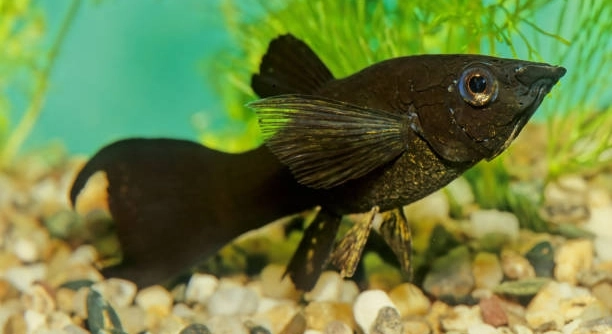
Are your black molly swimming alone more often than usual and avoiding interaction? Sometimes their sudden aloofness can be confusing, especially when they once seemed active and social. Observing their behavior closely can reveal subtle changes.
Black molly often act aloof due to stress, poor water conditions, or insufficient social interaction. Other factors include diet deficiencies, illness, overcrowding, or environmental changes. Recognizing these triggers can help maintain their well-being and prevent further behavioral issues.
Learning the reasons behind their behavior can improve your fish care. Simple adjustments in tank conditions and routines can make a noticeable difference.
Stress and Anxiety
Black molly are sensitive fish, and stress can make them appear distant. Sudden changes in their environment, such as new tank mates or loud noises, can trigger anxiety. Even rearranging decorations or moving the tank slightly can unsettle them. Stress may also arise from improper handling during water changes or overfeeding. Chronic stress affects their immune system, making them prone to illness. Signs of anxiety include hiding, reduced swimming, or refusal to eat. Maintaining a calm, consistent environment helps them feel secure. Observing their reactions to small changes can guide you in minimizing stress. Gentle lighting and stable water temperatures are important. Keeping interactions calm and predictable allows black molly to regain normal social behavior. Regular monitoring of their activity can alert you to early stress, allowing adjustments before it impacts their health.
Stress can be reduced by maintaining stable water and a quiet environment. Regular routines help your molly feel safe.
Addressing stress starts with creating a calm tank. Avoid sudden decorations or new fish without proper acclimation. Water temperature should remain steady, ideally between 72–82°F. Adding plants or hiding spots gives them a sense of security. Feeding small, balanced meals at consistent times supports routine. Limit tapping on the glass or sudden movements nearby. Observing tank conditions for proper pH and ammonia levels prevents unnecessary stress. Social dynamics matter too; overly aggressive tank mates can isolate shy molly. Introducing new fish gradually and monitoring their behavior ensures harmony. Even small adjustments, like gentle lighting or reducing strong water currents, can improve confidence. By understanding stress triggers, you provide a healthier, more stable environment that encourages natural behavior and interaction among black molly.
Poor Water Quality
Dirty or unbalanced water can cause black molly to become withdrawn. High ammonia, nitrites, or sudden pH changes make them uneasy.
Maintaining clean, well-filtered water is essential. Frequent testing and partial water changes prevent long-term issues.
Black molly are highly sensitive to their environment. Even slight fluctuations in water parameters can affect their behavior. Tanks should be cycled properly before introducing new fish. Regular water testing for ammonia, nitrites, nitrates, and pH ensures conditions remain within safe ranges. Partial water changes of 20–30% weekly remove toxins and refresh minerals. Avoid overfeeding, as leftover food decomposes and worsens water quality. Proper filtration is crucial; it should provide gentle flow without stressing fish. Introducing plants helps absorb excess nutrients and provides natural hiding spots. Keeping a stable temperature between 72–82°F prevents shock and supports overall health. By consistently monitoring and adjusting water quality, your black molly will be more active and social, reducing aloof behavior and promoting a healthier tank environment.
Illness and Disease
Sick black molly often hide or swim slowly. Loss of appetite, faded colors, and clamped fins are clear signs. Early detection helps prevent serious health issues.
Illnesses such as fin rot, ich, or bacterial infections can cause aloof behavior. Water quality, stress, and poor diet increase vulnerability. Observing behavior daily helps catch problems early. Quarantining new fish before adding them reduces the risk of spreading disease. Treating infections promptly with appropriate medication improves recovery. Maintaining clean water and avoiding overcrowding strengthens their immune system. A balanced diet with occasional live or frozen food supports overall health and reduces susceptibility to sickness. By watching for subtle changes, you can act quickly and protect your molly.
Regular monitoring is key. Changes in behavior often appear before physical symptoms. Prompt attention can save your fish from serious illness. Maintaining hygiene and avoiding stress are essential preventive measures.
Social Interaction
Black molly are social fish and may seem aloof if isolated. They thrive in small groups of compatible fish.
Lack of companionship can make black molly shy or withdrawn. Mixing them with aggressive species can cause stress and hiding. Observing social behavior helps determine tank compatibility. Regular interaction within a proper group encourages swimming and activity. Providing plants or decorations allows shy fish to feel safe while engaging with others. Group sizes of at least three to five molly generally maintain social balance. Avoid introducing too many new fish at once, as sudden changes can disrupt established social hierarchies. Even minor adjustments in the tank layout can influence interactions, helping molly feel secure and confident. Proper observation and careful planning ensure they remain active and connected with their tank mates.
Overcrowding
Too many fish in one tank can stress black molly. Crowded conditions reduce swimming space and increase competition for food.
Overcrowding also worsens water quality, making maintenance harder. It can lead to aggression and hiding behavior, causing molly to appear aloof.
Poor Diet
A lack of proper nutrition affects energy and behavior. Black molly need a mix of flakes, vegetables, and occasional protein sources. Feeding too little or too much can make them lethargic or withdrawn. Consistent, balanced meals keep them active and engaged in the tank.
Environmental Changes
Sudden changes in light, temperature, or decorations can unsettle black molly. They need a stable environment to feel secure and display normal behavior. Minor adjustments should be gradual to help them adapt without stress.
Why is my black molly hiding all the time?
Hiding is usually a sign of stress, illness, or discomfort. Black molly need secure spots in the tank, but excessive hiding often means something is wrong. Check water quality, temperature, and tank mates. Illness can also make them lethargic, so observing other signs like clamped fins or faded colors is important.
How can I tell if my black molly is sick?
Signs of sickness include faded colors, abnormal swimming, loss of appetite, clamped fins, or visible spots or lesions. Stress and poor water quality increase susceptibility. Quarantining new fish and maintaining clean water helps prevent disease. Prompt treatment with appropriate medication improves recovery and reduces the risk to other fish.
Do black molly need companions?
Yes, black molly are social fish and thrive in small groups of three to five. Isolation can make them shy or withdrawn. Aggressive or overly active tank mates can stress them. Providing a compatible group encourages normal social behavior, swimming, and interaction. Hiding spots allow shy fish to feel safe while still being part of the group.
What is the ideal water condition for black molly?
They prefer clean, stable water with temperatures between 72–82°F. The pH should range from 7.0 to 8.0, and ammonia and nitrites should always be near zero. Regular partial water changes, proper filtration, and monitoring prevent fluctuations that cause stress and aloof behavior. A stable environment encourages active and healthy fish.
Can diet affect their behavior?
Yes, nutrition plays a major role in their energy and activity levels. Black molly need a balanced diet including high-quality flakes, vegetables, and occasional protein like brine shrimp or bloodworms. Overfeeding leads to poor water quality, while underfeeding reduces energy, making them less active and more withdrawn. Consistency in feeding helps maintain normal behavior.
How do I reduce stress in my black molly?
Minimizing sudden changes, loud noises, or overly aggressive tank mates helps reduce stress. Adding plants or decorations provides hiding spots and comfort. Maintaining stable water parameters and feeding routines also supports calm behavior. Observation is key—notice subtle changes and act before stress affects health.
Why do my black molly act aloof after introducing new fish?
New fish can alter the tank’s social balance and hierarchy. Black molly may hide or avoid interaction while adjusting. Gradual introductions, quarantine periods, and monitoring interactions help prevent prolonged stress. Shy or smaller molly may need extra hiding spaces until they feel safe.
Are environmental changes harmful to black molly?
Sudden changes in light, temperature, or tank setup can unsettle them. Even small adjustments should be made gradually to avoid stress. A consistent environment supports normal swimming and social behavior, reducing the risk of aloof or withdrawn activity.
How long does it take for black molly to adjust to new conditions?
Adjustment depends on the individual fish and the extent of changes. Some may adapt within a few days, while others take weeks. Providing a stable, calm environment with hiding spots and proper nutrition accelerates acclimation. Observing behavior daily helps track progress.
Can overcrowding cause aloof behavior?
Yes, too many fish in one tank increases stress and competition. Crowded conditions reduce swimming space and limit access to food. It also worsens water quality, making it harder to maintain a healthy environment. Proper stocking density ensures black molly feel secure and remain active.
What should I do if my black molly remains aloof despite proper care?
Persistent aloofness may indicate hidden illness, incompatible tank mates, or lingering stress. Reevaluate water conditions, diet, and social environment. Quarantining or separating individuals temporarily can help. Consulting an experienced aquarist or veterinarian may be necessary to rule out subtle health issues.
Can lighting affect their behavior?
Yes, sudden changes in light or overly bright lighting can stress black molly. Consistent, moderate lighting mimics natural conditions and encourages normal activity. Dim areas or plants provide refuge for shy fish, helping them feel secure and less withdrawn.
How important are hiding spots in the tank?
Hiding spots are crucial for reducing stress and providing security. Plants, rocks, or decorations allow black molly to retreat when needed, especially if they are shy or recovering from illness. Safe spaces encourage confident swimming and social interaction.
Is it normal for black molly to be less active at times?
Yes, temporary inactivity can occur after feeding, during night hours, or while adjusting to minor changes. However, persistent lethargy combined with hiding or loss of appetite signals stress, illness, or environmental problems that need attention.
Can water temperature changes make them aloof?
Sudden drops or rises in temperature can shock black molly, causing hiding or slow swimming. Maintaining stable water temperature within their preferred range helps prevent stress and supports healthy, active behavior. Gradual changes are key when adjusting tank conditions.
Caring for black molly requires attention to their environment, diet, and social needs. These fish are sensitive to changes and can quickly show signs of stress through aloof behavior. Maintaining stable water conditions is one of the most important steps. Water temperature, pH, and cleanliness directly affect their health and mood. Regular water testing and partial water changes help prevent problems before they start. Keeping the tank at a comfortable temperature, ideally between 72–82°F, and ensuring proper filtration supports a healthy environment. Overcrowding and sudden changes in tank setup can make molly feel insecure, so it’s important to provide enough space and consistent conditions. Simple adjustments, like adding plants or gentle hiding spots, allow shy fish to feel safe while still encouraging normal swimming behavior.
Diet also plays a key role in keeping black molly active and social. They need a balanced mix of high-quality flakes, vegetables, and occasional protein sources such as brine shrimp or bloodworms. Overfeeding can reduce water quality, which in turn stresses the fish, while underfeeding lowers their energy levels and makes them withdrawn. Providing consistent feeding times and monitoring their eating habits can reveal if something is wrong early. A nutritious diet supports their immune system, helping them resist illness and maintain a natural level of activity. When black molly seem aloof, reviewing both their food and feeding routine is an easy way to identify and fix potential issues.
Finally, social interaction and observation are essential parts of molly care. These fish are naturally social and thrive in small groups, but incompatible tank mates can cause stress and hiding behavior. Observing their daily activity and behavior allows you to notice changes before they become serious problems. Illness, poor water conditions, or stress can make them less active, and early action helps prevent long-term effects. By providing a stable environment, proper diet, and careful monitoring, black molly are more likely to display healthy, active, and social behavior. With consistent attention and adjustments as needed, they can feel secure and thrive in their home tank.

Hello,
If you enjoy the content that we create, please consider saying a "Thank You!" by leaving a tip.
Every little bit helps us continue crafting quality advice that supports the health, happiness, and well-being of pets around the world, for pets of all shapes, sizes, and species.
We really appreciate the kindness and support that you show us!