
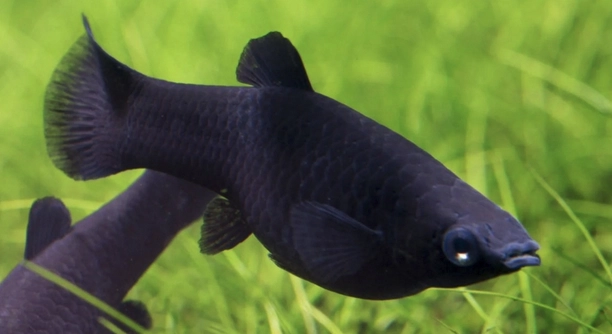
Black Molly fish are gentle, peaceful creatures that brighten home aquariums with their shiny colors. Like many pets, they can experience stress, which affects their behavior and overall health, making it important to notice subtle changes early.
Black Mollies show stress through several behavioral clues, including rapid gill movement, erratic swimming, hiding frequently, loss of appetite, clamped fins, increased aggression, and unusual darting. Identifying these signs early helps ensure proper care and prevents long-term health issues.
Recognizing these signals allows owners to adjust tank conditions and provide a calmer environment, supporting your Black Molly’s well-being and happiness.
Rapid Gill Movement
When Black Mollies feel stressed, one of the first signs is rapid gill movement. You might notice them breathing faster than usual, even when the water seems clean and oxygenated. This behavior often indicates discomfort or poor water quality. Stress can come from overcrowding, sudden temperature changes, or aggressive tank mates. Observing your fish closely is important, because prolonged rapid gill movement can lead to serious health issues. Make sure the tank has proper filtration, and maintain stable water parameters. Regular water testing for ammonia, nitrite, and nitrate levels is essential. Additionally, avoid overfeeding, as decaying food can worsen water quality and increase stress. Providing hiding spots with plants or decorations can help Black Mollies feel safer. Gentle handling and avoiding sudden movements around the tank also reduce stress levels. Taking these steps creates a calmer environment where your fish can thrive without constant agitation or discomfort.
Rapid gill movement signals immediate stress that should be addressed through water quality checks and environmental adjustments.
Monitoring gill movement regularly helps catch early signs of trouble. Adjusting tank conditions promptly prevents illness and supports healthier, calmer Black Mollies in the long run.
Erratic Swimming
Erratic swimming is another key indicator of stress in Black Mollies. Fish may dart around unpredictably, collide with tank walls, or swim in circles for no apparent reason. This behavior often appears when they are startled or uncomfortable with their environment.
Erratic swimming can result from poor water conditions, sudden light changes, or aggressive tank mates. It also appears when the fish feel crowded or lack hiding spots. Maintaining consistent temperature, adding plants or decorations, and limiting stressors can reduce this behavior. Over time, providing a calm and stable environment helps Black Mollies swim naturally. Observing their movement patterns allows owners to identify potential stressors early. By keeping their habitat predictable and safe, you support their overall health and prevent unnecessary strain. Regular feeding, avoiding overcrowding, and gentle tank maintenance are simple ways to encourage normal, relaxed swimming habits. Ensuring a peaceful environment is essential for their physical and emotional well-being, making erratic swimming less frequent and helping your fish feel secure.
Frequent Hiding
Black Mollies hide more than usual when stressed. They may stay behind plants, decorations, or corners of the tank, avoiding other fish and even food. This behavior shows discomfort or fear, often caused by water changes, aggressive tank mates, or sudden disturbances.
Frequent hiding can signal ongoing stress in Black Mollies, especially if it lasts for days. When fish avoid swimming in open areas, they may not get enough food, which can weaken their immune system. Stressful conditions like overcrowding, loud vibrations, or improper water parameters often trigger this behavior. Observing their hiding patterns helps identify the source of stress, whether it’s environmental, social, or related to tank maintenance. Providing enough space, gentle water care, and peaceful companions can encourage them to explore the tank again. Small adjustments in their surroundings often reduce hiding behavior.
Encouraging your Mollies to feel secure requires a balanced approach. Adding hiding spots while ensuring open swimming space reduces anxiety. Regular tank cleaning, stable water temperature, and minimizing sudden movements around the tank support calmer behavior. Over time, fish regain confidence to swim freely and interact normally, improving their overall health and well-being.
Loss of Appetite
A stressed Black Molly may eat less or refuse food altogether. Appetite loss is a common response to uncomfortable conditions or environmental changes, and it can worsen health if ignored.
When Black Mollies stop eating, it often links to water quality issues, temperature fluctuations, or bullying from other fish. They may also lose interest in food if stressed by frequent handling or loud noises near the tank. Ensuring stable water conditions, reducing stressors, and offering familiar food can help restore their appetite. Observation is key—monitor feeding behavior daily to spot changes early and adjust care accordingly.
Persistent loss of appetite can lead to weakened immune systems and make fish more vulnerable to disease. Stress reduction techniques, like adding plants, avoiding overcrowding, and maintaining consistent feeding schedules, encourage normal eating patterns. Using high-quality, nutrient-rich food and feeding small portions multiple times a day can entice reluctant eaters. Over time, a stable and calm environment helps Black Mollies regain regular appetite and maintain energy levels, promoting better health and overall vitality in the tank.
Clamped Fins
Clamped fins are a clear sign of stress in Black Mollies. The fins stay close to the body instead of spreading naturally, indicating discomfort, illness, or poor water conditions.
This behavior often appears alongside other stress signs, such as hiding or reduced appetite. Correcting water quality and maintaining stable tank conditions usually improves fin health.
Increased Aggression
Stressed Black Mollies may become more aggressive toward tank mates. They nip fins, chase other fish, or dominate certain areas of the tank. Environmental stressors like overcrowding, sudden changes, or incompatible species can trigger this behavior. Monitoring interactions and adjusting the tank layout can reduce conflicts and restore peace among fish.
Unusual Darting
Black Mollies may dart suddenly across the tank when stressed. This rapid, erratic movement signals fear or agitation, often caused by loud noises, poor water quality, or sudden disturbances. Consistent care and a calm environment help minimize this stress response.
How can I tell if my Black Molly is stressed?
Stress in Black Mollies can show in several ways. Look for rapid gill movement, clamped fins, frequent hiding, erratic swimming, or loss of appetite. Increased aggression or sudden darting around the tank is also common. Observing changes in behavior over a few days helps identify stress early.
What are the main causes of stress in Black Mollies?
Stress usually comes from the environment. Poor water quality, sudden temperature changes, overcrowding, or aggressive tank mates can all trigger stress. Loud noises or constant disturbances near the tank may also affect them. Even small changes, like rearranging decorations, can make Black Mollies feel unsafe.
How can I improve water quality for my fish?
Regular water testing is essential. Check ammonia, nitrite, and nitrate levels often. Partial water changes help keep water clean and reduce toxins. Using a proper filter and avoiding overfeeding also maintain quality. A stable pH and temperature support overall health. Clean decorations and substrate occasionally to remove buildup.
Is hiding always a bad sign?
Hiding isn’t always negative. Fish use hiding spots to feel secure, but frequent, prolonged hiding indicates stress. If your Black Molly avoids food or interaction for long periods, it’s time to check tank conditions and reduce potential stressors. Balance hiding places with open swimming areas.
Can diet affect stress levels?
Yes, a balanced diet supports a healthy immune system and reduces stress. Offer high-quality flake or pellet food, supplemented with occasional frozen or live foods. Avoid overfeeding, which can pollute the water and trigger stress. Feeding small portions multiple times daily encourages regular eating habits.
What role do tank mates play in stress?
Aggressive or incompatible tank mates can increase stress in Black Mollies. Observe interactions carefully. Separate overly dominant fish or choose peaceful species that coexist well. Providing enough space and hiding spots minimizes conflicts and helps fish feel secure in their environment.
How important is tank size and setup?
Tank size directly impacts stress levels. Overcrowding creates competition for food and territory, leading to aggression and anxiety. Include plants and decorations for hiding spaces, but leave enough open swimming areas. A stable environment with proper filtration and gentle water flow reduces stress significantly.
How long does it take for stressed Black Mollies to recover?
Recovery depends on the severity and cause of stress. Minor stress from environmental changes may resolve in a few days once conditions improve. Chronic stress from poor water quality or bullying may take weeks. Consistent care, stable water, and reduced disturbances promote faster recovery.
Can stress lead to illness in Black Mollies?
Yes, prolonged stress weakens the immune system and makes fish more prone to disease. Signs include faded colors, fin rot, or fungal infections. Early identification of stress and corrective measures can prevent serious health issues and keep your Black Mollies thriving.
What daily care helps prevent stress?
Maintain stable water parameters, provide a balanced diet, monitor behavior, and keep the tank environment calm. Avoid sudden changes and overcrowding. Regular observation helps catch problems early, allowing timely adjustments. Consistency and gentle care keep Black Mollies healthy, active, and less likely to experience stress.
How can I reduce sudden stress triggers?
Minimize loud noises, rapid movements, and abrupt changes in lighting or temperature. Handle the tank gently during cleaning or feeding. Gradual water changes and consistent routines help Black Mollies feel secure. Small adjustments in the environment go a long way in reducing stress triggers.
Are there signs of recovery I should watch for?
Yes, fish start exploring the tank more, eating regularly, and displaying natural swimming patterns. Fins spread naturally, colors return to normal, and interactions with tank mates are calmer. Observing these improvements confirms that your efforts to reduce stress are working effectively.
Black Mollies are delicate and sensitive fish that respond strongly to their environment. Stress can affect their behavior, health, and overall happiness. Paying attention to their actions, such as rapid gill movement, clamped fins, hiding, or erratic swimming, is key to keeping them healthy. Even small changes in the tank, like temperature shifts, overcrowding, or aggressive companions, can cause noticeable stress. Observing these signs regularly helps catch problems early, which is important because prolonged stress can lead to serious health issues. Providing a stable and calm environment is one of the most effective ways to support your Black Mollies’ well-being and ensure they live a longer, healthier life in your care.
Maintaining proper water quality is one of the most critical steps in reducing stress. Black Mollies thrive in clean, well-filtered water with stable parameters. Frequent testing for ammonia, nitrite, and nitrate levels, along with regular partial water changes, prevents harmful conditions from developing. Temperature consistency is equally important, as sudden fluctuations can startle or weaken fish. Overfeeding should be avoided, because leftover food can pollute the water and contribute to stress. Including plants or decorations in the tank gives fish safe places to hide and reduces anxiety, while still allowing space for normal swimming and social behavior. These simple measures, when practiced consistently, create an environment where your fish feel secure and can express natural behaviors.
Stress in Black Mollies can also be influenced by diet and social interactions. A balanced diet with high-quality food strengthens their immune system, making them more resilient to stress. Offering occasional live or frozen foods provides variety and stimulates natural foraging behavior, which can reduce anxiety. Tank mates should be chosen carefully to prevent aggression or overcrowding, and interactions should be monitored to ensure all fish coexist peacefully. Gentle handling during maintenance, minimal disturbances, and a predictable daily routine further reduce stress triggers. By focusing on these aspects—water quality, nutrition, social harmony, and calm surroundings—you create a stable, supportive habitat. Black Mollies respond well to consistent care, and over time, they display healthier behavior, brighter colors, and more active swimming patterns. Attending to their needs thoughtfully ensures they remain lively, content, and a beautiful addition to your aquarium for years to come.

Hello,
If you enjoy the content that we create, please consider saying a "Thank You!" by leaving a tip.
Every little bit helps us continue crafting quality advice that supports the health, happiness, and well-being of pets around the world, for pets of all shapes, sizes, and species.
We really appreciate the kindness and support that you show us!