
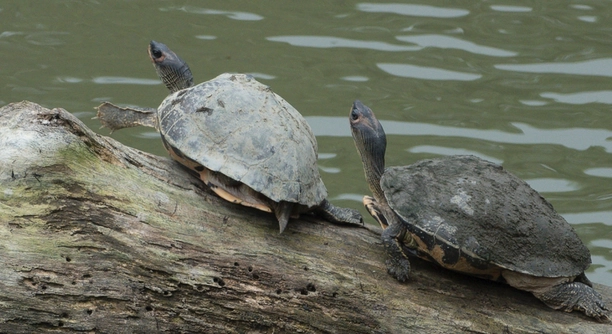
Do you notice your Indian Roofed Tortoise splashing around in its water dish more than usual?
Indian Roofed Tortoises often splash in their water dishes due to their natural instinct to hydrate and cool down. This behavior can also be linked to their need for clean water, playfulness, or stress-related actions.
Understanding why your tortoise engages in this behavior can help ensure it stays happy and healthy. We’ll explore the reasons behind the splashing and offer helpful tips to address it.
Why Does My Tortoise Splash in Its Water Dish?
Indian Roofed Tortoises splash in their water dish for various reasons, most of which are completely natural. One reason could be that they are simply trying to hydrate themselves. Tortoises need access to water regularly to stay hydrated and maintain healthy bodily functions. If the water dish isn’t deep enough, they may splash to ensure they are getting enough water on their skin, which helps them stay cool and hydrated. Additionally, tortoises are naturally curious creatures, and splashing may just be their way of exploring their environment. Some tortoises also splash to play, especially if they are feeling playful or excited.
In some cases, splashing can indicate that your tortoise is stressed or uncomfortable. This could be due to environmental changes, improper habitat conditions, or even a lack of enrichment. If your tortoise suddenly starts splashing more than usual, it might be worth checking its living conditions to ensure everything is optimal.
Understanding why your tortoise is splashing will help you create a better environment for it.
Is the Water Dish Too Shallow?
The depth of your tortoise’s water dish can play a role in its splashing behavior. If the dish is shallow, your tortoise might not be able to submerge itself comfortably. This can lead to excessive splashing as it tries to create the right environment for itself. It’s important to make sure the dish is deep enough for your tortoise to stand in, so it can drink and cool down without splashing too much.
Tortoises naturally spend time in shallow water to help them regulate their body temperature. They may even soak in the water to assist with shedding their skin or alleviate any discomfort. A shallow dish limits this behavior, leading to splashing as the tortoise tries to achieve its goals. When choosing a water dish, consider the size and depth that best supports your tortoise’s needs. If needed, provide a dish large enough to allow for both drinking and soaking.
This small adjustment can make a significant difference in reducing unnecessary splashing.
Environmental Stressors and Their Impact
Splashing can also be a sign that something is wrong with your tortoise’s environment. If your tortoise is not comfortable in its habitat, it may display behaviors like splashing to show distress. This can happen if the temperature is too high or low, or if there are issues with lighting. Tortoises are very sensitive to changes in their surroundings, so maintaining stable conditions is essential. Stress can also result from improper humidity levels, which could make your tortoise feel uncomfortable and cause it to act out by splashing in its water dish.
Another common environmental stressor is noise. Tortoises prefer quiet, calm surroundings and may become stressed if there’s too much movement or loud sounds around their enclosure. To help reduce splashing caused by stress, check the overall environment of your tortoise. Ensure the temperature and humidity levels are correct, the area is quiet, and the space is large enough for your tortoise to move freely.
By addressing these factors, you can help your tortoise feel more secure and reduce the splashing behavior.
Lack of Enrichment or Boredom
If your tortoise is bored, it might splash around as a form of entertainment. Tortoises need physical and mental stimulation, and without it, they may engage in repetitive behaviors like splashing in water. Without enough space or objects to explore, tortoises can become frustrated, which leads to stress-induced behaviors.
Providing your tortoise with some simple enrichment can help. Consider adding hiding spots, climbing structures, or new textures for them to explore. It might also enjoy having a variety of safe plants or branches to interact with. By increasing the complexity of their environment, you give your tortoise the chance to stay active and engaged. Boredom can be avoided when tortoises have more things to focus on than just the water dish.
Incorporating enrichment into your tortoise’s daily life can reduce unwanted splashing and improve its overall health.
Temperature Fluctuations and Their Effects
Temperature plays a huge role in a tortoise’s behavior. If the temperature in the enclosure is fluctuating too much, it could cause your tortoise to splash more frequently. Tortoises rely on consistent heat sources to regulate their body temperature, and an environment that is too warm or cold may lead them to seek out water to cool down or warm up.
If the temperature in the enclosure isn’t stable, your tortoise may feel uncomfortable and may splash to try to adjust its body temperature. It’s important to make sure that the basking area has the right amount of heat and that the cooler area is not too cold. A thermometer can help monitor temperatures to keep things stable and avoid unnecessary splashing.
Making sure your tortoise’s habitat temperature remains consistent will help maintain its well-being and reduce splashing.
Overfeeding or Improper Diet
Overfeeding your tortoise can lead to various behavioral changes, including splashing. When a tortoise eats too much, it may become more active or restless, resulting in it splashing in the water dish. Ensuring a balanced diet with proper portions is essential.
A well-rounded diet helps keep your tortoise healthy and reduces unnecessary stress. Make sure the food is appropriate for its species, and avoid overfeeding. Stick to a schedule and monitor how much your tortoise is eating. This can help prevent any behavior changes like excessive splashing in the water.
Proper Water Quality
Water quality plays a major role in your tortoise’s behavior. Dirty water or water that has not been changed frequently can irritate your tortoise, prompting it to splash or behave differently. Regularly clean the water dish to ensure your tortoise stays comfortable.
Water should be clean and fresh to avoid contamination or bacteria buildup. Tortoises may become stressed if the water is murky or smells bad. Make it a habit to change the water daily and clean the dish thoroughly every few days. This simple step can reduce splashing and ensure a healthier environment.
FAQ
Why does my tortoise splash in its water dish?
Tortoises may splash in their water dish for several reasons. They could be trying to hydrate, stay cool, or engage in playful behavior. Tortoises, like many reptiles, need water to regulate their body temperature, and they may splash to keep their skin moist. It is also a natural behavior for them to use water sources for cooling or relaxation. If your tortoise seems to be splashing more often than usual, check the water quality and the depth of the dish to ensure that it can comfortably drink or soak.
Is it normal for my tortoise to splash a lot?
A certain amount of splashing is normal, but excessive splashing can sometimes indicate a problem. If your tortoise is splashing constantly or appears agitated, it might be dealing with environmental stressors like improper temperature, humidity, or poor water quality. Regular splashing may also be a sign of boredom if the enclosure is not stimulating enough. It’s important to ensure your tortoise’s habitat is ideal for its species and check if its physical or behavioral needs are being met.
How can I stop my tortoise from splashing in its water?
The first step to reduce splashing is ensuring the water dish is the correct size and depth for your tortoise. If it’s too shallow, your tortoise may splash excessively while trying to soak. You can also introduce enrichment activities like climbing structures, hiding spots, and safe plants to prevent boredom. Another key step is maintaining proper water quality by changing the water regularly and cleaning the dish. Finally, check the temperature and humidity in the enclosure to rule out any environmental stressors.
Can my tortoise’s splashing be a sign of stress?
Yes, splashing can sometimes be a sign of stress. Tortoises are sensitive creatures, and sudden changes in their environment can lead to behaviors like splashing. Temperature fluctuations, noisy surroundings, or a lack of proper space and hiding spots can all contribute to stress. If your tortoise has started splashing more than usual, it’s worth checking if there have been any changes in its environment. Ensuring a stable and calm habitat can help alleviate stress and reduce this behavior.
How often should I change my tortoise’s water?
You should change your tortoise’s water at least once a day to maintain cleanliness and ensure it’s fresh. Tortoises often drink from their water dish and may also use it to soak, so regular water changes are important to prevent contamination. If you notice any debris or if the water appears cloudy, change it immediately. Keeping the water clean not only helps prevent splashing but also promotes your tortoise’s health by avoiding bacterial growth and other issues related to dirty water.
Can overfeeding cause splashing in my tortoise?
Yes, overfeeding can lead to splashing. When tortoises eat too much, they may become more active and restless. This increased activity could lead to splashing in the water dish. Additionally, a tortoise that is overfed may experience digestive discomfort, which could cause it to behave in unusual ways. To prevent this, make sure you feed your tortoise the right amount of food for its size and age. A balanced diet will help keep it healthy and reduce unnecessary behaviors like splashing.
Do temperature changes affect my tortoise’s splashing behavior?
Yes, temperature changes can influence splashing behavior. If the enclosure is too hot or too cold, your tortoise may try to regulate its body temperature by splashing in the water. Tortoises are ectothermic, meaning they rely on external sources to control their body heat. If the temperature in their habitat is not consistent, they may splash in the water dish to cool off or warm up. Ensuring that your tortoise’s enclosure has stable temperatures and providing a heat gradient will help prevent this behavior.
Can splashing be a sign of boredom in my tortoise?
Splashing can be a sign that your tortoise is bored, especially if it’s not getting enough physical and mental stimulation. Tortoises are naturally curious creatures and need an enriched environment to stay engaged. If the enclosure is too simple, with no places to hide, climb, or explore, your tortoise may turn to splashing as a way to pass the time. Adding enrichment items such as rocks, logs, and plants can help keep your tortoise entertained and reduce the likelihood of splashing.
Is splashing harmful to my tortoise?
Splashing itself is not harmful to your tortoise as long as the water is clean, and the dish is the right size for it to soak comfortably. However, excessive splashing can cause stress or be a sign of an underlying issue with its environment. If your tortoise is constantly splashing, it may be a sign of an unhappy or uncomfortable tortoise. Check the water quality, temperature, and humidity to ensure everything is in order. As long as these factors are addressed, occasional splashing won’t harm your tortoise.
How can I make my tortoise’s water dish more suitable for it?
To make your tortoise’s water dish more suitable, ensure it’s deep enough for the tortoise to soak in without spilling water everywhere. A shallow dish can lead to excessive splashing, while a deeper dish allows your tortoise to drink and soak comfortably. Consider using a low, flat dish with enough space for your tortoise to stand in. You can also add rocks or a non-slip surface to help it feel more secure while in the water. Regularly clean the dish and change the water to keep it fresh.
Should I worry if my tortoise is splashing more during the summer?
It’s not unusual for tortoises to splash more during the warmer months, especially if their enclosure is getting too hot. During hot weather, tortoises may splash in their water dish to help cool off or stay hydrated. Make sure the water dish is large enough for your tortoise to soak in and that the water is cool enough to provide relief. Also, ensure the temperature in the enclosure is stable and that there is a shaded area where your tortoise can rest. Keep an eye on your tortoise’s behavior and adjust its environment if needed.
Final Thoughts
Tortoises, including the Indian Roofed Tortoise, have specific needs when it comes to their water and habitat. Splashing in the water dish can be a sign of many things, from a simple need to hydrate or cool off, to more complex issues like stress, boredom, or even temperature fluctuations. Understanding the reasons behind the splashing will help you create a better environment for your tortoise, ensuring that it remains comfortable and healthy.
Paying attention to the details of your tortoise’s environment is key. Check the size and depth of the water dish, make sure the temperature is stable, and offer enough space and enrichment to prevent boredom. A well-balanced diet and clean water are essential for your tortoise’s well-being. If you notice any changes in behavior, such as excessive splashing or restlessness, take the time to inspect the conditions in the enclosure to see if there is an underlying issue. Small changes, like adjusting the water dish or cleaning it more frequently, can make a big difference in your tortoise’s behavior and overall health.
In the end, tortoises are resilient and adaptable creatures, but they do require care and attention to thrive. By being aware of their needs and making the necessary adjustments to their habitat, you can help reduce splashing and improve your tortoise’s quality of life. Every tortoise is unique, so observing its behavior closely will give you the best insight into what it needs to feel at ease. With patience and understanding, you can provide your tortoise with an environment that promotes happiness and good health.

Hello,
If you enjoy the content that we create, please consider saying a "Thank You!" by leaving a tip.
Every little bit helps us continue crafting quality advice that supports the health, happiness, and well-being of pets around the world, for pets of all shapes, sizes, and species.
We really appreciate the kindness and support that you show us!