
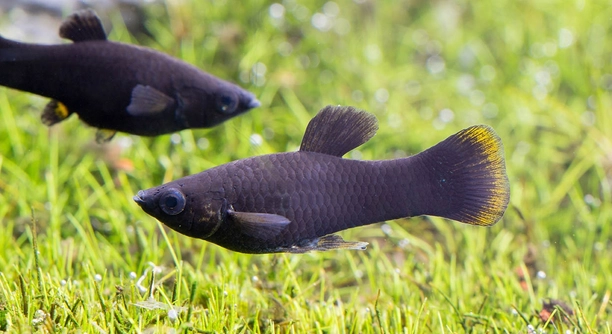
Have you ever noticed your black molly swimming erratically or ignoring food in its tank? These small fish can easily become distracted by their surroundings, even by items that seem completely harmless or ordinary.
Several in-tank distractions can confuse black molly, including excessive decorations, reflections, sudden movements, strong currents, other active fish, overly bright lighting, and frequent human interactions. Each factor can disrupt natural behavior and affect feeding and swimming patterns.
Recognizing these distractions is essential for maintaining a calm and healthy environment for your black molly. The following insights will help you manage their tank more effectively.
Excessive Decorations
Too many decorations in a black molly tank can overwhelm these small fish. When a tank is cluttered with rocks, artificial plants, or ornaments, molly may become confused about where to swim or hide. Overcrowded spaces can limit natural movement, causing stress and reducing feeding efficiency. These fish prefer areas with open swimming space and scattered hiding spots, rather than constant visual barriers. Decorations should provide enrichment without obstructing sightlines, allowing molly to navigate comfortably and feel secure. Overloading the tank can also create stagnant water pockets, reducing overall water quality. Regularly evaluating the arrangement and removing unnecessary items can prevent confusion and help maintain a balanced environment. Fish need clear sightlines to recognize companions, detect food, and respond to gentle currents. Simplicity in decoration often leads to a calmer, healthier fish, promoting natural behavior and reducing unnecessary stress triggers.
Properly spaced, minimal decorations support a more organized and stress-free tank environment for black molly.
Keeping decorations balanced ensures molly can swim freely, interact naturally, and access food without obstacles. Strategic placement improves both behavior and well-being.
Reflections and Glass Surfaces
Black molly can easily become distracted by their own reflection on tank glass. Reflective surfaces can mimic the appearance of other fish, leading to repeated interactions or displays of territorial behavior. Some fish may chase or avoid reflections constantly, draining energy and causing stress. Clear glass should be cleaned, but excessive shine or background mirrors can exacerbate this problem. Light hitting the glass at certain angles often intensifies reflections, increasing confusion. Using non-reflective backgrounds, matte surfaces, or plants near glass edges can reduce these distractions. Maintaining consistent lighting and avoiding direct sunlight also helps minimize reflections. Observing your molly’s response to various setups allows you to determine which areas are most distracting. Adjusting décor and light placement can prevent repeated interaction with reflections, supporting calmer, more predictable behavior. Fish that are not constantly reacting to reflections display more normal feeding and social patterns. Proper management of glass surfaces is a simple step to promote a stable, low-stress environment.
Sudden Movements
Sudden movements near the tank can startle black molly, causing stress or erratic swimming. Fast hand movements or objects passing by can trigger fear, making the fish hide or dart unpredictably. Consistent, gentle activity around the tank helps minimize these reactions.
Black molly are highly sensitive to rapid changes in their environment. When someone approaches the tank quickly or taps the glass, fish may interpret these actions as threats. Frequent disturbances prevent them from settling, reducing feeding efficiency and overall comfort. Even small movements, like adjusting tank equipment or placing objects nearby, can provoke a strong response. Maintaining calm, slow interactions allows molly to maintain normal behavior patterns and encourages predictable swimming routes.
Sudden changes inside the tank, such as moving plants or decorations quickly, can have a similar effect. Fish may repeatedly swim away from the source of motion, disrupting established routines. Over time, this stress can affect immune response, appetite, and social interactions with other tank mates. Ensuring that all movements around and inside the tank are slow and predictable reduces confusion and supports a stable, healthy habitat for black molly.
Strong Currents
Strong water currents can overwhelm black molly, making swimming difficult and tiring. Currents that are too fast may prevent fish from exploring their environment or resting comfortably. Gentle water movement is preferable for maintaining natural behavior.
Excessive flow in the tank forces molly to continuously struggle against water, leading to fatigue and stress. Over time, this can reduce feeding behavior and increase vulnerability to disease. Currents created by pumps or filters should be adjustable, allowing a calm environment with pockets of gentle circulation. Observing how your fish swim in different areas helps identify spots that are too strong. Properly managing current ensures fish can move naturally, interact safely, and rest without strain.
Molly may also exhibit unusual behavior when currents are inconsistent or turbulent. Swimmers may cluster in calmer zones, avoiding strong-flow areas entirely. Uneven currents can lead to aggression between fish as they compete for suitable resting spaces. Ensuring even, gentle water movement throughout the tank supports both physical health and social stability. Adjusting filter output, adding flow deflectors, or rearranging decorations to reduce turbulence creates an environment where black molly can thrive comfortably.
Other Active Fish
Other active fish can distract black molly, especially if they are constantly moving or chasing each other. Fast-moving tank mates may cause molly to hide or swim erratically, reducing feeding time and comfort.
Aggressive or overly active fish create a chaotic environment. Molly may become stressed or fatigued from trying to avoid interactions. Selecting compatible tank mates and providing enough space for everyone helps maintain a calmer, more balanced aquarium.
Overly Bright Lighting
Excessive lighting can confuse black molly, making them more prone to stress. Bright or fluctuating light may trigger hiding behavior or erratic swimming. Molly respond best to consistent, moderate lighting that mimics natural conditions.
Frequent Human Interaction
Frequent tapping or peering into the tank can cause stress. Black molly become startled by repeated disturbances, affecting feeding and social behavior. Gentle, limited observation helps them remain calm and maintain normal activity levels.
What are the signs that my black molly is stressed by distractions?
Stressed black molly may swim erratically, hide frequently, or ignore food. They might also display rapid gill movement, clamped fins, or unusual aggression toward other fish. Noticing these behaviors early helps in adjusting the tank environment to reduce stress and maintain health.
How can I reduce reflections in the tank?
Reflections can be minimized by using non-reflective backgrounds, matte surfaces, or placing plants near glass edges. Avoiding mirrors or shiny objects near the tank and adjusting lighting to prevent direct glare also helps black molly feel more secure and reduces repeated interactions with their own reflection.
What decorations are suitable for black molly tanks?
Decorations should provide hiding spots and enrichment without overcrowding the tank. A few rocks, live or artificial plants, and minimal ornaments are ideal. Open swimming areas are important for natural movement, and decorations should be spaced to allow clear sightlines and reduce confusion.
How do sudden movements affect black molly?
Rapid movements near the tank can startle molly, causing them to dart or hide. Frequent disturbances reduce feeding efficiency and increase stress. Maintaining slow, gentle interactions around the tank and moving equipment carefully prevents unnecessary reactions and supports calm behavior.
How strong should the water current be?
Black molly prefer gentle water movement. Strong currents can tire them and disrupt natural swimming patterns. Adjustable filter output or flow deflectors help create even, mild circulation that allows fish to move comfortably and rest without excessive effort, supporting both health and natural behavior.
Are certain tank mates better than others for black molly?
Calm, non-aggressive fish are ideal companions. Active or aggressive tank mates can create a stressful, chaotic environment, causing molly to hide or swim erratically. Observing interactions and ensuring sufficient space helps maintain a balanced, calm aquarium. Proper compatibility supports feeding, social interaction, and overall well-being.
How does lighting affect black molly behavior?
Excessively bright or fluctuating light can confuse molly, making them hide or swim unpredictably. Consistent, moderate lighting that mimics natural daylight helps maintain normal behavior patterns. Using timers or adjustable lights can create a stable environment that supports feeding, resting, and social interaction.
How often should I interact with my black molly?
Frequent tapping or peering into the tank can stress molly. Gentle observation and minimal disturbance allow fish to remain calm, eat regularly, and interact naturally with tank mates. Limiting interaction to necessary maintenance and occasional quiet observation preserves their comfort and stability.
Can rearranging the tank frequently confuse my black molly?
Yes. Sudden changes to decoration placement, plant positions, or substrate can confuse and stress molly. Gradual adjustments, spaced out over time, allow fish to acclimate without disruption. A consistent layout supports predictable swimming patterns and reduces unnecessary hiding or erratic behavior.
What are simple steps to maintain a calm environment for black molly?
Provide minimal yet functional decorations, control lighting, limit reflections, ensure gentle water flow, choose compatible tank mates, and minimize sudden movements or frequent tapping. Observing fish behavior regularly helps identify stressors early, allowing adjustments that maintain a stable, healthy, and comfortable habitat.
Black molly are sensitive and intelligent fish that respond strongly to their surroundings. The way their tank is set up can greatly influence their behavior, health, and overall well-being. Excessive decorations, strong currents, bright lighting, frequent human interaction, and other distractions can all lead to confusion and stress. By paying attention to these factors, owners can create a calmer environment that encourages natural swimming, social interaction, and healthy feeding habits. Observing how molly behave in different areas of the tank can provide valuable insights into what is working and what needs adjustment. Simple changes, like rearranging decorations, adjusting light levels, or controlling water flow, can have an immediate positive impact on their daily routine.
Maintaining a black molly tank is about finding balance between enrichment and simplicity. Providing open swimming space alongside a few well-placed hiding spots allows fish to explore without feeling overwhelmed. Tank mates should be selected carefully, as overly active or aggressive species can create stress and disrupt normal behavior. Even reflections on the glass can confuse molly, making them react as though another fish is present. Attention to small details, such as minimizing sudden movements near the tank or reducing glare from lights, can significantly improve a fish’s comfort level. Over time, a well-balanced environment promotes calm, predictable behavior, better feeding response, and stronger immune health. Creating this balance is not complicated, but it requires careful observation and small, intentional adjustments that consider the needs of the fish.
Ultimately, providing a stable and supportive environment ensures that black molly thrive. Stress and confusion can be minimized by monitoring tank conditions regularly, including water quality, light, current, and layout. Fish respond best to consistency, so gradual changes are preferable to sudden alterations that may disrupt established patterns. Regular observation helps identify potential distractions or stressors early, allowing owners to address issues before they escalate. By combining thoughtful tank setup, careful selection of tank mates, and consistent maintenance, black molly can display natural behavior, engage with their environment confidently, and remain healthy. Attention to these details not only supports the well-being of the fish but also creates a more enjoyable and rewarding experience for anyone caring for them, making the aquarium a peaceful and balanced habitat.

Hello,
If you enjoy the content that we create, please consider saying a "Thank You!" by leaving a tip.
Every little bit helps us continue crafting quality advice that supports the health, happiness, and well-being of pets around the world, for pets of all shapes, sizes, and species.
We really appreciate the kindness and support that you show us!