
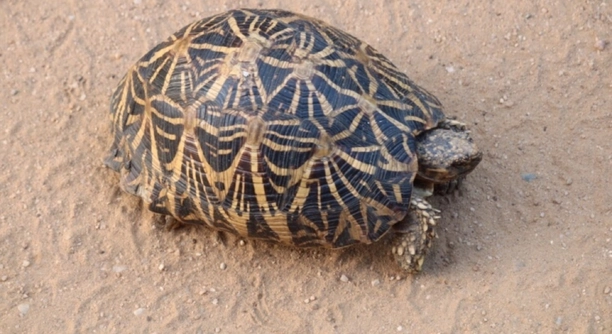
Indian Star Tortoises are known for their unique appearance and calm nature, making them an intriguing pet option for reptile enthusiasts. These tortoises are also relatively low-maintenance, which adds to their appeal as a household companion.
Indian Star Tortoises are fascinating pets due to their striking appearance, longevity, and peaceful temperament. Their manageable size and ease of care make them an ideal choice for pet owners seeking a reptile that doesn’t require excessive attention or space.
These characteristics contribute to their charm, making them an interesting pet for many.
1. Unique Appearance That Captures Attention
Indian Star Tortoises are known for their eye-catching appearance. Their shells are beautifully patterned with radiating lines, resembling stars. This striking pattern makes them stand out from other tortoises. The dark brown and yellowish hues on their shells give them an almost ornamental look. Many people find their appearance quite mesmerizing, making them a favorite among reptile lovers. Their overall size, which remains moderate compared to some other tortoises, also contributes to their appeal. This combination of visual appeal and manageable size makes the Indian Star Tortoise an interesting option for anyone looking to add a unique pet to their collection.
Their beauty is often enough to spark curiosity about these reptiles. The unique look is complemented by their gentle and calm demeanor.
The patterns on their shells may look intricate, but they are also a product of their slow-growing nature. These tortoises grow gradually, and the patterns on their shells become more defined as they age. This long-term development only adds to their charm.
2. Low Maintenance Care Requirements
One of the key reasons people find Indian Star Tortoises so appealing is their low-maintenance care needs. They don’t require constant attention, making them an excellent pet for busy individuals. Their diet consists mainly of greens and vegetables, which are easy to provide. Regular cleaning of their habitat and access to sunlight for vitamin D are the main aspects to monitor. This simplicity in care makes them suitable for people who may not have the time for more demanding pets, like dogs or cats.
Indian Star Tortoises thrive in relatively simple environments. They are relatively low-maintenance, which makes them perfect for beginners.
However, ensuring they have enough space and a suitable habitat is important for their overall health. A dry, warm area with ample room to move around is essential for these tortoises. You will also need to set up a basking spot for them to regulate their body temperature, and they should have access to fresh water for drinking. While these steps are simple, maintaining their environment properly is crucial.
3. Long Lifespan Makes Them a Lasting Companion
Indian Star Tortoises have a remarkable lifespan, often living for over 50 years when properly cared for. This long life means they can become a part of the family for generations, offering more than just a brief companionship. Their longevity also means that once you commit to an Indian Star Tortoise, you are likely to have them around for many years, providing a sense of stability and connection. Many owners find that their tortoises grow to feel like a living piece of family history.
Their long life expectancy is a significant advantage. Indian Star Tortoises are not short-term pets; they require consistent care but also offer enduring companionship.
If you are looking for a pet that you can rely on for years, the Indian Star Tortoise is a great choice. Their longevity is a testament to their resilience and adaptability, making them a reliable and steadfast pet. As they age, they tend to become more accustomed to their owners and exhibit familiar, endearing behaviors, making their long lifespan a rewarding experience.
4. Gentle Temperament and Easy Handling
Indian Star Tortoises are generally very gentle and easy to handle. Their calm nature makes them a great pet for individuals who prefer quieter animals. Unlike many reptiles, they do not exhibit aggressive behaviors and usually enjoy a peaceful existence. Handling them is simple, as they tend to remain still and are not easily startled.
Their peaceful nature is a key trait that attracts people to them. While they may be shy initially, they quickly adapt to their environment and owners. Over time, they may even become more comfortable with human interaction.
However, it is important not to over-handle them. Despite their calmness, tortoises are still sensitive creatures and can become stressed if handled too much. With the right amount of interaction, they can develop a calm, trusting relationship with their owners. Their ease of handling and lack of aggression makes them ideal for homes where people may not have experience with reptiles.
5. Low Noise Levels
Indian Star Tortoises are known for their quiet nature. Unlike other pets, they don’t make loud noises that can disrupt the household. Their calm demeanor makes them perfect for homes that prefer peace and quiet. This trait is especially beneficial for people who live in apartments or shared spaces.
Their lack of vocalization makes them unobtrusive, and they won’t disturb your daily routines. This quiet behavior is also a sign of their stress-free nature, as they remain calm in their environment.
6. Simple Feeding Routine
Indian Star Tortoises have an uncomplicated feeding routine. They thrive on a diet of leafy greens, vegetables, and occasional fruits. Their diet is easy to prepare and doesn’t require special foods. Most owners find it simple to meet their nutritional needs.
A balanced diet ensures they stay healthy. Offering a mix of leafy greens, like dandelion and collard greens, along with vegetables such as carrots and squash, works well for them. Occasional fruits, like strawberries or melon, can be added for variety. Their feeding needs are straightforward, and owners can easily provide what they need for good health.
7. Resilient Health
Indian Star Tortoises are generally resilient when it comes to health. With proper care, they can avoid many common health issues that affect other pets. A well-maintained habitat, a good diet, and regular access to sunlight are key to keeping them healthy. Keeping their living area clean and providing adequate space to move around will help prevent diseases.
They are naturally hardy creatures, but like all reptiles, they require attention to their environment. Ensuring they have access to UVB light, a suitable temperature range, and a clean space can prevent potential health problems. Regular check-ups with a reptile veterinarian can also help keep them in optimal condition.
FAQ
How big do Indian Star Tortoises get?
Indian Star Tortoises typically grow to around 12-14 inches in length. They are considered a medium-sized tortoise species. Their growth rate can vary depending on factors such as diet and environment, but most will reach their full size within 10-15 years. While they are not as large as some other tortoise species, their moderate size makes them manageable for pet owners with limited space. Their shell patterns also become more defined as they grow, adding to their beauty.
How do I care for an Indian Star Tortoise?
Caring for an Indian Star Tortoise requires providing a proper habitat, a balanced diet, and regular sunlight. The enclosure should be large enough to allow them to move freely, with both dry and humid areas. Their diet consists mainly of leafy greens, vegetables, and occasional fruits. Regular access to UVB lighting is crucial for their shell and overall health. Keeping their living area clean and ensuring proper temperature control also help prevent health issues.
Do Indian Star Tortoises need a special habitat?
Yes, Indian Star Tortoises need a specific habitat to thrive. They require a dry, warm environment with both basking and shaded areas. A spacious enclosure with proper ventilation is important. The temperature should range from 75°F to 95°F, with a basking spot reaching 95°F. A shallow water dish should be available for drinking, and the substrate should be easy to clean, such as coconut coir or aspen shavings. UVB lighting is essential for vitamin D synthesis, helping them absorb calcium.
What is the lifespan of an Indian Star Tortoise?
Indian Star Tortoises have a long lifespan, often living 50 years or more in captivity. With proper care, they can live a long, healthy life, becoming a lasting companion for their owners. Their slow growth and longevity make them unique, but also require a long-term commitment. Regular maintenance of their habitat and diet is essential to ensuring they live a long, healthy life.
How often should I feed my Indian Star Tortoise?
Indian Star Tortoises should be fed every day, although the amount of food can vary depending on their age and size. A balanced diet consisting mainly of leafy greens and vegetables should be provided daily. Fruits should be offered sparingly due to their high sugar content. Young tortoises may require more frequent feedings compared to adults, who can be fed once daily. Monitor their weight and adjust portions as needed to prevent overfeeding or underfeeding.
Do Indian Star Tortoises need to be bathed?
Indian Star Tortoises do not require regular bathing, but they should be given occasional baths to help keep them hydrated and clean. Soaking them in shallow, lukewarm water for about 20-30 minutes once or twice a week is generally sufficient. This helps prevent dehydration, especially in dry conditions. Ensure that the water is not too deep, as tortoises can drown if they are unable to get out.
Are Indian Star Tortoises good pets for beginners?
Indian Star Tortoises can be suitable pets for beginners, especially for those who are willing to learn and follow basic care guidelines. While they are relatively low-maintenance compared to other reptiles, they do require proper care, including maintaining their habitat temperature, humidity, and diet. Beginners should research their specific needs and be prepared for a long-term commitment, as they can live for decades.
Can Indian Star Tortoises be housed with other pets?
It’s generally not recommended to house Indian Star Tortoises with other pets. While they are peaceful creatures, they may not get along with other animals, particularly more active or aggressive species. Keeping them in a separate enclosure ensures they are safe and reduces the risk of stress or injury. It’s important to provide them with a quiet, calm environment for their well-being.
What should I do if my Indian Star Tortoise is not eating?
If your Indian Star Tortoise is not eating, check its environment first. Ensure the temperature and humidity are within the proper range. A stressed or uncomfortable tortoise may refuse food. Additionally, examine their diet to make sure it includes fresh, appropriate foods. If the problem persists, it is best to consult a veterinarian to rule out any health issues.
Can Indian Star Tortoises be kept outside?
Yes, Indian Star Tortoises can be kept outside, provided the climate is suitable. They require a warm, dry environment and should be kept in a secure, predator-proof enclosure. Outdoor enclosures must offer access to both sun and shade, and they should be able to retreat to a sheltered area when needed. It’s essential to monitor the weather, as they should not be exposed to extreme cold temperatures.
Are Indian Star Tortoises social animals?
Indian Star Tortoises are not particularly social animals. They are solitary by nature and tend to keep to themselves, especially in the wild. In captivity, they may tolerate being around other tortoises but are generally not interactive with humans or other pets. They prefer a quiet, peaceful environment where they can move around at their own pace.
How do I know if my Indian Star Tortoise is healthy?
A healthy Indian Star Tortoise should have clear, bright eyes and a smooth, hard shell without any cracks or deformities. They should be active during the day, moving around their enclosure and exploring their surroundings. Their skin should be smooth, and they should have a regular feeding and drinking pattern. If you notice any signs of illness, such as lethargy, loss of appetite, or abnormal behavior, consult a reptile vet promptly.
Do Indian Star Tortoises hibernate?
Indian Star Tortoises do not hibernate in the traditional sense, but they may go into a state of dormancy during cooler months if the temperature drops significantly. In captivity, this is usually not an issue if the temperature is kept consistent. However, some owners may observe a decrease in activity during winter months. It’s important to avoid forcing them into hibernation, as they require a stable environment to stay healthy.
Can I breed Indian Star Tortoises?
Breeding Indian Star Tortoises requires careful planning and attention to detail. They need a suitable environment with the proper temperature, humidity, and space for nesting. Female tortoises require a safe and comfortable area to lay their eggs. It’s essential to ensure that both the male and female are healthy and well-cared for before attempting to breed. If you’re considering breeding, it’s important to do thorough research and consult a veterinarian who specializes in reptiles.
Final Thoughts
Indian Star Tortoises make unique and captivating pets due to their long lifespan, striking appearance, and relatively low-maintenance care requirements. They offer a rewarding experience for owners willing to provide them with the right environment and attention. With proper care, these tortoises can thrive and become long-term companions, offering enjoyment for many years. Their distinctive star-shaped patterns on their shells are an appealing feature, and their calm nature makes them an excellent pet for those who appreciate more passive animals.
However, keeping an Indian Star Tortoise requires a commitment to their health and well-being. Ensuring a proper habitat with the right temperature, humidity, and UVB lighting is essential for their survival. Regular maintenance, such as cleaning their enclosure and providing a balanced diet, helps maintain their health over time. It’s important to monitor their activity levels and behavior, as changes could signal health issues that need immediate attention. By following the guidelines for care and understanding their needs, owners can provide a comfortable and healthy environment for their tortoises.
Indian Star Tortoises may not be suitable for everyone. Their long lifespan means that taking care of them is a long-term responsibility, requiring patience and dedication. Those interested in adopting one should carefully consider the time, effort, and resources required. With the right preparation and a genuine interest in caring for a unique reptile, these tortoises can be a fascinating addition to your home. Whether you’re a first-time pet owner or a seasoned reptile enthusiast, understanding their specific needs will ensure they live a healthy and fulfilling life.

Hello,
If you enjoy the content that we create, please consider saying a "Thank You!" by leaving a tip.
Every little bit helps us continue crafting quality advice that supports the health, happiness, and well-being of pets around the world, for pets of all shapes, sizes, and species.
We really appreciate the kindness and support that you show us!