
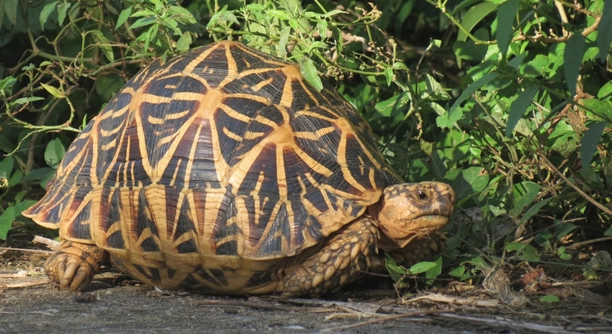
Indian Star Tortoises are known for their unique diet, which includes a variety of leaves and plants. While they enjoy a range of leafy greens, it’s important to consider which ones are safe for them to consume.
Indian Star Tortoises can eat lemon leaves in moderation. However, due to their high acidity, lemon leaves should not be a regular part of their diet. Offering them other safe, nutrient-rich leaves is essential for their overall health.
Knowing which treats are safe for your tortoise ensures they stay healthy and happy. We will cover some great options for occasional treats and how to incorporate them into their diet safely.
Are Lemon Leaves Safe for Indian Star Tortoises?
Lemon leaves contain essential oils and acids that can be harmful to Indian Star Tortoises when consumed in large amounts. While these tortoises might nibble on lemon leaves occasionally, it’s best to avoid making them a regular part of their diet. Their digestive system may struggle with the acidity, leading to stomach issues. Over time, repeated exposure to high-acid foods like lemon leaves can cause long-term health concerns, such as dehydration or digestive upset. Offering lemon leaves as an occasional treat, if at all, is the safer route to take.
A varied diet is the key to a healthy tortoise. Their diet should primarily consist of leafy greens, grass, and flowers, all of which provide the necessary nutrients they need to thrive. High-acid foods should be avoided as they could lead to imbalances in their diet.
Instead of lemon leaves, consider offering your tortoise more common leafy greens like dandelion, clover, and kale. These are safe and nutritious alternatives, helping to maintain a balanced diet. By giving them the right kind of food, you can support their well-being and avoid unnecessary risks.
Safe Treats for Indian Star Tortoises
Tortoises appreciate variety in their diet, and there are plenty of safe and healthy treats they can enjoy. Along with leafy greens, some flowers and fruits can be good options in moderation.
Offer your tortoise safe fruit options like apples, strawberries, or melons. These are much gentler on their digestive system than acidic foods like lemons. In addition, edible flowers such as hibiscus or dandelions can be a delightful treat for your tortoise. Always ensure the flowers are pesticide-free before offering them. Just remember, treats should never make up the majority of their diet. A well-balanced diet focused on leafy greens, grasses, and vegetables will keep your tortoise healthy.
Why Avoid Lemon Leaves in the Diet
Lemon leaves, while not toxic in small amounts, contain compounds that are too acidic for Indian Star Tortoises. Their digestive system isn’t designed to handle these acids, which can lead to stomach discomfort and other health issues.
Ingesting too many acidic foods over time may weaken their immune system and affect their overall health. It’s important to offer foods that are easy for them to digest and provide essential nutrients. Safe greens and grass are always better choices. Stick to more common leaves like hibiscus and dandelion to avoid potential risks.
The balance of their diet is crucial. Tortoises that consume too many acidic or unfamiliar leaves may experience digestive upset, poor hydration, or lack of proper nutrition. Limiting treats that are high in acidity will help ensure that your tortoise’s stomach stays calm and healthy. It’s best to prioritize a diet rich in plant-based nutrition, with occasional fruit or flower-based treats.
Understanding Your Tortoise’s Nutritional Needs
Indian Star Tortoises require a variety of plants to maintain a healthy, balanced diet. In the wild, they graze on grasses, flowers, and leaves that offer fiber, calcium, and other essential nutrients.
Their diet should be primarily made up of high-fiber plants like grasses and leaves. Leafy greens such as collard greens, mustard greens, and dandelion leaves should form the bulk of their diet. These provide the fiber needed for digestion, as well as the vitamins and minerals to support their overall health. While fruits can be offered in moderation, they should never replace more nutritious foods.
Focusing on the right food choices will not only help keep your tortoise’s digestive system running smoothly but also promote a strong immune system and healthy growth. Be sure to provide fresh, varied greens and the occasional flower to keep them engaged while staying healthy. A well-balanced diet will help your tortoise live a long, happy life.
What Foods Are Safe for Indian Star Tortoises?
Indian Star Tortoises thrive on a diet rich in grasses, leaves, and some edible flowers. Safe foods include dandelion greens, clover, and hibiscus petals. These foods are easy on their digestive system and provide the necessary nutrients for their health.
Offering a mix of different safe plants will help meet their nutritional needs. Grasses like timothy hay are an excellent source of fiber, which is crucial for their digestive health. You can also occasionally offer them safe fruits, such as apples or strawberries, in small amounts. Just avoid high-acid foods.
Avoiding Toxic Plants for Your Tortoise
Certain plants are toxic to Indian Star Tortoises and should be avoided at all costs. For instance, plants like oleander, azalea, and poinsettia are harmful to tortoises. Consuming even small amounts of these plants can lead to severe illness or death.
It’s crucial to ensure that any plants offered to your tortoise are safe. Always research before introducing new plants. If you’re unsure about a plant’s safety, it’s better to err on the side of caution and not feed it to your tortoise. Regularly check the plants in their habitat as well.
Hydration Is Key
Indian Star Tortoises need access to fresh water at all times. They rely on water for hydration and proper digestion. Providing a shallow water dish that’s easy for them to access is essential. Always change the water daily.
Can Indian Star Tortoises Eat Fruits?
Yes, Indian Star Tortoises can eat fruits, but they should be offered in moderation. Fruits should not make up more than 10-15% of their overall diet. Safe fruit options include apples, strawberries, melons, and papayas. Always remove seeds or pits from fruits, as they can be harmful. Too much fruit can lead to digestive upset or obesity, so use it as a rare treat.
How Often Should You Feed Your Indian Star Tortoise?
Indian Star Tortoises should be fed daily, especially if they are young and still growing. Adult tortoises, however, may be fed every other day. Their meals should consist primarily of high-fiber greens like dandelion leaves, grasses, and safe flowers. Offer fresh food daily, ensuring the diet is varied to avoid nutrient deficiencies. Keep the food fresh and remove any uneaten portions to prevent contamination.
Is It Safe to Feed Indian Star Tortoises Vegetables?
Yes, Indian Star Tortoises can eat vegetables, but only certain types. Vegetables like kale, collard greens, and squash are great options. Avoid offering them high-oxalate vegetables like spinach, as these can lead to kidney problems. As with fruits, vegetables should be given in moderation and as part of a balanced diet.
Are Indian Star Tortoises Herbivores or Omnivores?
Indian Star Tortoises are strictly herbivores. They primarily eat grasses, leaves, flowers, and some fruits. Their digestive systems are not designed for animal protein, so feeding them meat or other animal products can be harmful. Ensure their diet is plant-based to keep them healthy.
Can Indian Star Tortoises Eat Lettuce?
Lettuce can be given to Indian Star Tortoises, but it should not be the main part of their diet. Iceberg lettuce, in particular, lacks nutritional value and is mostly water. Romaine lettuce or other darker leafy varieties, however, can be a good addition to their diet. Offer lettuce occasionally, but prioritize more nutritious greens like dandelion leaves.
What Are the Signs of Overfeeding Your Indian Star Tortoise?
Overfeeding can lead to obesity, digestive issues, and an overall decline in health. Signs of overfeeding include lethargy, excessive weight gain, and difficulty moving around. A well-balanced diet, with a focus on fiber, is essential. If you notice these signs, reduce the amount of food and stick to healthier options.
Can Indian Star Tortoises Eat Flowers?
Yes, Indian Star Tortoises can eat certain flowers. Safe flowers include hibiscus, dandelions, clover, and pansies. These flowers are rich in nutrients and can provide variety in their diet. However, it’s crucial to ensure the flowers are pesticide-free. Always offer flowers in moderation, as they should not make up a large portion of their diet.
Are Indian Star Tortoises Sensitive to Temperature Changes?
Indian Star Tortoises are quite sensitive to temperature fluctuations. They thrive in warm environments with temperatures between 80°F and 90°F during the day and slightly cooler at night. A drop in temperature below 70°F can cause stress and even health issues like respiratory infections. Ensure their habitat is properly heated and has access to UVB light for proper shell and bone development.
Can Indian Star Tortoises Live with Other Tortoises?
Indian Star Tortoises can live with other tortoises, but it’s important to monitor their interactions. Not all tortoises get along, and some may become territorial. If you plan on housing multiple tortoises together, ensure their enclosure is large enough to prevent overcrowding. Always observe their behavior and separate them if any signs of aggression appear.
Do Indian Star Tortoises Need a Large Enclosure?
Yes, Indian Star Tortoises require a large enclosure to roam freely and stay active. A spacious outdoor enclosure with a secure fence is ideal, but if kept indoors, provide as much space as possible. The enclosure should be well-ventilated, with plenty of hiding spots and access to sunlight or UVB lighting. A minimum of 4×8 feet of space is recommended for an adult tortoise.
Can Indian Star Tortoises Eat Cactus?
Yes, Indian Star Tortoises can eat certain types of cactus, such as prickly pear. Cactus is a good source of hydration and fiber. Be sure to remove any spines before offering it, as they can be harmful to their digestive system. Cactus should be given as an occasional treat rather than a regular food source.
What Should You Avoid Feeding Your Indian Star Tortoise?
There are several foods you should avoid feeding your Indian Star Tortoise. These include high-protein foods like meat or dairy, as well as high-oxalate foods like spinach and rhubarb. Also, avoid any toxic plants such as oleander, ivy, and foxglove, as they can be deadly to tortoises. Always research any new food before offering it to your tortoise.
Do Indian Star Tortoises Need a Dusting of Calcium?
Yes, Indian Star Tortoises require a dusting of calcium to support healthy shell and bone growth. You can dust their food with calcium powder a few times a week. This helps prevent metabolic bone disease, which can occur if the tortoise doesn’t get enough calcium in its diet. Always ensure the calcium is in a form that is easily absorbed by the tortoise.
How Can You Tell If Your Indian Star Tortoise Is Healthy?
A healthy Indian Star Tortoise will have bright, clear eyes and an active, alert demeanor. Its shell should be smooth, without any soft spots or cracks. Healthy tortoises also have a well-rounded shape, without being too thin or overweight. Regularly monitor their eating habits, activity levels, and overall appearance to ensure they are in good health. If you notice any unusual behavior, consult a vet for advice.
In conclusion, feeding your Indian Star Tortoise requires careful consideration of their dietary needs. While they can enjoy a variety of foods like fruits, vegetables, and flowers, moderation is key. Offering the right types of food ensures they receive the proper nutrients for growth and overall health. It is important to provide a balanced diet that focuses primarily on leafy greens, grasses, and safe plants. This helps prevent potential health issues such as obesity or digestive problems that can arise from overfeeding or giving them improper foods.
Additionally, it is vital to understand the specific care requirements of Indian Star Tortoises. A suitable enclosure with the right temperature and lighting is crucial for their well-being. Providing UVB light, access to warm temperatures, and space to roam will help maintain their energy levels and promote healthy growth. Monitoring their behavior and eating habits regularly can help identify any health concerns early on. By creating the right environment and offering a well-balanced diet, you can ensure your tortoise remains healthy and happy for years to come.
Always keep in mind the importance of research and seeking expert advice if you are unsure about your tortoise’s diet or habitat. Consulting a vet experienced with reptiles is a good step if you have any concerns. With the proper care and attention, your Indian Star Tortoise can thrive and enjoy a long, healthy life.

Hello,
If you enjoy the content that we create, please consider saying a "Thank You!" by leaving a tip.
Every little bit helps us continue crafting quality advice that supports the health, happiness, and well-being of pets around the world, for pets of all shapes, sizes, and species.
We really appreciate the kindness and support that you show us!