
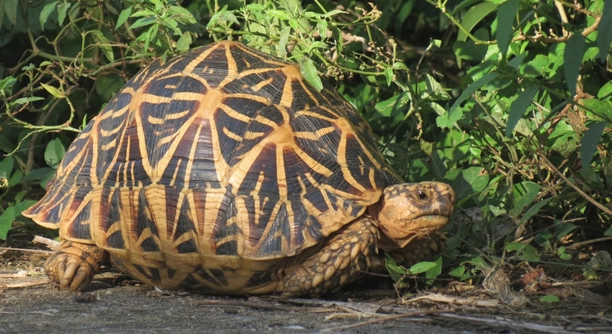
Indian Star Tortoises are unique creatures with specific dietary needs. Providing them with a varied diet is essential for their health. This guide will explore whether cactus pads can be a suitable food option for them.
Indian Star Tortoises can eat cactus pads in moderation, but it is essential to ensure that the pads are free from thorns and pesticides. Cactus pads provide hydration and essential nutrients, but they should not be the main component of their diet.
While cactus pads can be a beneficial treat, it is important to understand how to properly prepare and offer them for your tortoise’s health.
Benefits of Cactus Pads for Indian Star Tortoises
Cactus pads are a good source of hydration for Indian Star Tortoises, especially in hot climates. These pads are high in moisture, which can help maintain proper hydration levels. Additionally, cactus pads contain fiber, which is beneficial for digestion. They also provide essential vitamins like A and C. While cactus pads can offer hydration and nutrients, they should not be the main part of the tortoise’s diet. A well-rounded diet should include a mix of leafy greens, vegetables, and occasional fruits to ensure proper nutrition and avoid potential health issues.
It’s important to introduce cactus pads in moderation, as overfeeding can cause digestive problems. Offering a small portion alongside other food will allow your tortoise to benefit from the extra moisture and nutrients.
Remember, not all cactus pads are safe. Ensure they are free from thorns and pesticides before offering them to your tortoise. Only the pads, not the spines, should be fed to your pet.
How to Prepare Cactus Pads for Indian Star Tortoises
Before feeding cactus pads to your tortoise, you must properly prepare them. Start by carefully removing the thorns and spikes. These can harm your tortoise if ingested. After removing the thorns, rinse the pads well to ensure no dirt or chemicals remain. You can then cut the pads into manageable pieces. This makes it easier for your tortoise to eat and digest. Offer cactus pads occasionally, but avoid making them a regular part of the diet. Too much cactus can cause loose stools, leading to dehydration and digestive discomfort.
The best way to offer cactus pads is as a supplement to your tortoise’s regular diet, not a replacement for their primary food. Although cactus pads provide hydration, they should be part of a broader, balanced diet that includes other hydrating options like leafy greens. Offering variety ensures your tortoise gets all the nutrients it needs without overloading on one type of food.
Nutritional Value of Cactus Pads for Indian Star Tortoises
Cactus pads offer various nutrients, including vitamins A and C, which are important for your tortoise’s health. They also contain fiber, promoting healthy digestion. Additionally, the high water content in cactus pads can help keep your tortoise hydrated. However, they should be fed as an occasional treat, not a staple food.
While cactus pads offer benefits, they do not provide all the nutrients that a balanced diet requires. To support optimal health, your tortoise needs a mix of leafy greens, flowers, and other vegetables. Offering a variety of foods ensures that all nutritional needs are met, reducing the risk of deficiencies.
Cactus pads alone lack the calcium and other minerals your tortoise needs for strong bones and a healthy shell. They should complement a diet that includes calcium-rich vegetables and supplements. Regularly offering a mix of foods ensures that your tortoise remains healthy and avoids potential deficiencies caused by an unbalanced diet.
Potential Risks of Feeding Cactus Pads
Feeding cactus pads can come with some risks. If not properly prepared, the spines can cause harm to your tortoise’s mouth and digestive system. Additionally, cactus pads contain oxalates, which in high amounts can affect calcium absorption. Overfeeding cactus pads may lead to digestive upset or kidney stress.
When offering cactus pads, make sure to remove all thorns and spines carefully. It’s also essential to wash the pads thoroughly to remove any pesticides or chemicals. Always monitor your tortoise after introducing new foods to check for any adverse reactions or digestive issues. If you notice problems, discontinue feeding cactus pads immediately.
Feeding cactus pads too frequently can also cause loose stools, as they contain a lot of moisture. When fed in excess, this moisture can overwhelm your tortoise’s digestive system, leading to dehydration. Moderation is key to ensuring cactus pads are a beneficial addition to your tortoise’s diet.
How Often Should You Feed Cactus Pads?
Cactus pads should be offered to your tortoise in moderation. They can be given as a treat once or twice a week. Overfeeding cactus pads can cause digestive issues, including diarrhea or dehydration. Always pair cactus pads with other foods to ensure a well-rounded diet.
It’s important to introduce cactus pads gradually, especially if your tortoise isn’t accustomed to them. Start by offering small pieces and monitor for any negative reactions. Offering too much at once can disrupt your tortoise’s digestion, so always ensure variety in their meals. A diverse diet is key to their health.
Other Hydrating Foods for Indian Star Tortoises
Along with cactus pads, there are other hydrating foods that can benefit your tortoise. Leafy greens like dandelion greens, collard greens, and mustard greens are excellent choices. These vegetables contain water and essential nutrients while being low in oxalates, promoting better calcium absorption.
In addition to leafy greens, other hydrating options include watermelon, cucumbers, and strawberries. These fruits and vegetables should be offered in moderation to prevent too much sugar. Including a range of hydrating foods ensures that your tortoise remains hydrated and healthy throughout the year.
Can Cactus Pads Replace Water?
No, cactus pads cannot replace water. While they do provide hydration, they do not offer the necessary amount of water that your tortoise needs daily. Always provide fresh water in a shallow dish for your tortoise to drink. This will ensure they stay properly hydrated.
FAQ
Can Indian Star Tortoises eat cactus pads every day?
No, cactus pads should not be fed to your Indian Star Tortoise every day. While they provide hydration, cactus pads lack essential nutrients like calcium. Overfeeding can lead to digestive issues or imbalance in their diet. It’s best to offer cactus pads once or twice a week, alongside other foods.
Are cactus pads safe for Indian Star Tortoises?
Yes, cactus pads are generally safe for Indian Star Tortoises if prepared properly. The pads should be free from thorns, and any pesticides or chemicals should be washed off. Always ensure that you are feeding them in moderation to avoid any digestive upset or nutritional imbalance.
How do I prepare cactus pads for my tortoise?
Start by removing all thorns and spikes from the cactus pad. Wash the pad thoroughly to remove any dirt or pesticides. After cleaning, cut the pad into small, manageable pieces that are easy for your tortoise to consume. Always serve cactus pads as a supplement, not a main meal.
Can cactus pads cause any health problems?
Cactus pads can cause health problems if they are overfed or not properly prepared. The spikes, if left on, can harm your tortoise’s mouth or digestive system. Overfeeding can lead to diarrhea, dehydration, or digestive upset. Always monitor your tortoise when introducing new foods.
Are there any alternatives to cactus pads for hydration?
Yes, there are several hydrating foods you can offer your tortoise. Leafy greens like dandelion greens, collard greens, and lettuce are great sources of hydration. Fruits such as watermelon and cucumbers are also hydrating, but should be fed in moderation to avoid excess sugar intake.
How do I know if my tortoise is eating too much cactus pad?
If your tortoise is eating too much cactus pad, you may notice symptoms like diarrhea, bloating, or reduced appetite. Overhydration from excess cactus pad can also lead to dehydration. If these signs appear, reduce the amount of cactus pads and focus on a more balanced diet with other hydrating foods.
Can I feed cactus pads to baby Indian Star Tortoises?
Cactus pads can be fed to baby Indian Star Tortoises in moderation, but it’s important to be cautious. Their digestive systems are more sensitive, so introducing new foods gradually is key. Ensure the cactus pad is properly prepared, with no spikes, and offered alongside other suitable foods for young tortoises.
What other fruits and vegetables can I feed my Indian Star Tortoise?
Indian Star Tortoises enjoy a variety of fruits and vegetables, such as leafy greens (mustard greens, collard greens), vegetables like carrots and bell peppers, and fruits like apples, strawberries, and melon. Offer a mix of these foods to keep your tortoise’s diet balanced and full of nutrients.
Are cactus pads high in oxalates?
Yes, cactus pads contain oxalates, which can affect calcium absorption when consumed in large quantities. While oxalates aren’t a major concern in small amounts, feeding too many cactus pads can interfere with your tortoise’s calcium intake. To prevent this, feed cactus pads in moderation.
Can cactus pads replace my tortoise’s water?
No, cactus pads should not replace water. While they provide hydration, cactus pads cannot supply the necessary amount of water that your tortoise needs each day. Always ensure your tortoise has access to fresh, clean water in addition to any hydrating foods you offer.
Final Thoughts
Cactus pads can be a beneficial addition to an Indian Star Tortoise’s diet when offered in moderation. They provide essential hydration and some important vitamins, making them a refreshing treat. However, they should not be relied upon as a primary food source. It’s important to feed cactus pads alongside a variety of other vegetables and fruits to ensure that your tortoise gets a balanced, nutrient-rich diet. A mix of leafy greens, flowers, and calcium-rich foods will help maintain your tortoise’s overall health.
Feeding cactus pads also requires careful attention to preparation. The pads should be thoroughly cleaned to remove dirt, pesticides, or any harmful chemicals. The spines must be carefully removed, as they can cause injury to your tortoise’s mouth or digestive system. Once prepared properly, cactus pads can be a safe and enjoyable treat for your tortoise, but always remember that moderation is key. Overfeeding cactus pads can lead to digestive issues, such as diarrhea, and may also impact the absorption of calcium, which is essential for your tortoise’s shell and bone health.
In summary, cactus pads are a hydrating and nutritious food for your tortoise when offered in small amounts. They can complement a well-rounded diet but should not replace other essential foods. As with any new addition to your tortoise’s diet, it’s important to observe for any negative reactions. Always ensure that cactus pads are clean and free from thorns, and feed them alongside other safe foods. By providing a variety of healthy options, you’ll help your Indian Star Tortoise live a long, happy, and healthy life.

Hello,
If you enjoy the content that we create, please consider saying a "Thank You!" by leaving a tip.
Every little bit helps us continue crafting quality advice that supports the health, happiness, and well-being of pets around the world, for pets of all shapes, sizes, and species.
We really appreciate the kindness and support that you show us!