
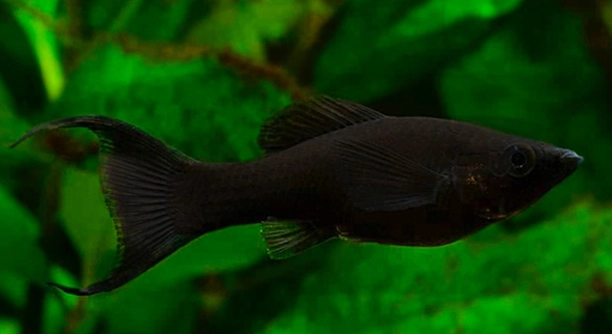
Black Mollies are peaceful fish that thrive in calm, stable environments. Even small changes in their tank or routine can make them stressed. Understanding what upsets them helps keep them healthy and active in your aquarium.
Common mistakes that stress Black Mollies include poor water quality, overfeeding, lack of hiding spots, overcrowding, sudden temperature changes, improper tank mates, and inconsistent lighting. Avoiding these issues ensures the fish maintain normal behavior, growth, and overall well-being.
Keeping Black Mollies happy requires attention to their tank and daily care. Small adjustments in their environment can make a big difference in reducing stress.
Poor Water Quality
Black Mollies are sensitive to water conditions, and even small fluctuations can stress them out. Dirty water with high levels of ammonia, nitrites, or nitrates can lead to lethargy, loss of appetite, and illness. Regular water testing is essential to monitor these levels. Partial water changes at least once a week help maintain a clean environment. Avoid overusing chemicals or sudden treatments, as these can shock the fish. Temperature consistency is also important, as sudden drops or spikes can weaken their immune system. Filtration should be sufficient for the tank size, and mechanical and biological filters should be cleaned regularly to prevent buildup. Observing your fish daily helps spot early signs of stress, such as hiding, rapid gill movement, or unusual swimming patterns. Creating a stable, clean environment supports natural behaviors like exploring, feeding, and social interactions with other mollies. Proper water care directly impacts their health and longevity.
Maintaining clean water prevents disease and keeps Black Mollies active and thriving in their tank.
A consistent cleaning routine, including checking filter function, vacuuming substrate, and topping off evaporated water, ensures the tank stays balanced. Black Mollies rely on stable water conditions to grow and reproduce properly. Neglecting water quality can lead to infections or fin rot. Observing water clarity and testing chemical levels weekly helps identify problems before they become severe.
Overcrowding
Too many fish in a tank increases competition for food and space. Black Mollies need room to swim and hide comfortably, so overcrowding leads to stress and aggression.
Overcrowded tanks can also reduce oxygen levels, making it harder for fish to breathe.
A general rule is one inch of fish per gallon of water, but active species like Black Mollies may need more space. Crowding can trigger dominance fights and territorial disputes, leading to torn fins or constant chasing. Hiding spots with plants, rocks, or decorations can reduce tension but cannot fully compensate for overcrowding. Observing fish behavior helps determine if tank population is too high. Gradually moving excess fish to another tank or finding suitable homes keeps the environment peaceful. Proper stocking encourages natural swimming patterns, reduces stress, and allows fish to feed without competition. A well-planned setup supports long-term health and reduces mortality.
Overfeeding
Overfeeding Black Mollies can cause bloating, swim issues, and poor water quality. Giving too much food overwhelms their digestive system and leads to leftover food decaying in the tank. Feeding small portions once or twice a day is enough.
Feeding more than needed can create harmful ammonia spikes in the water. Excess food that sinks and decomposes encourages bacterial growth, which stresses fish and increases disease risk. Observing how much your Mollies eat in a few minutes helps determine the right portion. Flakes, pellets, or frozen foods should be offered sparingly, and any uneaten food should be removed promptly. Overfeeding not only harms water conditions but can lead to obesity, sluggish swimming, and reduced immunity. A controlled feeding schedule keeps your fish healthy and active while maintaining a cleaner tank environment.
Adjusting the amount of food gradually helps Mollies adapt without causing sudden digestive issues. Combining occasional vegetables or protein-rich treats maintains a balanced diet. Watching their behavior after feeding indicates if they are satisfied or still hungry. Proper portioning reduces stress and prevents long-term health problems.
Lack of Hiding Spots
Without places to hide, Black Mollies can feel exposed and stressed. Plants, rocks, and decorations give them security and reduce anxiety in the tank.
Hiding spots allow fish to rest, escape aggressive tank mates, and feel safe while exploring. A well-decorated tank encourages natural behaviors and reduces stress.
Adding dense plants, caves, or ornament clusters gives Mollies multiple safe spaces. Live plants also help improve water quality by absorbing excess nutrients. Position decorations to create both open swimming areas and sheltered corners. Observing where fish spend their time shows which spots they prefer. Providing diverse hiding options supports social harmony among tank mates and prevents constant chasing or nipping. Over time, fish will feel more confident and active, displaying brighter colors and healthier behavior. Hiding spots also protect fry if you keep breeding pairs, increasing their survival rate. Balance between open areas and shelters creates an ideal habitat for Mollies.
Sudden Temperature Changes
Rapid shifts in water temperature can shock Black Mollies, causing stress and weakening their immune system. Keeping the tank at a stable temperature, around 75-80°F, is essential for their health and comfort.
Using a reliable heater and thermometer helps maintain consistent warmth. Avoid placing the tank near drafts, vents, or direct sunlight to prevent sudden fluctuations.
Improper Tank Mates
Black Mollies can become stressed when housed with aggressive or overly active fish. Compatible tank mates like guppies, platies, and peaceful tetras create a calm environment that encourages natural behavior and reduces tension.
Inconsistent Lighting
Uneven or irregular lighting confuses Black Mollies, affecting their sleep cycles and activity levels. Keeping a consistent day-night schedule helps regulate their behavior and overall well-being.
How often should I change the water in my Black Molly tank?
For a healthy tank, partial water changes should be done weekly. Replace about 20-30% of the water each time to remove waste and toxins while keeping beneficial bacteria intact. Avoid changing all the water at once, as this can shock your fish.
What is the ideal temperature for Black Mollies?
Black Mollies thrive in water between 75 and 80°F. Using a reliable heater ensures stable temperatures. Sudden drops or spikes can stress them and make them more prone to disease. Consistent monitoring with a thermometer is the easiest way to prevent temperature-related stress.
Can Black Mollies live with other fish?
Yes, but tank mates must be peaceful and similar in size. Guppies, platies, and small tetras are suitable. Avoid aggressive or nippy fish, as they can chase and harm Mollies, creating stress and injuries. Observing interactions helps ensure harmony in the tank.
How much should I feed my Black Mollies?
Feed small portions once or twice daily. Offer only what they can eat in a few minutes to prevent leftover food from polluting the water. A balanced diet can include flakes, pellets, and occasional vegetables or protein-rich treats. Avoid overfeeding to maintain water quality and fish health.
What kind of hiding spots do Black Mollies need?
Dense plants, caves, and decorations provide safe areas. Hiding spots reduce stress by giving Mollies places to rest or escape from tank mates. Position shelters throughout the tank while leaving open swimming areas to balance safety and freedom. Observing where they hide most shows which spots they prefer.
Why is my Black Molly swimming strangely?
Unusual swimming, like darting, floating near the surface, or lying on the bottom, often indicates stress from water quality, temperature changes, or disease. Check water parameters, temperature, and tank conditions immediately. Correcting the environment and monitoring fish closely usually resolves the issue.
How can I prevent fin damage in my Mollies?
Provide enough space, avoid aggressive tank mates, and maintain clean water. Overcrowding and fights are common causes of torn fins. Hiding spots reduce conflict. Healthy water and careful feeding help fins heal faster and prevent bacterial infections.
Do Black Mollies need live plants in their tank?
Live plants are beneficial but not required. They improve water quality by absorbing nitrates and offer hiding spaces. Fake plants can provide similar shelter. Mixing both types creates variety, encouraging natural exploration while supporting overall tank health.
What should I do if a Black Molly looks sick?
Quarantine the fish in a separate tank if possible. Test water conditions and observe for signs like white spots, clamped fins, or lethargy. Adjust temperature, check feeding, and consult a veterinarian or aquatic expert if symptoms persist. Prompt action prevents illness from spreading.
How often should I check water parameters?
Testing weekly for ammonia, nitrites, nitrates, and pH helps detect problems early. Monitoring temperature daily ensures consistency. Keeping a simple log makes it easier to notice trends and prevent stress or disease before it impacts your Mollies.
Can Black Mollies live in a small tank?
Small tanks increase stress due to limited swimming space and poor water stability. A minimum of 20 gallons is recommended for a few Mollies. Larger tanks offer more swimming room, hiding spots, and stable water conditions, promoting healthier, less stressed fish.
How do I encourage natural behavior in Black Mollies?
Provide open swimming areas, hiding spots, and compatible tank mates. Feed a balanced diet, maintain clean water, and regulate temperature and lighting. These conditions allow Mollies to explore, interact, and display natural behavior without constant stress.
Are Mollies sensitive to light changes?
Yes, sudden changes in light can stress them. A consistent day-night cycle helps regulate sleep and activity. Use a timer to maintain regular lighting and avoid placing the tank in direct sunlight or dark corners.
What is the best diet for a Black Molly?
Flakes or pellets designed for livebearers, supplemented with vegetables like zucchini or peas and occasional protein treats, provide balanced nutrition. Variety prevents deficiencies, supports growth, and keeps your Mollies active and healthy. Avoid overfeeding to maintain clean water.
How can I tell if my Black Molly is happy?
Active swimming, bright colors, healthy fins, and normal feeding behavior are good signs. Reduced hiding, playful interactions, and exploring the tank show comfort. Stress is indicated by clamped fins, rapid gill movement, or lethargy, signaling that adjustments are needed in care.
Can Black Mollies adapt to different water types?
They prefer slightly alkaline water but can tolerate a range if changes are gradual. Sudden shifts in hardness or pH cause stress. Adjust water parameters slowly and monitor their behavior to ensure they remain healthy during adaptation.
Is overcrowding harmful to Mollies?
Yes, overcrowding increases competition for food, reduces oxygen, and triggers aggression. Providing adequate space, hiding spots, and monitoring population helps maintain a calm, healthy tank. Observing behavior indicates if adjustments are needed.
How long do Black Mollies live?
With proper care, they can live 3-5 years. Stable water conditions, a balanced diet, compatible tank mates, and minimal stress contribute to longevity. Paying attention to their environment ensures they remain healthy and active throughout their life.
What should I do if a Black Molly is hiding too much?
Check for water quality issues, temperature changes, or aggressive tank mates. Adding hiding spots and observing tank dynamics helps reduce stress. Once the environment stabilizes, fish usually become more active and explore the tank naturally.
Can I breed Black Mollies in a community tank?
Breeding is possible, but fry survival is low in community tanks. Providing hiding areas or a separate breeding tank increases survival rates. Proper nutrition and stable water conditions support successful reproduction without stressing adult fish.
Are Mollies sensitive to noise or vibrations?
Yes, sudden movements, loud noises, or tank tapping can startle them. Keeping the tank in a quiet, stable location reduces stress. Avoid frequent disturbances, especially during feeding or nighttime rest, to support their well-being.
How do I prevent disease in Black Mollies?
Maintain clean water, proper feeding, compatible tank mates, and stable temperatures. Regular monitoring for unusual behavior or symptoms allows early intervention. Quarantine new fish and treat minor issues promptly to prevent outbreaks and keep the tank healthy.
What role do plants play in reducing stress?
Plants provide shelter, improve water quality, and create natural hiding spots. They mimic the fish’s natural environment, reducing anxiety and encouraging exploration. Both live and artificial plants can contribute to a calm, balanced tank for Mollies.
Can lighting affect breeding?
Yes, consistent light encourages normal reproductive behavior. Too much or too little light can stress fish and reduce spawning. Using a timer ensures regular cycles, supporting both activity and breeding instincts.
How do I introduce new fish to the tank?
Acclimate slowly by floating them in the tank for 15-30 minutes and gradually mixing tank water into their transport container. This prevents shock from temperature and water differences, reducing stress and promoting a smooth transition.
What is the best way to observe stress in Mollies?
Watch for clamped fins, hiding, rapid gill movement, loss of appetite, or unusual swimming. Noticing subtle changes early helps address environmental or health issues before they become severe, keeping the fish comfortable and healthy.
How do I balance hiding spots and swimming space?
Provide a mix of open areas for swimming and dense areas for shelter. Observing how your Mollies use the space helps adjust decoration placement. Proper balance reduces stress, encourages natural behavior, and promotes overall well-being.
Can temperature fluctuations affect breeding?
Yes, sudden drops or rises can prevent successful spawning and stress adults. Maintain stable temperatures and consistent lighting to support reproductive cycles. Monitor water parameters closely during breeding periods to ensure ideal conditions.
How often should I clean the substrate?
Vacuuming the substrate during water changes removes debris and uneaten food without disturbing beneficial bacteria. Cleaning once a week or as needed prevents buildup that stresses fish and maintains a healthy tank environment.
What are signs of overfeeding?
Excess food leftover in the tank, bloated bellies, sluggish swimming, and increased waste indicate overfeeding. Adjust portion sizes and remove uneaten food to maintain water quality and prevent health problems.
Can Mollies live in brackish water?
They tolerate slightly brackish water, which can mimic their natural habitat. Gradual introduction of salt is essential, as sudden changes cause stress. Monitor fish behavior closely when adjusting salinity.
How do I prevent aggression in the tank?
Provide enough space, hiding spots, and compatible tank mates. Observing behavior helps identify problematic fish. Reducing overcrowding and creating visual barriers with plants or decorations keeps stress and fighting minimal.
Is water pH important for Mollies?
Yes, slightly alkaline water (pH 7.5-8.5) is ideal. Sudden shifts cause stress and affect health. Test pH regularly and adjust gradually if needed to maintain stable, suitable conditions for your fish.
How can I make my Mollies more active?
Consistent water quality, balanced feeding, proper temperature, hiding spots, and compatible tank mates encourage activity. Observing their natural behaviors and adjusting tank conditions helps them explore and swim confidently.
Can Black Mollies recognize their owner?
While not the same as pets like cats, Mollies can respond to regular feeding routines and movement near the tank. This familiarity can reduce stress and create a sense of comfort.
What is the best tank size for a small group?
A minimum of 20 gallons is recommended for a few Mollies. Larger tanks provide better swimming space, stable water, and reduce stress. Proper stocking density ensures healthier, calmer fish.
How do I prevent sudden deaths?
Maintain clean water, stable temperatures, proper feeding, and compatible tank mates. Monitor behavior, quarantine new fish, and address minor health issues promptly. Preventing environmental stressors significantly reduces sudden mortality.
Can Black Mollies adapt to tap water?
Yes, if treated properly to remove chlorine and chloramine. Testing for hardness and pH ensures conditions are suitable. Gradual acclimation prevents stress and supports long-term health.
What is the best way to introduce hiding spots?
Place plants, rocks, or ornaments in clusters while leaving open swimming areas. Observe fish preferences and adjust placement to balance safety and space. Adequate shelters reduce stress and encourage natural behavior.
Do Mollies need constant observation?
Regular monitoring is important but not constant. Daily checks for behavior, appetite, and water conditions help catch early issues without stressing the fish through overhandling or frequent disturbances.
How do I reduce stress during tank maintenance?
Perform gradual water changes, clean filters carefully, and avoid sudden temperature shifts. Limit handling and move decorations gently. A calm approach minimizes disruption and helps fish remain comfortable.
Can temperature affect coloration?
Yes, stress from cold or fluctuating water can dull colors. Maintaining consistent, optimal temperatures helps Mollies display bright, healthy colors.
How can I tell if a new tank is ready for Mollies?
Test for ammonia, nitrites, nitrates, and stable pH. Ensure temperature is within range and decorations or plants are set up. Cycling the tank before introducing fish prevents early stress and health problems.
Do Mollies need aeration?
Yes, especially in tanks with many fish or warm water. Air stones or surface agitation increase oxygen, reducing stress and supporting overall health.
Can overhandling stress Mollies?
Yes, frequent netting or tapping the glass can cause stress. Only handle when necessary, such as moving fish for cleaning or medical treatment. Reducing disturbances keeps them calm.
How do I know if my Mollies are eating enough?
Watch their feeding behavior and body condition. Active fish with normal body shape and no leftover food in the tank are eating properly. Adjust portions if needed.
What plants are best for hiding?
Dense leafy plants like Java fern, Anubias, and hornwort provide cover. Fast-growing species create natural shelters, helping reduce stress and encourage natural behaviors.
Can Mollies tolerate low light?
They can survive but prefer moderate light for natural behavior and plant growth. Consistent lighting supports feeding, activity, and overall well-being.
How can I keep the tank peaceful?
Provide adequate space, hiding spots, compatible tank mates, and stable water. Observing interactions allows adjustments to prevent aggression. Balance in the environment keeps Mollies calm and stress-free.
Is tank placement important?
Yes, avoid direct sunlight, drafts, and high-traffic areas. A stable, quiet location reduces stress and supports consistent conditions for temperature, lighting, and overall health.
What should I do if water tests are off?
Make gradual adjustments to correct pH, hardness, or chemical imbalances. Sudden changes cause stress. Monitor fish closely and retest to ensure stability.
Can stress affect reproduction?
Yes, stressed Mollies may stop breeding or produce fewer fry. Maintaining stable water, proper diet, hiding spots, and compatible tank mates encourages healthy reproductive behavior.
How do I prevent bullying in the tank?
Provide enough space and hiding spots, avoid overcrowding, and monitor fish interactions. Separating aggressive individuals when needed keeps stress levels low and promotes a calm environment.
Can Mollies tolerate tap water changes?
Yes, if properly treated for chlorine and chloramine. Gradual mixing with tank water reduces stress and prevents shocks from chemical or temperature differences.
What is the best diet for fry?
Feed finely crushed flakes, baby brine shrimp, or specialized fry food. Frequent small portions ensure growth while maintaining water quality. Proper nutrition prevents stress and supports survival.
Do Mollies need a varied diet?
Yes, variety prevents deficiencies and supports health. Mix flakes, pellets, vegetables, and occasional protein treats for optimal growth, color, and activity.
How can I tell if Mollies are stressed?
Look for clamped fins, hiding, rapid gill movement, sluggish swimming, or loss of appetite. Early detection allows adjustments to water, diet, or tank conditions.
Is water hardness important?
Yes, slightly hard water mimics natural conditions. Sudden changes cause stress and affect health. Test regularly and adjust gradually if needed.
Can Mollies survive in community tanks long-term?
Yes, with peaceful tank mates, proper space, hiding spots, and stable water. Observation ensures compatibility and minimizes stress over time.
What role does filtration play in stress prevention?
Efficient filtration removes waste, maintains water quality, and supports oxygen levels. Properly cleaned filters prevent debris buildup, reducing environmental stress.
How do I prevent overpopulation?
Separate males and females or provide breeding-specific tanks. Overpopulation increases stress, competition, and disease risk, affecting health and behavior.
Are Mollies sensitive to vibrations?
Yes, frequent tapping or movement around the tank can startle them. Keep the tank in a stable, quiet area to reduce stress.
Can Mollies adapt to new environments?
Yes, with gradual acclimation to temperature, water chemistry, and lighting. Sudden changes cause stress, so slow introduction is essential for long-term health.
How important is routine observation?
Daily checks for behavior, appetite, and water quality catch early issues. Routine observation reduces stress by allowing timely adjustments before problems escalate.
Can water color indicate health?
Cloudy or discolored water signals poor conditions, which stress Mollies. Clear water and stable parameters are essential for their well-being.
What is the effect of strong currents?
Strong currents tire fish and cause stress. Black Mollies prefer moderate flow. Adjust filters or flow rates to create comfortable swimming conditions.
Do Mollies prefer plants or open swimming space?
Both are important. Hiding spots reduce stress, and open areas allow natural swimming. A balanced tank supports comfort and activity.
How do I handle illness in the tank?
Isolate affected fish if possible, test water quality, and treat based on symptoms. Early intervention prevents stress and disease spread.
Can sudden tank maintenance stress fish?
Yes, abrupt water changes, filter cleaning, or decorations movement can be stressful. Gradual adjustments help maintain calm conditions.
Are Mollies sensitive to chemicals?
Yes, excessive treatments, cleaners, or fertilizers can harm them. Use only safe, aquarium-approved products and follow instructions carefully.
How do I monitor their health?
Observe fins, scales, color, swimming, and feeding. Regular checks combined with water tests help identify stress and health issues early.
Can lighting changes affect breeding?
Yes, inconsistent light disrupts reproductive cycles. Use timers to maintain predictable light and dark periods for optimal spawning.
Do Mollies need social interaction?
Yes, they are social and prefer groups. Isolation can increase stress and reduce activity. Proper tank mates support natural behavior.
How can I reduce tank stress overall?
Maintain stable water, proper temperature, balanced diet, hiding spots, compatible fish, and minimal disturbances. Observation and adjustments ensure a peaceful environment and healthy Mollies.
What is the most common stress factor?
Unstable water conditions, including temperature, pH, and cleanliness, consistently rank as the leading cause of stress in Black Mollies. Proper monitoring and maintenance prevent most issues.
How do I ensure long-term happiness for my Mollies?
Balanced diet, stable water, proper temperature, adequate space, hiding spots, compatible mates, and minimal disturbances promote health, reduce stress, and encourage natural behavior throughout their lifespan.
Can stress cause sudden death?
Yes, prolonged stress from poor water, overcrowding, or aggression can weaken the immune system and lead to sudden mortality. Timely interventions prevent fatal outcomes.
How do I balance diet and tank cleanliness?
Feed only what is eaten in a few minutes, remove leftovers, and provide occasional vegetable or protein treats. This maintains water quality while ensuring nutrition.
Are Mollies sensitive to light intensity?
Yes, too bright or uneven lighting can cause hiding or erratic swimming. Moderate, consistent light reduces stress and supports normal activity.
What is the best way to introduce new plants?
Rinse plants thoroughly and place them in preferred hiding areas. Gradual introduction prevents water fluctuations and provides shelter for Mollies.
How do I tell if my tank is peaceful enough?
Observe interactions for chasing, fin nipping, or hiding. Minimal aggression and active, confident swimming indicate a calm environment. Adjust decorations, mates, or space if needed.
Can poor water circulation stress fish?
Yes, stagnant areas reduce oxygen and create waste buildup. Proper filtration and gentle flow prevent stress and support healthy behavior.
How often should I check the filter?
Clean or inspect weekly. Avoid full removal to preserve beneficial bacteria. Proper filter maintenance keeps water quality stable, reducing stress.
Do Mollies need a specific light cycle?
Yes, consistent day-night cycles regulate
Black Mollies are beautiful and lively fish, but they are sensitive to their environment. They need clean water, stable temperatures, and proper nutrition to stay healthy. Even small changes in their tank or routine can cause stress, which may affect their behavior, growth, and overall health. Paying attention to water quality is essential. Regular partial water changes help remove waste and toxins while keeping beneficial bacteria intact. Testing for ammonia, nitrites, nitrates, and pH ensures that the tank stays balanced. A well-maintained tank prevents illness and supports natural behaviors like swimming, exploring, and interacting with other fish.
Tank setup also plays a crucial role in reducing stress. Overcrowding, lack of hiding spots, or aggressive tank mates can make Black Mollies feel unsafe. Providing enough space and adding plants, rocks, or decorations for hiding areas gives them security. These shelters allow fish to rest, escape aggression, and reduce anxiety. Observing where your Mollies prefer to hide can help you adjust the arrangement to make them more comfortable. Adequate swimming areas combined with safe spots encourage healthy activity, making the fish more vibrant and active. Overfeeding and improper lighting also add unnecessary stress, so it is important to maintain a consistent feeding schedule and a regular day-night cycle.
Daily care and monitoring are key to long-term health. Watching for signs of stress, such as clamped fins, unusual swimming, or hiding, allows early intervention before problems become serious. Proper feeding, stable water conditions, compatible tank mates, and a calm environment all contribute to a happier, healthier tank. Black Mollies thrive when their needs are consistently met, showing natural behavior, bright colors, and active swimming. Attention to these details ensures they live a full and comfortable life, allowing you to enjoy their lively presence while knowing they are safe and stress-free.

Hello,
If you enjoy the content that we create, please consider saying a "Thank You!" by leaving a tip.
Every little bit helps us continue crafting quality advice that supports the health, happiness, and well-being of pets around the world, for pets of all shapes, sizes, and species.
We really appreciate the kindness and support that you show us!