
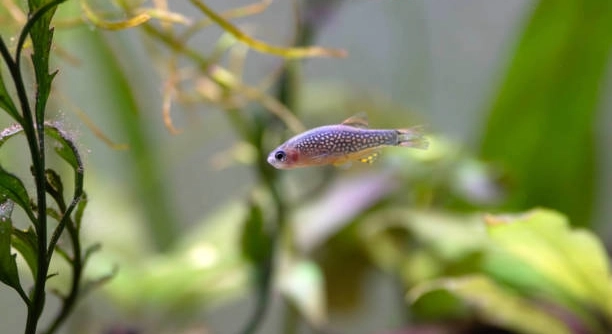
Keeping danios in a healthy and comfortable environment is essential for their well-being. Many aquarists focus on tank size and water quality but often overlook the impact of water flow on these small, active fish.
Reducing flow in danio tanks is important because strong currents can stress the fish, interfere with their natural swimming patterns, and negatively affect feeding and breeding behaviors. Moderate water movement supports healthier, more balanced tank dynamics for the species.
Learning to manage flow can improve overall tank stability and help danios thrive, creating a calmer and more suitable habitat for their daily activities.
Flow Stress on Danios
Strong currents in a danio tank can cause constant stress. These small fish are fast swimmers but rely on gentle water movement to conserve energy. When flow is too high, they struggle to maintain their position, often swimming continuously against the current. This can lead to fatigue and weakened immune systems over time. Excessive flow may also make it harder for danios to interact with tank mates, reducing natural behaviors such as schooling and resting in groups. The constant effort to fight strong currents can cause long-term health problems, including fin damage or reduced appetite. Adjusting the water flow ensures danios can explore their environment safely without unnecessary strain, supporting their natural behavior patterns. Providing calmer areas in the tank allows the fish to rest and feed comfortably, which is crucial for their overall growth and well-being. Monitoring flow is an often overlooked, yet critical factor in maintaining a healthy tank.
Lowering tank flow reduces stress and helps danios stay active without wearing themselves out.
By controlling water movement, aquarists can create zones within the tank where danios can swim freely or rest safely. Gentle currents mimic their natural habitats, improving their comfort and encouraging normal behaviors. Reduced flow allows for better feeding efficiency, as food particles are less likely to be swept away. It also supports healthier schooling patterns, which are essential for their social interactions and stress management. When flow is moderated, danios display brighter colors and improved energy levels. Careful placement of decorations and plants can further break strong currents, giving fish areas to shelter and regain strength. Adjusting filters or adding flow diffusers can help achieve this balance. Observing the fish regularly allows timely adjustments, ensuring the tank remains suitable as the population grows or changes. By prioritizing flow management, the overall stability and harmony of the aquarium environment are significantly enhanced, contributing to the long-term health and happiness of the danios.
Feeding and Flow
High water flow can interfere with feeding, making it difficult for danios to reach food.
Danios can struggle to capture flakes or pellets in strong currents, causing them to expend extra energy. Reducing flow ensures all fish have access to food, promoting better nutrition and growth while minimizing stress during mealtime.
Breeding Success
High water flow can make breeding difficult for danios, as eggs and fry may be swept away or damaged. Reducing flow creates safer, calmer areas that support natural spawning behaviors and early development.
Calmer water allows female danios to lay eggs in protected spots, while males can fertilize them without interference from strong currents. Fry are delicate and require low flow to avoid being stressed or physically harmed. Gentle water movement helps distribute oxygen evenly without washing eggs or young fish around, increasing survival rates. Using plants or spawning mops can further shelter eggs, giving them a better chance to hatch safely. A well-balanced tank flow ensures that both adults and fry maintain healthy behavior patterns and reduces the risk of injury, making breeding more successful. Observing the tank regularly allows you to adjust flow levels as eggs develop and fry grow, ensuring the environment remains optimal for all stages of life.
Controlled flow also reduces aggressive chasing during breeding. This creates a more peaceful environment, encouraging natural pairings and improving overall reproductive outcomes.
Energy Conservation
Danios expend less energy when flow is moderate, allowing them to focus on feeding, schooling, and exploration without constant effort against strong currents.
Strong currents force danios to swim continuously, which can lead to fatigue and decreased energy reserves. By lowering water movement, fish can conserve energy and engage in normal behaviors more efficiently. Energy conservation is especially important for young or older fish, which are more vulnerable to stress and disease. Reduced flow also supports proper digestion, as fish are less likely to skip meals or struggle while feeding. With calmer water, danios maintain better overall health, exhibit brighter coloration, and have improved stamina for social interactions. Adjustments to flow should be gradual to prevent sudden changes that could shock the fish, ensuring they acclimate smoothly to the calmer conditions.
Gentle currents promote longer, healthier life spans by allowing danios to thrive without unnecessary strain or stress in their environment.
Preventing Fin Damage
Strong water flow can wear down danios’ delicate fins, causing tears or fraying over time. Reducing flow helps maintain healthy fins and prevents injuries that may lead to infections.
Calmer areas in the tank allow danios to swim safely without constant contact with decorations or rough currents, protecting their fins.
Encouraging Natural Behavior
Moderate flow allows danios to exhibit normal schooling, resting, and exploring patterns. Too much current disrupts these behaviors, reducing overall well-being.
By adjusting water movement, fish can interact naturally with their environment. They swim in coordinated groups, find hiding spots, and explore safely without stress, which supports mental and physical health.
Easier Maintenance
Lower flow reduces debris being constantly moved around, making it easier to clean the tank and maintain water quality.
FAQ
Why is water flow important for danios?
Water flow directly affects danios’ health and behavior. Moderate flow mimics their natural habitat, allowing them to swim comfortably, feed efficiently, and interact socially. Too much current can lead to stress, fatigue, and fin damage. Proper flow ensures a balanced environment that supports both physical and mental well-being.
How do I know if my tank flow is too strong?
Signs of strong flow include fish constantly swimming against the current, frayed fins, reduced feeding, or avoidance of certain areas. Fry may be swept around, and plants or decorations may shift excessively. Observing the fish regularly and checking how they respond to the current can help determine if adjustments are needed.
What is the best way to reduce flow in a danio tank?
Flow can be reduced by adjusting filter settings, redirecting outlets, or adding flow diffusers. Plants, rocks, and decorations can create sheltered areas that break strong currents. The goal is to maintain circulation for oxygen and cleanliness while preventing stress and injury to the fish.
Can reducing flow affect water quality?
Lowering flow slightly does not harm water quality if filtration remains sufficient. Regular maintenance, such as partial water changes and cleaning, ensures the tank remains healthy. Creating gentle zones with varied flow can balance oxygen levels while keeping debris from settling excessively in calm areas.
How does flow impact breeding?
Strong currents can sweep away eggs and fry, reducing survival rates. Calm zones allow natural spawning behaviors and protect young fish. Females can deposit eggs in safe spots, and males can fertilize them without interference. Flow management is crucial for supporting breeding success in a home tank.
Do plants help with managing flow?
Yes, plants act as natural flow buffers. They provide shelter, reduce current in specific areas, and allow fish to rest or hide. Dense planting also mimics natural habitats, encouraging normal swimming and schooling patterns. Plants improve overall tank stability by creating microenvironments with gentler currents.
Will reducing flow make the tank less dynamic?
Not necessarily. Water circulation can still be maintained at lower speeds to ensure oxygen distribution and cleanliness. Fish enjoy moderate currents for exercise, but calmer areas provide rest and reduce stress. A well-planned tank with zones of varying flow balances activity and relaxation.
How often should I adjust flow levels?
Flow adjustments depend on tank size, population, and equipment. Start with moderate levels and observe fish behavior. Adjust gradually, especially when introducing new fish, fry, or plants. Regular monitoring ensures the tank environment stays safe and supportive for all inhabitants.
Can strong flow cause health problems?
Yes, continuous high flow can lead to fatigue, weakened immune systems, and increased susceptibility to disease. It can also damage fins and reduce feeding efficiency. By reducing flow, fish maintain energy, grow stronger, and exhibit natural behavior more consistently.
What equipment helps control flow effectively?
Flow can be managed using adjustable filters, spray bars, sponge filters, or diffusers. Decorations, plants, and rocks also help break current without affecting overall circulation. Combining equipment adjustments with thoughtful tank layout provides a comfortable and safe environment for danios.
Does flow affect schooling behavior?
Yes, excessive current can disrupt schooling patterns. Fish may scatter or avoid certain areas, reducing natural social interactions. Moderate flow encourages coordinated movement, allowing danios to form schools safely and reduce stress while maintaining natural behavior.
Is there an ideal flow rate for danios?
The ideal flow rate allows fish to swim actively without constant struggle. While it varies by tank size and setup, the key is creating areas of moderate movement and calmer zones. Observation and minor adjustments ensure flow supports swimming, feeding, and resting behaviors effectively.
How can I test my tank flow?
You can test flow visually by observing fish movement and debris patterns. Floating lightweight objects like leaves or small pieces of paper can show current strength and direction. Adjust equipment as needed to create gentle zones where fish can rest and feed comfortably.
Will lowering flow affect filter efficiency?
Properly adjusted filters can maintain water quality even with reduced flow. Ensure the filter intake and output are balanced, and check that water circulates sufficiently to prevent stagnant spots. Combining filter adjustments with natural flow breaks helps sustain a healthy tank environment.
How do fry respond to high flow?
Fry are extremely sensitive to strong currents. High flow can cause stress, physical injury, or mortality by sweeping them into surfaces or out of protective areas. Reducing flow ensures fry can feed, grow, and develop safely without unnecessary energy loss or risk.
What signs show fish are comfortable with flow?
Comfortable fish swim calmly, interact socially, feed efficiently, and rest in protected areas. They display normal coloration, smooth fin movement, and active schooling patterns. Observing these behaviors helps confirm that flow levels are appropriate for a healthy, balanced tank.
How important is gradual adjustment?
Sudden changes in flow can shock fish, causing stress or injury. Gradual adjustment allows them to acclimate to new conditions, maintain normal behavior, and prevent health issues. Small incremental changes over days or weeks are ideal for ensuring a stable and safe tank environment.
Can decorations replace equipment for flow control?
Decorations alone can break currents in small tanks but are often insufficient for larger setups. Combining equipment adjustments with plants, rocks, and ornaments ensures effective flow management without compromising oxygenation or cleanliness. Proper placement creates calm areas and reduces strain on fish.
Does tank shape affect flow?
Yes, long, narrow tanks may create stronger currents along their length, while wider tanks allow more varied movement. Adjusting outlet positions, using diffusers, or adding obstacles helps balance flow throughout the tank, ensuring all areas provide suitable swimming conditions.
What are the risks of ignoring flow management?
Ignoring flow can lead to chronic stress, fin damage, reduced feeding efficiency, disrupted schooling, poor breeding outcomes, and increased disease susceptibility. Proper management is essential to maintain a healthy, thriving environment for danios and protect their long-term well-being.
How often should I observe flow impact?
Daily observation is recommended, especially after equipment changes, new fish additions, or planting adjustments. Regular monitoring ensures fish behavior remains natural, stress is minimized, and the tank stays balanced for optimal health and activity.
Can flow adjustments improve overall tank harmony?
Yes, thoughtful flow management enhances swimming comfort, feeding efficiency, breeding success, and social interaction. Gentle currents combined with calm zones create a more stable, balanced environment that supports both physical health and natural behaviors in danios.
Are there species-specific considerations?
Danios tolerate moderate currents, but other species may prefer stronger or weaker flow. When mixing species, ensure flow levels accommodate all inhabitants without compromising comfort or health. Adjusting zones and using diffusers helps meet diverse needs within the same tank.
What is the simplest method to start reducing flow?
The easiest method is lowering filter output or redirecting flow away from high-traffic areas. Adding plants or ornaments provides natural flow breaks. Start gradually, observe fish response, and make incremental changes until the environment is comfortable and safe.
Does water temperature interact with flow effects?
Yes, higher temperatures can increase metabolism, making strong currents more stressful. Moderate flow combined with stable temperature ensures fish can swim comfortably, feed efficiently, and maintain normal activity levels without additional stress.
How can I create zones with different flow levels?
Use a combination of equipment settings, plants, rocks, and decorations to create calm pockets alongside areas with moderate circulation. This allows fish to choose activity or rest areas, reducing stress and supporting natural behavior patterns in the tank.
Will adjusting flow help shy or weaker fish?
Yes, reducing current creates safe areas where timid or weaker fish can rest and feed without being bullied or forced to swim constantly. Gentle zones allow them to recover energy, engage socially at their own pace, and avoid injury or stress.
Is there a visual cue for strong versus moderate flow?
Visual cues include water surface rippling, floating debris moving quickly, or fish struggling against currents. Moderate flow moves water gently, allowing debris to settle slowly and fish to swim naturally without constant exertion. Observation helps fine-tune the ideal flow level.
Can I combine multiple filters for better flow control?
Yes, using multiple filters allows customization of flow throughout the tank. Adjusting each filter individually and adding diffusers or decorations helps create varied current zones, ensuring a balanced environment suitable for all danios.
How long does it take for fish to adjust to reduced flow?
Fish generally acclimate within a few days to a couple of weeks, depending on the initial current strength and tank population. Gradual changes support smoother adaptation and minimize stress, ensuring they resume normal behaviors quickly.
Does flow affect oxygenation?
Proper flow helps distribute oxygen and maintain water quality. Reduced flow should still allow circulation to prevent stagnant spots. Gentle currents combined with adequate filtration ensure sufficient oxygen for all inhabitants without causing unnecessary strain.
How do I balance flow for active vs. passive fish?
Create zones of moderate flow for active swimmers and calm pockets for less active or shy species. This allows all fish to engage comfortably with their environment, conserving energy while supporting natural behaviors and social interactions.
Can lowering flow reduce tank noise?
Yes, slower water movement often reduces surface splashing and filter noise. Calm water can create a quieter tank environment, making it more pleasant for both the fish and the caretaker.
Should I adjust flow differently for breeding vs. regular periods?
Yes, during breeding, calmer water protects eggs and fry. Once young fish grow, flow can be gradually increased to encourage exercise, normal feeding, and schooling behaviors without compromising safety.
What common mistakes should I avoid when adjusting flow?
Avoid sudden changes, ignoring fish behavior, or relying solely on decorations without ensuring proper filtration. Overcompensation with strong currents or stagnant areas can harm fish health. Regular observation and incremental adjustments are key to maintaining balance.
How do I combine plants and equipment for flow management?
Place taller plants near outlets to break currents and create shelter. Use diffusers or adjustable filter outputs to maintain gentle circulation. Combining both ensures sufficient oxygenation while reducing stress and supporting natural behaviors.
Can flow adjustments prevent aggressive behavior?
Yes, calmer areas reduce chasing and territorial disputes. Fish are less likely to expend excessive energy competing, promoting peaceful interactions and better overall tank harmony.
Does tank size change flow considerations?
Larger tanks may require multiple outlets or diffusers to balance flow, while smaller tanks need careful adjustment to prevent turbulence. Tank layout, decorations, and population density all influence how flow should be managed for optimal comfort.
How often should equipment be checked after flow adjustments?
Check weekly or after changes in population, plants, or decorations. Ensuring filters and diffusers are functioning correctly maintains consistent flow and prevents accidental stress or harm to the fish.
Can lowering flow help during illness?
Yes, calm water reduces stress and allows sick fish to conserve energy, feed more easily, and recover faster. It also prevents further injury or fin damage, supporting the healing process.
Is it necessary to monitor flow after adding new fish?
Absolutely. New fish may react differently to existing currents, and adjusting flow ensures they acclimate safely without excessive stress or fatigue. Observing interactions and swimming patterns helps fine-tune conditions.
Do substrates affect flow?
Yes, gravel or sand can influence water movement. Finer substrates may shift more easily in strong currents, while larger particles help stabilize flow. Proper substrate choice combined with flow adjustments prevents debris buildup and supports fish safety.
How can I measure flow without equipment?
Observe fish behavior, floating objects, or the movement of plants and decorations. Fish struggling to swim or constantly holding position indicate strong flow, while gentle, uniform movement shows moderate, comfortable currents.
Can lighting affect flow behavior?
Indirectly, yes. Bright lighting can encourage more active swimming, making strong currents more stressful. Adjusting lighting along with flow creates a balanced environment for feeding, exploration, and resting behaviors.
Should flow be different for community tanks?
Yes, mixed-species tanks require flow that accommodates all fish. Creating zones with varied current ensures active species can swim comfortably while calmer species have sheltered areas to rest safely.
How does tank depth influence flow?
Deeper tanks may create stronger downward currents, while shallow tanks allow gentler circulation. Adjust outlet positions and use decorations to break flow and create balanced conditions throughout the vertical space.
Are there seasonal considerations for flow adjustments?
Temperature fluctuations or breeding seasons may require minor adjustments. Warmer water increases metabolism, making strong currents more stressful. Calm zones remain essential during sensitive periods like spawning or fry development.
Does flow affect algae growth?
Yes, strong currents can reduce algae in certain areas but may promote it in corners. Moderate flow combined with proper lighting and maintenance controls algae while supporting fish health.
Can I reduce flow too much?
Yes, overly stagnant water can lead to low oxygen, debris buildup, and uneven circulation. The key is moderation: maintain gentle movement that supports water quality without stressing fish.
Are there visual cues for proper flow balance?
Fish swimming comfortably, plants moving naturally, and minimal debris buildup indicate balanced flow. Gentle surface ripples and healthy fish behavior show the tank is well-adjusted.
Is flow adjustment different for heated vs. unheated tanks?
Yes, heated water increases metabolism, making high currents more stressful. Calmer flow in heated tanks ensures fish conserve energy while maintaining normal activity and feeding behaviors.
How does substrate depth affect flow near the bottom?
Deeper substrate can slow currents near the bottom, providing calmer areas for fry or resting fish. Shallow substrate may allow stronger flow to reach the tank floor, requiring decorations to create protected zones.
What role do air stones play in flow management?
Air stones increase circulation and oxygenation but can create turbulence. Combining them with flow adjustments ensures water movement is gentle enough for danios while still supporting tank health.
Can I rely solely on natural breaks like plants for flow control?
Plants help, but equipment adjustments are usually needed to maintain overall circulation, oxygenation, and cleanliness. Combining both provides the most effective solution for comfortable danio swimming.
Does tank population size influence flow decisions?
Yes, more fish create turbulence and compete for calm zones. Adjusting flow and creating multiple sheltered areas ensures all fish can swim, feed, and rest without stress or fatigue.
How do I balance exercise and stress with flow?
Moderate flow encourages swimming and natural activity without overexertion. Providing zones of different current lets fish choose when to be active or rest, supporting health and reducing stress simultaneously.
Can lowering flow improve feeding habits?
Yes, food remains accessible in gentler currents, allowing all fish to eat efficiently. Reduced flow prevents waste, ensures proper nutrition, and reduces competition during mealtime.
Are there signs of flow-related fatigue?
Yes, fish struggling to maintain position, hiding excessively, or showing frayed fins indicate overexertion. Adjusting flow promptly prevents long-term health issues and supports recovery.
Do different danio species prefer different flow levels?
Yes, some species tolerate slightly stronger currents, but all prefer moderate flow for feeding, schooling, and resting. Observing species-specific behavior ensures appropriate adjustments for mixed or single-species tanks.
Can flow impact water clarity?
High flow can keep debris suspended, reducing clarity, while moderate flow allows particles to settle without stagnation. Balanced circulation maintains both clean water and a safe environment for fish.
How long should flow adjustments take to show results?
Behavior and health improvements can appear within days, but optimal results may take weeks. Gradual, consistent adjustments are key to lasting comfort and well-being for danios.
Does filter type affect flow strategy?
Yes, power filters, sponge filters, and canister filters produce different currents. Understanding each type helps tailor adjustments and achieve balanced, gentle flow that supports danio health.
How do I maintain consistent flow over time?
Regular equipment checks, gradual adjustments, and monitoring fish behavior ensure flow remains steady. Cleaning filters, repositioning outlets, and trimming plants help maintain consistent, comfortable currents for the tank.
Can I use flow control to reduce aggression in community tanks?
Yes, creating calm zones reduces chasing and territorial disputes. Balanced flow allows all fish to engage comfortably, minimizing stress and improving tank harmony.
Is flow adjustment a one-time task?
No, flow should be reviewed periodically, especially after changes in population, tank layout, or equipment. Continuous observation ensures the environment remains optimal for danios.
Does temperature fluctuation require flow changes?
Yes, higher temperatures increase metabolism and stress from currents. Adjusting flow during warmer periods or heating cycles ensures fish remain comfortable and conserve energy.
How do I combine decorations and equipment for optimal flow?
Place taller plants or rocks near strong outlets to break currents, and use adjustable filters to fine-tune overall circulation. This combination creates safe swimming zones, supports oxygenation, and minimizes stress.
What is the safest way to test new flow levels?
Gradually reduce or redirect current while observing fish behavior. Signs of comfort include normal swimming, feeding, and resting patterns. Incremental changes prevent stress and allow safe adaptation.
How do I protect fry while maintaining adult circulation?
Create calm zones with plants or spawning mops where fry can hide, while maintaining moderate circulation in other areas. This ensures adults remain active without endangering young fish.
Does flow affect fish color?
Yes, stressed fish may lose vibrancy. Moderate flow allows comfort and normal behavior, helping danios display brighter, healthier coloration.
Are there tools to measure flow accurately?
Flow meters exist but are not essential. Observation of fish behavior, debris movement, and surface ripple patterns provides practical insight into current strength.
Can adjusting flow reduce disease risk?
Yes, stress from strong currents lowers immunity. Gentle flow supports natural behavior, reduces fatigue, and helps fish resist illness.
How often should flow be reviewed for growing tanks?
Weekly monitoring is ideal as fish size and population density increase. Adjustments maintain comfort and prevent stress or injury.
Does substrate type influence flow near feeding areas?
Yes, finer substrates may allow food to settle quickly, while coarser gravel can keep particles suspended. Adjusting flow ensures food remains accessible without causing excessive turbulence.
Can flow changes influence mating displays?
Yes, calmer water encourages natural courtship behaviors. Reduced current allows males and females to interact without interference, increasing spawning success.
How do I balance filtration and calm zones?
Ensure filters circulate water adequately, then create gentle zones with plants or decorations. This balance supports oxygenation and cleanliness while providing stress-free areas for danios.
Is there a risk of overcompensating when reducing flow?
Yes, too little circulation can cause stagnation and low oxygen. Gradual reduction with observation prevents harm while maintaining healthy water conditions.
Can lowering flow improve fin regeneration?
Yes, calmer currents reduce damage and allow fins to heal naturally. Fish can swim without constant friction or tearing, supporting recovery.
Does tank height affect flow considerations?
Taller tanks may produce stronger vertical currents. Positioning outlets and using decorations strategically helps create calmer areas at various depths.
Final Thoughts
Managing water flow in a danio tank is one of the most important steps for keeping these small fish healthy and happy. Strong currents may seem harmless at first, but they can cause stress, fatigue, and even physical damage over time. Danios are active swimmers, but they also need calm areas to rest, feed, and interact naturally. Adjusting flow is not just about comfort; it also directly affects their health, behavior, and long-term survival. By paying attention to how water moves in your tank, you can create an environment that mimics their natural habitat and supports their overall well-being. Observing the fish regularly helps determine the right balance between circulation and calm zones.
Lowering water flow improves feeding efficiency, as food is less likely to be swept away and all fish can access it without competing against strong currents. Fry and young fish particularly benefit from gentler currents, which reduce the risk of injury and help them grow in a safer environment. Adults also benefit from reduced flow, as it lowers energy expenditure and supports normal schooling patterns. Plants, decorations, and careful filter placement can help create sheltered areas and break strong currents without compromising water quality. Flow management also encourages natural behaviors such as exploration, resting, and social interaction, which are important for mental and physical health. Creating a balance between moderate circulation and calmer zones ensures a stable and supportive environment for all fish in the tank.
Adjusting flow is a simple but often overlooked aspect of aquarium care. Even small changes can make a noticeable difference in fish comfort and behavior. Gradual adjustments are key, as sudden changes can stress the fish. By observing how the danios respond and making incremental changes to filter output, placement, or tank layout, aquarists can find the optimal flow that supports both activity and rest. Calmer water also reduces fin damage and helps prevent stress-related health issues, while moderate circulation maintains oxygen levels and keeps the tank clean. With careful flow management, your danios will be more active, display brighter coloration, feed efficiently, and enjoy a healthier life overall. Prioritizing these adjustments creates a balanced, comfortable, and thriving tank environment for every fish.

Hello,
If you enjoy the content that we create, please consider saying a "Thank You!" by leaving a tip.
Every little bit helps us continue crafting quality advice that supports the health, happiness, and well-being of pets around the world, for pets of all shapes, sizes, and species.
We really appreciate the kindness and support that you show us!