
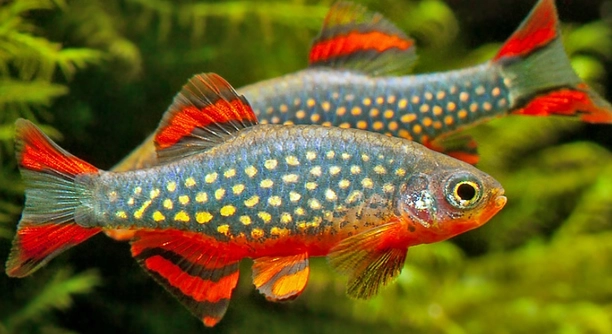
Danios are lively and social fish that naturally form tight groups in the aquarium. Many aquarists notice their fish spread out, making the tank feel less dynamic and harmonious than it could be.
Adjusting tank conditions such as lighting, water flow, temperature, and space can significantly influence schooling behavior. Providing a consistent diet, reducing stressors, and introducing tank companions strategically encourage danios to swim more cohesively.
Following simple adjustments can transform your aquarium, creating a lively, synchronized group of danios that is enjoyable to watch and healthier overall.
Tank Size and Layout
A properly sized tank is essential for danios to school comfortably. Smaller tanks limit movement and make it difficult for fish to form cohesive groups. A tank of at least 20 gallons is ideal for a small school, with larger tanks preferred for bigger groups. Avoid overcrowding, as too many fish can lead to stress and fragmented schools. Open swimming areas encourage synchronized movement, while excessive decorations or obstacles may force danios to scatter. Placement of plants, rocks, and driftwood should create both hiding spots and clear paths for swimming. Using mid-height plants allows fish to swim freely above and around them, promoting natural schooling behavior. Gentle slopes or varied substrate levels can also encourage exploration and cohesion, giving fish more areas to interact and maintain a group formation. Observing your danios’ behavior regularly helps you adjust tank layout to optimize schooling. A tank with balance and thoughtful design enhances both fish well-being and visual appeal.
Keeping a balanced layout ensures the fish have enough space to move freely, which naturally supports closer schooling.
A thoughtfully arranged tank encourages danios to interact and swim in coordinated groups. Open areas combined with strategic plant and rock placement prevent them from hiding excessively or becoming isolated. Maintaining clear paths and gentle water flow also supports natural schooling patterns, keeping the group cohesive and reducing stress. By optimizing space, your danios can display their full, lively behavior while remaining healthy.
Water Flow and Filtration
Moderate water flow supports danios’ natural movement and helps them school more tightly.
Proper filtration maintains water quality, reducing stress that can scatter fish. A gentle current mimics their natural river habitats, promoting steady, synchronized swimming.
Water flow should not be too strong, as excessive currents can tire danios and disrupt schooling. Positioning the filter output to create a gentle circular movement encourages fish to swim in unison while exploring the tank. Regular maintenance ensures consistent water parameters, which are crucial for cohesive behavior. Testing for ammonia, nitrites, and nitrates keeps the environment stable, preventing sudden changes that may cause stress. Introducing flow gradually allows danios to adapt without panic. Filters that diffuse water evenly across the tank minimize turbulence, creating areas where fish feel comfortable schooling. Combining moderate flow with strategic placement of plants and decorations further supports group cohesion. Overall, careful attention to water flow and filtration results in a calmer, more synchronized school, reflecting both natural instincts and healthy conditions.
Temperature Consistency
Maintaining a stable temperature is crucial for danios to school closely. Sudden fluctuations can stress the fish and cause them to scatter or hide. A consistent range of 72–78°F keeps them active and encourages synchronized swimming.
Temperature directly affects metabolism and energy levels in danios. When the water is too cold, fish become sluggish and less likely to school tightly. Overly warm water can increase activity but may also raise stress levels, causing disorder in the group. Using a reliable heater with a thermostat helps maintain stable conditions. Monitoring the temperature daily ensures sudden drops or rises are caught early, preventing disruptions in schooling behavior.
Consistency also promotes overall health, making danios more social and coordinated. Fish that experience stable temperatures tend to be calmer, swim in formation more often, and interact naturally with tank mates. Small adjustments, like avoiding direct sunlight or drafts, help keep water within the ideal range, supporting natural schooling instincts and making the aquarium more enjoyable to observe.
Lighting Adjustments
Proper lighting helps danios feel secure and encourages closer schooling. Avoid harsh or flickering lights that can startle fish or create uneven swimming patterns.
Gradually increasing light intensity in the morning and reducing it at night mimics natural cycles. This consistency supports regular activity periods, making schooling more predictable.
Using soft, evenly distributed lighting highlights the tank without overwhelming the fish. Shadows or overly bright spots may cause fish to scatter or hide, breaking the group’s cohesion. LED lights with adjustable settings allow fine-tuning to match the species’ natural preferences. Positioning lights to cover the entire tank surface ensures all areas are illuminated evenly, reducing stress and promoting synchronized movement. Combining lighting with gentle water flow and open swimming space maximizes the chance that danios will school closely. Proper lighting also benefits live plants, which add structure and additional cues for group swimming. This creates a comfortable, natural environment that encourages danios to maintain a tight, coordinated school.
Group Size
Danios are social fish that feel more secure in larger groups. Smaller schools may swim erratically or spread out, while groups of six or more often display tighter, synchronized movement.
Adding more danios gradually helps the school adjust without causing stress. Balanced group dynamics make schooling more natural and consistent.
Diet and Feeding
A varied, high-quality diet improves energy levels and activity, which supports closer schooling. Providing small, frequent feedings prevents competition and reduces stress. Offering flake, pellet, and live foods encourages natural foraging and keeps the group active.
Stress Reduction
Minimizing sudden movements, loud noises, or rapid water changes reduces stress. Calm conditions allow danios to focus on swimming together naturally.
FAQ
How many danios should be kept together for optimal schooling?
Danios are naturally social fish and perform best in groups. A minimum of six fish is recommended, though larger schools of eight to twelve create more cohesive and visually appealing patterns. Smaller groups may swim erratically or break apart, while larger groups maintain tighter formations. Watching your danios interact can help you decide the ideal number for your tank size.
What tank size works best for schooling danios?
A 20-gallon tank is the minimum for a small school, but larger tanks are preferable. Ample swimming space allows fish to move freely and maintain formation. Overcrowding can lead to stress, aggressive behavior, and scattered schools. The tank should balance open swimming areas with plants or decorations for hiding and exploration, giving danios a comfortable environment to display natural behavior.
Does water flow affect schooling behavior?
Yes, gentle water flow encourages natural swimming patterns. Strong currents can tire fish or disrupt formation, while still water may reduce activity levels. Positioning filters to create a steady, moderate current mimics their natural habitats and supports coordinated movement. Combining flow with open swimming areas allows danios to swim together efficiently and reduces stress.
How important is water temperature for danios?
Stable water temperature is crucial. Danios thrive in 72–78°F. Sudden fluctuations cause stress, reducing schooling behavior and affecting health. Using a reliable heater and monitoring the temperature regularly helps maintain consistency. Small environmental adjustments, like avoiding drafts or direct sunlight, also contribute to a stable, comfortable environment. Consistency encourages natural energy levels and coordinated swimming.
Does lighting influence their schooling?
Yes, consistent and soft lighting improves cohesion. Bright, uneven, or flickering lights can startle fish and break the school. Gradually increasing light in the morning and reducing it at night mimics natural day-night cycles, supporting regular activity. Evenly distributed LED lights highlight the tank while keeping fish comfortable, encouraging them to swim closely together.
What diet encourages active schooling?
Providing a varied diet keeps danios energetic and social. Small, frequent feedings prevent competition and reduce stress, supporting cohesive behavior. High-quality flake, pellet, or live foods mimic natural foraging. Active fish are more likely to swim together, forming tighter schools. Consistent feeding schedules reinforce routine and maintain overall health, which in turn helps the group remain coordinated.
How can I reduce stress in the tank?
Minimizing sudden movements, loud noises, or rapid water changes helps danios feel secure. Calm conditions encourage coordinated swimming and closer schooling. Avoid overcrowding, and introduce new fish gradually. Stable water parameters, consistent feeding, and proper tank layout all contribute to reduced stress, allowing the school to display natural, synchronized behavior.
Do tank decorations impact schooling?
Yes, decorations influence movement patterns. Overly dense or tall plants can fragment the group, while open areas allow for natural formation. Strategic placement of rocks, driftwood, or mid-height plants provides hiding spots without restricting swimming space. Proper layout encourages interaction, giving danios cues to swim together and maintain a tight, cohesive school.
How do I monitor if my danios are schooling properly?
Observe their movement and group cohesion. Healthy schools swim together in coordinated patterns, change direction as a unit, and explore the tank actively. Fragmented or scattered swimming indicates stress, overcrowding, or environmental issues. Adjusting tank size, water parameters, flow, or layout can improve schooling behavior. Regular observation helps maintain a happy, active group.
Can tank mates affect danio schooling?
Yes, compatible tank mates reduce stress and maintain schooling behavior. Aggressive or territorial species can cause danios to scatter or hide. Choosing peaceful, similarly sized fish helps preserve group cohesion. Avoid sudden introductions and monitor interactions to ensure the school remains tight and coordinated.
What are common mistakes that prevent tight schooling?
Overcrowding, sudden temperature changes, poor water quality, strong currents, and inadequate group size are frequent issues. Excessive decorations or aggressive tank mates can also disrupt cohesion. Addressing these factors with careful observation, proper tank maintenance, and gradual adjustments helps danios form and maintain a close, synchronized school.
How long does it take for danios to adjust to a new tank?
Adjustment varies but usually takes one to two weeks. Providing consistent water parameters, gentle lighting, proper flow, and an appropriately sized group allows them to acclimate. During this period, observe behavior and make gradual changes to support schooling. Patience ensures the school develops naturally and remains cohesive.
Can stressed danios recover schooling behavior?
Yes, by correcting environmental stressors. Stable temperature, gentle water flow, proper diet, and safe tank layout allow fish to regain confidence. Reducing disturbances and maintaining water quality helps them reestablish cohesive swimming patterns. Recovery depends on the severity of stress and consistency in care.
Is it necessary to adjust feeding times for schooling?
Yes, consistent feeding encourages routine activity. Feeding at the same times daily stimulates coordinated movement as fish anticipate food. Small, frequent feedings prevent competition, reduce stress, and support energy levels needed for synchronized swimming. Routine strengthens natural schooling instincts over time.
How do I know if my tank is too small for danios?
Signs include fragmented schools, erratic swimming, frequent hiding, and visible stress. Fish may chase each other or become aggressive. Monitoring behavior alongside tank dimensions helps determine if expansion or reorganization is needed. Adequate swimming space is essential for cohesive, natural schooling behavior.
Final Thoughts
Maintaining a close, healthy school of danios requires attention to several key factors. Tank size, water conditions, lighting, and group size all play a role in their natural behavior. When these elements are balanced, danios feel secure and display coordinated swimming, creating a lively and appealing aquarium. Small changes can have a big impact, whether it is adjusting water temperature, providing open swimming areas, or arranging decorations to allow clear paths. Careful observation helps identify which areas need improvement, and consistent maintenance ensures the fish remain active and cohesive over time.
Diet and feeding routines are equally important. Providing high-quality, varied foods in small, frequent portions supports energy levels and natural behavior. Overfeeding or inconsistent feeding schedules can lead to stress and scattered swimming, while proper nutrition encourages activity and interaction within the school. Stress reduction also plays a significant role in maintaining tight schooling. Minimizing sudden movements, loud noises, and rapid water changes allows danios to swim confidently together. Even compatible tank mates contribute to group cohesion, preventing aggression and ensuring all fish have space to move freely. When these factors are combined, the school develops natural patterns and a sense of harmony within the aquarium.
Ultimately, patience and observation are key to helping danios school more closely. Adjustments should be made gradually to allow the fish to acclimate comfortably. Small, consistent efforts often lead to visible improvements in group behavior, with fish swimming in sync and responding to environmental cues naturally. The process also creates a healthier and more engaging aquarium environment, benefiting both the fish and the keeper. By focusing on stable conditions, proper tank design, and attentive care, danios can display their full schooling potential, making the aquarium more vibrant and enjoyable to watch. Regular attention to these details ensures long-term success and maintains a dynamic, active group that thrives in its home.

Hello,
If you enjoy the content that we create, please consider saying a "Thank You!" by leaving a tip.
Every little bit helps us continue crafting quality advice that supports the health, happiness, and well-being of pets around the world, for pets of all shapes, sizes, and species.
We really appreciate the kindness and support that you show us!