
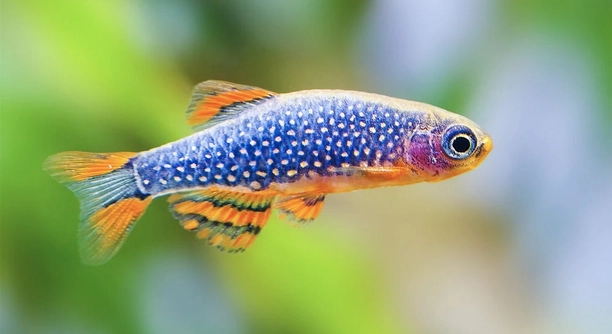
Danios are active, lively fish that usually swim around their tanks with ease. Sometimes, however, they may remain hidden for extended periods, leaving their owners concerned about their behavior and overall health in the aquarium.
Danios may hide all day due to several environmental, biological, or social factors. Common reasons include sudden changes in water conditions, stress from tankmates, illness, insufficient lighting, improper feeding routines, or lack of appropriate shelter, all of which can alter normal activity patterns.
Understanding these behaviors is essential for maintaining a healthy aquarium. Identifying the cause can help you make small adjustments that improve your danios’ comfort and activity levels.
Sudden Changes in Water Conditions
Danios are sensitive to their tank environment, and sudden changes in water temperature, pH, or hardness can make them retreat. I once noticed my fish hiding for almost a full day after accidentally adding tap water that was too cold. Even small fluctuations can create stress, causing them to seek shelter. Stress from water changes can weaken their immune system, making them more vulnerable to illness. Maintaining a consistent temperature, ideally between 72 and 78°F, and monitoring pH levels between 6.5 and 7.5 helps keep them active. Regular testing and gradual adjustments can prevent these hiding behaviors. It’s important to prepare any new water by conditioning it properly before adding it to the tank. Using a thermometer, water conditioner, and slow acclimation steps can make a big difference in their comfort and willingness to swim around freely, rather than staying hidden.
Keeping water stable allows danios to feel secure and maintain normal activity throughout the day.
By keeping water changes gradual and controlled, you reduce stress significantly. Danios will start swimming more confidently and resume normal behaviors quickly. Observing their reactions after minor adjustments helps you understand their preferences. Small improvements, like adding a heater or buffering pH shifts, can prevent repeated hiding. Over time, your tank becomes more predictable for them, encouraging activity and reducing stress-induced hiding episodes. Proper filtration, aeration, and routine monitoring ensure that the tank’s environment stays suitable for their health, letting you enjoy watching their natural energy without worrying about their sudden disappearances.
Stress from Tankmates
Aggressive or overly active tankmates can push danios into hiding. Even minor harassment from other fish can make them stay in corners, under plants, or behind decorations for hours.
Social stress is a key reason danios may retreat. Keeping compatible species and sufficient space helps maintain harmony.
When danios share a tank with more dominant or territorial fish, stress levels rise quickly. Even if tankmates are only mildly aggressive, chasing or nipping can trigger hiding behaviors. Providing plenty of hiding spots, like plants, caves, or driftwood, gives them refuge when needed. Observing how fish interact during feeding and free swimming can reveal problem areas. If conflicts persist, separating aggressive individuals or rearranging decorations can improve comfort. Choosing species with similar temperaments and activity levels also reduces stress. Overcrowding should be avoided, as it increases tension and competition for space. By managing social interactions carefully, danios are more likely to explore the tank confidently, engage with their environment, and return to normal swimming patterns without prolonged hiding periods.
Illness or Parasites
When danios feel unwell, hiding becomes a natural response. Signs like clamped fins, sluggish swimming, or loss of appetite often accompany extended hiding, signaling a potential health problem.
Illnesses such as bacterial infections, fungal growth, or parasitic infestations can make fish retreat. I once had a danio hide for two days before I noticed small white spots on its body. Early detection is critical for treatment. Quarantining the affected fish and maintaining clean water reduces the spread of disease. Regular observation during feeding and swimming ensures you can act quickly. Providing a balanced diet and avoiding sudden environmental changes strengthens their immune system, making them less prone to illness.
Treating sick danios promptly improves recovery chances. Using appropriate medications and keeping water conditions stable helps them feel secure. Recovery often includes a gradual return to normal swimming, reducing prolonged hiding and restoring energy levels for healthy activity in the tank.
Improper Lighting
Danios may hide if the tank lighting is too bright or too dim, affecting their comfort. Sudden changes in light intensity can startle them and encourage retreating.
Bright lights can stress danios, causing them to seek shade. I observed my fish hiding under plants when the overhead light was on too long. Conversely, very dim lighting may make them less active, as they rely on visual cues for movement and feeding. Adjusting the duration and intensity of light helps them feel secure. Using floating plants or shaded areas gives them control over exposure, allowing them to come out gradually. A consistent day-night cycle also supports natural rhythms, preventing prolonged hiding and encouraging normal activity.
Proper lighting promotes healthy behavior, reduces stress, and encourages regular swimming. Providing shaded areas, adjusting light duration, and observing responses ensures danios remain comfortable and engaged. By tailoring light conditions to their needs, you can prevent them from hiding excessively while supporting their overall health and natural patterns in the tank.
Lack of Hiding Spots
Danios often hide when there are few places to feel safe. A bare tank can make them nervous, especially if they sense sudden movements or tankmate activity.
Adding plants, rocks, or small caves gives them refuge. Even small decorations can help danios feel secure and reduce constant hiding.
Overfeeding
Overfeeding can make danios lethargic, causing them to hide more. Excess food pollutes the water, leading to stress and decreased activity. I noticed my danios stayed under plants after I accidentally overfed for several days.
Maintaining a proper feeding schedule, with small portions twice daily, keeps the water cleaner and encourages natural activity. Removing uneaten food quickly prevents water quality issues that could otherwise contribute to prolonged hiding behaviors.
Water Flow Issues
Strong or uneven currents can make danios uncomfortable, prompting them to hide behind decorations or plants. Adjusting filters or flow devices helps them find calmer areas.
Stress from Frequent Handling
Frequent tank maintenance or moving the tank can stress danios, making them retreat for hours. Minimizing unnecessary disturbances allows them to adjust and feel secure in their environment.
Why do my danios hide all day even though the tank looks fine?
Even if the tank appears clean and well-maintained, subtle factors can make danios hide. Small fluctuations in temperature, pH, or water hardness can cause stress without being immediately noticeable. Sometimes tankmates may be more aggressive than expected, or lighting may be too intense. Danios are naturally cautious fish, so even minor changes in their environment can trigger hiding. Observing behavior patterns during feeding or when lights change can reveal what’s bothering them. Making small adjustments gradually, like dimming lights, adding more hiding spots, or stabilizing water parameters, often encourages them to be more active.
Can hiding be a sign of disease in danios?
Yes, extended hiding can indicate illness. Fish that stay hidden often show additional symptoms such as clamped fins, rapid breathing, white spots, or loss of appetite. Parasites, bacterial infections, and fungal growth are common causes. I once had a danio hide for two days, and close inspection revealed early signs of a fungal infection. Prompt treatment, including quarantining affected fish and maintaining clean water, improves recovery chances. Providing a balanced diet supports their immune system, helping prevent prolonged hiding caused by stress or sickness. Observing your fish daily is the best way to catch issues early.
How can I reduce hiding caused by tankmates?
Choosing compatible species and monitoring interactions is essential. Aggressive or territorial fish can make danios retreat frequently. Adding plants, caves, or driftwood provides shelter and reduces tension. Rearranging decorations occasionally breaks up territories, giving danios confidence to swim openly. Avoid overcrowding, as limited space increases stress and hiding behavior. Feeding in multiple locations can also reduce competition, allowing danios to feel secure while eating. Over time, providing a balanced social environment encourages activity and reduces prolonged hiding.
Is hiding normal behavior for danios?
Hiding is a natural defensive behavior, especially when fish feel threatened or stressed. Occasional hiding is normal, but prolonged or constant retreat may indicate an underlying issue. Observing environmental factors, social dynamics, or potential health concerns helps determine whether the hiding is temporary or problematic. Adjustments in lighting, water conditions, or tank layout often restore normal activity levels.
What role does lighting play in hiding behavior?
Lighting intensity and duration affect danios’ comfort. Bright lights can stress them, while very dim conditions may reduce activity. Using floating plants, shaded areas, or adjustable lighting allows them to regulate exposure. Maintaining a consistent day-night cycle also supports natural behavior. Gradual light transitions prevent sudden stress, reducing extended hiding.
Can overfeeding cause hiding in danios?
Yes, overfeeding can lead to lethargy and increased hiding. Uneaten food pollutes the water, causing stress and reduced activity. Feeding small, measured portions twice daily, and promptly removing leftovers, keeps water clean and encourages normal swimming. I noticed my danios hid under plants after several days of overfeeding, and adjusting portions quickly restored activity.
How long should danios hide before it becomes a concern?
Hiding occasionally for short periods is normal, but if they stay hidden most of the day consistently, it signals stress, poor water conditions, or illness. Monitoring water parameters, tankmate interactions, and overall health helps identify the cause. Quick intervention can prevent prolonged inactivity and support healthy behavior.
What can I do to make danios feel more secure?
Providing plenty of hiding spots, stable water conditions, and compatible tankmates is key. Regular feeding routines, gentle lighting, and minimizing sudden disturbances also help. Observing behavior during daily routines gives insight into their comfort. Gradual changes allow danios to explore confidently without prolonged hiding.
Are some danios naturally shy?
Yes, individual temperament plays a role. Some danios are naturally cautious and may prefer staying hidden more often. Even so, environmental improvements can encourage shy fish to become more active over time. Offering refuge and reducing stress helps all danios, shy or outgoing, feel safer.
Should I separate hiding danios from others?
Only if aggressive tankmates are the issue. Separation can reduce stress and prevent injuries. Otherwise, improving the tank environment with plants, caves, or calmer companions is usually sufficient. Regular observation ensures any necessary adjustments are timely and effective.
This FAQ covers the main reasons danios hide, from environmental stress to health concerns. Addressing these factors directly helps maintain a safe, comfortable tank where danios are active and healthy.
Danios are lively fish that usually swim around their tank with ease, but sometimes they hide for long periods. Hiding is often a sign that something in their environment or routine is causing stress. It could be sudden changes in water temperature, pH, or hardness, aggressive tankmates, or insufficient hiding spots. Even lighting that is too bright or too dim can make them retreat. Overfeeding or water flow that is too strong may also contribute to prolonged hiding. Observing their behavior carefully can help identify what is affecting them. Noticing patterns, such as when they hide after feeding or when new fish are added, can provide important clues. Small adjustments, like rearranging decorations, adding plants or caves, and stabilizing water conditions, can make a noticeable difference in how comfortable they feel.
Maintaining good tank conditions is essential for keeping danios active. Consistent water quality, proper filtration, and routine testing of parameters such as temperature and pH are important steps. Feeding small portions at regular times helps avoid stress caused by leftover food and water pollution. Introducing new tankmates gradually and ensuring they are compatible reduces social stress. If illness or parasites are suspected, prompt treatment and quarantine can prevent further problems. Providing multiple hiding spots gives danios a sense of security while still allowing them to swim and explore freely. Paying attention to these details helps them adjust quickly, reducing the time they spend hiding and improving their overall health. A stable and predictable environment encourages normal behavior and allows their natural energy to show.
Danios may naturally be cautious or shy, and some individuals may hide more than others. This is normal, but it does not mean that environmental factors or health concerns should be ignored. Creating a balanced tank environment tailored to their needs is the best approach. Over time, shy or stressed danios often become more active as they gain confidence in their surroundings. Observation, patience, and small, thoughtful changes are key to helping them feel secure. By monitoring their behavior, making gradual improvements, and addressing any signs of illness or stress promptly, you can ensure that your danios enjoy a safe, healthy, and comfortable home where hiding becomes less frequent and swimming becomes their main activity.

Hello,
If you enjoy the content that we create, please consider saying a "Thank You!" by leaving a tip.
Every little bit helps us continue crafting quality advice that supports the health, happiness, and well-being of pets around the world, for pets of all shapes, sizes, and species.
We really appreciate the kindness and support that you show us!