
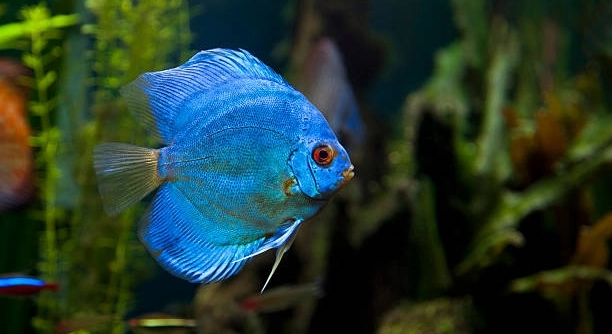
Do you ever find yourself bringing home new discus and placing them straight into your main tank without thinking twice?
Quarantining new discus long-term is essential to prevent disease transmission, monitor for hidden health issues, and ensure compatibility with existing tank mates. It protects both the new arrivals and your established aquarium community.
Learning how long-term quarantine supports the overall well-being of your fish can make a lasting difference in your tank’s success.
Protecting Your Existing Fish
New discus can carry parasites or bacteria that aren’t immediately visible. Placing them directly into your main tank puts your healthy fish at risk. A long-term quarantine allows time for any hidden infections to surface and be treated without spreading. This is especially important in discus tanks, where stable conditions are key. These fish are sensitive to change, and an unexpected illness can disrupt the entire system. Quarantining also allows close monitoring of behavior, appetite, and physical changes that may not be obvious in a larger community. Medication, if needed, is easier to manage in a separate tank without exposing healthy fish unnecessarily. Keeping new arrivals isolated for several weeks ensures their stability before introducing them to your main setup.
Quarantine helps you avoid spreading illness from newly purchased fish to your healthy discus. It’s a preventive step that protects the long-term health of your aquarium.
A separate quarantine tank makes it easier to spot problems early. You’ll be able to observe your new discus closely, treat any issues quickly, and avoid unnecessary risks to your established fish. By the time the fish are introduced, you’ll have confidence they’re healthy, stable, and ready to join the main group safely.
Monitoring for Hidden Illness
New discus may appear healthy but still carry stress-related illnesses or internal parasites.
Stress from transport or poor prior conditions can suppress symptoms for several days or even weeks. Quarantining new discus allows you to monitor them daily in a controlled space, away from the distractions and competition in your main tank. Even if a fish looks active and eats well, hidden problems such as internal worms or bacterial infections can take time to show. Early signs may include subtle changes in color, slow feeding, or slightly clamped fins—things easily missed in a larger tank. By having them in quarantine, you can treat problems early before they spread or worsen. This extra time also helps new discus recover from travel, build a routine, and adapt to your feeding schedule. With consistent water quality and limited stress, the fish are more likely to show signs of improvement or reveal underlying issues in a way that’s easier to manage.
Supporting Stress Recovery
Discus often arrive stressed due to shipping, handling, and unfamiliar surroundings. Quarantine provides a stable, low-pressure environment where they can rest, adjust, and regain strength before facing new tank mates or environmental changes.
In a quarantine tank, lighting, feeding, and water changes can be controlled specifically to ease the discus into their new routine. They won’t have to compete for food or deal with dominance behaviors from other fish. Calm surroundings reduce stress-related behaviors like hiding or refusing food. Once the discus begin eating steadily, showing bright colors, and swimming confidently, you’ll know they’re adjusting well. Skipping this step can lead to relapse or worsening health in fish that were already fragile from transit. Quarantine ensures you aren’t introducing fish that are still recovering into a fully stocked tank, where additional stress could overwhelm them.
Stress can suppress appetite, lower immunity, and make fish more prone to infections. Recovery takes time, and even healthy-looking discus might need a few weeks to regain full strength. Without quarantine, subtle signs of stress might go unnoticed until the fish are in your main tank, where treating them becomes more complicated. Giving them a quiet space to settle first increases their chances of staying healthy long-term.
Preventing Aggression and Bullying
Discus have a social hierarchy, and introducing new fish without preparation can trigger bullying. Quarantine gives you time to observe the new fish’s behavior and prepare for smoother integration.
If you introduce new discus directly into an established group, the older fish may become territorial and aggressive. This can lead to injuries, feeding issues, or social stress that affects all tank members. When fish are quarantined first, you can better manage the transition. Over time, you’ll get to know the new discus’s behavior and confidence levels. This helps when planning their introduction into the main tank. You can adjust feeding times, tank layout, or even lighting to reduce tension. A well-planned introduction avoids stress on both sides and keeps aggression low. For shy or younger discus, the time spent in quarantine helps them grow stronger and better prepared to handle group dynamics.
Controlling Feeding and Nutrition
A quarantine tank lets you monitor exactly how much your new discus eat. You can adjust food type and portion without competition, making it easier to build their appetite and ensure proper nutrition during their early adjustment period.
Discus may arrive underweight or unfamiliar with your feeding schedule. Quarantine allows you to try different foods, observe preferences, and ensure consistent eating without stress. This control helps prevent malnutrition and supports long-term health.
Observing Behavior Changes
Subtle behavior shifts like skittishness or lack of appetite often signal early problems. In quarantine, it’s easier to catch these changes before they turn into serious health concerns requiring more aggressive treatment.
Keeping Medication Contained
If treatment becomes necessary, a quarantine tank lets you medicate without affecting your main tank. It saves money, limits chemical exposure to healthy fish, and gives better control over the dosing and duration of treatment.
How long should I quarantine new discus?
A quarantine period of at least 4 to 6 weeks is recommended for new discus. This timeframe allows enough time for any hidden illnesses or parasites to appear and be treated. It also helps the fish adjust to your tank’s water conditions and feeding routine. Shorter quarantines may miss slow-developing problems, increasing risk to your main tank.
Can I use my main tank for quarantine?
Using your main tank for quarantine is not advisable. Quarantine requires isolation from your established fish to prevent disease spread. Your main tank has its own established ecosystem, and introducing new fish directly can disrupt balance and cause illness outbreaks. A separate tank allows focused care and monitoring.
What size tank is best for quarantine?
A quarantine tank should be large enough for the number of discus but not overly spacious. A 20 to 30-gallon tank often works well for a few discus. It should provide enough room for swimming while allowing easy observation. Avoid tanks that are too large, as maintaining water quality and monitoring becomes harder.
Should I use filtration in the quarantine tank?
Yes, filtration is essential in quarantine tanks to maintain clean water. Use gentle filtration to avoid stressing the discus. Sponge filters are a good choice since they provide biological filtration and gentle water flow. Proper filtration reduces ammonia and nitrate buildup, which is crucial for the health of the fish during quarantine.
How often should I change water in the quarantine tank?
Frequent water changes are necessary to keep water quality high during quarantine. Change about 25% to 50% of the water every two to three days. Clean water helps reduce stress and supports healing if your fish are ill. Always use water treated to remove chlorine and match temperature to avoid shock.
Can I feed the same food in quarantine as in the main tank?
Feeding the same high-quality diet is ideal in quarantine. This helps your discus maintain strength and recover from transport stress. You can also experiment with small amounts of different foods to encourage appetite if they refuse to eat at first. Avoid overfeeding, which can foul water quickly.
What signs should I watch for during quarantine?
Watch for signs like loss of appetite, lethargy, rapid breathing, white spots, redness, or frayed fins. Behavioral changes such as hiding or gasping at the surface also indicate problems. Early detection allows prompt treatment, reducing the risk of spreading disease to your main tank.
Is it necessary to medicate discus in quarantine?
Medication is not always necessary but may be required if signs of illness appear. Only medicate after confirming symptoms, as unnecessary treatment can stress the fish further. Consult fish health guides or professionals for the correct medication and dosage.
How do I introduce discus after quarantine?
Introduce discus slowly after quarantine by acclimating them to your main tank’s water conditions. Float the quarantine bag in the main tank to equalize temperature. Gradually mix small amounts of main tank water into the quarantine tank over several hours before transfer. This reduces shock and helps discus adjust smoothly.
Can quarantine help prevent common discus diseases?
Quarantine is one of the best ways to prevent common diseases like Ich, fin rot, and internal parasites. Early detection and treatment during quarantine reduce the chance these illnesses spread to healthy fish in your main tank. It also gives your discus time to recover from stress, making them less vulnerable.
Should I quarantine all new fish, even if they look healthy?
Yes, all new fish should be quarantined regardless of their appearance. Many illnesses can be hidden or dormant when fish are first purchased. Quarantine is a precaution that protects your established fish and preserves the health of your entire aquarium.
Can I keep other fish in the quarantine tank with new discus?
It is best to avoid keeping other species in the quarantine tank with new discus. Mixing species increases the risk of cross-infection and complicates monitoring. The goal is to isolate the new discus so any health issues can be identified and treated without interference.
What equipment do I need for a quarantine tank?
Basic quarantine equipment includes a suitable tank, gentle filtration like a sponge filter, a heater to maintain stable temperature, and a water testing kit. You may also need aquarium salt or medications if treatment becomes necessary. Keep lighting moderate to reduce stress during recovery.
How do I maintain water parameters in quarantine?
Keep water temperature stable between 82°F and 86°F, with pH around 6.5 to 7.0, similar to your main tank. Monitor ammonia, nitrite, and nitrate levels closely with test kits. Frequent water changes and proper filtration help maintain optimal conditions to support discus health.
Can quarantine tanks be reused for future new fish?
Yes, quarantine tanks can be reused. After each quarantine period, clean the tank and equipment thoroughly to remove any pathogens. Avoid using harsh chemicals that could leave harmful residues. Proper maintenance ensures the tank remains safe for future use.
How do I handle discus during quarantine for inspection or treatment?
Handle discus gently with a soft net to minimize stress and injury. Avoid excessive handling unless necessary for treatment or inspection. If you need to medicate, follow dosing instructions carefully and monitor the fish closely during and after treatment.
Quarantining new discus long-term is an important step to protect the health of your entire aquarium. It allows you to carefully observe each fish for signs of illness or stress before introducing them to your main tank. This precaution helps prevent the spread of disease, which can be costly and difficult to control once established. Taking the time to quarantine means fewer surprises later and a better chance for your discus to thrive in their new home.
During quarantine, you can control water quality, feeding, and treatment more easily than in a crowded display tank. This controlled environment helps your discus adjust to new conditions and recover from the stress of transport. Quarantine also gives you time to catch subtle changes in behavior or appearance that may indicate health issues. Early detection is critical for effective treatment, and a quarantine tank provides the ideal setting for close monitoring. It reduces the risk of introducing parasites or infections into your established tank population.
Ultimately, long-term quarantine is a worthwhile investment in the long-term success of your discus care. It requires patience and attention but improves the overall health and stability of your aquarium. Avoiding common diseases and stress factors early on helps your discus develop strong immune systems and adjust smoothly to their new environment. Maintaining good quarantine practices is a key part of responsible fishkeeping, ensuring that your discus have the best chance at a healthy, thriving life.

Hello,
If you enjoy the content that we create, please consider saying a "Thank You!" by leaving a tip.
Every little bit helps us continue crafting quality advice that supports the health, happiness, and well-being of pets around the world, for pets of all shapes, sizes, and species.
We really appreciate the kindness and support that you show us!