
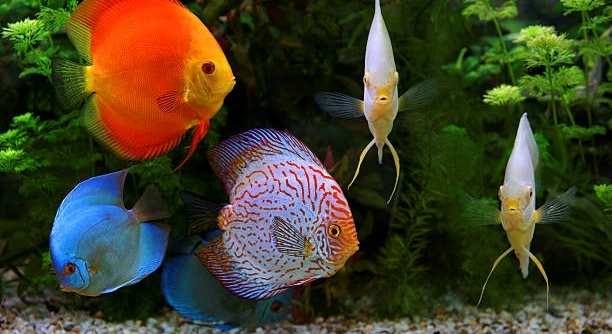
Discus fish are popular aquarium pets known for their bright colors and graceful movements. However, these fish sometimes hide for reasons that might surprise you. Understanding their behavior helps in keeping them healthy and stress-free.
Discus fish hide due to factors like sudden changes in water temperature, poor water quality, aggressive tank mates, lack of hiding spots, improper lighting, stress from overcrowding, and illness. Each of these influences their comfort and sense of security.
Knowing what makes discus fish hide can improve your care routine and create a peaceful environment for them to thrive. This article explores some unusual reasons behind their shy behavior.
Sudden Changes in Water Temperature
Discus fish are sensitive to temperature fluctuations. Even a small drop or rise in the aquarium’s water can cause them to feel unsafe and seek shelter. They prefer stable water conditions around 82–86°F (28–30°C). Sudden changes, like cold water from a filter or heater malfunction, shock their system. This stress can make them hide for hours or even days. Keeping the temperature steady is key to their well-being. Many hobbyists use heaters with thermostats and insulated tanks to avoid surprises. It’s also important to acclimate new fish slowly to your tank’s temperature to prevent stress. If your discus starts hiding after a water change, check the temperature first. Making sure it’s consistent helps them feel comfortable again and reduces hiding behavior. Temperature stability supports their immune system and activity levels, making them more visible and lively in the tank.
Stable water temperature keeps discus fish calm and visible. Fluctuations usually make them retreat to hide quickly.
Watching your discus hide after temperature shifts is a common sign they are uncomfortable. Fixing this is simple—use reliable heaters and monitor water conditions regularly. Avoid sudden water changes or use a gradual method to introduce new water. Discus fish rely on warm, stable water to regulate their body functions. When the water is too cold or hot, they conserve energy by hiding. This behavior protects them from stress and illness. To maintain a healthy tank, always measure the water temperature daily and invest in equipment that keeps it steady. Over time, your discus will become more confident and visible once the temperature remains stable. This care step is one of the easiest but most important to prevent hiding and keep your fish happy.
Poor Water Quality
Poor water quality can quickly make discus fish retreat into hiding. High ammonia, nitrite, or nitrate levels stress them and cause discomfort. Dirty water also encourages harmful bacteria and parasites.
Ammonia and nitrite are toxic to discus fish, even in small amounts. These chemicals build up when tanks are not cleaned regularly or filters fail. Poor water conditions irritate their gills and skin, leading to hiding or lethargy. Testing water parameters weekly helps detect problems early. A proper filtration system is essential to keep water clear and safe. Partial water changes should be done at least once a week to remove waste and toxins. If discus are hiding more than usual, checking water quality is one of the first steps. They need clean, well-oxygenated water to thrive. When water quality improves, discus fish feel secure enough to swim freely and show off their beautiful colors. Keeping a consistent cleaning schedule will prevent stress-related hiding and promote better health overall.
Aggressive Tank Mates
Aggressive fish nearby can make discus hide quickly. Discus are peaceful and avoid confrontations.
If you keep aggressive species with discus, the stress will cause them to hide constantly. Aggressive tank mates chase or nip at discus fins, making them feel unsafe. Over time, this stress lowers their immunity and overall health. It’s best to choose calm fish that won’t disturb discus. Ideal companions include tetras, corydoras, or small peaceful fish. Keeping the tank peaceful helps discus feel secure and reduces hiding behavior.
Sometimes aggression is subtle, like chasing or territorial displays. Even small signs of hostility make discus retreat. Removing or relocating aggressive fish improves discus behavior immediately. If hiding persists, check for other stress factors as well.
Lack of Hiding Spots
Discus fish need places to hide to feel safe. Open tanks without plants, caves, or decorations leave them exposed.
When a tank lacks hiding spots, discus feel vulnerable. Natural covers like plants and driftwood give them security to rest or escape perceived threats. Without these, discus may hide behind equipment or at the bottom, showing discomfort. Adding plants or aquarium-safe decorations helps them relax and reduces hiding.
Hiding spots also create territories for discus to claim. This reduces conflicts and stress among tank mates. A well-decorated tank mimics their natural environment and supports their mental well-being. Making space for these shelters encourages discus to swim openly when they feel safe.
Improper Lighting
Too much light can make discus uncomfortable and cause them to hide.
Bright or harsh lighting stresses discus because they prefer dimmer environments.
Stress from Overcrowding
Overcrowding creates competition for food, space, and oxygen, increasing stress levels. Discus feel overwhelmed and often hide to avoid conflicts.
Maintaining an appropriate number of discus per tank size helps reduce stress. Overcrowding disrupts natural behavior and lowers water quality faster. Providing enough space allows discus to establish territories and swim freely. This balance improves their comfort and visibility in the aquarium.
Illness
When discus feel unwell, hiding is a natural response to conserve energy and avoid predators.
Why does my discus fish hide all the time?
Discus fish hide frequently when they feel stressed or unsafe. Common reasons include sudden changes in water temperature, poor water quality, aggressive tank mates, or lack of hiding spots. Illness or overcrowding can also make them retreat. If your discus is hiding most of the time, check these factors. Ensuring stable, clean water and a peaceful environment usually helps. Adding plants or decorations for shelter can also make them feel more secure.
How can I tell if my discus is hiding because of illness?
If your discus is hiding and also shows other signs like loss of appetite, faded colors, or slow movement, it may be sick. Illness often causes lethargy and hiding as fish conserve energy. Watch for unusual spots, bloating, or rapid breathing. Testing water quality is important because poor conditions can cause disease. If you suspect illness, isolate the fish and consult a vet or experienced aquarist for treatment options.
Can poor water quality really cause discus to hide?
Yes, poor water quality is one of the main reasons discus hide. Ammonia, nitrite, and nitrate levels that are too high irritate fish and stress them. Dirty water also promotes harmful bacteria and parasites. Regular water testing and weekly partial water changes keep the tank safe. Good filtration is essential to maintain clear, healthy water. When the environment improves, discus usually become more active and visible.
Are certain fish better tank mates for discus?
Peaceful fish such as small tetras, corydoras, and some dwarf cichlids are better companions for discus. Avoid aggressive or very active species that chase or nip fins. Aggression stresses discus and causes hiding. Research the temperament and size of any new fish before adding them to the tank. Keeping tank mates calm and compatible supports discus health and reduces stress-related hiding.
How important are hiding spots for discus fish?
Hiding spots are very important for discus. Plants, driftwood, and caves create safe spaces where they feel protected. These shelters reduce stress and mimic their natural habitat. Without enough hiding places, discus feel exposed and may hide less comfortably behind equipment or at the tank bottom. Adding decorations encourages natural behavior and makes them more confident to swim openly.
What lighting is best for discus fish?
Discus prefer soft or dim lighting rather than bright or harsh lights. Intense lighting stresses them and leads to hiding. Using adjustable lights or shading with plants can create a more comfortable environment. Lighting that simulates natural daylight cycles helps maintain their health. Avoid leaving the lights on too long, and consider a timer to keep a consistent schedule.
How many discus fish should be kept in one tank?
A general guideline is one discus per 10 gallons of water. Overcrowding causes stress from competition for space and oxygen. It also leads to faster waste buildup, harming water quality. Providing enough space allows discus to establish territories and reduces hiding caused by stress. Proper tank size and population balance are key to a healthy, peaceful aquarium.
What should I do if my discus keeps hiding after a water change?
If discus hide after a water change, the likely cause is a sudden change in temperature or water chemistry. Always match the new water’s temperature and parameters closely to the tank. Perform water changes gradually and avoid adding too much fresh water at once. Using a water conditioner helps remove chlorine or chloramine. Being gentle with water changes reduces stress and encourages discus to come out of hiding sooner.
Can stress from overcrowding be reversed?
Yes, stress from overcrowding can be reversed by reducing the number of fish or moving some discus to another tank. Improving water quality and increasing hiding spots also help. Once stress decreases, discus will feel safer and hide less. Maintaining proper stocking levels long term prevents this problem.
How can I help a sick discus feel safe without hiding all the time?
Isolate the sick discus in a quarantine tank to reduce stress from other fish. Keep the water clean, warm, and well-oxygenated. Provide hiding spots but also ensure the fish can swim freely to eat and rest. Treat the illness as recommended by a vet or aquarist. Gradually, as the fish recovers, it will become more active and spend less time hiding.
Why do discus sometimes hide even when everything seems fine?
Discus can be naturally shy, especially when introduced to a new tank or environment. They may hide while adjusting to new surroundings or during molting periods. Minor disturbances, like loud noises or sudden movements outside the tank, can also cause temporary hiding. Patience and creating a stable, quiet environment encourage them to feel safe and more visible over time.
Is hiding always a bad sign for discus fish?
Not always. Hiding is a natural behavior for discus to feel safe or rest. Short periods of hiding, especially at night or after feeding, are normal. Problems arise when hiding becomes constant or prolonged, which signals stress, poor conditions, or illness. Observing your discus’s overall behavior helps determine if hiding is a concern that needs action.
Discus fish are beautiful and gentle creatures that need special care to feel safe and happy. When they hide often, it usually means something in their environment is bothering them. It could be something simple like changes in water temperature, poor water quality, or the wrong tank mates. Sometimes they hide because the tank does not have enough plants or decorations to provide shelter. Other times, illness or overcrowding causes stress and hiding. Understanding these reasons helps us make the aquarium a better place for discus to live.
Keeping discus fish comfortable requires paying attention to their needs. Stable water temperature and clean water are very important. Regular testing and water changes help keep the tank healthy. Choosing peaceful fish that get along well with discus reduces stress for everyone. Adding plenty of hiding spots like plants, rocks, or driftwood makes discus feel more secure. Lighting should be soft and not too bright because discus prefer dimmer conditions. When all these factors are right, discus will swim more openly and show their true colors.
If discus do start hiding too much, it is a good sign to check the tank and their health carefully. Sometimes hiding is just a short response to changes or new surroundings, but long-term hiding means something needs to be fixed. Observing behavior, water quality, and tank setup helps catch problems early. With proper care, discus can thrive and display their peaceful nature. Taking these steps not only stops excessive hiding but also supports their health and happiness in your aquarium.

Hello,
If you enjoy the content that we create, please consider saying a "Thank You!" by leaving a tip.
Every little bit helps us continue crafting quality advice that supports the health, happiness, and well-being of pets around the world, for pets of all shapes, sizes, and species.
We really appreciate the kindness and support that you show us!