
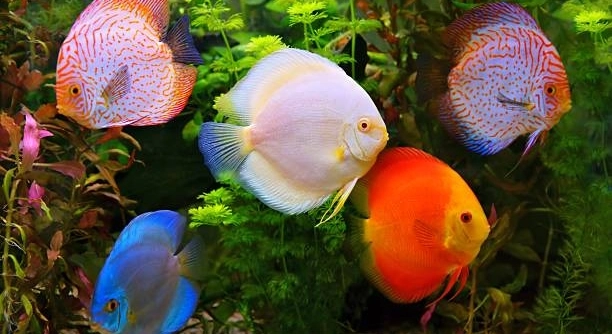
Are your discus fish sensitive to changes in room temperature? Many discus keepers notice that temperature shifts seem to affect their fish’s behavior and health. Understanding this connection can help maintain a stable environment for these delicate fish.
Discus fish are indeed affected by room temperature changes, as they are tropical fish that thrive within a narrow temperature range. Sudden fluctuations can cause stress, weaken their immune system, and lead to illness or behavioral changes. Maintaining stable water temperature is essential for their well-being.
Keeping discus healthy means paying close attention to their temperature needs. The impact of even small changes is worth understanding for anyone serious about caring for these beautiful fish.
How Temperature Changes Affect Discus Behavior and Health
Discus fish are very sensitive to their environment, especially temperature. When the room temperature changes, the water temperature in their tank often shifts as well. Even a few degrees up or down can stress discus fish. Stress can make them less active, cause them to lose appetite, or hide more than usual. Over time, this stress weakens their immune system, making them more vulnerable to diseases like bacterial infections or parasites. Keeping the tank water stable helps discus maintain their bright colors and natural behavior. Sudden cold or hot spells, like those caused by air conditioning or heating changes, should be avoided. Using a reliable heater and thermometer in the tank can help keep conditions steady. Regular monitoring is important because discus need water temperatures around 82°F to 86°F (28°C to 30°C). Small, gradual adjustments are better than quick swings in temperature.
A stable temperature keeps discus fish healthier and happier by preventing stress and illness.
Many discus keepers notice their fish act differently with temperature changes. When the room gets colder, discus may slow down or cluster near the heater. If the water warms too much, they might breathe faster or move to cooler parts of the tank. These behaviors are natural responses but signal that the fish are uncomfortable. Proper equipment can reduce these effects, but it’s also important to place the tank in a spot away from windows, vents, or doors where temperature can fluctuate rapidly. Understanding these signs helps keep discus safe and comfortable. Taking small steps to avoid temperature shocks can make a big difference in their overall health and lifespan.
Tips to Maintain Stable Room and Tank Temperature
Room temperature affects discus tank temperature because water tends to equalize with its surroundings. Placing the tank in a temperature-controlled room helps keep the water steady.
Using a high-quality aquarium heater with a thermostat is key. This device keeps water temperature within the ideal range and adjusts automatically if the temperature shifts. A backup heater can be useful during cold nights or power outages. A good thermometer inside the tank lets you check temperature regularly without guessing. Avoid putting the tank near windows or vents where drafts or sunlight can cause sudden changes. Consistent temperature is important not just for discus but also for their beneficial bacteria, which help keep the tank clean. By controlling room temperature and using proper equipment, discus owners can create a comfortable home that supports fish health every day.
Signs of Temperature Stress in Discus
Discus fish show clear signs when they are stressed by temperature changes. These signs include lethargy, loss of appetite, pale colors, and hiding more than usual.
When discus experience sudden temperature drops, they often become less active and may stop eating. Their colors can fade, and they might stay near the bottom or hide behind plants. On the other hand, if the water gets too warm, discus may breathe faster or swim erratically. These behaviors show that the fish are struggling to adjust. Prolonged stress lowers their immune defenses, increasing the chance of illness. Watching for these changes early allows you to take action before problems worsen.
Adjusting the tank’s temperature slowly can help discus recover from stress. It’s also helpful to keep the tank clean and maintain good water quality, as stressed fish are more vulnerable to infections.
How to Manage Temperature Changes Effectively
Keeping temperature stable means planning ahead and using the right equipment. A reliable heater and thermometer are basic tools every discus owner needs.
Room temperature swings happen naturally, but avoiding placing the tank near drafts or direct sunlight can reduce sudden changes. During colder months, increasing the room temperature slightly or using a room heater can help keep the tank warmer. At the same time, fans or air conditioning should not blow directly on the tank. Using an insulated tank cover or foam padding around the tank can also protect against temperature fluctuations. Regularly monitoring temperature lets you spot changes early. Preparing for changes and responding quickly keeps discus safe and comfortable, helping them thrive despite the occasional room temperature shift.
Ideal Temperature Range for Discus
Discus fish do best in water between 82°F and 86°F (28°C to 30°C). Keeping the temperature steady within this range is important for their health.
Temperatures outside this range can cause stress and weaken discus over time. Avoid sudden changes to prevent illness.
Effects of Rapid Temperature Fluctuations
Rapid temperature changes shock discus fish, disrupting their metabolism and immune system. These shocks can lead to increased vulnerability to infections and slower recovery from illness. Maintaining slow, gradual temperature adjustments is critical to prevent these harmful effects and keep discus healthy.
Monitoring Temperature Consistently
Using a reliable thermometer helps track water temperature daily. Consistent checks prevent unnoticed changes.
Preparing for Seasonal Changes
Seasonal shifts can affect room temperature, so adjusting heating or cooling plans helps keep discus safe.
FAQ
How much room temperature change can discus handle?
Discus fish are sensitive to even small temperature changes. Ideally, the tank temperature should not fluctuate more than 1 to 2 degrees Fahrenheit (about 0.5 to 1 degree Celsius) within a day. Bigger or rapid changes can cause stress, weaken their immune system, and lead to illness. Maintaining a stable environment helps keep discus calm and healthy.
Can room temperature drops cause discus death?
Yes, sudden and severe drops in room temperature can cause the tank water to cool quickly, which can be dangerous. Discus are tropical fish that need warm water to survive. A sudden drop in temperature can shock their system, weaken their immune response, and potentially lead to fatal infections if not corrected quickly.
Is it okay if the tank temperature is a bit higher than room temperature?
Yes, it is common for the tank water to be slightly warmer than the room temperature, especially if a heater is used. This difference helps keep discus comfortable. However, the temperature should still stay within the ideal range of 82°F to 86°F (28°C to 30°C). If the room is too cold, a heater will keep the water stable, but overheating the tank can cause stress and health issues.
How can I keep my discus safe during winter?
In colder months, room temperature usually drops, so it’s important to use a good-quality aquarium heater with a reliable thermostat. Avoid placing the tank near windows or doors where cold drafts enter. Some owners add an insulated cover or foam around the tank to help maintain warmth. It’s also helpful to raise the room temperature slightly or use a space heater in the fish room, as long as it doesn’t cause sudden temperature swings.
What happens if the tank temperature fluctuates too much at night?
Nighttime temperature drops can be harmful if they are large or sudden. Discus metabolism slows in cooler water, which can make them weak and more prone to disease. Using a heater that runs all night or a backup heater can prevent dangerous temperature dips and keep conditions stable until morning.
Can air conditioning harm discus tanks?
Yes, air conditioning blowing directly on the tank can cool the water too much, causing harmful temperature swings. It’s best to position the tank away from vents or use barriers to block direct airflow. Keeping the tank in a room with controlled temperature rather than exposed to cold drafts helps discus stay healthy.
How often should I check my tank temperature?
Daily temperature checks are recommended to catch any changes early. Using a digital thermometer or one with an easy-to-read display helps. Regular monitoring lets you notice slow drops or rises before they stress your fish.
Does water temperature affect discus breeding?
Yes, stable and warm water temperatures encourage discus to breed. Fluctuating or cold water can stop spawning behavior and make eggs or fry weak. Maintaining around 82°F to 86°F (28°C to 30°C) supports healthy reproduction.
What signs show discus are comfortable with their temperature?
Healthy discus swim actively, eat well, and show vibrant colors when their temperature is right. They tend to explore the tank calmly and interact with their environment. If they seem relaxed and display normal behavior, the temperature is likely stable and suitable.
Can I use a heater with a timer to control temperature?
It’s better not to use a timer for the heater. Discus need consistent warmth 24/7. Turning the heater off at night or certain times can cause temperature swings that stress the fish. A heater with an accurate thermostat that stays on continuously is best to keep the water stable.
What should I do if I notice temperature stress signs?
If discus show stress signs, check your equipment immediately. Adjust the heater or move the tank away from drafts. Perform small, gradual temperature corrections to avoid shocks. Ensure water quality is good, and monitor behavior closely until the fish recover.
Are there any tools to help keep tank temperature stable?
Yes, high-quality heaters with built-in thermostats, backup heaters, aquarium controllers, and insulated tank covers all help maintain stable temperatures. Using a combination of these tools reduces the risk of fluctuations and keeps discus healthy.
Keeping discus safe from temperature changes requires care and attention, but it’s doable with the right setup and habits. Regular monitoring and a calm environment are key to thriving fish.
Discus fish are delicate creatures that need a stable environment to thrive. Temperature changes in the room can directly affect the water temperature in their tank, which impacts their health and behavior. Keeping the water temperature steady, ideally between 82°F and 86°F (28°C to 30°C), is important for their well-being. Sudden or frequent changes can cause stress, which may lead to illness or weakened immune systems. This means discus owners must pay close attention to both room and tank temperatures and make sure they remain consistent.
Maintaining a stable temperature involves using good equipment like a reliable heater with a thermostat and a precise thermometer. Placing the tank away from windows, vents, or doors helps reduce sudden temperature shifts caused by drafts or sunlight. During colder seasons, extra care is needed to keep the water warm enough, while avoiding overheating in summer. Monitoring the tank temperature daily is a simple step that can prevent many problems. Small, gradual changes are better than rapid swings, which are harmful to discus fish. Taking these precautions helps discus stay healthy, active, and colorful.
Overall, discus fish require a calm and steady environment to live well. Temperature changes may seem small, but they have a big effect on these tropical fish. Creating the right conditions means understanding their needs and responding quickly to any changes. With proper care and attention, discus can live longer, healthier lives. Keeping the tank environment stable not only benefits the fish but also makes the experience of caring for them more enjoyable and rewarding.

Hello,
If you enjoy the content that we create, please consider saying a "Thank You!" by leaving a tip.
Every little bit helps us continue crafting quality advice that supports the health, happiness, and well-being of pets around the world, for pets of all shapes, sizes, and species.
We really appreciate the kindness and support that you show us!