
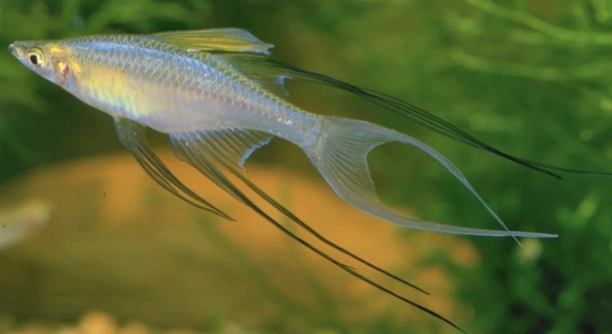
Adding floating plants to a threadfin tank can create a more natural and balanced environment. These plants help improve water quality, provide shade, and offer hiding spots, supporting the overall health and comfort of your fish.
Floating plants benefit threadfins in multiple ways. They reduce stress by offering cover, enhance water oxygenation, prevent algae growth, support breeding behavior, improve aesthetics, and contribute to a stable and natural aquatic environment suitable for long-term fish well-being.
Incorporating these plants is a simple step that can greatly enhance the life of your threadfins and the appeal of your aquarium setup.
Improved Water Quality
Floating plants play a major role in keeping your aquarium water clean. They absorb excess nutrients like nitrates and phosphates, which can otherwise lead to algae overgrowth. By doing so, they maintain a balanced environment for threadfins, who are sensitive to water conditions. These plants also help stabilize pH levels by naturally filtering the water and providing surfaces for beneficial bacteria to grow. Additionally, their roots create microhabitats that encourage microbial activity, further supporting water quality. Threadfins thrive in stable conditions, and even small changes in water chemistry can stress them. Including floating plants reduces these fluctuations, making the aquarium safer and healthier. Over time, the water remains clearer, reducing the need for frequent changes. This not only benefits the fish but also keeps maintenance simpler and less stressful. Observing threadfins swimming freely under the shade of floating plants provides reassurance that their environment is well-supported and carefully balanced.
Floating plants naturally absorb excess nutrients and reduce water contamination, creating a healthier habitat for threadfins while simplifying tank maintenance.
These plants also help prevent sudden shifts in water chemistry. Threadfins are sensitive to high nitrate levels and unstable pH, which can lead to illness or stress. Floating plants act as living filters, continuously processing waste and preventing harmful buildup. Their roots provide surfaces for beneficial bacteria to colonize, which further assists in breaking down organic matter. In addition to chemical benefits, the shade from the plants reduces light intensity in parts of the tank, slowing algae growth. Over weeks, the tank maintains a more stable temperature and chemical balance, promoting consistent fish behavior and growth. Aquarists who integrate floating plants notice a drop in maintenance time and effort. Water remains clearer longer, and the fish appear calmer, exploring shaded areas and interacting naturally. The overall environment feels more vibrant and alive, reflecting the positive impact of this simple addition.
Natural Shelter and Shade
Floating plants offer safe hiding spots and shaded areas for threadfins.
Providing cover reduces stress, gives a sense of security, and allows the fish to establish comfortable routines.
Threadfins are active swimmers but often seek areas to rest or retreat when stressed. Floating plants create shaded zones that mimic natural habitats, offering relief from bright lights and giving fish a chance to regulate their exposure. Young or timid threadfins benefit particularly from these sheltered spaces, as they can avoid aggressive interactions or sudden disturbances. The roots and floating leaves create complex structures that fish can swim around or hide beneath, encouraging natural behaviors like foraging and exploring. These shaded areas also contribute to temperature regulation, as surface coverage reduces direct light penetration, keeping the water cooler. By adding floating plants, the tank becomes layered, with a mix of open swimming zones and protective covers. This layered environment encourages healthy social interactions, supports breeding behaviors, and overall enhances the well-being of the threadfins in your care.
Algae Control
Floating plants compete with algae for nutrients, limiting its growth in the tank. Their presence reduces sunlight penetration, slowing algae development and helping maintain a cleaner, clearer environment for threadfins.
By absorbing excess nutrients like nitrates and phosphates, floating plants reduce the resources algae need to thrive. Algae can quickly take over a tank, clouding water and covering decorations. Threadfins can become stressed in such conditions, and maintaining clear water ensures their behavior and feeding habits remain normal. Additionally, the roots of floating plants can trap debris, preventing organic matter from accumulating on the substrate and feeding algae. Over time, the tank becomes easier to manage, requiring less frequent cleaning while maintaining a healthy balance between plants, fish, and microorganisms.
Some floating plants also release natural chemicals that inhibit algae growth. These compounds act as gentle regulators, giving your aquarium a head start in maintaining visual clarity. By combining nutrient absorption and natural chemical production, floating plants create a more stable environment. Threadfins benefit directly, as they swim through cleaner water, encounter fewer stressors, and enjoy a habitat that closely mimics natural conditions. The reduced algae also enhances the visual appeal of the tank, making both the fish and plants more noticeable. This combination of chemical and physical effects helps keep algae growth predictable and manageable, reducing frustration for anyone maintaining the tank.
Breeding Support
Floating plants provide surfaces and shelter that encourage breeding behaviors in threadfins.
The leaves and roots offer secure areas for eggs and fry, protecting them from predators and strong currents.
Threadfins often prefer shaded, sheltered areas when spawning, and floating plants naturally create these conditions. The roots hanging into the water column act as attachment points for eggs, preventing them from drifting and becoming vulnerable. Fry benefit from the protection these plants provide, allowing them to hide while they grow, increasing survival rates. Additionally, the gentle movement of floating plants in the water reduces strong currents that could displace eggs or disturb young fish. By offering both physical cover and a stable environment, floating plants create conditions that closely resemble natural spawning sites. Aquariums with floating plants often see more successful breeding cycles, and the presence of plants encourages threadfins to exhibit natural behaviors that may otherwise be suppressed in bare tanks. This support helps maintain a thriving population and promotes healthy, active fish.
Oxygen Enhancement
Floating plants increase oxygen levels in the aquarium through photosynthesis. This additional oxygen supports the overall health of threadfins and other aquatic life, especially during warmer months when oxygen levels tend to drop.
Their roots also help circulate water, promoting gas exchange at the surface and improving oxygen distribution throughout the tank.
Aesthetic Appeal
Floating plants create a natural, visually appealing environment. Their leaves add texture and depth, enhancing the overall look of the aquarium while providing a more dynamic habitat for threadfins to explore.
Reduced Stress
The shade and cover offered by floating plants reduce stress for threadfins. Less exposure to bright light and open spaces helps them feel secure, promoting calmer behavior and healthier interactions within the tank.
FAQ
What types of floating plants are best for threadfins?
Threadfins thrive with plants that provide both shade and root coverage. Species such as duckweed, water lettuce, and frogbit are excellent choices. They have dense leaves that float on the surface and roots that hang into the water column, giving fish shelter and hiding spots. These plants are easy to maintain, grow relatively fast, and do not require special substrates, making them convenient for aquariums. Their roots also encourage microbial growth, which can help break down waste and maintain water quality, indirectly benefiting threadfins. Selecting hardy floating plants ensures the tank remains balanced without frequent replacements or additional interventions.
How often should I maintain floating plants?
Floating plants need regular trimming and inspection. Removing dead or decaying leaves prevents them from polluting the water and causing spikes in ammonia or nitrate levels. Typically, a weekly check is sufficient, but it may vary depending on plant growth and tank size. Overcrowding can block light for submerged plants and reduce oxygen circulation, so thinning is necessary to keep the environment healthy. During maintenance, gently move plants aside to check for trapped debris and inspect threadfins for any unusual behavior. Maintaining the plants regularly helps sustain the aquarium’s balance and prevents sudden water quality issues.
Can floating plants affect water temperature?
Yes, floating plants can moderate water temperature by providing shade and reducing direct light penetration. This creates a slightly cooler environment at the surface, which is beneficial for threadfins during warm periods. Temperature stability reduces stress on fish and helps maintain consistent metabolic and feeding patterns. The surface coverage also prevents hot spots and limits rapid temperature fluctuations caused by strong lighting. While floating plants won’t replace heaters or chillers if needed, they offer a natural way to reduce extremes. Threadfins benefit from the layered temperature zones, allowing them to move between shaded and open areas to regulate their comfort.
Will floating plants compete with my other aquarium plants?
Floating plants can compete with submerged plants for light and nutrients if not managed properly. Their dense coverage may reduce sunlight penetration, which can slow growth of lower plants. However, this can be balanced by trimming floating plants regularly and positioning them strategically. They also absorb excess nutrients, which can help prevent algae outbreaks and maintain cleaner water, indirectly benefiting other plants. Threadfins benefit from this balance because healthy aquatic plants improve water quality and provide a more natural environment. Keeping the number of floating plants in check ensures coexistence without limiting growth for other species in the tank.
Do floating plants require special lighting or care?
Most floating plants are low-maintenance and adapt well to standard aquarium lighting. Moderate light is usually sufficient for growth, though stronger lighting can speed up development. They do not require substrate planting, as they float freely, but occasional fertilization may be necessary in nutrient-poor water. Checking water parameters and trimming overgrown plants are key to keeping them healthy. Threadfins benefit from stable plant health because it ensures continuous shade, oxygenation, and hiding spots. Simple care routines make floating plants practical and effective for both novice and experienced aquarists.
Can floating plants help with breeding threadfins?
Yes, floating plants provide ideal conditions for spawning. Their roots act as attachment points for eggs, while the leaves create shaded zones that protect fry from stronger currents and potential threats. Threadfins feel secure when laying eggs near plant cover, increasing the likelihood of successful hatching. The plants’ roots also encourage microbial growth, offering a natural food source for fry. Including floating plants in breeding setups can significantly improve survival rates and support healthy development. Regular maintenance ensures that the roots remain clean and free from decaying material, maintaining a safe and productive environment for both adults and young fish.
Are there any risks to using floating plants in a threadfin tank?
The main risk is overgrowth. Too many floating plants can block light, reduce oxygen circulation, and crowd the surface, stressing fish. Decaying leaves can also release toxins if left unattended. Regular trimming, monitoring water quality, and maintaining a balanced plant population are necessary to prevent these issues. When managed properly, floating plants offer numerous benefits without creating significant risks. Observing the tank daily ensures threadfins continue to enjoy a healthy, enriched environment, and helps maintain the aquarium’s visual appeal and stability.
How do I control floating plant growth naturally?
Trimming is the simplest method to control growth. You can also thin plants by removing excess manually and spreading them across different areas to prevent overcrowding. Limiting nutrient levels slightly, without compromising fish health, can slow growth as well. Combining these methods keeps the surface covered but not congested, allowing threadfins to move freely and preventing excessive shade. Balanced control ensures the tank remains visually appealing and healthy, with floating plants providing the benefits of shelter, oxygenation, and water quality without overwhelming the aquarium ecosystem.
Final Thoughts
Floating plants are a practical and beneficial addition to any threadfin aquarium. They create a more natural environment, offering shade and cover that threadfins naturally seek. The plants’ floating leaves and hanging roots provide hiding spots and resting areas, which help reduce stress for the fish. When threadfins feel secure, they exhibit calmer behavior, explore more, and interact more naturally with their surroundings. The presence of floating plants also encourages healthy routines, such as feeding and swimming patterns, by giving the fish options to move between open water and shaded areas. Beyond providing shelter, floating plants help establish microhabitats within the tank. Their roots and leaves support beneficial bacteria, which play a role in breaking down waste and maintaining water quality. This natural filtration process complements standard aquarium maintenance, reducing fluctuations in water chemistry that can otherwise affect fish health. By integrating floating plants, the tank becomes a stable, well-balanced environment that supports both the physical and behavioral needs of threadfins.
In addition to shelter and behavioral benefits, floating plants contribute to the overall health of the aquarium ecosystem. They absorb excess nutrients, such as nitrates and phosphates, which can lead to algae overgrowth if left unchecked. By competing with algae for these nutrients, floating plants help maintain clear water and a cleaner tank surface. Their presence also improves oxygenation, particularly in the upper layers of the water, creating a more stable environment for threadfins and other tank inhabitants. The plants’ coverage helps moderate temperature, reduce light intensity in specific areas, and minimize rapid fluctuations, all of which support fish well-being. Regular maintenance, including trimming and removing decaying leaves, ensures the plants continue to thrive and contribute positively to the aquarium. When managed effectively, floating plants provide multiple benefits without requiring extensive effort, making them a practical and sustainable choice for enhancing the habitat of threadfins. Their combination of ecological, behavioral, and aesthetic advantages demonstrates their value beyond mere decoration.
Finally, floating plants add visual appeal to the aquarium while improving functionality. The lush green leaves create a sense of depth and texture, breaking up open water areas and making the tank more dynamic. For anyone caring for threadfins, these plants provide a balance between aesthetic beauty and practical benefits, transforming a simple aquarium into a healthier and more natural habitat. They encourage natural behaviors, support breeding, and improve survival rates for fry while helping reduce stress in adult fish. Maintaining floating plants is straightforward, requiring basic attention to growth and water quality, which makes them suitable for both novice and experienced aquarists. Overall, floating plants are an effective way to enhance the environment of threadfins, combining ecological support, visual appeal, and behavioral enrichment in one simple addition. Their presence contributes to a thriving, balanced aquarium that promotes long-term fish health and overall satisfaction for anyone maintaining the tank.
Word count: 417

Hello,
If you enjoy the content that we create, please consider saying a "Thank You!" by leaving a tip.
Every little bit helps us continue crafting quality advice that supports the health, happiness, and well-being of pets around the world, for pets of all shapes, sizes, and species.
We really appreciate the kindness and support that you show us!