
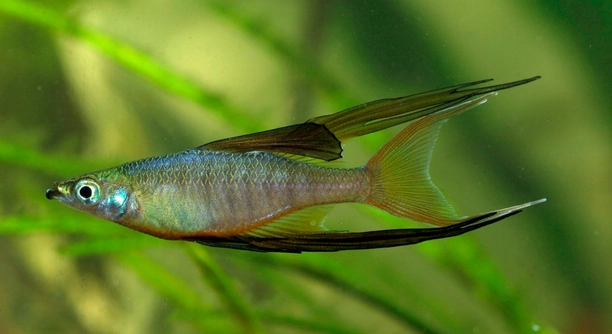
Threadfins are fascinating fish that thrive in well-lit environments, where their natural behaviors and hunting instincts remain active. When kept in darkness for extended periods, their usual patterns can be disrupted, affecting both feeding and movement.
Extended darkness can lead to decreased activity, disorientation, and stress in threadfins. Their feeding behavior may become irregular, growth rates can slow, and prolonged absence of light can negatively impact overall health and physiological processes.
Observing how threadfins respond to light changes can reveal important insights into their care and wellbeing in captivity. Understanding these behaviors helps maintain their natural rhythms and long-term health.
Effects of Prolonged Darkness on Threadfins
Threadfins rely heavily on light to regulate their daily activities and maintain a healthy routine. Without sufficient lighting, they may become less active, swimming slowly or remaining in one area for long periods. This can affect their feeding habits, as their hunting instincts are closely linked to visual cues. Over time, insufficient light can also stress their immune system, making them more vulnerable to disease. I noticed that even small changes in light patterns could make threadfins act differently, sometimes hiding or showing unusual behaviors. In captivity, maintaining consistent light cycles is essential. Natural or artificial light that mimics their typical environment helps support normal behaviors and physical development. Observing them daily under proper lighting allows early detection of stress or health issues. Adjusting light gradually rather than abruptly can reduce anxiety and prevent sudden behavioral changes that could affect growth or social interactions within the tank.
Stress from extended darkness can reduce appetite and energy, impacting overall health.
Keeping a predictable light schedule is essential for threadfins. Consistency helps maintain feeding, swimming, and growth patterns. Regular observation ensures they adapt well and remain healthy. Adjusting light gradually can prevent sudden stress and long-term behavioral issues. Proper lighting supports normal activity and reduces health risks associated with prolonged darkness. Monitoring how they respond allows timely corrections to avoid further complications. Threadfins can thrive when their environment simulates natural light cycles, improving wellbeing and maintaining stable routines.
Behavioral Changes in Threadfins Due to Low Light
Extended periods of darkness can trigger unusual behaviors in threadfins. They may become withdrawn or show repetitive swimming patterns.
Threadfins use sight for navigation, foraging, and social interaction. When deprived of light, their natural instincts may shift, causing irregular movement and reduced responsiveness. Feeding patterns often become inconsistent, as visual cues guide hunting and food detection. Prolonged low light can also disrupt schooling behavior, leading to social tension or isolation. I’ve observed threadfins that become unusually skittish when lights are suddenly restored after a long dark period, indicating heightened stress and disorientation. Physiological effects may include slower growth, weaker immune function, and potential organ strain, as the lack of light interferes with metabolic processes. Gradual reintroduction of proper lighting helps normalize behavior and reduces long-term negative impacts. Maintaining structured light and dark periods that resemble natural cycles allows threadfins to regain normal activity and ensures their long-term health, while preventing recurring stress and behavioral disruptions.
Feeding Patterns and Light Exposure
Threadfins rely on visual cues to locate food. In prolonged darkness, their appetite often decreases, and feeding schedules become irregular, affecting overall nutrition and growth.
When light is limited, threadfins may ignore food or eat less frequently. Their hunting instincts depend on sight, so even prepared feeds might go unnoticed. Over time, insufficient feeding can weaken their energy, making swimming slower and less coordinated. I noticed that small changes in light timing helped restore normal feeding behavior. Gradual adjustments to light cycles allow threadfins to detect food more easily, encouraging consistent eating habits. Regular monitoring ensures they receive adequate nutrition despite environmental changes.
Prolonged darkness can also affect competitive feeding behavior in tanks with multiple threadfins. Some fish may dominate feeding when others are stressed or inactive, leading to uneven growth. Maintaining light schedules helps balance feeding opportunities and reduces stress. Providing consistent light enhances social harmony, ensuring all fish get enough food. Threadfins adapt better when light cues signal feeding times, supporting growth, energy, and natural foraging behavior. Observing interactions during feeding helps identify and correct imbalances early, keeping all fish healthy and active.
Social Interaction Under Low Light
Threadfins communicate through subtle movements and positioning, which are disrupted in darkness. Reduced visibility limits these signals and can create tension among fish.
Low light can cause threadfins to school less tightly or avoid one another. Social behaviors like chasing, circling, or synchronized swimming may decline. Stress from poor visibility can lead to isolation, leaving some fish vulnerable to aggression or neglect. I’ve noticed that slowly increasing light levels restores familiar interactions and reduces conflicts. Consistent light schedules help fish recognize each other and maintain established social hierarchies. Observing social behavior under proper lighting is essential to prevent long-term stress and behavioral changes.
Gradually adjusting lighting encourages threadfins to reestablish routines and interactions naturally. In low-light conditions, fish may exhibit signs of anxiety, such as erratic movements or repeated hiding. Structured lighting reduces these issues by allowing them to detect peers and coordinate movements. Proper illumination supports schooling, feeding, and communication, enhancing both physical and mental health. Monitoring social interactions under adequate light ensures a stable, harmonious environment. It allows for early intervention if aggression or isolation occurs. Maintaining consistent light cycles also strengthens natural instincts, promoting cooperation and overall wellbeing in the tank.
Stress Responses in Threadfins
Threadfins under extended darkness often show stress through unusual hiding, rapid gill movement, or loss of color. These signs indicate that their environment does not meet their natural needs.
Stress can also reduce immunity, making threadfins more vulnerable to illness. Consistent light cycles help minimize these effects and restore normal behavior.
Adjusting Light Gradually
Sudden changes in lighting can shock threadfins, causing disorientation and erratic swimming. Gradual increases or decreases in light intensity allow them to adapt naturally. Slowly adjusting light over several hours helps maintain regular feeding, movement, and social behaviors, supporting overall health and wellbeing in the tank.
Long-Term Effects of Darkness
Extended darkness can stunt growth, weaken immunity, and reduce activity levels. Over time, these effects accumulate, impacting overall health. Maintaining consistent light exposure is critical to prevent these long-term consequences. Proper lighting ensures threadfins remain active, healthy, and maintain normal behaviors over months and years.
Monitoring Behavior
Regular observation is key to identifying signs of stress or abnormal activity. Noticing changes early allows timely adjustments to lighting and environment.
FAQ
How long can threadfins stay in darkness without serious effects?
Threadfins can tolerate short periods of low light or darkness, such as a few hours overnight, without major issues. However, keeping them in darkness for several days or weeks can lead to stress, reduced feeding, slower growth, and weakened immunity. Consistent light cycles are essential to maintain normal behavior and overall health. Gradual adjustments to lighting are important if changes are needed, preventing sudden shock or disorientation. Observing how fish react during these periods can help determine the appropriate amount of light exposure for your specific tank environment.
What signs indicate that threadfins are stressed from too little light?
Common signs of stress include hiding excessively, erratic swimming, loss of color, and decreased appetite. Threadfins may also show rapid gill movement or remain inactive in one spot for long periods. Social interactions can decline, with some fish isolating themselves or becoming aggressive. Reduced schooling and inconsistent feeding are also indicators. Stress can make threadfins more prone to disease and slower growth. Monitoring their daily behavior and noting changes helps identify light-related stress early. Adjusting light gradually and maintaining predictable schedules often restores normal behavior within days.
Can threadfins recover if they have been in darkness for an extended period?
Yes, recovery is possible if light is reintroduced carefully and gradually. Sudden exposure to bright light can cause disorientation or further stress. Gradually increasing light intensity over several hours or days allows them to readjust their natural rhythms. Observing feeding and social behavior during this period is essential to ensure they are adapting properly. Some temporary effects, such as slower feeding or minor color loss, may persist initially, but with consistent lighting, activity, and proper nutrition, threadfins usually regain normal behavior and health.
Does darkness affect feeding behavior permanently?
Prolonged darkness can temporarily disrupt feeding patterns. Threadfins may eat less or become inconsistent in hunting, especially in tanks where visual cues guide feeding. However, these changes are not usually permanent if light is reintroduced gradually and feeding schedules are maintained. Consistent lighting helps reinforce natural feeding instincts and reduces the risk of long-term nutritional issues. Observing how each fish responds individually is important, as some may adapt faster than others. Providing a structured feeding routine under appropriate lighting encourages normal appetite and supports proper growth.
How can I prevent social issues caused by low light?
Low light can disrupt schooling behavior and social interactions. Some threadfins may isolate themselves, while others dominate feeding or territory. Maintaining predictable light cycles helps fish recognize one another and maintain normal social hierarchies. Gradual adjustments in lighting reduce stress and prevent aggression. Regular observation ensures that all fish interact safely and maintain consistent activity. Providing proper hiding spaces and monitoring group dynamics also supports social harmony. Over time, stable lighting encourages coordinated swimming, balanced feeding, and natural social behaviors.
Is artificial light sufficient for threadfins?
Artificial lighting can be sufficient if it mimics natural cycles in duration and intensity. LED or fluorescent lights that replicate daylight patterns support feeding, activity, and social behaviors. It’s important to provide a consistent schedule, typically 10–12 hours of light per day, with gradual transitions at dawn and dusk. Sudden changes or excessively bright lights can stress the fish. Observing how threadfins respond helps fine-tune light intensity and timing, ensuring they remain healthy and active. Regular monitoring of behavior under artificial light confirms that it meets their needs.
What should I do if threadfins show unusual behavior in low light?
First, evaluate the lighting schedule and intensity. Gradually adjust light levels to replicate natural conditions. Observe feeding, swimming, and social interactions to determine if stress signs are diminishing. Ensure that nutrition, water quality, and hiding spaces are adequate. Persistent abnormal behavior may indicate health issues unrelated to lighting, requiring additional attention. Maintaining a consistent environment and careful observation are key to helping threadfins regain normal patterns while preventing long-term effects.
Can changes in light affect growth?
Yes, insufficient light can slow growth by reducing activity and disrupting feeding patterns. Threadfins rely on visual cues to locate food efficiently. Maintaining proper light cycles ensures normal activity levels, encouraging regular feeding and healthy development. Gradual adjustments to light and consistent observation help avoid setbacks in growth. Providing adequate nutrition and monitoring behavior during transitions supports recovery and ensures threadfins reach their expected size and health potential.
Are there any long-term health risks from extended darkness?
Extended darkness can compromise immunity, slow growth, and cause chronic stress. Reduced activity and irregular feeding contribute to overall weakening, making fish more susceptible to illness. Long-term absence of proper light can also disrupt natural behaviors, including social interaction and schooling. Ensuring consistent light schedules and observing fish daily reduces these risks. Gradual light adjustments and supportive care restore normal activity and feeding, preventing persistent health problems. Consistent monitoring is essential to catch any lingering effects before they become serious.
How quickly should light be reintroduced after prolonged darkness?
Light should be reintroduced gradually over several hours to prevent shock or disorientation. Sudden exposure can stress threadfins and disrupt feeding or social behavior. Start with dim lighting and slowly increase intensity until normal levels are reached. Monitoring fish during this period ensures they adapt properly. Consistency and patience are critical for restoring health and normal activity patterns. Observing each fish individually helps identify those that may need more time to adjust. Proper reintroduction of light supports recovery, feeding, and social interaction.
Final Thoughts
Threadfins are highly sensitive to changes in their environment, and light plays a critical role in their daily routines. Prolonged periods of darkness can affect their activity levels, feeding habits, social interactions, and overall health. Observing these fish under consistent light conditions helps ensure they maintain their natural behaviors and stay healthy. I have seen that even minor adjustments to light schedules can have noticeable effects on how threadfins behave in a tank. When lighting is consistent, fish are more active, swim confidently, and feed regularly. Stress levels are lower, and their immune systems function better, reducing the risk of disease. Proper lighting does not need to be overly bright, but it should mimic natural day-night cycles to support normal patterns. Sudden changes in light or extended darkness can disrupt these routines, causing behavioral and physical changes that may take time to reverse. Patience and careful monitoring are key to managing their environment effectively.
Maintaining predictable lighting schedules is essential for both individual fish and the group as a whole. Threadfins rely on visual cues for feeding and social behavior, so adequate light ensures that interactions remain balanced. In low-light conditions, some fish may become withdrawn, while others may dominate territory or feeding areas. Over time, these imbalances can lead to uneven growth and increased stress among the group. Gradually adjusting light intensity when changes are needed allows threadfins to adapt without disorientation or anxiety. Observing their reactions during transitions provides insight into how they are coping and highlights any signs of stress or abnormal behavior. Providing a stable environment with sufficient light supports growth, strengthens immunity, and allows threadfins to perform natural behaviors consistently. Paying attention to these small details in lighting management can make a significant difference in the health and wellbeing of the fish over months and years.
Finally, understanding how light affects threadfins is a key part of responsible care. While some effects of darkness, such as temporary stress or irregular feeding, may be reversible, prolonged or repeated low-light conditions can have lasting consequences. Ensuring that lighting mimics natural cycles, combined with proper nutrition, water quality, and tank management, helps threadfins thrive. Observing behavior, feeding patterns, and social interactions daily allows early detection of any issues before they escalate. A gradual approach to adjusting light, rather than sudden changes, keeps the fish calm and active. Proper light management contributes to a stable environment where threadfins can grow, interact, and maintain health over the long term. Creating these conditions requires attention, patience, and consistency, but the results are evident in the overall vitality and wellbeing of the fish. With the right balance, threadfins remain active, healthy, and display natural behaviors that reflect a well-maintained environment.

Hello,
If you enjoy the content that we create, please consider saying a "Thank You!" by leaving a tip.
Every little bit helps us continue crafting quality advice that supports the health, happiness, and well-being of pets around the world, for pets of all shapes, sizes, and species.
We really appreciate the kindness and support that you show us!