
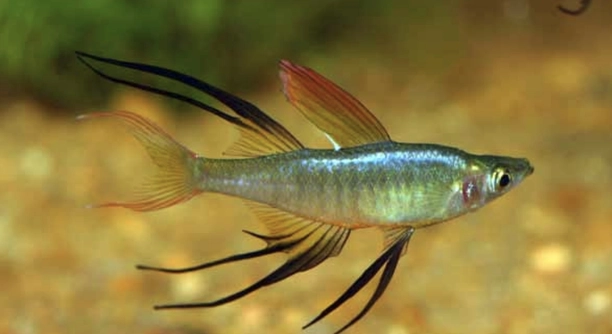
Have you ever noticed threadfins gently hovering near floating plants in your aquarium? These fish often gather around greenery, moving gracefully while staying close to the surface. Their behavior can seem calm yet purposeful, attracting attention naturally.
Threadfins prefer to hover near floating plants because these plants provide shelter, reduce stress, and offer strategic locations for feeding. Floating vegetation also creates shaded areas, mimics their natural habitat, and supports water conditions favorable for their overall well-being.
Observing threadfins among floating plants reveals more than just aesthetic beauty. Understanding their habits can help maintain a healthier, more balanced aquatic environment for these fish.
Continue the blog post following the outline and format. Write in a simplistic style. Do not use a greeting. Make it feel slightly personal. Format the headers as h2 headers in Markdown formatting. Do not repeat yourself.; Outline and Format:; Header: xxxxxxxxxxxxxxxxxxx; 150 words paragraph; 50 word paragraph; 100 word paragraph; Header: xxxxxxxxxxxxxxxxxxx; 50 words paragraph; 200 words paragraph; Note: Do not use the words: “culprit”, “journey”, “scrumptious”, “enthusiast”, “friend”, “world of”. ; Note: Get straight to the point. Respect the given word count for every paragraph.
Shelter and Safety
Threadfins use floating plants as a natural shelter. These plants offer cover from strong currents and potential threats, helping fish feel secure while minimizing stress. Staying near plants provides a constant sense of safety in their environment.
Floating plants create a protective layer that helps threadfins avoid predators and reduces exposure to aggressive tank mates. The roots hanging below the surface serve as hiding spots for smaller fish and fry. By positioning themselves near these plants, threadfins maintain control over their surroundings, reducing energy spent on fleeing from danger. This behavior also encourages calmer interactions with other species, promoting a stable and harmonious tank environment. The shade from the plants moderates light exposure, preventing overstimulation and allowing the fish to rest comfortably.
Remaining near floating plants also allows threadfins to monitor their territory effectively. The plants create natural boundaries that define safe areas, making it easier for fish to detect changes in the tank. They can quickly respond to disturbances while staying partially hidden, preserving energy and reducing stress. Over time, this behavior becomes a routine part of their daily activity, improving overall health. Floating plants also help maintain water quality by absorbing excess nutrients, which indirectly supports the fish’s well-being. This combination of protection, comfort, and environmental benefit explains why threadfins consistently hover near vegetation.
Feeding and Foraging
Floating plants attract small insects and microorganisms that threadfins eat. Being close allows the fish to access these natural food sources efficiently, reducing time spent searching for nourishment. This behavior supports healthy growth and consistent feeding habits.
Threadfins often feed on tiny organisms that accumulate around floating plants. The shaded areas under the leaves harbor small prey such as zooplankton and insect larvae, providing a continuous supply of food. Fish can hover near these plants and pick off available nutrients without venturing far into open water, which reduces exposure to predators and stress. This method also ensures a more predictable feeding routine, supporting metabolic health. Over time, threadfins learn to associate the presence of floating plants with easy access to food, reinforcing this behavior consistently.
Staying near floating plants allows threadfins to forage in a focused and energy-efficient manner. The roots and submerged parts of the plants create microhabitats where microorganisms thrive. Fish can feed selectively, consuming high-quality food while minimizing wasted energy. In addition, floating plants support a balanced ecosystem by filtering water and sustaining beneficial bacteria. This indirectly improves the quality of the food web, ensuring that threadfins receive adequate nutrition. By integrating feeding and shelter, floating plants become essential for the fish’s daily survival, comfort, and overall vitality in the aquarium environment.
Water Temperature Regulation
Floating plants help maintain stable water temperature. They provide shade that cools the water below, creating a comfortable environment for threadfins. This natural temperature buffer reduces stress and keeps the fish active and healthy.
Shaded areas under plants prevent rapid temperature changes caused by direct light or heating. Threadfins benefit from these cooler spots, especially during warmer periods. By hovering near plants, they can regulate body temperature without expending extra energy, maintaining consistent activity levels throughout the day.
Resting Spots
Threadfins often use floating plants as resting areas. The shaded, sheltered environment allows them to conserve energy while staying partially hidden from disturbances in the tank.
Breeding Advantages
Floating plants provide safe areas for egg-laying and fry protection. Their roots and leaves create microhabitats that increase the survival rate of young threadfins, supporting healthy reproduction within the tank environment.
Reduced Stress
Being near floating plants lowers stress for threadfins. The combination of shelter, shade, and safety creates a calming environment, helping fish maintain natural behavior and promoting long-term well-being.
FAQ
Why do threadfins prefer floating plants over other decorations?
Threadfins are naturally drawn to floating plants because these plants offer shade, shelter, and areas for resting. Unlike hard decorations, floating plants create a dynamic environment where fish can hide, hover, and feed with ease. The soft roots and leaves provide a safer and more comfortable space for daily activities, reducing stress and encouraging natural behavior.
Can threadfins survive without floating plants in the tank?
Yes, threadfins can survive without floating plants, but their overall well-being may be compromised. Floating plants offer protection, regulate temperature, and create feeding opportunities. Without them, fish may become stressed, expend more energy seeking shelter, and lose access to the small organisms that gather near plant roots and surfaces.
Do floating plants help with breeding threadfins?
Floating plants play an important role in breeding. The leaves and roots serve as safe locations for laying eggs and provide hiding spots for fry. This reduces predation and increases the survival rate of young threadfins, which is crucial for maintaining healthy populations in home aquariums.
How do floating plants affect water quality?
Floating plants can improve water quality by absorbing excess nutrients and reducing algae growth. Their roots filter small particles, promoting a cleaner environment. This indirectly benefits threadfins by maintaining stable water conditions, reducing stress, and preventing issues related to poor water quality, such as disease and slow growth.
What types of floating plants are best for threadfins?
Plants like duckweed, water lettuce, and frogbit are ideal for threadfins. These plants have dense roots and broad leaves, providing ample shade and shelter. They are easy to maintain and encourage natural behaviors, such as hovering, foraging, and resting. Selecting robust plants ensures long-term benefits for the fish.
Do threadfins interact with floating plants differently than other fish?
Threadfins tend to hover closely around floating plants, using the shaded areas for resting and feeding. Compared to more aggressive or territorial species, threadfins prefer calm, protected zones. Their interaction is subtle and purposeful, showing a reliance on plants for safety, temperature regulation, and energy conservation.
How many floating plants should I add to a tank with threadfins?
The number of floating plants depends on tank size and fish population. Generally, covering 30–50% of the surface area provides adequate shelter and shade without blocking oxygen exchange. Overcrowding can restrict light and movement, while too few plants reduce benefits for resting, feeding, and protection.
Do floating plants reduce aggression among threadfins?
Yes, floating plants help reduce aggression by providing hiding spots and visual barriers. Fish can retreat when stressed, minimizing confrontations. Shaded areas and root systems create separate zones within the tank, which supports a calmer social structure and encourages natural, peaceful interactions.
Can threadfins damage floating plants?
Threadfins usually do not damage floating plants. They hover around leaves and roots without significant disruption. Occasional nibbling may occur, but the primary interaction is for shelter and feeding. Selecting hardy plants with dense root systems ensures longevity even with active fish movement.
How do I maintain floating plants for threadfins?
Regular maintenance involves trimming excess growth, removing decaying leaves, and monitoring water conditions. Ensuring proper light and nutrient levels helps plants thrive. Healthy floating plants provide consistent benefits for threadfins, including shelter, food availability, and improved water quality. Proper care supports both the plants and the fish over time.
Do floating plants affect oxygen levels for threadfins?
Floating plants can slightly reduce surface oxygen if coverage is too dense. However, moderate coverage enhances water quality without harming oxygen levels. Maintaining a balance ensures threadfins have enough shaded areas while keeping adequate oxygen for respiration and activity.
Will threadfins stay near floating plants all the time?
Threadfins often hover near floating plants but will explore other parts of the tank. They use plants for resting, feeding, and safety, returning frequently. This behavior is natural and demonstrates reliance on plants while allowing for occasional movement and interaction with their environment.
Are floating plants necessary in a community tank with threadfins?
Floating plants are highly beneficial in a community tank. They provide cover from more aggressive or territorial species and help threadfins maintain calm behavior. Plants create microhabitats that support multiple species, promoting a balanced and stress-free aquarium environment.
Can floating plants prevent diseases in threadfins?
Indirectly, yes. Floating plants improve water quality, reduce stress, and provide shelter, which strengthens the immune system. Healthier fish are less prone to infections and disease, making plants an important component of preventative care in aquariums.
How often should I replace or refresh floating plants?
Replacing or refreshing plants depends on growth and health. Dead or decaying leaves should be removed promptly. Regular trimming and occasional replacement of older plants ensure consistent benefits for threadfins, including shelter, shade, and access to food around roots and leaves.
Do threadfins prefer floating plants over submerged plants?
Threadfins favor floating plants for shelter and shade. Submerged plants are used less for resting or hovering, as they do not provide surface cover. Floating vegetation better mimics natural habitats, offering both protection and feeding advantages that threadfins instinctively seek.
Can floating plants support natural behavior in young threadfins?
Yes, floating plants encourage natural behaviors such as hovering, resting, and selective feeding in juvenile fish. The roots and leaves offer safe zones to reduce stress and practice foraging skills, supporting growth and development in a controlled aquarium setting.
Do threadfins ever hide completely under floating plants?
Threadfins rarely hide completely. They prefer partial cover that allows them to monitor their surroundings while staying protected. The combination of shelter, shade, and visibility is ideal, balancing safety with awareness of the environment.
Are there signs threadfins are stressed without floating plants?
Yes, signs include erratic swimming, frequent hiding in corners, reduced feeding, and pale coloration. Absence of plants removes natural shelter, which increases vulnerability and stress. Adding floating vegetation typically restores normal behavior and improves overall health.
Can floating plants be used in small tanks with threadfins?
Even in small tanks, floating plants offer benefits if carefully managed. They provide shade, shelter, and foraging opportunities without overcrowding. Selecting compact plants ensures sufficient swimming space while maintaining comfort and security for threadfins.
How do floating plants influence feeding efficiency for threadfins?
Floating plants concentrate microorganisms and small prey around their roots and leaves. Threadfins can feed efficiently near these areas, reducing energy spent searching for food. This promotes consistent nutrition, supports growth, and encourages natural foraging behavior.
Do floating plants require special lighting for threadfins to use them effectively?
No special lighting is needed. Standard aquarium lighting supports plant growth and provides shaded areas for threadfins. Ensuring moderate light prevents overheating and maintains balanced conditions, allowing fish to use plants for shelter and comfort throughout the day.
Are all floating plants safe for threadfins?
Most floating plants are safe, but avoid plants treated with pesticides or chemicals. Choosing hardy, non-toxic species like duckweed or frogbit ensures that threadfins can interact naturally without risk of poisoning or damage to their habitat.
How long does it take for threadfins to adapt to floating plants?
Threadfins usually adapt quickly, often within a few days. They begin using the plants for resting, feeding, and shelter as they recognize the benefits. Over time, hovering near floating plants becomes a consistent behavior that supports their daily routine.
Do floating plants help with water clarity for threadfins?
Yes, floating plants reduce algae growth and absorb excess nutrients, which improves water clarity. Clear water enhances feeding efficiency and overall health for threadfins, creating a more stable and comfortable environment.
Can threadfins damage floating plant roots while foraging?
Minimal disturbance may occur, but threadfins rarely damage roots significantly. They mostly hover and feed around the roots, allowing plants to maintain structure while providing shelter and food access. Selecting robust plants ensures longevity despite interaction.
Are floating plants more beneficial in heated or unheated tanks?
Floating plants benefit both heated and unheated tanks. They provide shade, regulate temperature fluctuations, and improve water quality. In heated tanks, they help reduce surface temperatures, while in cooler tanks, they maintain stable microenvironments that support threadfins’ comfort.
Do floating plants influence social behavior in threadfins?
Yes, plants reduce conflict by providing hiding spots and visual barriers. Threadfins can maintain personal space, hover together without confrontation, and establish calmer group dynamics, supporting peaceful interactions in multi-fish aquariums.
How can I tell if my floating plants are benefiting threadfins?
Indicators include calm hovering near plants, consistent feeding, reduced stress signs, and active resting in shaded areas. Healthy interaction with plants shows that fish are using them effectively for shelter, comfort, and daily activity.
Do threadfins ever avoid floating plants?
Threadfins may avoid plants if coverage is too dense, if water quality is poor, or if plants obstruct swimming space. Maintaining balanced plant density and healthy water conditions encourages consistent use by the fish.
Are floating plants necessary for long-term health of threadfins?
While not strictly necessary, floating plants significantly improve long-term health by reducing stress, providing shelter, supporting feeding, and promoting natural behavior. Their presence creates a more stable, comfortable environment, enhancing overall well-being over time.
Do floating plants compete with threadfins for nutrients?
No, threadfins do not rely on water nutrients like plants do. Floating plants absorb nutrients that might otherwise cause algae growth, indirectly benefiting threadfins by maintaining cleaner, balanced water conditions.
Can I mix floating plants with submerged plants for threadfins?
Yes, combining floating and submerged plants provides both surface cover and root-based hiding spots. This variety supports natural behavior, enhances shelter, and promotes a diverse ecosystem, which benefits threadfins’ health and daily activity patterns.
Are there seasonal considerations for floating plants with threadfins?
In aquariums, seasonal changes mainly affect lighting and temperature. Floating plants help buffer these fluctuations, providing stable shelter and feeding opportunities regardless of minor seasonal variations in indoor conditions.
Do threadfins prefer certain leaf sizes?
Threadfins generally favor plants with medium to broad leaves. Larger leaves provide more shade and resting space, while smaller leaves may be less effective in creating shelter. Selecting appropriate leaf sizes ensures optimal comfort and use by the fish.
How can I encourage threadfins to use new floating plants?
Introducing plants gradually and placing them near familiar hiding spots helps fish adapt. Maintaining water quality and adding small amounts of food near the plants encourages exploration and consistent use, making the transition smooth and stress-free.
Can floating plants influence water chemistry for threadfins?
Yes, they absorb excess nutrients, slightly alter pH, and reduce waste buildup. These changes create more stable and natural conditions, benefiting threadfins by supporting health, feeding efficiency, and overall comfort.
Are floating plants effective in large aquariums with threadfins?
Yes, in larger tanks, floating plants provide multiple shaded zones, resting areas, and foraging spots. Distributing plants evenly ensures that threadfins can access shelter and food while maintaining space to swim freely.
Do floating plants help young and adult threadfins equally?
Both age groups benefit, though juveniles rely more on plants for protection and resting. Adults use plants for shade, energy conservation, and feeding efficiency, making floating vegetation important throughout the fish’s life.
Can floating plants reduce tank maintenance for threadfins?
Indirectly, yes. By improving water quality, reducing algae, and providing shelter, plants help maintain a balanced ecosystem, which lowers cleaning frequency and promotes a healthier environment for threadfins.
Are there signs threadfins overuse floating plants?
Overuse may show as constant hovering with little movement, limited exploration, or reliance on plants for hiding even in safe conditions. Adjusting plant density or placement encourages more natural activity and balanced behavior.
Do threadfins interact differently with artificial floating plants?
Artificial plants can provide shade and shelter, but they lack microhabitats and food-gathering benefits. Threadfins may use them for resting, but natural plants better support feeding, comfort, and overall health.
Can floating plants help reduce boredom in threadfins?
Yes, plants create dynamic zones for hovering, feeding, and resting, adding environmental enrichment. Interaction with roots and shaded areas stimulates natural behavior, reducing stress and promoting mental well-being in the tank.
Do floating plants impact the color or appearance of threadfins?
Indirectly, yes. Reduced stress, improved shelter, and better water quality contribute to brighter coloration and healthier appearance over time. Fish that feel secure and feed efficiently often display more vibrant colors.
How often should I monitor floating plants with threadfins?
Weekly checks are sufficient. Look for decaying leaves, overcrowding, or roots that block swimming space. Maintaining healthy plants ensures threadfins continue to benefit from shelter, feeding opportunities, and overall comfort.
Can floating plants prevent aggression in mixed-species tanks with threadfins?
Yes, plants create visual barriers and safe zones. Threadfins can avoid more aggressive species while maintaining normal behavior, helping reduce stress and conflict in community tanks.
Are floating plants more effective in freshwater or brackish tanks?
Most floating plants thrive in freshwater, which is ideal for threadfins. Some species tolerate slight brackish conditions, but ensuring plant survival in the specific tank environment is essential for maintaining benefits for the fish.
Do floating plants need fertilizer for threadfins’ benefit?
Minimal fertilizer is needed. Healthy plants naturally absorb nutrients from the tank, improving water quality and creating a safe, comfortable environment for threadfins without compromising fish health.
Can floating plants help in behavioral observation of threadfins?
Yes, plants allow threadfins to display natural behavior such as hovering, feeding, and resting. Observing these behaviors in a comfortable setting provides insight into health, social dynamics, and environmental preferences.
Do floating plants influence schooling behavior in threadfins?
Yes, plants provide safe zones for group hovering, encouraging synchronized swimming while reducing stress. Threadfins can maintain proximity without conflict, supporting cohesive, natural schooling behavior in the aquarium.
Are floating plants compatible with other plant types for threadfins?
Yes, combining floating, submerged, and rooted plants creates a balanced ecosystem. Threadfins benefit from diverse shelter, feeding opportunities, and shaded areas while maintaining space for swimming and natural behavior.
Do floating plants affect light penetration for threadfins?
Yes, they reduce direct light, creating shaded areas that protect fish from overstimulation. This balance supports calmer behavior, energy conservation, and overall comfort in the aquarium environment.
Can floating plants prevent overfeeding in threadfins?
Indirectly, yes. By attracting natural prey and encouraging foraging near roots, fish may rely less on supplemental feeding. This promotes healthier eating patterns and reduces waste accumulation in the tank.
How do floating plants impact growth rates of threadfins?
By providing shelter, reducing stress, and supporting consistent feeding, floating plants contribute to steady growth. Fish that feel secure and have reliable food sources tend to develop more evenly and maintain better overall health.
Are there specific maintenance tips for floating plants in threadfin tanks?
Trim overgrowth, remove decaying leaves, and maintain water quality. Moderate coverage ensures space for swimming, while healthy roots support feeding and shelter. Balanced care enhances the benefits of plants for threadfins consistently.
Do floating plants help threadfins during tank acclimation?
Yes, new threadfins often use floating plants for comfort and hiding. The shaded, secure environment reduces stress during acclimation, helping them adapt quickly to water conditions, feeding routines, and tankmates.
Can floating plants influence the lifespan of threadfins?
Indirectly, yes. Reduced stress, improved water quality, consistent feeding, and shelter contribute to better overall health, supporting longevity. Fish in well-planted tanks generally display more natural behavior and maintain vitality longer.
Are floating plants necessary for every stage of a threadfin’s life?
They are most critical during early and active stages, providing protection and foraging zones. Adults continue to benefit for resting, feeding efficiency, and stress reduction. Consistent plant presence supports healthy habits throughout life.
Do floating plants affect water circulation for threadfins?
Plants slightly reduce surface movement, creating calmer zones. Threadfins benefit from these areas by conserving energy and using shaded spots for hovering, feeding, and resting without being disturbed by strong currents.
How do floating plants interact with lighting schedules for threadfins?
Moderate light with floating plants creates shaded areas, mimicking natural conditions. Threadfins use these areas during the day, balancing rest and activity while maintaining natural rhythms without overstimulation.
Can floating plants help with aggression during feeding times?
Yes, they provide hiding spots and separate zones, reducing competition and stress. Fish can feed near roots and leaves without constant confrontation, supporting healthier feeding patterns and social interactions.
Do threadfins ever uproot floating plants accidentally?
Threadfins rarely uproot floating plants. They hover around leaves and roots without significant disturbance. Occasional contact is normal, and hardy plants can withstand minor movement without affecting overall function.
Are floating plants affected by water hardness preferred by threadfins?
Most floating plants tolerate a range of water hardness typical for threadfins. Ensuring appropriate water parameters supports plant health, which in turn benefits the fish through shelter, shade, and feeding opportunities.
Can floating plants be used to guide threadfins’ movement in a tank?
Yes, strategically placed plants create pathways, resting zones, and foraging areas. This encourages controlled movement, reduces stress, and allows better observation of natural behavior while maintaining a safe environment.
Do floating plants affect nutrient balance for threadfins?
Plants absorb excess nutrients, preventing algae growth and maintaining water clarity. While fish do not rely directly on these nutrients, the resulting cleaner environment supports health, feeding efficiency, and reduced stress.
Are there signs floating plants are harming threadfins?
Overcrowding, poor water circulation, or decaying material can stress fish. Monitoring plant health and placement ensures that they remain beneficial, providing shelter and comfort without negatively impacting movement or behavior.
Do threadfins interact differently with native versus non-native floating plants?
Interaction is generally similar. Fish focus on shelter, shade, and feeding areas. The main consideration is plant health and structure; strong, safe plants support consistent natural behavior regardless of origin.
Can floating plants affect disease transmission among threadfins?
Healthy plants reduce stress and maintain water quality, indirectly lowering disease risk. Poorly maintained or decaying plants, however, can harbor harmful bacteria, so regular upkeep is essential for fish health.
Are floating plants more beneficial in single-species or community tanks?
Both benefit, but community tanks see greater advantages. Plants provide hiding spots from aggressive species, reduce competition, and create
Final Thoughts
Threadfins naturally hover near floating plants because these plants provide multiple advantages in an aquarium setting. Shelter, shade, and resting spots are essential for their comfort. Fish use the roots and leaves to feel secure while conserving energy. Over time, threadfins develop routines around these plants, returning frequently to the shaded areas and spaces that allow them to monitor their surroundings safely. These behaviors are not only natural but also important for their overall health. Floating plants create microhabitats that mimic the conditions threadfins would experience in the wild, giving them a sense of stability and reducing unnecessary stress. This stable environment supports calmer, more predictable behavior and encourages the fish to engage in natural activities like hovering, foraging, and resting without constant vigilance.
Floating plants also support feeding and nutrition in subtle ways. The roots and undersides of the leaves attract small microorganisms and insects, which threadfins consume as part of their diet. By staying close to these areas, the fish can feed efficiently without expending too much energy searching the tank. This natural feeding behavior benefits their growth and overall well-being. In addition, floating plants help regulate water conditions, improving quality and clarity while absorbing excess nutrients. This indirectly contributes to a healthier environment for the fish, allowing them to remain active and display natural coloration. Threadfins’ interaction with floating plants is not only functional but also calming for the fish, as it allows them to establish familiar patterns that reduce stress and energy expenditure.
Maintaining floating plants in a tank is therefore highly beneficial for threadfins. Careful attention to plant health, placement, and density ensures that fish have access to optimal shelter, shade, and feeding areas. Moderate coverage provides shaded zones while leaving space for swimming and exploration. Regular maintenance, such as trimming overgrown parts and removing decaying leaves, keeps the environment stable and safe. Over time, threadfins adapt to the presence of floating plants and use them consistently for protection, feeding, and resting. By including floating plants, fishkeepers can create a more balanced and comfortable habitat, improving the health and well-being of threadfins while supporting their natural behaviors. A planted tank not only enhances the aquarium visually but also contributes to a more dynamic and thriving aquatic ecosystem that benefits every fish within it.

Hello,
If you enjoy the content that we create, please consider saying a "Thank You!" by leaving a tip.
Every little bit helps us continue crafting quality advice that supports the health, happiness, and well-being of pets around the world, for pets of all shapes, sizes, and species.
We really appreciate the kindness and support that you show us!