
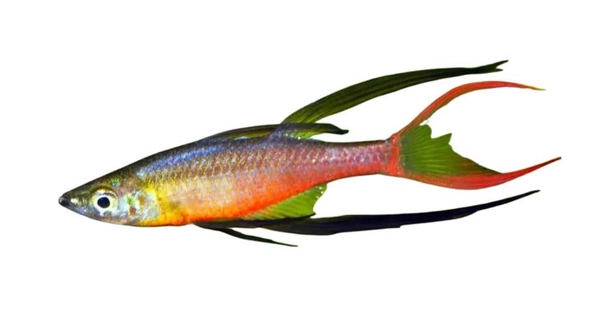
Have you ever noticed your threadfin rainbowfish resting at the bottom of the tank and wondered what might be causing this unusual behavior?
Threadfin rainbowfish often rest on the substrate due to environmental stress, poor water conditions, or illness. Factors such as low oxygen levels, high ammonia, or improper temperature can cause lethargy, making them seek rest at the tank’s bottom.
Recognizing these signs early helps maintain their health and restore normal activity in your aquarium.
Common Reasons Threadfin Rainbowfish Rest on the Substrate
Threadfin rainbowfish resting on the substrate is often a sign that something in their environment is not right. These delicate fish are highly sensitive to changes in water quality, temperature, and oxygen levels. Ammonia or nitrite spikes can stress them, leading to lethargy and unusual resting behavior. Overcrowding, poor filtration, or insufficient aeration can also contribute. Sometimes, their behavior may result from illness, such as bacterial infections or parasitic infestations, which cause weakness and loss of energy. Observing them closely during feeding and checking for physical changes can help identify possible issues before they worsen.
Maintaining a stable and healthy tank environment is key to preventing this problem. Regular water changes, testing parameters, and ensuring proper aeration will help keep your fish active and comfortable.
Healthy threadfin rainbowfish usually stay mid-water and swim gracefully. When they spend more time resting, it signals an imbalance that requires prompt attention.
How to Help Your Threadfin Rainbowfish Recover
When your threadfin rainbowfish starts resting too often, begin by testing the water parameters. Check for ammonia, nitrite, nitrate, and pH fluctuations, as these are common triggers for stress. Ensure the water temperature remains stable and appropriate, typically between 75°F and 82°F.
Improving water conditions is the most effective way to restore normal behavior. Perform partial water changes to reduce toxins and clean the substrate to remove waste buildup. Increase aeration using an air stone or adjust the filter output to enhance oxygen circulation. Observe feeding habits to ensure they are eating properly, as refusal to eat can signal illness. If symptoms persist—such as clamped fins, faded color, or rapid breathing—consider isolating the fish in a quarantine tank and consulting a specialist for diagnosis. With patience and consistent care, your threadfin rainbowfish can regain its energy and return to its peaceful swimming habits.
Signs of Stress in Threadfin Rainbowfish
Stress in threadfin rainbowfish often shows through physical and behavioral changes. They may lose color, breathe rapidly, or isolate themselves from the group. Prolonged stress weakens their immune system, making them more vulnerable to diseases and infections.
Another common sign of stress is a loss of appetite or unusual swimming behavior. If your fish are staying near the bottom, gasping at the surface, or rubbing against tank surfaces, it’s time to act. Monitor the tank closely and make sure water parameters remain within safe ranges. Proper lighting, stable temperature, and consistent feeding schedules can greatly reduce stress and restore balance.
Addressing stress promptly prevents further complications and helps your fish maintain their natural vitality. Once conditions stabilize, you’ll notice brighter colors, smoother movement, and improved social interactions. These small yet visible improvements indicate your fish are regaining health and comfort in their environment.
Preventing Future Issues
Preventing your threadfin rainbowfish from resting on the substrate starts with consistent tank maintenance. Regularly test water parameters, perform partial water changes, and keep the filter clean. Avoid sudden temperature shifts, as these can shock the fish and disrupt their normal activity levels.
Provide an environment that mimics their natural habitat. Include live plants for cover, proper lighting cycles, and gentle water flow to encourage natural swimming patterns. Avoid overcrowding, as too many fish increase waste and stress. Feed them a balanced diet with high-quality flakes or micro-pellets, along with occasional live or frozen food. By maintaining stability and paying attention to small changes, you can ensure your threadfin rainbowfish remain active, healthy, and vibrant in their home.
Adjusting Tank Conditions
Improving tank conditions can help your threadfin rainbowfish regain energy and normal behavior. Begin by checking the water’s temperature, pH, and oxygen levels. Ensure all readings match their preferred range to create a balanced and comfortable environment for them.
Perform small, frequent water changes instead of large ones to avoid sudden shifts. Clean the substrate gently and remove leftover food or debris. Keeping the water clear and well-oxygenated supports their recovery and encourages active swimming.
Dietary Support for Recovery
Proper nutrition plays a big role in restoring your threadfin rainbowfish’s health. Offer a varied diet consisting of high-quality flakes, micro-pellets, and protein-rich options such as brine shrimp or daphnia. Small, regular feedings prevent overeating and maintain digestive health. Adding vitamin-enriched foods can also boost immunity and reduce stress effects. Observe their eating patterns closely—healthy fish will feed eagerly. A consistent, nutritious diet helps strengthen their energy levels and promotes faster recovery, leading to improved activity and color vibrancy.
Monitoring Their Progress
Keep observing your fish daily for changes in movement, color, and appetite. Small improvements indicate your care is working. Continued monitoring ensures that potential problems are caught early, helping maintain your threadfin rainbowfish’s long-term health and stability.
FAQ
Why is my threadfin rainbowfish lying still at the bottom of the tank?
Your threadfin rainbowfish may rest on the bottom due to stress, illness, or poor water conditions. When ammonia, nitrite, or nitrate levels rise, fish experience difficulty breathing, leading them to settle on the substrate. Temperature fluctuations and low oxygen also contribute to this behavior. Make sure the water parameters are within their ideal range—pH between 6.0 and 7.5, temperature between 75°F and 82°F, and zero ammonia or nitrite levels. Once the environment stabilizes, your fish should begin swimming normally again.
How can I tell if my threadfin rainbowfish is sick or just resting?
If your fish is sick, you’ll often notice other signs besides resting. Look for faded color, clamped fins, labored breathing, or refusal to eat. A healthy fish might rest briefly, but it will remain alert and responsive to movement or feeding. Sick fish usually appear dull, motionless, or isolated. Checking for any visible spots, lesions, or unusual swelling can also help determine illness. If multiple symptoms persist, consider isolating the fish in a quarantine tank for observation and treatment.
What are the ideal water conditions for threadfin rainbowfish?
Threadfin rainbowfish thrive in clean, stable water with a temperature between 75°F and 82°F. The pH should stay slightly acidic to neutral, around 6.0 to 7.5. Ammonia and nitrite levels must always remain at zero, while nitrates should be under 20 ppm. Ensure strong filtration and consistent water changes—about 25% weekly—to maintain these parameters. Adding gentle aeration and live plants also helps improve oxygen levels and mimic their natural habitat.
Can poor diet cause my threadfin rainbowfish to become inactive?
Yes, an unbalanced diet can affect their energy levels and overall health. Feeding only one type of food deprives them of essential nutrients. Offer a variety that includes quality flakes, micro-pellets, and frozen or live foods like daphnia and brine shrimp. These protein-rich options support growth and vitality. Avoid overfeeding, as excess food decays quickly and pollutes the water. Feeding small portions two to three times daily keeps them active and reduces digestive stress.
How often should I clean my threadfin rainbowfish tank?
Partial water changes every week are ideal. Replace 20–30% of the water to keep conditions stable without shocking the fish. Clean the substrate gently with a siphon to remove debris, and rinse filter media using old tank water to preserve beneficial bacteria. Avoid completely emptying the tank unless absolutely necessary. Consistent, light cleaning maintains healthy bacterial balance and prevents sudden parameter swings that can stress your fish.
Why do threadfin rainbowfish lose color when resting on the substrate?
Loss of color often occurs when they’re stressed or unwell. Poor water conditions, high ammonia, or temperature changes can weaken their immune system and dull their natural hues. Stress also triggers hormonal changes that reduce pigmentation. Once the tank environment stabilizes and stressors are removed, their vibrant coloration should return gradually.
Should I separate my threadfin rainbowfish if it’s staying at the bottom?
If one fish is showing prolonged inactivity or visible signs of illness, it’s wise to move it to a quarantine tank. Separation prevents the spread of disease and allows you to monitor behavior closely. Use treated, conditioned water with similar parameters to the main tank. Provide gentle filtration and low lighting to reduce stress during recovery.
How can I prevent my threadfin rainbowfish from resting at the bottom again?
Preventing this issue involves maintaining consistent water conditions, providing a balanced diet, and reducing environmental stress. Avoid overcrowding, perform routine water changes, and test parameters regularly. Introduce new tankmates gradually to prevent aggression or territorial behavior. A stable, well-maintained environment helps your threadfin rainbowfish remain active, colorful, and healthy long-term.
Can stress from tankmates cause this behavior?
Yes, aggressive or overly active tankmates can stress threadfin rainbowfish. They prefer peaceful companions such as other small rainbowfish, rasboras, or tetras. Avoid keeping them with fin-nippers or territorial species. When stressed by tankmates, threadfin rainbowfish often hide near the substrate or behind plants. Providing plenty of space and visual barriers helps them feel secure and reduces resting behavior linked to anxiety.
What should I do if nothing seems to help?
If all water parameters are correct and your fish still rests at the bottom, seek professional advice. A veterinarian experienced in aquatic species can test for internal infections or parasites. Sometimes the issue lies deeper than environmental causes. Continue to monitor your fish, maintain water quality, and document any new symptoms. Early intervention improves recovery chances and helps prevent similar issues in the future.
Final Thoughts
Caring for threadfin rainbowfish requires consistency, attention, and patience. These delicate fish respond quickly to changes in their surroundings, which makes stable tank conditions essential. When they begin resting on the substrate, it’s often their way of signaling that something is wrong. The causes can range from water quality problems and stress to illness or poor nutrition. Observing their behavior daily helps identify the reason early and gives you time to make adjustments before their health declines. The key is to create an environment where they can thrive naturally, with clean water, good aeration, and minimal disturbances. Every small effort you make toward stability improves their overall well-being and prevents future problems.
Maintaining balance in the aquarium is more than just keeping the water clear—it involves understanding how each factor connects to the fish’s health. Temperature, pH, ammonia, and oxygen levels all play a part in their comfort and activity. Even minor fluctuations can cause stress or make them sluggish. Regular water tests and scheduled maintenance keep these values consistent, reducing the risk of harmful buildup. Adding live plants can help with oxygen circulation and provide shelter, creating a calm and safe space. Feeding them a varied, high-quality diet also contributes to their resilience and bright coloration. These small habits build a strong foundation for a healthy aquarium and allow your threadfin rainbowfish to display their graceful swimming and natural energy.
Watching threadfin rainbowfish return to their active, lively behavior after proper care is deeply rewarding. It shows that attentive maintenance and gentle observation truly make a difference. Once they regain their strength, you’ll notice their colors intensify and their movements become more fluid and confident. Keeping them healthy is not about making constant changes but about preserving consistency. Avoid sudden alterations to water temperature or chemistry, as these can undo progress. Over time, your routine will become second nature, and the tank will settle into a stable, balanced rhythm. Healthy threadfin rainbowfish bring life and calmness to an aquarium, and ensuring their comfort reflects the care and patience you put into their environment. Their well-being is a quiet reminder that balance, routine, and attention to detail are what keep any aquatic habitat thriving.

Hello,
If you enjoy the content that we create, please consider saying a "Thank You!" by leaving a tip.
Every little bit helps us continue crafting quality advice that supports the health, happiness, and well-being of pets around the world, for pets of all shapes, sizes, and species.
We really appreciate the kindness and support that you show us!