
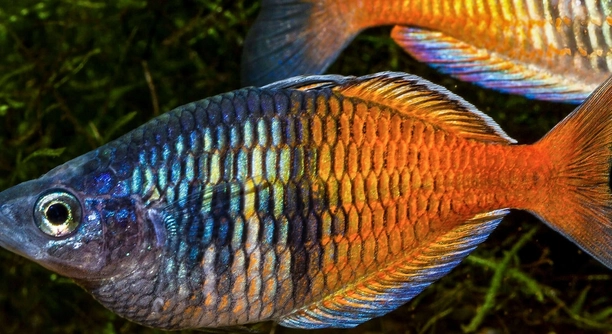
Rainbow fish are colorful and energetic creatures, known for their playful nature. They’re often seen chasing after food with excitement, making it easy to wonder what foods catch their attention most.
Rainbow fish are particularly attracted to live foods, such as worms, shrimp, and small insects. They also enjoy sinking pellets, flakes, and vegetables like spinach and zucchini, which can be an essential part of their diet.
Certain foods seem to bring out their natural hunting behavior. Understanding what your rainbow fish love to chase can help enhance their feeding experience and overall health.
Live Foods: The Top Choice for Rainbow Fish
Rainbow fish are known for their strong hunting instincts, and nothing excites them more than live foods. They love the movement and unpredictability of live prey, such as brine shrimp, daphnia, and small worms. These foods mimic the natural diet of fish in the wild, making them feel more at home in their aquarium. Live food provides excellent protein, which supports growth and health in rainbow fish. When they chase after their meal, it also gives them the mental and physical stimulation they need.
Brine shrimp and daphnia can be purchased in stores, either freeze-dried or live. If you’re willing to breed them, it can be a great way to keep your fish engaged. Regular feedings of live foods will help keep your rainbow fish active and satisfied.
For the best results, rotate between live foods and other options to ensure they’re getting a balanced diet. Offering them in a controlled, clean environment is essential to avoid any water quality issues. It’s always good to keep a steady supply on hand.
Pellets and Flakes: A Convenient Option
Pellets and flakes are a quick and easy way to feed your rainbow fish.
These foods are available in various types, and many are specially formulated to meet the nutritional needs of rainbow fish. While they’re not as exciting as live foods, they are still a reliable option. Many high-quality pellets contain vitamins and minerals to support overall health.
Vegetables: A Healthy Alternative
Rainbow fish enjoy a variety of vegetables, especially when they’re finely chopped or blanched. Spinach, zucchini, and peas are favorites that provide essential nutrients like fiber and vitamins. These veggies give your fish a break from meat-based foods and add variety to their diet.
Offering vegetables can help maintain the fish’s digestive health. They love nibbling on the soft, sinking pieces, and the natural colors of the veggies seem to attract them. Make sure to prepare the vegetables properly by blanching them or cutting them into small pieces. This ensures they are easier for the fish to eat.
Remember to remove any uneaten vegetables after a few hours to avoid water contamination. If you’re introducing vegetables for the first time, keep an eye on how your fish respond. Some might be more hesitant than others but will get used to it with time.
Insects and Worms: A Natural Snack
Rainbow fish will also chase after insects and worms, which are a natural food source in their native environments.
Bloodworms, blackworms, and earthworms are all excellent options that rainbow fish will eagerly chase. These insects are packed with protein and help in promoting growth and energy. They’re also an effective way to satisfy the fish’s instinct to hunt, making feeding time more fun for them. You can feed them dried, frozen, or live worms depending on what you have available.
Feeding worms can be a little messier, especially if you’re using live options. It’s important to monitor your water quality after offering worms, as they can impact the tank if leftover food is not cleaned up quickly. When worms are part of their diet, rainbow fish tend to become more active and responsive.
Shrimp: A Favorite Treat
Shrimp is a favorite among rainbow fish because of its texture and taste. They love to chase after small shrimp, which provide a good source of protein. Offering shrimp regularly will keep your fish active and satisfied.
Shrimp can be given freeze-dried, frozen, or even live. The variety adds excitement to feeding time, keeping your rainbow fish engaged. Just make sure you remove any uneaten shrimp after a few hours to prevent water quality issues. Shrimp also help enhance the colors of your rainbow fish over time due to the rich nutrients they provide.
Sinking Pellets: An Easy Option
Sinking pellets are convenient and easy to use for rainbow fish.
These pellets sink slowly and are often packed with the nutrients your fish need to stay healthy. Make sure to choose high-quality pellets that are designed for rainbow fish. Feed them sparingly to avoid overfeeding and to ensure they remain healthy.
Fruits: A Rare but Enjoyable Snack
Occasionally, rainbow fish will enjoy a small piece of fruit, like mashed berries or tiny bits of watermelon.
FAQ
What can I feed rainbow fish other than live food?
Rainbow fish can eat a variety of foods beyond live offerings. High-quality pellets and flakes are a good base for their diet. These options come in different formulas designed specifically for rainbow fish, ensuring they get the right nutrients. Vegetables like spinach, zucchini, and peas are also great additions. Just make sure the veggies are finely chopped or blanched before feeding to make them easier for the fish to consume. Sinking pellets are another easy option that will keep your fish engaged.
How often should I feed rainbow fish?
Rainbow fish are relatively small, so it’s important not to overfeed them. Generally, feeding them once or twice a day is sufficient. They tend to eat quickly, so only offer as much food as they can consume in about 2-3 minutes. Overfeeding can lead to water quality problems and obesity, so it’s important to maintain a consistent feeding schedule and adjust based on your fish’s size and activity level. Remember, variety is key, and balancing different food types will keep them healthy.
Can I feed rainbow fish frozen food?
Yes, frozen food is a great option for rainbow fish. Many types of frozen food are available, including brine shrimp, daphnia, and bloodworms. These foods can be thawed before feeding to your fish. Frozen food offers many of the same benefits as live food, providing protein and stimulating natural hunting behavior. Make sure to defrost the food properly and remove any uneaten portions to prevent water contamination. Frozen foods can be a more convenient alternative to live food, especially if you’re looking to avoid the hassle of maintaining live cultures.
Are there any foods rainbow fish should avoid?
While rainbow fish enjoy a wide range of foods, there are some things they should avoid. For example, they should not be fed foods high in fat, like fatty meats or excessive amounts of high-fat treats. These can cause digestive issues or even lead to obesity. Also, avoid feeding them foods that are too large for them to consume easily, as this can lead to choking or digestive problems. Additionally, you should avoid offering any food that has not been properly prepared or may have harmful additives. Always ensure any food is appropriate for their size and species.
Can rainbow fish eat vegetables every day?
Vegetables can be offered to rainbow fish several times a week, but they should not be fed daily. While vegetables are healthy and offer a good source of fiber and nutrients, a diet consisting mainly of vegetables can lack the necessary protein to keep rainbow fish in optimal health. It’s best to rotate between vegetables, live food, and pellets or flakes to maintain a balanced diet. Offering vegetables about two to three times a week will ensure they get the nutrients they need without overdoing it.
How do I know if I’m feeding rainbow fish too much?
Overfeeding rainbow fish can lead to several signs. If you notice excess food floating in the tank after feeding, this may be an indication that you’re offering too much. Additionally, if your fish seem lethargic or have trouble swimming, it could be a sign that they are being fed too frequently or too much at once. Watch your fish’s behavior after meals, and if they are leaving food behind consistently, it’s a good idea to reduce the amount. Be sure to maintain a healthy feeding routine to prevent any health problems related to overfeeding.
Can I feed rainbow fish fruits?
Rainbow fish can enjoy fruits as an occasional treat. Fruits like berries, watermelon, and kiwi can be offered in small amounts. However, they should not be a regular part of their diet. Fruits are high in sugar and lack essential proteins, which are vital for their health. When feeding fruits, make sure to remove any seeds and chop them into small, manageable pieces. While they can be a fun addition to the diet, fruits should only be offered as a rare snack.
Do rainbow fish need a varied diet?
Yes, rainbow fish thrive on a varied diet. Offering them different types of food, including live food, vegetables, and high-quality pellets or flakes, will ensure they get all the nutrients they need to stay healthy. A varied diet keeps your fish mentally stimulated and prevents them from getting bored with their meals. This diversity also helps meet the nutritional needs for growth, color enhancement, and overall health. While they can live on a single type of food, rotating different options is the best way to keep your rainbow fish in top condition.
Are there any special considerations when feeding rainbow fish in a community tank?
When feeding rainbow fish in a community tank, it’s important to consider the dietary needs of all the tank’s inhabitants. Rainbow fish are peaceful and may not compete aggressively for food, but some tank mates might be more dominant during feeding time. To ensure everyone gets their fair share, offer food that sinks or is slow-releasing to give all fish time to access it. If you’re using pellets or flakes, try feeding at different spots in the tank to avoid competition. Monitor your fish to ensure all species are getting the nutrients they need.
Final Thoughts
Rainbow fish are active and colorful creatures that require a varied and balanced diet to thrive in captivity. They enjoy a range of foods, from live prey like shrimp and worms to vegetables and quality pellets. Feeding them a mix of protein-rich foods and healthy plant-based options ensures they stay healthy, energetic, and colorful. While live foods are often the most exciting for them, other options like sinking pellets and vegetables can provide essential nutrients for their overall well-being.
It’s important to feed rainbow fish the right amount of food, as overfeeding can cause problems like poor water quality or obesity. Offering small portions that they can consume in a few minutes helps keep their tank clean and reduces the risk of excess food decaying in the water. By paying attention to their behavior and adjusting their feeding schedule accordingly, you can ensure your fish are getting the proper nutrition without compromising their health.
Finally, a well-rounded diet not only supports the physical health of rainbow fish but also encourages natural behaviors like hunting and foraging. They thrive in environments where they can engage with their food and enjoy variety. Whether you choose to feed them live foods, frozen treats, or prepared pellets, providing a consistent and varied diet will help your rainbow fish live long, healthy lives. Keep in mind that each fish may have individual preferences, so it’s essential to observe and adjust their diet based on their responses to different foods.

Hello,
If you enjoy the content that we create, please consider saying a "Thank You!" by leaving a tip.
Every little bit helps us continue crafting quality advice that supports the health, happiness, and well-being of pets around the world, for pets of all shapes, sizes, and species.
We really appreciate the kindness and support that you show us!