
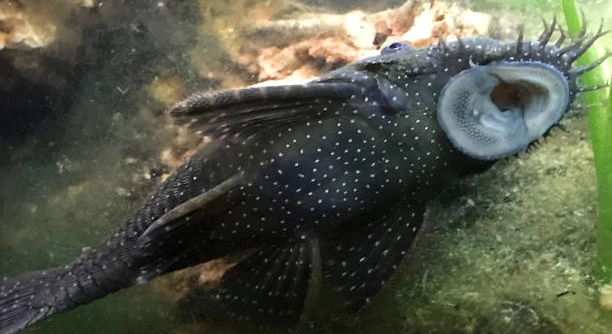
Do you ever notice your Bristlenose swimming around the tank and wonder if everything you’ve heard about them is true? Many fishkeepers adopt ideas that may not fully reflect these unique catfish’s behavior and needs.
Bristlenose plecos are often misunderstood due to myths about their size, diet, and tank requirements. Clarifying these misconceptions helps owners provide proper care, ensuring their health, natural behavior, and long-term survival in home aquariums.
Understanding these common myths will improve your tank management and help your Bristlenose thrive in its environment.
Misconception 1: Bristlenose Stay Small Forever
Many people believe that Bristlenose plecos will remain tiny no matter what. While they are smaller than common plecos, they can still grow up to 5–6 inches in length. Their size depends on diet, tank space, and water quality. Providing a balanced diet of algae wafers, vegetables, and occasional protein treats supports healthy growth without causing overgrowth. Tank size also matters—a small tank can stunt their growth and affect their health. Proper filtration and regular water changes ensure a clean environment that encourages normal development. Observing their behavior and body condition helps you adjust feeding amounts. Overfeeding can lead to obesity, while underfeeding slows growth. Bristlenose are active algae eaters, but they also need hiding spaces and driftwood to maintain comfort. Keeping them in optimal conditions allows them to reach their natural size safely, avoiding the misconception that they will always stay small and easy to manage in any setup.
They generally reach adult size within a year, depending on care and environment, not instantly.
Monitoring tank conditions and diet carefully ensures they grow healthy while remaining manageable for your setup.
Misconception 2: Bristlenose Only Eat Algae
Many assume Bristlenose plecos survive solely on algae, but their diet is more varied. Vegetables like zucchini, cucumber, and spinach provide necessary nutrients.
While algae are important, Bristlenose need additional foods to thrive. Supplementing with fresh vegetables and occasional protein sources ensures they stay healthy and active.
Relying only on algae can lead to nutrient deficiencies and stunted growth. They enjoy grazing on biofilm, but algae alone rarely meet all nutritional requirements. Offering a mix of vegetables and occasional high-quality sinking pellets helps maintain weight, coloration, and energy levels. Bristlenose will explore the tank to find different foods, which is normal behavior. Providing driftwood is also important, as it aids digestion and mimics their natural environment. Fresh vegetables can be blanched to soften them, making it easier for the fish to eat. Observing their eating habits shows whether they are getting enough variety. Maintaining a balanced diet ensures your Bristlenose are healthy, active, and visually vibrant, correcting the misconception that algae alone are enough for their survival.
Misconception 3: Bristlenose Are Aggressive
Bristlenose plecos are generally peaceful and not aggressive toward other fish. Conflicts usually occur over territory or hiding spots, especially in crowded tanks. Proper space and hiding places prevent stress and reduce disputes among tank mates.
Providing caves, driftwood, and decorations creates natural boundaries that Bristlenose need. Territorial behavior is mostly limited to males during breeding, but even then, conflicts are minor. They tend to stay in their preferred areas without chasing or attacking other fish. Ensuring enough space for each individual reduces stress, which is key for their overall health. Observing their interactions helps you notice if a specific fish feels threatened or crowded, allowing adjustments in tank layout or stocking. Peaceful tank mates complement Bristlenose well, making them suitable for community tanks while maintaining their calm nature.
Even though males guard their eggs, aggression rarely spreads beyond the immediate area, keeping the tank environment calm and stable.
Misconception 4: They Don’t Need Hiding Spots
Bristlenose plecos require hiding spots to feel secure, especially during the day. Driftwood, caves, and plants offer shelter.
Hiding spots reduce stress, encourage natural behavior, and provide resting areas. Lack of shelter can lead to aggression, anxiety, and poor health.
These fish are nocturnal by nature, so they need areas to retreat during daylight hours. Driftwood not only offers hiding spaces but also aids digestion by releasing beneficial fibers as they graze. Caves and dense decorations help males establish territories and provide safe places for breeding. Plants can create visual barriers and enhance the tank’s complexity, giving Bristlenose multiple areas to feel protected. Without adequate hiding options, they may become skittish, hide excessively, or compete more aggressively for limited spots. Properly arranged tank decorations support their natural instincts, reduce stress, and help maintain a balanced and healthy aquarium environment for both Bristlenose and other tank inhabitants.
Misconception 5: Bristlenose Can Live in Any Water Condition
Bristlenose plecos are adaptable but still need stable water parameters. Sudden changes in temperature or pH can stress them, affecting health and behavior. Maintaining consistent conditions ensures they remain active and healthy.
Regular testing of water parameters, including ammonia, nitrite, and nitrate levels, helps prevent problems. Gradual adjustments are safer than sudden changes. Proper filtration and water changes support their well-being, making sure the tank stays clean and safe. Stable water conditions also encourage natural feeding and breeding behaviors, keeping Bristlenose comfortable and less prone to illness.
Misconception 6: They Don’t Breed Easily
Bristlenose plecos can breed in home aquariums if conditions are right. Providing caves, clean water, and a stable environment encourages spawning.
They are egg-layers, and males guard the eggs until hatching. A healthy diet and low-stress environment increase breeding success.
Misconception 7: Bristlenose Are Expensive to Maintain
Bristlenose plecos do not require costly food or equipment. Basic algae wafers, vegetables, and standard filtration are sufficient.
FAQ
How often should I feed my Bristlenose pleco?
Bristlenose plecos should be fed once or twice a day with a mix of algae wafers, vegetables, and occasional protein treats. Overfeeding can lead to poor water quality and obesity, while underfeeding slows growth and reduces energy levels. Watching how much they consume in 10–15 minutes helps control portions.
Can Bristlenose plecos live with other fish?
Yes, they are generally peaceful and compatible with most community fish. Conflicts may occur over territory, especially with other bottom-dwellers, but providing ample hiding spots and tank space minimizes stress. Avoid aggressive species that might harass or nip at their fins.
Do Bristlenose plecos need driftwood in the tank?
Driftwood is highly recommended. It provides a natural grazing surface and aids digestion. The fibers released during feeding help keep their digestive system healthy. Additionally, it gives them shelter and reduces stress by creating safe hiding areas.
How large should my tank be for a Bristlenose pleco?
A single adult Bristlenose requires at least a 20-gallon tank. Larger tanks are better for multiple fish, giving each enough space to graze, hide, and avoid territorial disputes. Adequate filtration and water flow are also essential for maintaining clean and stable conditions.
Why are my Bristlenose plecos hiding all the time?
Hiding is normal, especially during daylight. They are naturally nocturnal and prefer resting in caves or under decorations. Excessive hiding may indicate poor water quality, stress, or insufficient hiding spots. Ensure the tank is clean and has plenty of secure areas for them to retreat.
Can I keep Bristlenose plecos without live plants?
Yes, but plants provide additional benefits. They create hiding areas, improve water quality, and reduce stress. If live plants are not feasible, decorations and artificial plants can serve a similar purpose, but driftwood and caves remain essential for their comfort and health.
How do I tell if my Bristlenose pleco is healthy?
Healthy Bristlenose plecos have clear eyes, intact fins, and smooth skin. They actively graze, swim normally, and show interest in food. Sudden weight loss, lethargy, or changes in color are warning signs that water conditions or diet may need adjustment. Regular observation is key.
Do Bristlenose plecos need special lighting?
No special lighting is required. Standard aquarium lighting is sufficient. They prefer shaded areas during the day, so providing caves or floating plants helps reduce stress while still allowing them to graze on algae and biofilm naturally.
Can Bristlenose plecos help control algae in the tank?
They can assist in controlling algae but will not eliminate it completely. Their grazing helps keep surfaces cleaner, but a balanced tank maintenance routine, including water changes and proper filtration, is still necessary to prevent overgrowth.
What is the lifespan of a Bristlenose pleco?
Bristlenose plecos typically live 5–8 years with proper care. Consistent water quality, a balanced diet, and adequate hiding spots contribute to longevity. Regular observation and maintenance help prevent stress and illness, supporting a longer, healthier life in a home aquarium.
Can I breed Bristlenose plecos in a community tank?
Yes, but it is easier if you provide dedicated breeding caves and stable conditions. Males guard eggs until they hatch, and low-stress environments improve survival rates. Supplementing with a high-quality diet encourages spawning and supports fry development.
Why are my Bristlenose plecos scratching against decorations?
Scratching or rubbing can indicate irritation from parasites, rough surfaces, or poor water quality. Check water parameters, inspect for external parasites, and ensure decorations have smooth surfaces to prevent injury while allowing natural grazing behavior.
Is it normal for Bristlenose plecos to breathe at the surface?
Occasional surface breathing may happen if oxygen levels are low. Ensure proper aeration, circulation, and water quality. Persistent gasping can indicate stress, poor water conditions, or illness, requiring immediate attention to prevent health issues.
Can Bristlenose plecos coexist with snails or shrimp?
Yes, they generally coexist peacefully with snails and shrimp. They mostly graze on algae and biofilm, leaving other tank inhabitants unharmed. Watch for territorial behavior during breeding or if space is limited, and provide multiple hiding areas for all species.
How do I clean a tank with Bristlenose plecos?
Perform regular water changes and gently clean decorations to avoid disturbing hiding areas. Avoid harsh chemicals or scrubbing that could stress the fish. Maintain substrate, filter, and driftwood hygiene while allowing some algae growth for grazing.
Do Bristlenose plecos need supplements or vitamins?
A varied diet of vegetables, algae wafers, and occasional protein treats typically meets their nutritional needs. Supplements are rarely necessary if the diet is balanced. Monitor health and growth to adjust feeding if deficiencies are suspected.
Why do Bristlenose plecos sometimes lose their bristles?
Loss of bristles can occur due to stress, age, poor water conditions, or fighting. Healthy males typically regrow bristles during optimal conditions. Monitoring water quality and minimizing stressors helps maintain their natural appearance.
Can I keep Bristlenose plecos in cold water tanks?
They tolerate a range of temperatures but prefer 73–81°F (23–27°C). Cold water may slow metabolism, reduce activity, and impact health. Maintaining stable, moderate temperatures ensures proper feeding, growth, and overall well-being.
How often should I check water parameters for Bristlenose plecos?
Regular testing at least once a week is recommended. Monitor ammonia, nitrite, nitrate, pH, and temperature. Consistent observation prevents stress and illness, keeping the tank environment safe and suitable for Bristlenose and other tank inhabitants.
What should I do if my Bristlenose pleco is not eating?
Check water quality, temperature, and stress factors first. Offer a variety of vegetables, algae wafers, and protein treats. Observe behavior and ensure there are no dominant tank mates preventing feeding. Persistent refusal may indicate illness and require professional advice.
Can Bristlenose plecos survive in low-light tanks?
Yes, they are adaptable to low-light environments. However, providing hiding spots and surfaces for grazing ensures they remain active and healthy, even with limited lighting. Proper nutrition and water quality remain essential regardless of light conditions.
This FAQ section covers the most common concerns and helps ensure Bristlenose plecos thrive in a home aquarium environment.
Bristlenose plecos are often misunderstood, but learning about their true needs makes caring for them much easier. They are smaller, peaceful catfish that adapt well to community tanks when provided proper space, hiding spots, and a balanced diet. While many misconceptions exist, understanding their behavior and requirements allows you to create a comfortable environment where they can thrive. Regular observation of their feeding, activity, and interactions with tank mates helps ensure they are healthy and stress-free. Providing the right conditions, such as clean water, appropriate temperature, and secure hiding spaces, is more important than focusing on myths or assumptions.
Diet is one of the areas where misinformation is common. While Bristlenose are known for grazing on algae, they cannot survive on it alone. A varied diet including vegetables, algae wafers, and occasional protein treats is necessary for growth, energy, and overall health. Driftwood plays a dual role, serving as both a hiding spot and a digestive aid. Observing how much they eat and adjusting portions can prevent both overfeeding and nutrient deficiencies. This attention to detail supports their natural behavior and keeps them active in the tank. Combining proper nutrition with a stable, clean environment ensures that Bristlenose plecos remain vibrant and live a long, healthy life.
Understanding their social and environmental needs is equally important. Bristlenose are generally peaceful but may show mild territorial behavior, especially males during breeding. Providing multiple hiding areas and sufficient tank space minimizes stress and reduces conflicts. They prefer retreating to shaded or secure spots during the day, reflecting their nocturnal tendencies. Monitoring water parameters and maintaining stable conditions prevent common health issues and improve longevity. By focusing on accurate information rather than myths, you can confidently care for Bristlenose plecos, enjoy their natural behaviors, and maintain a balanced aquarium ecosystem that benefits both the fish and the overall tank environment.

Hello,
If you enjoy the content that we create, please consider saying a "Thank You!" by leaving a tip.
Every little bit helps us continue crafting quality advice that supports the health, happiness, and well-being of pets around the world, for pets of all shapes, sizes, and species.
We really appreciate the kindness and support that you show us!