
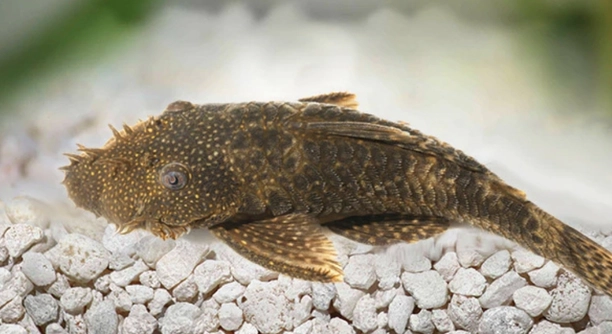
Plecos are fascinating fish that display subtle behaviors, especially when preparing to breed. Observing them closely can reveal small changes in their habits and interactions, which often go unnoticed by casual aquarium keepers.
Plecos exhibit several subtle breeding cues, including changes in color intensity, fin positioning, and territorial behavior. They may also increase hiding in caves, perform specific cleaning activities, or display gentle nudging, indicating readiness to reproduce within a controlled aquatic environment.
Recognizing these cues allows aquarists to better support their plecos’ breeding process and maintain a healthier, balanced tank environment for all inhabitants.
Color Changes
Plecos often show subtle color shifts when they are ready to breed. Males may develop darker or more intense shades, particularly along their fins or body. These changes are not always dramatic, but careful observation will reveal a difference. Females may also exhibit slight lightening or patchy coloration. Changes in color can appear gradually over several days or weeks. Alongside this, males might flare their fins more often, signaling territorial claims or attraction to a potential mate. Observing your tank daily makes it easier to notice these transitions early. Lighting conditions and water quality can influence how noticeable these changes are. Providing stable conditions ensures the plecos feel secure enough to display breeding behaviors. Not all plecos show intense color differences, so it’s important to note normal baseline coloring to identify shifts accurately. Pairing this observation with other behaviors improves your understanding of their reproductive readiness.
Color changes are often one of the first visible signs indicating breeding activity among plecos.
Tracking color shifts helps you anticipate mating, guide tank setups, and provide optimal conditions for successful breeding.
Hiding and Territory
Plecos increase hiding behavior when preparing to breed. They may spend more time in caves, under driftwood, or among decorations. This allows them to feel safe and establish a breeding territory. Males are particularly protective of their chosen spaces, sometimes chasing other tankmates away. Females may also retreat frequently, especially when the male is asserting dominance. Providing multiple hiding spots can reduce stress and mimic natural habitats, encouraging breeding behavior. Observing which areas are favored helps identify dominant individuals and possible breeding pairs. Even small changes, like a pleco lingering near a specific cave, can indicate readiness to spawn. Ensuring water parameters remain stable during this time supports healthy behavior. Plecos rely heavily on environmental security to feel confident enough for breeding. Creating clear territories reduces aggression and allows the pair to perform natural nesting activities. Regular monitoring of tank interactions will reveal subtle patterns and ensure conditions favor successful reproduction.
Hiding is a clear behavioral signal that plecos are preparing for reproduction.
Recognizing these patterns helps aquarists arrange the tank to accommodate privacy, reduce stress, and support the natural reproductive cycle of plecos, ensuring healthier interactions and increasing the likelihood of successful spawning.
Cleaning Behavior
Plecos often clean surfaces more actively before breeding. They may scrape walls, decorations, or caves, preparing a suitable site for eggs.
This behavior is most noticeable in males, who clear potential nesting areas to attract females. Scraping can involve repeated movements along surfaces, removing algae or debris. Cleaning ensures eggs have a safe, clean environment and reduces the chance of fungus or bacterial growth. Providing smooth surfaces and caves encourages this natural behavior. Observing these actions can help identify when a male is ready to breed. Females may inspect cleaned areas before committing to spawn.
Active cleaning is also paired with guarding behavior. Males may hover near cleaned surfaces, defending them from other fish. The intensity and frequency of cleaning increase as breeding readiness approaches. This behavior signals that the male is establishing both territory and conditions favorable for reproduction, allowing careful aquarists to track breeding preparation accurately.
Nudging and Interaction
Plecos often engage in gentle nudging when ready to breed. This includes touching each other or moving closer in the tank.
Nudging serves as a form of communication between the pair. Males may nudge females toward the prepared nesting site, guiding them to the optimal location for egg laying. This behavior can be subtle, sometimes lasting only a few seconds, but it occurs repeatedly over time. Nudging can also reinforce pair bonding and readiness to spawn.
Observing nudging alongside other behaviors, such as color changes or increased hiding, provides a clearer picture of breeding readiness. Females usually respond by remaining near the male or the prepared site, showing acceptance. Consistent nudging signals that mating is imminent and allows aquarists to support the pair by maintaining stable water conditions, offering appropriate hiding spots, and minimizing stress from other tankmates. Proper attention to these interactions ensures a higher likelihood of successful spawning.
Fin Flaring
Fin flaring increases when plecos are ready to breed. Males display extended fins to assert dominance and attract females.
This behavior also helps establish territory. Flared fins signal strength and readiness, discouraging rival males from approaching nesting sites. Observing repeated flaring can indicate imminent spawning activity.
Resting Near Caves
Plecos often stay close to caves or hiding spots during breeding readiness. They linger near entrances, guarding potential nesting areas. This behavior is a sign that the fish are preparing a site for eggs. Males especially maintain proximity, ensuring safety and control over the chosen location.
Subtle Body Movements
Plecos make small, deliberate body movements when breeding readiness is high. Gentle nudges, circling, and brushing against surfaces are common signals of mating interest and readiness. Observing these actions can help aquarists track reproductive behavior closely.
Increased Appetite
Plecos often eat more before breeding. Elevated feeding supports energy demands and overall health during reproductive activity.
FAQ
How can I tell if my pleco is ready to breed?
Breeding readiness in plecos is often subtle but noticeable if you watch carefully. Key indicators include changes in color, increased hiding, cleaning behavior, fin flaring, and nudging interactions. Males may guard caves and prepared surfaces while females inspect these areas. Observing a combination of these behaviors gives a clearer indication of readiness rather than relying on a single sign.
Why does my pleco spend more time in caves recently?
Increased time spent in caves is typically related to breeding preparation. Plecos feel secure in enclosed spaces, which mimics natural nesting sites. Males use these areas to establish territory and attract females. Providing multiple caves reduces stress and ensures both males and females have a sense of security while preparing for reproduction.
What does frequent scraping or cleaning behavior mean?
Cleaning or scraping surfaces is usually a male pleco preparing a spawning site. This activity removes algae, debris, and potential harmful bacteria to create a safe location for eggs. The frequency and intensity of cleaning increase as breeding readiness approaches. Observing cleaned surfaces alongside fin flaring and nudging confirms reproductive behavior.
Is color change always a reliable breeding sign?
Color change can indicate breeding readiness but is not always reliable on its own. Males often darken or intensify in color, while females may show lighter patches. Environmental factors, diet, and stress can also influence coloration, so it should be considered alongside other behavioral cues like cave guarding and nudging.
Why is my pleco nudging other tankmates or itself against surfaces?
Nudging behavior is a form of communication, often signaling breeding readiness. Males may guide females to nesting sites or interact with other fish to assert dominance. Repeated gentle nudges indicate pairing interest. Observing this alongside hiding, flaring, and cleaning provides a complete picture of breeding behavior.
Should I change the tank setup during breeding readiness?
Adjustments can help support breeding but should be minimal to avoid stress. Providing additional hiding spots, smooth caves, and stable water conditions creates a safe environment. Avoid rearranging decorations or introducing aggressive tankmates. Monitoring water parameters and ensuring a calm atmosphere supports natural reproductive behavior.
Does diet affect breeding behavior?
Yes. A varied and nutrient-rich diet boosts energy levels, supporting reproductive activity. Feeding plecos higher protein foods or occasional live/frozen treats encourages health and breeding readiness. Consistent feeding also reduces competition for resources, allowing plecos to focus on mating behaviors rather than stress from hunger.
How long does it take for plecos to spawn after showing breeding cues?
Timing varies depending on species and individual fish. Once males begin cleaning and guarding caves, and females start inspecting, spawning can occur within days to a couple of weeks. Continuous observation ensures you can recognize when the pair is ready and maintain optimal conditions for successful reproduction.
Can all plecos be bred in home aquariums?
Not all species are easy to breed. Some require specific water conditions, large tanks, or seasonal triggers. Researching the species’ natural behavior, preferred cave types, and temperature needs is essential. Providing an environment that closely mimics natural habitats increases the likelihood of successful spawning.
How do I know if eggs are fertilized?
Fertilized eggs are usually sticky, attaching to the walls or floors of the nesting site. They appear slightly translucent or whitish and are actively guarded by the male. Infertile eggs may turn opaque or develop fungus. Observing male guarding behavior alongside the appearance of eggs helps confirm fertilization.
What should I do if the male becomes aggressive during breeding?
Aggression is normal, especially when guarding territory. Ensure there are multiple hiding spots to prevent stress for the female and other tankmates. Avoid interfering unless injury occurs. Providing sufficient space and environmental enrichment helps reduce prolonged aggression and allows natural breeding behaviors to continue smoothly.
How long do pleco eggs take to hatch?
Hatching times vary by species and water temperature. Generally, eggs hatch in 4 to 10 days. Maintaining clean water, stable temperature, and minimal disturbances ensures higher survival rates. Observing male guarding behavior during this period protects eggs from fungus and other risks.
Can breeding behavior be triggered artificially?
Yes. Slight adjustments in temperature, water flow, or seasonal simulation can encourage breeding. Increasing protein-rich foods and ensuring plenty of hiding spaces also helps. Changes should be gradual to avoid stressing the fish, and consistent observation is key to recognizing readiness.
What are signs that a female is ready to lay eggs?
Females inspect cleaned caves, linger near males, and may nudge surfaces. Their activity tends to increase around nesting areas, and subtle color or body changes may appear. Pairing these behaviors with male guarding and cleaning provides a clear signal that egg-laying is imminent.
How can I support plecos after spawning?
Maintaining stable water conditions, avoiding stress, and monitoring tankmates are crucial. Feeding appropriately supports energy recovery. Male plecos usually continue guarding eggs and fry, so leaving them undisturbed helps ensure higher survival. Minimal interference during this period is the best support.
This FAQ provides practical insights into identifying and supporting pleco breeding behavior in a home aquarium. Observing multiple cues and maintaining optimal conditions significantly improves reproductive success and overall fish health.
Plecos are fascinating fish to observe, especially when they begin showing signs of breeding readiness. Their behaviors are often subtle and easy to miss if you’re not paying close attention. Changes in color, increased hiding, cleaning surfaces, and nudging interactions are all key indicators that your plecos may be preparing to reproduce. Each fish can display these behaviors differently, so it’s important to know the baseline habits of your individual tank inhabitants. Observing them regularly will make it easier to notice small shifts that indicate breeding activity. Providing stable water conditions, proper nutrition, and safe hiding spots creates an environment that encourages these natural behaviors.
Understanding breeding cues is not just about predicting reproduction, but also about supporting the overall health of your fish. When plecos feel secure, they are more likely to engage in natural activities that benefit both their physical and mental well-being. Territorial behaviors, fin flaring, and cleaning activities all play a role in their reproductive process, but they also help the fish maintain structure within the tank. Watching these behaviors gives you insight into their comfort level and social interactions. It is important to allow plecos enough space and privacy during this time, as stress can interfere with breeding and affect their health. Small adjustments, like adding caves or maintaining consistent water quality, can make a significant difference.
Breeding plecos requires patience and careful observation. Not every cue guarantees that spawning will occur immediately, and some species are more challenging to breed than others. Focusing on the combination of multiple behaviors rather than a single sign provides a more accurate understanding of their readiness. Supporting them through proper diet, environmental stability, and minimal disturbance during critical periods helps ensure successful reproduction. Observing plecos closely and responding to their natural behaviors not only increases the likelihood of breeding but also strengthens your ability to care for them effectively. Paying attention to these details enhances the overall harmony of your aquarium and allows you to enjoy the rewarding experience of seeing your fish thrive and reproduce naturally.

Hello,
If you enjoy the content that we create, please consider saying a "Thank You!" by leaving a tip.
Every little bit helps us continue crafting quality advice that supports the health, happiness, and well-being of pets around the world, for pets of all shapes, sizes, and species.
We really appreciate the kindness and support that you show us!