
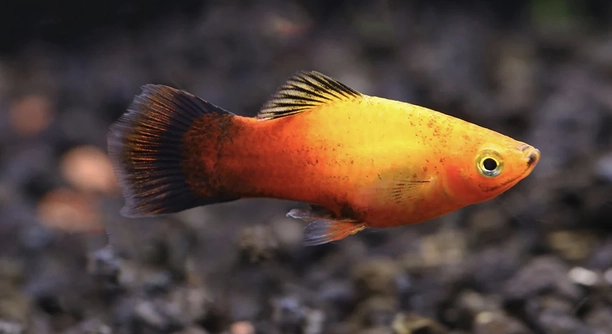
Platies are popular freshwater fish known for their bright colors and peaceful nature. Many fish keepers enjoy adding new foods to their diet to keep them healthy. However, platies sometimes refuse to eat unfamiliar food, which can be frustrating.
Platies might refuse new food due to stress, sudden changes in their environment, or dislike of the texture and taste. Their eating habits can also be influenced by water quality, competition from other fish, or even illness. Understanding these reasons helps address feeding problems effectively.
Knowing why your platies avoid new food can improve their care and diet. This article will explain key reasons behind their picky behavior and help you create a better feeding routine.
Stress and Environmental Changes
Platies are sensitive to their surroundings. When introduced to a new tank or when the tank conditions suddenly change, they can feel stressed. Stress affects their appetite and can make them refuse food. Changes like new decorations, lighting, or tank mates can unsettle them. Even small shifts in water temperature or chemistry can cause discomfort. When stressed, platies may hide or swim less actively, showing less interest in eating. It’s important to keep their environment stable and introduce changes slowly. Providing plenty of plants and hiding spots can help them feel secure. A peaceful tank with compatible fish reduces stress. Monitoring water parameters regularly ensures the water stays healthy. Avoid overcrowding, as it causes tension and competition. When platies feel safe and comfortable, they are more likely to accept new food without hesitation.
Stress can reduce platies’ willingness to try unfamiliar food, so keeping the environment calm is essential for healthy feeding habits.
Proper tank setup and gradual changes can help platies adjust smoothly. Give them time to explore their space before introducing new foods. Patience and steady care make feeding easier and keep platies happy.
Texture and Taste Preferences
Platies often reject food based on texture or flavor. They may prefer softer flakes over hard pellets or fresh foods over processed ones. Some foods might feel strange in their mouths or not appeal to their taste buds. If the new food is too big or tough, platies may avoid eating it. Introducing food in smaller pieces or mixing it with their regular diet can encourage acceptance. It’s important to observe which textures your platies favor and offer foods that suit their preferences. Using natural ingredients or homemade mixes can also improve their interest. Sometimes, adding a little garlic or spirulina powder can make food more appealing. Keeping variety in their diet helps maintain their appetite and overall health. Trying different shapes and types of food lets you find what works best for your fish.
Texture and taste play a big role in food acceptance, so matching preferences improves feeding success.
Introducing new foods gradually and observing platies’ reactions helps you adapt their diet to their liking. Mixing familiar tastes with new ones encourages trying different options without stress.
Water Quality Issues
Poor water quality can make platies refuse food quickly. High levels of ammonia, nitrites, or nitrates stress fish and affect their appetite.
Maintaining clean water with regular changes and testing is key. Platies need stable pH and temperature levels, usually between 6.8 and 8.0 pH and 72-78°F. Sudden shifts in these parameters can cause discomfort, making them avoid eating. Filtration should be adequate but not create strong currents, as this can tire platies. Dirty tanks can also cause disease, which lowers appetite.
If platies stop eating after water changes, check that the new water matches tank conditions. Conditioning water to remove chlorine and chloramines is essential. Clear, stable water supports healthy digestion and feeding. Consistent tank maintenance helps platies stay active and interested in food.
Illness and Health Problems
Illness is a common reason platies refuse food. When sick, fish often lose interest in eating as their bodies focus on healing.
Common issues include parasites, bacterial infections, and swim bladder problems. Symptoms like lethargy, clamped fins, or discoloration can indicate health trouble. If you notice these signs, isolate the affected fish and test water quality. Treatment may require medication specific to the illness. Early detection and care improve chances of recovery. Feeding can resume gradually once the fish shows signs of improvement.
Poor diet or stressful conditions weaken immunity, making illness more likely. Keeping a clean environment and balanced diet helps prevent health problems. Monitoring your platies daily ensures any health changes are caught early, allowing prompt care to restore appetite and vitality.
Competition Among Tank Mates
Platies may refuse new food if other fish are more aggressive during feeding. Competition can stress them out and limit their access to food.
Slower or shy platies might wait until all the food is gone before trying to eat. This can cause them to avoid unfamiliar foods they don’t recognize as safe or easy to eat.
Feeding Routine and Timing
Platies thrive with a consistent feeding schedule. Sudden changes in feeding times or skipping meals can make them wary of new food. Regular, small feedings help maintain their appetite. Feeding at the same times daily sets a routine that encourages them to accept different foods more easily. It also helps monitor how much they eat and notice any changes in behavior. Avoid overfeeding, which can cause water quality issues and reduce their interest in food. Sticking to a routine supports healthy feeding habits and keeps platies eager to eat.
Overfeeding Effects
Overfeeding can cause platies to lose interest in new foods. Excess food often leads to poor water quality, making fish less likely to eat.
Why won’t my platies eat new food even after several days?
Platies can be cautious about new foods, especially if they feel stressed or uncomfortable in their environment. It may take a week or more for them to accept something different. Sometimes, they prefer to stick with what’s familiar until they feel safe. Make sure to introduce new foods gradually, mixing a small amount with their regular diet. Keep the tank environment stable, with good water quality and low stress. Patience is key—forcing new food too quickly can make them refuse it longer.
How can I encourage my platies to try new food?
Try breaking the new food into smaller pieces or soaking dry food in tank water to soften it. Mixing the new food with their favorite flakes or pellets can make it more appealing. Feeding them during low-light conditions or when they are more active might help. Avoid feeding too much at once; small, frequent meals work better. Also, observe their preferences over time to see which textures and flavors they like most.
Is it normal for platies to refuse food during tank cleaning?
Yes, platies can get stressed during tank maintenance, which can make them stop eating temporarily. Changes in water parameters or noise during cleaning can unsettle them. To reduce this, try to keep water conditions consistent and avoid disturbing the tank too much at once. Feeding can resume normally once they calm down.
Could illness cause my platies to stop eating?
Yes, illness often causes loss of appetite in platies. If you notice other symptoms like lethargy, changes in swimming, or unusual spots, it’s important to test water quality and consider treatment. Sick fish may need isolation and medication. Feeding small amounts of easily digestible food can help during recovery.
Does water temperature affect platies’ eating habits?
Platies prefer stable water temperatures between 72°F and 78°F. If the water is too cold or too hot, their metabolism slows down or speeds up, affecting appetite. Sudden temperature changes can cause stress and reduce feeding. Using a reliable heater and thermometer helps maintain the right temperature and encourages regular eating.
Can platies eat human food or leftovers?
It’s best to avoid feeding platies human food or leftovers. Many human foods contain oils, salt, or additives harmful to fish. Instead, stick to high-quality commercial foods made for platies or freshwater fish. Occasional treats like blanched vegetables or live foods can be good but should be given sparingly.
How often should I offer new foods to my platies?
Introduce new foods slowly, starting with small amounts once every few days mixed with their regular diet. This prevents waste and allows platies to adjust. Over time, you can increase the amount if they accept it. Variety is good but avoid sudden large changes.
What if only some platies refuse the new food?
Individual platies have different preferences and personalities. Some may be more cautious or picky. Keep offering the new food and observe if shy fish eventually try it. Sometimes separating more aggressive eaters temporarily can help the picky ones gain confidence.
Can poor water quality make platies stop eating new food?
Absolutely. High levels of ammonia, nitrites, or nitrates, as well as unstable pH, can stress fish and suppress appetite. Regular water testing and maintenance are crucial. Clear, clean water supports healthy digestion and feeding behavior.
Is feeding frequency important for platies’ acceptance of new food?
Yes, feeding frequency affects their hunger and willingness to try new foods. Feeding once or twice daily in small amounts helps keep them interested. Overfeeding can lead to water problems and reduce appetite. Underfeeding may stress them and cause health issues. A balanced routine supports healthy feeding habits.
Can platies recognize and reject spoiled or old food?
Platies can detect changes in food quality. Spoiled or stale food may smell or taste off, causing refusal. Always use fresh food, store it properly, and remove uneaten food promptly. This keeps platies healthy and interested in their meals.
Are live foods easier for platies to accept than frozen or dry foods?
Many platies prefer live or freshly thawed foods because of natural movement and texture. Live foods like brine shrimp or daphnia stimulate feeding instincts. However, high-quality frozen or dry foods can be accepted if introduced properly. A mix of types offers good nutrition and interest.
How do I know if my platies are getting enough nutrition if they refuse new foods?
Observe their behavior, growth, and color. Healthy platies swim actively, have bright colors, and maintain weight. If they refuse new foods but eat their usual diet well, they may still be fine. If appetite drops for days and you see signs of illness or weight loss, consult a vet or fish expert.
What should I do if my platies refuse all types of food?
Check water quality and temperature first. Look for signs of illness or stress. Isolate any sick fish. Try hand-feeding with familiar food or live treats. If refusal continues for several days, professional advice may be necessary. Prompt action helps prevent serious health problems.
Can tank decorations or plants influence feeding behavior?
Yes, hiding spots and plants can reduce stress, encouraging platies to feel safe while eating. However, crowded tanks or aggressive tank mates near feeding areas might discourage timid fish from eating. Arranging the tank for comfort and peace helps improve feeding habits.
Is it possible that platies just don’t like the new food?
Definitely. Like people, platies have preferences. They might reject certain flavors or textures permanently. Offering a variety of safe, nutritious foods helps ensure they get balanced nutrition even if they avoid some options. It’s okay to respect their likes and dislikes while encouraging healthy variety.
Platies can be particular about their food, and it’s normal for them to refuse new food sometimes. Many factors affect their willingness to eat, including stress, water quality, illness, and even their own taste preferences. Understanding these reasons helps make feeding easier and keeps your fish healthy. By paying attention to their behavior and environment, you can create a calm space where they feel safe enough to try different foods. Patience is important, as sudden changes often cause more problems than they solve.
Maintaining good water quality and a stable tank environment is one of the best ways to encourage platies to eat new foods. Regular water testing, cleaning, and keeping temperature steady help reduce stress and support a healthy appetite. Also, offering food in small amounts and mixing new items with familiar ones can make the transition smoother. Some platies prefer softer textures or live food, so it’s helpful to try different types to see what works best. Watching their reactions and adjusting feeding habits ensures they get the nutrition they need.
If your platies refuse food for several days or show signs of illness, it’s important to act quickly. Check water conditions and observe for any unusual behavior or physical symptoms. Sometimes, illness is the cause behind a loss of appetite, and early treatment can prevent bigger problems. Remember, every platy is different, so what works for one may not work for another. With care and attention, you can help your platies enjoy a healthy, balanced diet and stay lively in their home.

Hello,
If you enjoy the content that we create, please consider saying a "Thank You!" by leaving a tip.
Every little bit helps us continue crafting quality advice that supports the health, happiness, and well-being of pets around the world, for pets of all shapes, sizes, and species.
We really appreciate the kindness and support that you show us!