
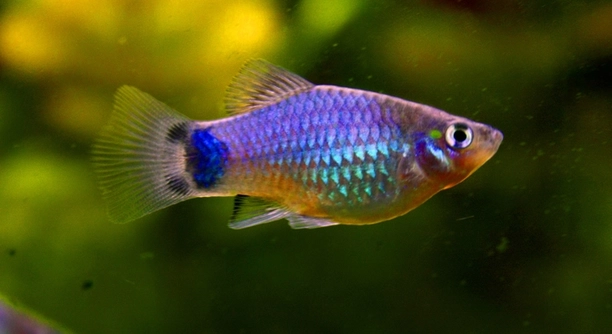
Is your platy fish swimming sideways, spiraling, or hovering oddly in the tank, leaving you concerned about what’s going on?
Unusual swimming in platy fish is often caused by swim bladder issues, poor water conditions, internal infections, stress, injury, or parasites. Each of these factors can affect your fish’s behavior and overall health significantly.
Understanding the exact cause can help you take the right steps and improve your fish’s well-being more quickly and effectively.
Swim Bladder Disorder
Swim bladder disorder is one of the most common reasons a platy fish swims in a strange way. This condition affects the fish’s ability to maintain balance and buoyancy. You might see your platy floating on its side, swimming in circles, or sinking to the bottom. Overfeeding, constipation, or infections can cause this issue. Feeding your platy high-fiber foods like cooked peas can sometimes help, especially if constipation is the cause. If the condition doesn’t improve, it may be due to a bacterial infection, which often requires treatment. Keeping the tank clean and not overfeeding can help prevent swim bladder problems.
Swim bladder disorder often appears suddenly and can be frightening to witness. It makes normal swimming difficult, which can stress your fish.
If you suspect swim bladder disorder, reduce feeding and monitor water conditions. Isolate the fish if needed and consider consulting an aquatic vet if the condition lasts beyond a few days.
Poor Water Quality
Dirty or poorly balanced water can lead to odd swimming behavior in platies. Ammonia or nitrite spikes, low oxygen levels, or unstable pH can affect their movement and overall health.
Poor water quality is stressful for fish and can lead to a wide range of health issues. Ammonia buildup burns the gills and body, making it hard for platies to breathe or swim normally. Uneven temperatures and incorrect pH can also lead to stress and illness. Testing the water regularly helps you catch problems early. Weekly water changes and using a reliable filtration system will help maintain stable, clean water. Always dechlorinate tap water before adding it to the tank. Avoid sudden temperature changes, and never overcrowd the tank. If your platy begins swimming erratically, check the water immediately. Fixing water issues promptly can often restore normal behavior without needing further treatment.
Internal Parasites
Internal parasites can disturb your platy’s swimming patterns by affecting their internal organs, energy levels, and digestion. Infected fish may swim awkwardly, lose weight, and become less active over time, even if they appear to eat normally.
Most internal parasites enter the tank through contaminated food, water, or infected new fish. These parasites damage the intestines and other organs, causing pain and strange movement. If your platy swims with effort, hides often, or seems to waste away despite eating, parasites might be the cause. A veterinarian can confirm this through testing. Medicated food or antiparasitic treatments are usually needed. Quarantining new fish before adding them to the tank helps prevent outbreaks. Good tank hygiene and high-quality food can also lower the risk. It’s important to act quickly before the parasites spread to other fish.
Treating internal parasites takes time and care. After medication, support recovery with clean water, gentle feeding, and reduced tank stress. This helps your platy regain strength without pushing its system too hard. Continue to observe for recurring symptoms and follow all treatment instructions fully. Keep the environment steady to avoid relapse. In mild cases, appetite may return in days, but full swimming control can take longer. Some fish recover faster than others depending on their overall health.
Stress
Stress affects your platy’s nervous system and can show up as odd swimming, hiding, or darting movements. Constant noise, poor lighting, tank mates, or even sudden changes in water quality can cause ongoing stress in your fish.
Chronic stress weakens your platy’s immune system, making them more vulnerable to illness and behavioral changes. Aggressive tank mates can also lead to stress, especially in smaller or slower fish. Ensure your tank has enough hiding spots and is not overstocked. Avoid bright, direct lighting and keep a regular light schedule to support their rhythm. Limit loud sounds or vibrations near the tank. If stress isn’t reduced, your fish may begin gasping, losing color, or swimming erratically. Stress-related behaviors often mimic those caused by illness, so careful observation is necessary. Fixing the stress source quickly is key to avoiding long-term damage to your platy’s health.
Physical Injury
Physical injuries can affect how your platy moves, especially if the damage involves the spine, fins, or swim bladder. Injuries might come from rough handling, tank decorations, or aggression from other fish in the aquarium.
If your platy swims unevenly or struggles to stay upright, look for signs like torn fins or swelling. These injuries can heal with proper care, but recovery takes time and a calm environment.
Genetic Deformities
Some platy fish are born with deformities that affect how they swim. These issues often involve the spine or swim bladder and may become more obvious as the fish grows. Such deformities cannot be cured, but many affected fish can still live comfortably in a calm tank with gentle companions.
Old Age
As platies age, they slow down and may swim differently due to reduced strength and wear on their bodies. Their movement may look uneven or slow, but this is often a natural part of aging.
FAQ
Why is my platy fish swimming vertically?
Platy fish swimming vertically often indicates a swim bladder disorder or poor water conditions. The swim bladder helps them maintain balance. If it’s not working properly, the fish can tilt or swim upright. This may also happen if the fish is constipated, bloated, or affected by gas. Check the water parameters first, then reduce feeding and offer a peeled, cooked pea to relieve constipation. If the problem continues, consider if infection or injury may be involved. Vertical swimming is rarely normal, so it’s best to take action early.
Can stress alone make my platy swim weirdly?
Yes, stress alone can cause strange swimming. Stress affects a platy’s behavior, making them dart quickly, hover, or hide. Loud noise, poor lighting, bullying from other fish, or water quality changes can trigger this. The stress weakens their immune system and affects their ability to swim comfortably. If stress is ongoing, the fish may become ill. Creating a calm, steady environment with clean water and proper tank mates can ease stress. It’s important to observe and act early before stress leads to illness.
How do I know if my platy has internal parasites?
Signs of internal parasites include strange swimming, weight loss, reduced activity, and long, white, stringy poop. The fish may eat but still lose weight. Internal parasites damage the digestive system, leading to weakness and unusual movement. They often enter the tank from infected food or new fish. If you notice these signs, isolate the fish and treat with medicated food or water treatments designed for parasites. Keep the tank clean and quarantine new additions to prevent spread. A vet can confirm the diagnosis through samples if needed.
Is it normal for older platies to swim slowly or awkwardly?
Yes, older platies tend to swim more slowly or appear less coordinated. Age affects their strength and balance. You might notice uneven swimming or resting more often. As long as they’re eating, interacting, and not showing signs of distress, this behavior is usually normal. Make sure older fish are not bullied by younger tank mates, and adjust feeding if they struggle to reach food. Keep the tank calm and easy to navigate. Aging fish still enjoy good quality of life with the right care.
Can overfeeding cause swimming problems?
Overfeeding can lead to constipation and swim bladder issues. A bloated digestive system presses on the swim bladder, affecting balance. Signs include floating upside down, sinking, or rolling. Feed small amounts once or twice a day and remove uneaten food. Include high-fiber options like peas occasionally. Reducing feeding for a day or two can also help the fish recover. Always monitor behavior after feeding to catch problems early.
Should I quarantine a platy that swims strangely?
Yes, quarantining is a good idea if your platy swims oddly. It helps you watch for symptoms without risking other fish. If the issue is infection or parasites, isolation prevents it from spreading. Use a separate tank with clean, cycled water and match the same temperature and pH. Observe the fish for a few days. If symptoms worsen or new ones appear, you’ll be able to treat the problem more easily in a smaller space. Quarantine also allows for targeted medication without affecting the main tank.
What water parameters are best for platies?
Platies prefer temperatures between 72–78°F, pH levels of 6.8–8.0, and low ammonia or nitrite levels. Keep nitrate under 40 ppm. Use a heater and thermometer to avoid temperature swings. Weekly water changes of about 25% help maintain these conditions. Test the water regularly using a liquid test kit rather than strips for better accuracy. Clean filters monthly without soap, and avoid sudden changes when adding new water. Stable water helps your platy stay healthy and swim normally.
Can tank mates cause odd swimming behavior?
Aggressive tank mates can stress or injure your platy, leading to odd swimming. Fast or fin-nipping species may cause the platy to dart, hide, or lose balance. Avoid keeping platies with known aggressors like tiger barbs or large cichlids. Choose peaceful companions like mollies, guppies, or tetras. If bullying happens, remove the aggressor or add plants and decorations to provide hiding spots. Monitor for signs of stress, like faded color or twitchy swimming. A peaceful tank helps platies feel secure and swim comfortably.
Final Thoughts
Weird swimming in platy fish can be alarming, but it usually points to an issue that can be fixed or managed with care. Common causes include swim bladder problems, poor water quality, internal parasites, stress, physical injuries, genetic issues, or aging. Each of these conditions affects how a platy moves through the water. While some may require medication or more specific care, many cases improve with simple changes to the tank setup, feeding routine, or environment. Watching your fish closely helps you catch problems early, making it easier to respond before things get worse.
Water quality is one of the most important factors in preventing strange behavior. Keeping your tank clean, testing the water often, and making regular water changes will support your fish’s health and reduce stress. Avoid overfeeding, overcrowding, and sudden changes in the tank. Offer a balanced diet and make sure your fish are not being bullied or injured. If you bring in new fish, always quarantine them first to lower the risk of parasites or infections. These small actions make a big difference in how your platy feels and behaves in the tank.
Even though some swimming problems may look serious at first, many platies recover well with the right care. It’s important to stay patient and consistent. If the issue doesn’t improve, don’t hesitate to reach out to a vet who specializes in fish. Some conditions, like deformities or old age, may not go away but can still be managed with gentle support. Every fish is different, and learning what works best for yours will help them live a calm and healthy life. Keep observing, keep learning, and give your platy a stable space to thrive.

Hello,
If you enjoy the content that we create, please consider saying a "Thank You!" by leaving a tip.
Every little bit helps us continue crafting quality advice that supports the health, happiness, and well-being of pets around the world, for pets of all shapes, sizes, and species.
We really appreciate the kindness and support that you show us!