
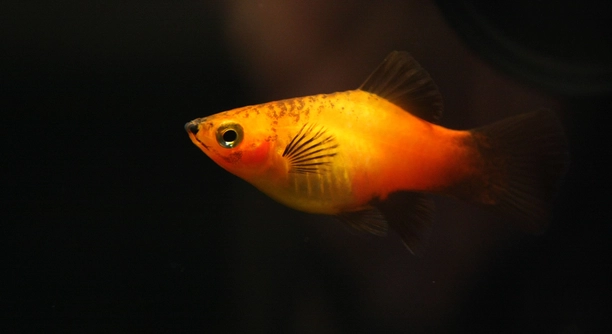
Is your platy always hiding in the aquarium, making it hard to enjoy its bright colors and lively behavior? Many platy owners face this issue when their fish suddenly becomes shy or withdrawn. Understanding why this happens can help improve your platy’s comfort and activity.
Platies tend to hide due to stress factors such as poor water quality, sudden changes in environment, inadequate tank setup, or illness. Addressing these causes through proper care and observation will encourage your platy to feel safe and more visible in its habitat.
Knowing what makes your platy retreat will help you create a healthier, more welcoming environment. This guide offers practical tips to bring your fish out of hiding and back into view.
Check Water Quality and Parameters
Water quality directly affects your platy’s comfort and behavior. Poor water conditions can cause stress, leading your fish to hide more often. Regularly test the water for ammonia, nitrite, nitrate, and pH levels to ensure they fall within safe ranges. Platies prefer a pH between 6.8 and 8.0 and water temperature around 72-78°F (22-26°C). Keep the tank clean by performing partial water changes weekly and removing uneaten food or waste. Avoid overcrowding the tank, as too many fish can increase stress and reduce water quality. When the water is clean and balanced, your platy is more likely to explore and swim openly, making it easier to enjoy watching them.
Regular water tests and maintenance are essential for a healthy aquarium environment and a less shy platy.
Proper water conditions help reduce your platy’s stress and improve its overall health. Consistent monitoring ensures problems are caught early before your fish starts hiding frequently or showing signs of illness.
Provide Adequate Hiding Spots
Platies need places to feel secure. Providing plants, caves, or decorations helps your fish hide safely without stress. However, the hiding spots should be balanced with open swimming areas to encourage activity. Use live or artificial plants, but make sure they don’t overcrowd the tank. Adding smooth rocks or small caves gives your platy natural refuge spots. Arrange these features thoughtfully so your fish can retreat but still explore the tank comfortably. Watching your platy move between hiding spots and open water is a sign it feels safe. Without proper shelter, your fish may hide excessively or become withdrawn, affecting its well-being.
Hiding spots offer comfort but should not limit your platy’s movement.
When setting up your tank, include various sizes and types of shelter to accommodate your platy’s needs. Dense plant clusters combined with open areas create a balanced habitat that supports natural behaviors. This setup reduces anxiety and promotes healthier social interactions if you have multiple fish. Remember to avoid sharp or rough decorations that can injure your platy. Regularly check and clean hiding places to prevent buildup of algae or debris, which can make the environment less appealing. With the right balance of cover and space, your platy will feel secure enough to swim freely and show its colors.
Maintain Stable Tank Conditions
Consistency in your platy’s environment helps reduce stress and hiding behavior. Avoid sudden changes in water temperature, lighting, or tank layout. Stable conditions allow your fish to feel safe and comfortable.
Sudden fluctuations in temperature or lighting can confuse and frighten your platy. Consistent day and night cycles help regulate their behavior. Keep the water temperature steady within the preferred range of 72-78°F (22-26°C). Use a reliable heater and thermometer to monitor this. When cleaning or rearranging the tank, make changes gradually. This gives your fish time to adjust without feeling threatened. Stability in the environment encourages your platy to swim openly and interact more naturally.
Avoid abrupt changes in tank setup or water conditions. Even minor disturbances can trigger hiding and anxiety. Maintaining routine care builds trust and reduces stress, improving your fish’s overall well-being.
Watch for Signs of Illness
If your platy is hiding frequently, it might be unwell. Look for physical symptoms such as faded colors, clamped fins, or sluggish movement.
Sickness often causes fish to retreat to safe spots to conserve energy or avoid predators. Common illnesses include ich, fin rot, and swim bladder problems. These issues can develop from poor water quality, stress, or infection. Early detection and treatment are vital. Quarantine affected fish if possible and consult a vet or aquarium expert for medication options. Keeping the tank clean and stable prevents many diseases.
Regular observation helps catch health problems early. Treating your platy promptly can stop illness from worsening and reduce hiding behavior caused by discomfort or weakness.
Avoid Overcrowding
Too many fish in the tank can stress your platy and cause hiding. Ensure there is enough space for each fish to swim freely.
A crowded tank leads to poor water quality and increased competition for food and territory. Keeping the population balanced helps your platy feel safe and less threatened.
Provide a Balanced Diet
A healthy diet keeps your platy active and less likely to hide. Feed high-quality flakes or pellets designed for tropical fish. Supplement with occasional live or frozen foods like brine shrimp or daphnia to boost nutrition. Avoid overfeeding, which can harm water quality and stress your fish. Feeding the right amount and type of food supports your platy’s energy and immune system, encouraging it to explore the tank rather than hide.
Reduce Noise and Vibrations
Loud noises and vibrations can scare your platy. Keep the tank in a quiet, stable area away from heavy foot traffic and loud appliances.
Give Your Platy Time
Adjusting to a new environment takes time. Be patient as your platy grows comfortable and begins to show its natural behavior.
FAQ
Why does my platy hide all the time?
Platies often hide due to stress or discomfort. Common causes include poor water quality, sudden changes in the tank, overcrowding, or illness. When they feel unsafe, hiding is a natural response to protect themselves. Ensuring stable water parameters, a clean environment, and proper care can reduce hiding behavior.
How long does it take for a platy to stop hiding?
The time varies depending on the cause. If the environment is improved and stable, your platy may start exploring within a few days to a week. Fish recovering from illness or stress might take longer. Patience and consistent care are key to helping them feel secure.
Can hiding be a sign of illness?
Yes, frequent hiding can indicate health problems. Watch for other signs like faded color, clamped fins, or slow movement. Illness often causes fish to retreat to conserve energy and avoid stress. Early detection and treatment are important to help your platy recover.
What water parameters are best for platies?
Platies prefer a temperature between 72-78°F (22-26°C), a pH of 6.8 to 8.0, and low levels of ammonia and nitrites. Maintaining these conditions reduces stress and supports good health, encouraging natural behavior like swimming and feeding openly.
How many platies should I keep in one tank?
A good rule is one inch of fish per gallon of water. For platies, that usually means about 2-3 fish in a 10-gallon tank. Overcrowding can cause stress, poor water quality, and increased hiding. Keeping a balanced population helps maintain a peaceful environment.
Do platies need hiding spots?
Yes, hiding spots like plants, caves, or decorations provide security and reduce stress. However, there should be a balance between hiding places and open swimming space. This balance encourages your platy to feel safe while still being active and visible.
Can changing the tank setup help my platy come out of hiding?
Sometimes rearranging decorations or adding more plants can help. However, changes should be made gradually to avoid stressing your fish. Introducing new hiding spots or opening up swimming areas can make your platy feel more comfortable and encourage exploration.
How often should I feed my platy?
Feed your platy once or twice daily with small amounts of high-quality food. Overfeeding can pollute the water and stress your fish. Adding occasional live or frozen foods can improve nutrition and keep your platy interested in feeding, reducing hiding.
Is it normal for platies to hide when there are other aggressive fish?
Yes, platies are peaceful fish and can hide if tank mates are aggressive or territorial. If your platy is hiding frequently due to bullying, consider separating them or choosing compatible tank mates to maintain a calm environment.
Can noise or vibrations cause my platy to hide?
Yes, loud noises and constant vibrations can stress fish. Placing the tank in a quiet, stable area away from heavy foot traffic and appliances can help reduce stress and encourage your platy to swim openly instead of hiding.
Final Thoughts
When your platy spends a lot of time hiding, it is a clear sign that something in its environment needs attention. Fish often use hiding as a way to protect themselves from stress, discomfort, or danger. By understanding the reasons behind this behavior, you can take the right steps to help your platy feel safe and comfortable. Consistent care, such as maintaining good water quality and providing proper tank conditions, plays an important role in reducing stress and encouraging your fish to be more active. Simple actions like regular water changes and monitoring temperature can make a big difference in your platy’s behavior.
Creating a balanced tank setup is just as important. Your platy needs enough hiding spots to feel secure, but also enough open space to swim freely. Overcrowding or aggressive tank mates can cause your fish to hide more often, so paying attention to tank population and compatibility helps maintain a peaceful environment. Feeding your platy a nutritious and balanced diet also supports its health and energy, which reduces hiding due to weakness or illness. If your platy shows signs of sickness, acting quickly to treat the issue can prevent long-term problems and help your fish recover faster.
Patience is key when trying to encourage a shy platy to come out of hiding. Changes in behavior take time, and your fish may need several days or weeks to adjust to improved conditions. Watching your platy’s behavior regularly allows you to notice improvements or new problems early. With steady care and attention, most platies will gradually become more confident and show their natural colors and lively personality. Taking these steps will not only make your aquarium more enjoyable to watch but will also improve the overall health and happiness of your platy.

Hello,
If you enjoy the content that we create, please consider saying a "Thank You!" by leaving a tip.
Every little bit helps us continue crafting quality advice that supports the health, happiness, and well-being of pets around the world, for pets of all shapes, sizes, and species.
We really appreciate the kindness and support that you show us!