
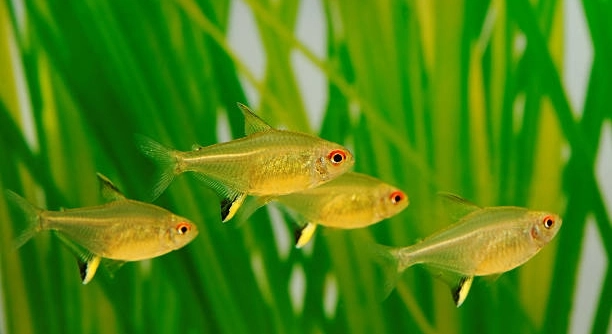
Lemon tetras are small, vibrant fish that bring life to any aquarium. Sometimes, they may nip at the fins of tank mates, which can be concerning for aquarists. Understanding why this behavior occurs can help maintain a peaceful tank.
Fin-nipping in lemon tetras typically occurs due to territorial instincts, overcrowding, stress, insufficient diet, incompatible tank mates, lack of hiding spaces, or breeding behavior. Recognizing these triggers allows aquarists to manage the environment and reduce aggressive interactions effectively.
Learning the reasons behind fin-nipping can help you create a more harmonious aquarium. The following explanations will guide you in addressing and preventing this common behavior.
Territorial Behavior
Lemon tetras are naturally territorial, especially in smaller tanks. When they feel their space is being invaded, they may nip at the fins of other fish. This is more common in tanks that are overcrowded or lack sufficient visual barriers. Providing plants, rocks, or decorations can help define territories and reduce stress. Even in larger tanks, a dominant tetra may occasionally assert control, especially if it perceives weaker fish as intruders. Observing your fish’s interactions over time can help you identify which individuals are more aggressive. Adjusting tank layout or rearranging decorations may break up established territories and discourage constant chasing. Ensuring each fish has its own space reduces stress and promotes healthier social behavior. Consistent monitoring allows you to react before nipping causes injury or long-term damage.
Territorial fin-nipping can often be managed by rearranging the tank and providing more hiding spaces for fish to feel secure.
Maintaining an environment that allows each fish to establish its own area keeps interactions calmer. Lemon tetras feel safer when they have access to cover and clear boundaries. Overcrowding increases tension, so limiting the number of fish and providing plants or décor can prevent conflicts. By carefully arranging the tank, you can observe which tetras are most dominant and make adjustments to reduce aggression. This helps ensure that your fish coexist peacefully without repeated fin-nipping incidents.
Overcrowding
Too many fish in a tank increases stress and competition. When space is limited, lemon tetras may nip at fins as a way to assert dominance or release tension. Providing adequate swimming space is essential to reduce aggression.
Overcrowding leads to poor water quality and heightens aggressive behavior. Fish need room to swim freely without feeling threatened by neighbors.
Monitoring tank population and removing excess fish when necessary can prevent repeated nipping and stress-related illnesses. A well-balanced fish-to-space ratio ensures better health, calmer behavior, and stronger social interactions. Lemon tetras thrive when they have enough room to explore, establish minor territories, and interact without constant friction. By managing stocking levels, you create an environment that supports peaceful coexistence, encourages natural schooling behavior, and reduces the likelihood of aggressive fin-nipping over time.
Stress
Stress in lemon tetras can trigger fin-nipping as a coping mechanism. Factors such as sudden changes in water parameters, loud noises, or frequent tank disturbances can increase tension, making fish more likely to bite fins.
Stress affects behavior and overall health in fish. Lemon tetras are sensitive to fluctuations in temperature, pH, and ammonia levels. Even small, sudden changes can make them anxious and defensive. A stressed tetra may chase or nip other fish to establish control or vent frustration. Maintaining stable water conditions, keeping a consistent feeding schedule, and minimizing disturbances helps reduce stress-induced fin-nipping. Observing behavior after changes in the tank can indicate if stress is the trigger.
Long-term stress can weaken the immune system, making lemon tetras more vulnerable to disease. Continuous fin-nipping often stems from unresolved tension in the tank. Ensuring stable environmental conditions and providing hiding spots can prevent stress-related aggression. A calm, consistent environment allows fish to feel secure, reduces chasing, and promotes healthier social interactions. Monitoring for early signs of stress, such as hiding or erratic swimming, helps manage behavior before injuries occur.
Diet and Nutrition
Poor diet can lead to aggressive behavior, including fin-nipping. Lemon tetras require a varied diet rich in protein and plant matter to stay healthy and balanced.
A lack of essential nutrients can increase irritability and competition among fish. When food is limited or nutritionally incomplete, lemon tetras may become more aggressive, chasing and nipping fins to assert dominance or access resources. Feeding a mix of high-quality flakes, frozen, and live foods ensures they receive necessary vitamins and minerals. A consistent feeding schedule prevents hunger-driven conflicts.
Balanced nutrition supports calmer behavior and overall well-being. Overfeeding or providing only one type of food can disrupt health and contribute to aggression. Rotating diet items, observing feeding habits, and adjusting portions for the tank population keeps fish satisfied. Sufficient nutrition minimizes competition and reduces fin-nipping incidents. Healthy, well-fed tetras are more likely to swim peacefully, interact appropriately, and coexist without constant aggression over limited resources.
Incompatible Tank Mates
Certain fish do not mix well with lemon tetras. Aggressive or larger species can provoke fin-nipping as a defensive response or in retaliation.
Choosing compatible species is essential. Peaceful, small fish are less likely to trigger aggressive behavior, allowing tetras to swim without constant stress.
Lack of Hiding Spaces
When hiding spots are scarce, lemon tetras feel exposed and may nip at neighbors for security. Plants, rocks, or décor create safe areas that reduce aggression. A well-structured tank allows fish to escape tension and lowers incidents of fin-nipping by providing personal space and visual barriers.
Breeding Behavior
During breeding, lemon tetras become more territorial and protective. This can lead to nipping fins as they defend a chosen area or potential spawning site. Hormonal changes increase assertiveness, making interactions with other fish more aggressive and occasionally harmful.
Overcrowding Revisited
Excessive fish density intensifies competition for food and space. Overcrowded tanks increase stress and provoke nipping. Limiting population and arranging the tank efficiently reduces tension, allowing lemon tetras to interact more peacefully while maintaining stable social hierarchies.
FAQ
Why do lemon tetras nip fins more than other fish?
Lemon tetras may nip fins because of natural territorial instincts, stress, or lack of space. They are small, active fish that often react to movement and competition in the tank. When stressed or overcrowded, they may chase or nip neighbors to assert dominance or relieve tension.
Can fin-nipping harm other fish?
Yes, fin-nipping can cause torn fins, stress, and secondary infections. Repeated biting can lead to long-term damage if the injured fish cannot heal properly. Maintaining good water quality and addressing triggers is important to prevent further harm.
How can I stop lemon tetras from nipping?
Address the root cause, whether it is stress, overcrowding, or poor diet. Rearranging the tank, adding plants or hiding spaces, and ensuring compatible tank mates can help. Regular feeding with balanced nutrition also reduces aggressive behavior. Monitoring behavior and intervening early prevents escalation.
Is it normal for all lemon tetras to nip?
Not all lemon tetras nip fins. Aggression varies among individuals and depends on the tank environment. Some are naturally calmer, while others become more dominant. Observing patterns helps identify which fish may need separate space or more hiding spots.
Does tank size affect fin-nipping?
Yes, smaller tanks increase competition and stress, which can lead to fin-nipping. Lemon tetras need space to swim freely and establish minor territories. Providing at least 10 gallons for a small school reduces aggressive interactions and improves overall fish health.
Can diet change reduce fin-nipping?
A balanced, varied diet can help. Lemon tetras fed only flakes or low-quality food may become more irritable. Incorporating frozen, live, or vegetable-based foods ensures proper nutrition and reduces aggressive chasing or biting. Feeding smaller portions multiple times a day can also decrease competition.
Are some tank mates better than others?
Yes, peaceful, small schooling fish are ideal. Aggressive or fin-nipping species can provoke retaliation. Avoid combining lemon tetras with larger, dominant, or territorial fish. Observing interactions and choosing compatible species prevents conflict and minimizes injuries.
Will adding decorations help?
Providing plants, rocks, or other structures gives tetras hiding spots and breaks lines of sight. This reduces stress and prevents constant chasing. Rearranging decorations periodically can also disrupt established territories, lowering fin-nipping incidents.
Does breeding increase aggression?
During breeding, lemon tetras become more territorial. They may nip fins to defend spawning areas or assert dominance over tank mates. Separating breeding pairs or creating secure zones in the tank can help minimize conflicts during this period.
How do I know if fin-nipping is serious?
Monitor the frequency and severity of bites. Minor nips may heal naturally, but repeated or deep injuries indicate aggression is harming fish. Persistent chasing, frayed fins, and stressed behavior signal the need for intervention. Adjusting tank conditions, reducing stressors, and providing more space are key steps.
Can stress alone cause fin-nipping?
Yes, sudden changes in water temperature, pH, or tank environment can increase stress. Stressed fish are more likely to chase or bite others. Maintaining stable water conditions, avoiding sudden disturbances, and offering hiding spots reduces stress-related aggression.
What role does school size play?
Lemon tetras do better in groups of at least six. A small number increases the likelihood of targeting a single fish, leading to repeated nipping. A larger school spreads aggression more evenly and allows natural social hierarchies to develop, keeping interactions calmer.
Is fin-nipping permanent behavior?
Not always. Correcting environmental factors, improving diet, and adjusting tank mates can reduce or stop fin-nipping. Observing behavior over time helps determine if aggression is situational or persistent, allowing targeted interventions to improve harmony.
How often should I monitor the tank?
Daily observation is recommended. Watching feeding, swimming, and social interactions helps identify early signs of aggression or stress. Prompt action prevents minor issues from escalating into serious fin injuries or chronic stress.
Can adding more fish help reduce nipping?
Adding more tetras can sometimes disperse aggression, but it must be balanced with tank size. Overcrowding can worsen stress and cause more nipping. Adding fish only works if there is enough space and hiding areas for everyone to coexist peacefully.
Should injured fish be separated?
If a fish is repeatedly targeted, temporary separation may be necessary. Healing in a safe environment prevents infection and allows recovery. After healing, reintroduce the fish gradually with monitoring to ensure compatibility.
Do lemon tetras nip only at certain times?
Aggression can increase during feeding, breeding, or stressful events. Observing patterns helps identify triggers. Adjusting the tank environment, feeding strategy, and interactions can reduce incidents and maintain a calmer aquarium.
Can fin-nipping indicate disease?
Sometimes, aggressive behavior is heightened in sick or weak fish. Illness can make them more defensive or easily provoked. Regular health checks and maintaining water quality prevent stress-related aggression linked to underlying health issues.
Is it okay to ignore minor fin-nipping?
Small, occasional nips may not be harmful if the fish heal quickly. However, ignoring persistent or severe nipping can lead to stress, injury, and disease. Addressing the cause early improves long-term tank harmony and fish well-being.
What is the best approach overall?
Create a stable, well-planned environment with proper diet, compatible tank mates, adequate space, and hiding spots. Observing behavior and adjusting conditions as needed ensures lemon tetras coexist peacefully and reduces fin-nipping significantly.
How long does it take to see improvement?
Behavior changes depend on the severity of aggression and interventions made. Minor adjustments may show improvement within days, while more significant changes like tank rearrangement or breeding separation may take weeks. Consistent monitoring is essential.
Are some lemon tetras naturally more aggressive?
Yes, individual temperament varies. Dominant tetras may initiate nipping more often, while others remain calm. Recognizing these differences helps manage interactions, ensuring aggressive individuals do not harm weaker tank mates.
Can water quality alone affect aggression?
Poor water quality increases stress and irritability. High ammonia, nitrites, or fluctuating parameters can make lemon tetras more prone to nipping. Regular water changes, testing, and filtration keep conditions stable and reduce aggression.
Is schooling the key to reducing nipping?
Schooling helps distribute attention and aggression across multiple fish. A proper-sized school allows tetras to interact naturally, reducing the focus on a single individual and lowering fin-nipping incidents.
Do decorations need to be changed regularly?
Occasional rearrangement disrupts established territories, preventing constant chasing. It also provides new hiding spots, keeping fish engaged and reducing stress. Changes should be gradual to avoid alarming the tetras.
Can adding plants alone stop nipping?
Plants help by providing cover and visual barriers, but they may not eliminate nipping completely. Combined with proper diet, tank size, compatible mates, and stable water conditions, plants significantly reduce aggression.
What is the most effective combination to prevent fin-nipping?
Stable water, sufficient space, a proper diet, hiding spots, compatible tank mates, and an appropriate school size together create the best environment. Addressing multiple factors ensures calmer behavior and healthier fish.
How do I know which factor is causing nipping?
Observe timing, patterns, and tank conditions. Stress-related nipping often follows disturbances or water changes. Diet-related aggression appears during feeding. Territorial or breeding aggression occurs near decorations or spawning sites. Careful observation identifies the main trigger.
Is fin-nipping more common in small tanks?
Yes, small tanks increase competition for space and resources. Limited swimming area heightens territorial behavior and stress, leading to more frequent nipping incidents.
Does age affect aggression?
Juvenile tetras may be more active but less aggressive. Adult tetras can become dominant or territorial, increasing fin-nipping tendencies. Age-related behavior varies with individual temperament and tank conditions.
Can I prevent nipping completely?
While total elimination may not be possible, minimizing triggers and optimizing the tank environment significantly reduces incidents. Focus on space, diet, compatible mates, and stable conditions for the best results.
Is fin-nipping reversible?
Yes, with proper management. Correcting environmental stressors, feeding adequately, and adjusting tank dynamics can reduce or stop the behavior over time. Consistency and monitoring are crucial.
How important is observation for prevention?
Daily observation is essential. Watching interactions, feeding behavior, and swimming patterns allows early detection of aggression. Early intervention prevents escalation and promotes long-term harmony in the tank.
Does light and noise affect behavior?
Sudden bright lights or loud sounds can stress lemon tetras, increasing fin-nipping. Maintaining a calm, predictable environment helps fish feel secure and reduces aggressive responses.
Can fin-nipping indicate overcrowding?
Yes, frequent nipping often signals too many fish in limited space. Reducing tank population or increasing hiding spaces alleviates tension and aggression, promoting healthier social behavior.
Is separating aggressive fish a long-term solution?
Separation may be necessary temporarily but should be combined with other adjustments. Proper tank layout, hiding spots, and compatible mates reduce long-term aggression without permanent isolation.
Do tank changes affect aggression?
Yes, rearranging décor, adding fish, or altering water parameters can trigger fin-nipping. Gradual changes minimize stress and allow tetras to adapt without increasing aggression.
How often should I clean the tank to reduce stress?
Regular maintenance prevents poor water quality and stress-related aggression. Cleaning filters, partial water changes, and removing debris weekly keeps conditions stable and lowers fin-nipping incidents.
Can fin-nipping lead to disease?
Repeated injuries increase the risk of infection and stress-related illness. Prompt attention to injuries, water quality, and tank dynamics prevents complications and promotes healing.
Are some lemon tetras more social than others?
Yes, temperament varies. Social individuals integrate well into schools and are less likely to nip. Recognizing personality differences helps manage aggression and maintain balance.
Do seasonal changes affect behavior?
Fluctuations in temperature or light cycles can stress fish, sometimes increasing fin-nipping. Maintaining stable environmental conditions reduces seasonal impacts on behavior.
How do I balance aggression and schooling?
A proper school size allows dominant fish to spread attention, preventing single-target aggression. Observing interactions and providing hiding spots ensures peaceful coexistence while maintaining social behavior.
Can I use tank dividers to stop nipping?
Dividers can separate aggressive fish temporarily. This is useful during healing, breeding, or when certain tetras are overly dominant. Once behavior stabilizes, gradual reintroduction is possible.
What is the easiest preventive measure?
Providing hiding spaces, stable water, proper diet, and compatible mates creates an environment that naturally minimizes aggression and fin-nipping without constant intervention.
Are lemon tetras more aggressive in small groups?
Yes, smaller schools focus aggression on individual fish. A larger group disperses tension and allows natural schooling dynamics to reduce fin-nipping.
Do tank decorations influence aggression?
Yes, decorations break line-of-sight and provide hiding areas. This reduces territorial disputes and stress-induced nipping, helping maintain peace in the tank.
Can overfeeding cause aggression?
Yes, overfeeding can create competition and dominance struggles. Feeding appropriate portions and spreading food evenly prevents nipping during meals.
Are some fish more tolerant of nipping?
Yes, certain peaceful species tolerate minor fin-nipping without injury, while others are more sensitive and can be stressed or injured easily. Choosing compatible mates is essential.
Does water flow affect behavior?
Strong currents can stress lemon tetras, increasing fin-nipping. Moderate, consistent flow helps them swim naturally without triggering aggressive responses.
Can adding more hiding spaces reduce all aggression?
Hiding spaces reduce stress and territorial disputes, but aggression may still occur if other factors like diet, overcrowding, or breeding triggers are present. Multiple adjustments work best.
How do I know if aggression is normal?
Occasional chasing or nipping is normal social behavior. Persistent, severe fin damage or constant harassment indicates problematic aggression that requires intervention.
Is schooling more important than tank size?
Both are important. Proper school size reduces focus on individuals, while adequate tank size allows movement and territory formation, preventing stress and fin-nipping.
Can hormonal changes affect aggression?
Yes, during breeding or maturity, hormone levels can make lemon tetras more assertive, increasing fin-nipping incidents. Providing space and hiding areas helps manage this behavior.
Do bright lights trigger nipping?
Sudden bright lights can startle tetras, causing stress-induced fin-nipping. Gradual lighting changes and dim areas reduce this risk.
Are some tanks naturally calmer?
Yes, tanks with stable water, adequate space, hiding spots, and compatible mates encourage peaceful interactions and reduce fin-nipping compared to poorly maintained setups.
Can adding more plants stop aggression?
Plants help, but alone they may not solve aggression. Combined with proper diet, tank size, and compatible mates, plants significantly reduce nipping.
Do dominant fish always nip?
Not always, but dominant individuals are more likely to assert control through fin-nipping. Recognizing them helps prevent harm to weaker fish.
How do I treat nipped fins?
Minor damage can heal naturally if water quality is stable. Severe injuries may require isolation, antibiotic treatment, or salt baths, depending on severity and risk of infection.
Is aggression hereditary?
Some aggression tendencies can be influenced by genetics, but environment, diet, and tank conditions play a larger role in fin-nipping behavior.
Can noise affect fin-nipping?
Yes, loud or sudden noises can stress tetras, increasing chasing and biting. Maintaining a calm environment helps minimize aggression.
How long should aggressive periods last?
Aggressive bursts often occur during breeding, feeding, or sudden stress. Proper tank management usually reduces incidents within days or weeks.
Is fin-nipping more common in certain colors or types?
Behavior is influenced more by temperament than color. Some individuals may naturally be more assertive, regardless of appearance.
Do lemon tetras need a separate breeding tank?
A separate breeding tank reduces aggression and fin-nipping during spawning. It protects other fish and allows controlled breeding conditions.
How do I manage multiple triggers at once?
Address stress, diet, tank layout, and compatible mates together. Combined adjustments are more effective than focusing on a single factor.
Can water temperature shifts cause aggression?
Yes, sudden changes can stress fish, triggering fin-nipping. Maintaining stable temperatures is essential for calm behavior.
Is aggression worse in new tanks?
Yes, tetras adjust to new environments, and temporary territorial behavior may appear. Gradual acclimation and proper décor reduce aggression.
Do fin-nipping tendencies change over time?
Yes, as fish mature, establish territories, or breed, aggression levels may fluctuate. Monitoring behavior ensures early intervention if necessary.
Can adding more compatible tetras help?
Yes, increasing school size disperses aggression, provided the tank is large enough and hiding spots are available.
Do lemon tetras nip at all times of day?
Aggression is usually activity-related, peaking during feeding or movement in the tank. Regular schedules help predict and manage behavior.
Are isolated tetras more aggressive?
Yes, isolated fish may become more stressed and prone to nipping when introduced to groups. Proper schooling reduces tension and aggression.
Does water hardness influence behavior?
Extreme hardness or sudden changes can stress tetras, increasing fin-nipping. Maintaining stable, moderate water parameters promotes calm interactions.
Can minor nipping affect long-term health?
Repeated minor injuries may lead to stress and weaken the immune system, increasing susceptibility to illness. Prevention is key.
Is fin-nipping more common in certain tank shapes?
Long, narrow tanks reduce swimming space and increase territorial disputes. Wider, open tanks allow freer movement and lower aggression.
Do lemon tetras respond to observation?
Yes, frequent human interaction or tapping may stress them, leading to fin-nipping. Minimizing disturbances helps maintain calm behavior.
Can algae growth influence aggression?
Indirectly. Dense algae can reduce swimming space and visual clarity, increasing stress and aggression if it limits hiding areas.
How do I track progress in reducing nipping?
Document frequency, severity, and patterns of fin-nipping. Compare over time to evaluate interventions and adjust tank conditions for improvement.
Does schooling reduce stress more than hiding spots?
Both are important. Schooling provides social balance, while hiding spots offer security. Together they create the most effective environment for reducing fin-nipping.
Are aggressive behaviors linked to light cycles?
Yes, sudden changes or inconsistent cycles can stress tetras. Stable, predictable lighting helps maintain calm behavior.
Can tank mates heal nipped fins?
Not directly. Peaceful tank mates reduce additional injury, but healing depends on water quality, stress reduction, and proper care.
Do tetras remember past aggression?
They may recognize dominant individuals, which influences future interactions. Adjusting tank dynamics prevents recurring fin-nipping.
Can water additives reduce aggression?
Certain water conditioners stabilize parameters, reducing stress. However, aggression is more effectively managed through environment, diet, and schooling rather than chemicals alone.
How do I prevent future nipping incidents?
Maintain proper tank conditions, monitor fish behavior, provide hiding spaces, feed a balanced diet, and choose compatible mates. Regular observation and adjustments keep aggression under control.
Are all types of aggression the same?
No, fin-nipping can be territorial, stress-induced, diet-related, or breeding-related. Understanding the cause allows targeted intervention for effective management.
Does frequent feeding reduce nipping?
Yes, spreading food across the tank and feeding smaller portions reduces competition and lowers aggression during meals.
Is separating aggressive pairs always necessary?
Only when aggression leads to repeated injuries or stress. Temporary separation can allow healing and reduce tension before reintroduction.
Can consistent tank conditions eliminate nipping?
Consistency reduces stress-related aggression but may not eliminate all nipping. Combined with proper diet, hiding spots, and schooling, it minimizes incidents.
Do lemon tetras nip in larger tanks?
Incidents are less frequent in larger tanks because space allows natural territories and reduces competition. Aggression still occurs if other triggers are present.
How important is water testing for behavior management?
Regular testing prevents stress caused by fluctuating parameters. Stable water reduces aggression and keeps fish healthy, indirectly limiting fin-nipping.
Can breeding pairs live with a school?
Yes, but monitoring is necessary. Aggression may increase, so providing hiding spots and observing interactions helps prevent injury.
Do tetras nip when changing diets?
Changes in food can increase competition if new items are scarce or unevenly distributed. Gradual transitions reduce aggression.
Is fin-nipping seasonal?
Behavior may fluctuate with environmental changes, but stable
Lemon tetras are lively, colorful fish that can bring charm and movement to any aquarium. While they are generally peaceful, fin-nipping is a behavior that occasionally appears and can concern aquarists. This behavior is usually tied to factors such as stress, overcrowding, territorial instincts, diet, or breeding patterns. Recognizing the reasons behind fin-nipping is the first step in maintaining a harmonious aquarium environment. Observing the fish regularly allows you to identify which individuals are prone to nipping and under what conditions it occurs. With consistent attention, you can make adjustments to the tank setup, diet, or population to reduce aggressive behavior and promote calmer interactions among all fish.
Creating a stable, well-structured environment is key to reducing fin-nipping. Adequate tank size, hiding spots, and visual barriers can help lemon tetras feel secure and minimize territorial disputes. A proper diet and feeding schedule keep them nourished and reduce irritability that may lead to chasing or biting fins. Compatible tank mates also play a significant role in ensuring peaceful interactions, as some species may unintentionally trigger aggressive behavior. Observing social dynamics within a school helps determine if changes are needed, whether it is rearranging decorations, adding plants, or separating a particularly dominant fish temporarily. Consistent care and monitoring allow you to address problems before they escalate, ensuring that all fish coexist with minimal stress.
Fin-nipping is not necessarily a permanent problem if handled properly. By addressing environmental stressors, maintaining water quality, providing sufficient space, and supporting a balanced diet, you can create conditions that reduce aggression over time. While occasional nips may occur, the goal is to prevent repeated or severe incidents that can injure other fish. Long-term observation and adjustments ensure a healthy, balanced tank where lemon tetras thrive and interact naturally. With patience and careful management, fin-nipping can be minimized, allowing your aquarium to remain a peaceful and visually appealing space for both the fish and the aquarist.

Hello,
If you enjoy the content that we create, please consider saying a "Thank You!" by leaving a tip.
Every little bit helps us continue crafting quality advice that supports the health, happiness, and well-being of pets around the world, for pets of all shapes, sizes, and species.
We really appreciate the kindness and support that you show us!