
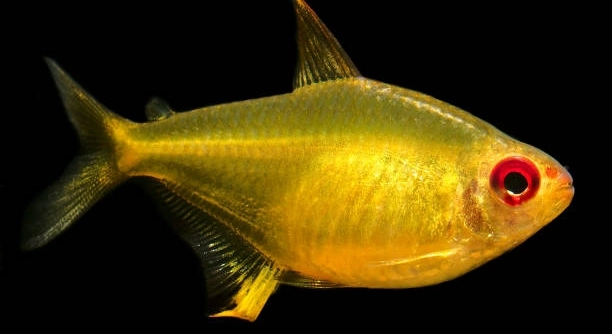
Lemon tetras are small, vibrant fish that brighten any aquarium. Many aquarists enjoy keeping them for their peaceful nature and striking colors. Maintaining their health requires careful attention to diet and feeding routines.
Lemon tetras can gain excess weight if overfed or provided with inappropriate foods. High-calorie diets, frequent feeding, and neglecting portion control contribute to obesity, which can lead to health problems and reduce their lifespan in captivity.
Knowing the right feeding habits can protect your fish. This article explains common mistakes and how to maintain your lemon tetras’ optimal health.
Common Feeding Mistakes That Lead to Weight Gain
Overfeeding is the most frequent mistake I notice with lemon tetras. It’s easy to think they are hungry, so extra flakes or pellets are given, but their small bodies cannot handle large portions. Uneaten food often sinks to the bottom, decomposes, and pollutes the water, affecting both health and water quality. Another issue is offering the wrong type of food. High-protein or fatty treats, while tempting, should only be occasional. Some fishkeepers give human food or live food too often, which can disrupt their diet balance. Feeding multiple times per day without measuring portions can also lead to obesity. It is better to provide a measured, balanced amount once or twice daily. Monitoring how much they consume within a few minutes ensures they eat the right amount. Consistency in feeding routines helps prevent overfeeding and maintains both weight and water quality effectively.
Even small feeding mistakes can add up quickly. Lemon tetras need carefully measured meals.
Regularly observing your tetras during feeding helps adjust portions. Proper measurement and avoiding excessive treats keeps them healthy, active, and colorful in your aquarium.
Portion Control and Balanced Diet
Portion control is key to maintaining healthy lemon tetras.
Providing balanced nutrition means offering food that suits their digestive system. Flake or pellet diets specifically designed for small tropical fish provide the necessary nutrients without excess calories. Supplementing occasionally with small amounts of live or frozen food can enhance color and vitality, but these should not replace the main diet. Avoid giving large or fatty foods too frequently, as this can lead to bloating and slow movement. Tracking how much your tetras eat over a week helps identify overfeeding patterns.
To prevent weight gain, start by offering a pinch of flakes or pellets that your tetras can finish in two to three minutes. Observe how they eat and remove uneaten food promptly. Incorporate variety by rotating high-quality flake, micro pellets, and occasional live or frozen options. Avoid constant snacking or free-feeding, as it disrupts natural digestion. A consistent schedule, proper portion size, and monitoring of leftover food are the most effective ways to keep lemon tetras at a healthy weight, reduce stress, and maintain vibrant colors and activity levels in your aquarium.
Recognizing Signs of Overfeeding
Lemon tetras that are overweight may swim slower, appear bloated, or hide more often. Uneaten food in the tank can also indicate overfeeding and poor portion control.
Bloating in lemon tetras is usually noticeable along the belly, making them look rounder than usual. Fatigue and reduced activity are common because extra weight stresses their small bodies. Overfed tetras may also develop faded colors and increased susceptibility to disease. Uneaten food that sits in the tank can pollute water, causing ammonia spikes and poor water quality, which further affects health. Regular observation during feeding helps detect these signs early. Removing uneaten food promptly and adjusting portions prevents these problems and ensures your fish remain active and vibrant.
Maintaining a careful feeding routine helps lemon tetras avoid weight issues. Watching their behavior and checking for leftover food is essential. Adjusting portions gradually is the best method to keep them healthy.
Tips for Healthy Feeding Habits
Feed only what lemon tetras can consume in two to three minutes. Consistency is more important than quantity.
Using a timer or schedule ensures fish are fed at the same time each day. Overfeeding often comes from sporadic or frequent feeding, which stresses the fish and degrades water quality. Incorporating small amounts of live or frozen food a few times a week adds variety but should not replace the staple diet of flakes or micro pellets. Observation is key: watch how quickly food is eaten and remove any leftovers immediately. Balanced meals, portion control, and a steady schedule together maintain weight, improve color, and support overall health.
Rotating foods and limiting high-fat treats prevents obesity and digestive problems. Measuring portions and sticking to a schedule keeps lemon tetras energetic and colorful. Careful attention to these habits ensures long-term wellbeing and reduces stress in the tank.
Avoiding High-Fat Foods
High-fat foods can quickly lead to weight gain in lemon tetras. Treats like bloodworms or brine shrimp should be given sparingly.
Overfeeding fatty foods stresses their digestive system and can cause bloating. Stick to high-quality flakes or micro pellets as the main diet for better long-term health.
Proper Feeding Frequency
Feeding lemon tetras once or twice daily is sufficient. They do not require constant snacking. Maintaining a consistent schedule helps regulate metabolism and prevents overeating. Excessive feeding often results in leftover food and poor water quality, which can harm their health over time.
Monitoring Fish Behavior
Active, alert swimming patterns indicate healthy feeding habits. Lethargy or hiding may signal overfeeding or digestive issues.
Maintaining Water Quality
Regular water changes and cleaning uneaten food are essential. Even properly portioned meals can degrade water if not removed promptly, impacting fish health and growth.
FAQ
Can lemon tetras recover from being overweight?
Yes, lemon tetras can regain a healthy weight if overfeeding is corrected. Reducing portion sizes and removing high-fat foods allows their metabolism to normalize. Consistent feeding routines and monitoring behavior are essential for recovery. Recovery may take several weeks, depending on the degree of weight gain.
How much should I feed my lemon tetras daily?
A small pinch of flakes or micro pellets that they can finish in two to three minutes is sufficient. Feeding once or twice daily is ideal. Uneaten food should be removed promptly to maintain water quality and prevent overfeeding.
Are frozen or live foods safe for regular feeding?
Frozen and live foods are safe in moderation. They provide variety and can improve color and vitality, but they should not replace the staple flake or pellet diet. Overfeeding these foods can lead to obesity and digestive problems.
What happens if I overfeed lemon tetras regularly?
Chronic overfeeding can lead to obesity, bloating, and reduced activity. It also causes water pollution, which increases ammonia and nitrite levels. These changes can stress fish, make them more prone to disease, and reduce their lifespan.
Can lemon tetras eat human food?
Human food is not recommended. Ingredients like bread, vegetables, or processed snacks do not meet nutritional needs and can upset their digestive system. Even small amounts of human food can contribute to weight gain and health problems.
How do I know if my lemon tetra is overweight?
Signs include a rounded belly, slower swimming, faded colors, and more hiding behavior. Monitoring their behavior during feeding and comparing body shape over time helps identify weight issues early.
Is free-feeding a good method?
Free-feeding is not suitable for lemon tetras. Leaving food in the tank encourages overeating, increases waste, and reduces water quality. Controlled portions at scheduled times maintain proper weight and overall health.
Can overfeeding affect tank water quality?
Yes, leftover food decomposes and raises ammonia and nitrite levels. Poor water quality stresses fish and can lead to disease. Removing uneaten food and performing regular water changes is essential for a healthy environment.
Should I fast my lemon tetras occasionally?
Occasional fasting, such as one day per week, helps regulate digestion and prevent obesity. It is safe and can mimic natural feeding patterns, promoting a healthy metabolism and preventing bloating.
What is the best way to introduce a new diet?
Gradually mix the new food with their current diet over several days. Sudden changes can cause digestive stress. Observe how they respond and adjust portions to prevent overeating or underfeeding.
How do I prevent obesity long-term?
Stick to measured portions, maintain a consistent feeding schedule, remove uneaten food, and rotate high-quality flake or pellet diets with occasional treats. Monitoring behavior and weight regularly ensures lemon tetras remain healthy and active.
Are there specific treats that are safe?
Small amounts of frozen or live foods, like daphnia or brine shrimp, are safe if given occasionally. Avoid high-fat or sugary treats. Portion control is key to prevent rapid weight gain.
Can stress contribute to weight problems?
Yes, stressed fish may eat less or more depending on individual behavior. Ensuring stable water conditions, proper tank mates, and minimal disturbances supports healthy feeding habits and prevents stress-related weight changes.
Do young lemon tetras require different feeding than adults?
Juveniles require smaller, more frequent feedings to support growth. Adults need fewer portions, but consistency is essential. Adjusting food types and amounts according to life stage prevents underfeeding or obesity.
How often should I check tank water after feeding changes?
Water should be monitored daily for leftover food and changes in ammonia or nitrite levels. Observing water quality closely after dietary adjustments ensures that feeding practices do not negatively impact the tank.
Can obesity affect reproduction?
Overweight lemon tetras may experience reduced fertility and spawning issues. Maintaining a balanced diet and proper weight supports reproductive health and successful breeding outcomes.
Is it okay to feed more during breeding season?
Feeding slightly more nutrient-rich foods during breeding can be beneficial, but portions must still be controlled. Overfeeding during this period can lead to obesity rather than improved health.
What are the long-term consequences of ignoring overfeeding?
Ignoring overfeeding can shorten lifespan, increase disease risk, reduce activity, and dull coloration. Chronic obesity also makes fish more vulnerable to infections and decreases overall vitality in the tank.
How can I make feeding time easier to control?
Use a feeding schedule, measure food accurately, and avoid free-feeding. Observing fish during feeding ensures they consume the right amount and prevents excess food from remaining in the tank.
Can different fish in the same tank affect lemon tetra weight?
Yes, aggressive or fast-eating tank mates may cause lemon tetras to overeat or stress them into eating less. Monitoring feeding and adjusting portions ensures all fish maintain healthy weight and nutrition.
Final Thoughts
Maintaining the proper weight of lemon tetras is essential for their overall health and longevity. These small fish are naturally active and delicate, and overfeeding can quickly disrupt their balance. Many of the issues seen in home aquariums stem from feeding mistakes, such as giving too much food, offering high-fat treats too often, or feeding irregularly. Overfeeding not only leads to obesity but also affects water quality, as uneaten food decomposes and increases ammonia and nitrite levels. This can cause stress, illness, and even shorten the lifespan of your tetras. Paying attention to portion size and feeding frequency is the first step in preventing these problems. By monitoring how much they eat and removing any leftover food promptly, it is possible to maintain a clean, healthy tank environment that supports their natural activity and vibrant colors.
A balanced diet tailored to their needs is another key factor in keeping lemon tetras healthy. High-quality flakes or micro pellets should make up the majority of their diet, providing essential nutrients without unnecessary calories. Small amounts of live or frozen foods, such as brine shrimp or daphnia, can be used occasionally to add variety and improve coloration, but these should not replace their staple diet. Consistency is important. Feeding at the same time each day and ensuring the portions are measured carefully helps regulate metabolism and prevents the accumulation of excess fat. Even minor adjustments, such as reducing a pinch of flakes or limiting fatty treats, can make a significant difference over time. Observing their behavior during feeding also provides useful feedback; active, alert swimming and finishing meals within a few minutes indicate that the portions are appropriate and that the fish are healthy.
Long-term care requires attention to both feeding habits and tank management. Maintaining water quality through regular cleaning and water changes complements proper nutrition, preventing stress and illness that could be exacerbated by overfeeding. Watching for signs of weight gain, such as a rounded belly or slower swimming, allows early intervention before serious health issues develop. Occasional fasting, small dietary rotations, and controlled feeding schedules all contribute to maintaining optimal weight and digestive health. By combining careful observation, portion control, and a balanced diet, lemon tetras can remain active, colorful, and healthy for years. Consistently following these practices ensures that the tank environment remains stable and safe, while the fish continue to thrive, showing their natural beauty and vitality.

Hello,
If you enjoy the content that we create, please consider saying a "Thank You!" by leaving a tip.
Every little bit helps us continue crafting quality advice that supports the health, happiness, and well-being of pets around the world, for pets of all shapes, sizes, and species.
We really appreciate the kindness and support that you show us!