
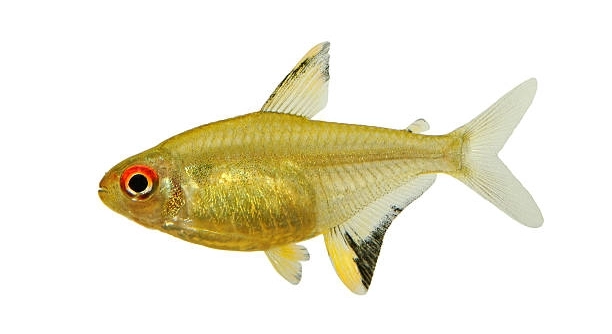
Do you ever notice your lemon tetra lingering near the heater and wonder why it seems drawn to the warmer water? Many aquarium owners observe this behavior without fully understanding the reasons behind it.
Lemon tetras often stay close to heaters due to temperature preference, stress, illness, water quality issues, or changes in their environment. Maintaining consistent warmth can support their metabolism, comfort, and overall health in the aquarium.
Exploring the reasons behind this behavior can help ensure your fish remain healthy and comfortable, while also improving the overall balance of your aquarium.
Temperature Preference
Lemon tetras are tropical fish that thrive in warmer water, usually between 72 and 80 degrees Fahrenheit. If the water drops below this range, they may naturally gravitate toward the heater to maintain comfort. This behavior helps regulate their metabolism and keeps their bodily functions stable. Even small fluctuations in temperature can make them feel uneasy, prompting them to stay near a consistent heat source. Observing their movement can help you determine if the tank’s temperature is suitable. Proper placement of a heater ensures even warmth, avoiding cold spots where tetras might struggle. Regularly checking with a reliable thermometer allows you to maintain optimal conditions. Maintaining a steady temperature is especially important during seasonal changes or if the tank is near windows or air vents. This simple adjustment can significantly reduce stress in your lemon tetras and encourage healthy activity and feeding patterns.
Consistently warm water reduces stress in lemon tetras and promotes better health, activity, and overall well-being.
Ensuring the tank temperature is stable benefits all fish. A thermometer placed away from the heater provides an accurate reading. If fluctuations are noticed, adjusting the heater or adding insulation can help. Sudden drops in temperature can lead to lethargy, suppressed appetite, and increased vulnerability to disease. Watching the tetras’ behavior near the heater gives clues about their comfort. Proper filtration and circulation also support a stable temperature. Combining these measures creates a healthier environment where the tetras can swim freely, feed properly, and display natural colors. Observing their patterns over time can prevent long-term stress. Maintaining consistent warmth is one of the simplest and most effective ways to care for lemon tetras, ensuring they remain active and vibrant in your aquarium.
Stress Response
When lemon tetras feel stressed, they may seek the warmth near the heater as a source of comfort. Stress can arise from overcrowding, aggressive tank mates, sudden changes, or poor water quality. Fish often respond by clustering in warmer areas to stabilize their metabolism and reduce energy expenditure. Observing their behavior can help identify stress triggers before they escalate.
Stress in lemon tetras can lead to health issues if not addressed promptly, so monitoring their environment is essential.
Stress management includes maintaining proper tank conditions, regular water changes, and appropriate tank population. Overcrowding increases tension among fish, and aggressive species can intimidate tetras, causing them to hide near the heater. Inconsistent water conditions, including pH swings or ammonia spikes, also contribute to stress. By keeping the tank clean and balanced, you minimize these stressors. Providing hiding spaces and plants helps tetras feel secure, reducing their dependence on the heater for comfort. Observing them daily allows you to notice subtle changes in behavior or color that indicate stress. Addressing stress not only improves their well-being but also encourages normal swimming patterns, feeding habits, and interaction within the school. Consistent care and attention create an environment where lemon tetras can thrive.
Illness or Weakness
Lemon tetras that are unwell often seek warmer areas near the heater. Illness or weakness slows their metabolism, and staying in warmer water helps conserve energy and stabilize their bodily functions.
Sickness in tetras can arise from infections, parasites, or poor water conditions. When a fish is struggling, it may isolate itself near the heater instead of swimming actively with the school. Symptoms like faded colors, clamped fins, or lethargy often accompany this behavior. Monitoring water quality, maintaining a clean tank, and observing feeding patterns are essential to detect illness early. Prompt action can prevent disease from spreading and help restore the fish’s health.
Providing consistent warmth supports recovery, but it is equally important to address the underlying health issue. Isolating sick fish, using appropriate medication, and maintaining optimal tank conditions can help them regain strength. Regular observation of each tetra ensures problems are noticed early. Keeping the tank stress-free, well-filtered, and properly heated enhances immune response, allowing lemon tetras to recover faster. Warmth alone cannot cure illness, but it provides a supportive environment while treatment takes effect.
Water Quality Issues
Poor water quality can drive lemon tetras toward the heater, as they instinctively seek stable conditions. Elevated ammonia or nitrite levels, improper pH, or low oxygen can make other areas uncomfortable, so the heated area feels safer.
Maintaining water quality requires frequent testing, partial water changes, and adequate filtration. Lemon tetras are sensitive to pollutants, which can affect behavior and health. When water is inconsistent, they may crowd near the heater where conditions are slightly more stable. Even slight changes in chemical balance can prompt this behavior. Adding live plants and monitoring feeding amounts also support better water conditions.
High-quality, stable water prevents stress and illness in lemon tetras. Removing uneaten food, vacuuming debris, and ensuring proper circulation reduces localized temperature and chemical variations. Combining these efforts with a reliable heater ensures that tetras have a consistently comfortable area in the tank. Over time, maintaining clean water promotes natural swimming behavior, vibrant coloration, and healthy social interactions within the school. By keeping conditions stable, the fish can rely less on clustering near the heater and more on freely exploring the tank.
Seasonal Changes
During colder months, lemon tetras naturally seek warmer areas near the heater. Drops in room temperature affect tank water, making the heater the most comfortable zone for them.
Seasonal temperature fluctuations can stress tetras if not managed. Maintaining a steady tank temperature prevents them from clustering excessively and ensures stable behavior throughout the year.
Low Metabolism
Lower water temperatures slow lemon tetras’ metabolism, causing them to stay near the heater to maintain energy. Warmth helps them digest food and remain active.
Prolonged exposure to cold can lead to lethargy, suppressed appetite, and weakened immunity. Consistently warm water supports their natural metabolism and promotes healthy activity levels.
Adjustment to New Tank
When newly introduced to a tank, lemon tetras often linger near the heater. It provides a sense of stability while they acclimate.
Feeding Patterns
Lemon tetras may stay near the heater around feeding times. Warmer water encourages digestion and supports energy for eating, making them more likely to gather in these areas during meals.
FAQ
Why does my lemon tetra always stay near the heater?
Lemon tetras are sensitive to temperature changes. Staying near the heater helps them maintain a comfortable body temperature, supporting metabolism, energy levels, and overall well-being. Cold spots in the tank can make them sluggish or stressed, so clustering near warmth is natural behavior.
Is it normal for lemon tetras to hover near the heater all the time?
It can be normal if the tank temperature fluctuates or is slightly below their preferred range. However, constant clustering could also signal stress, illness, or water quality issues. Observing their color, fins, and swimming activity helps determine if behavior is healthy or concerning.
Can the heater cause stress if it’s too hot?
Yes. Excessively high temperatures can lead to overactive metabolism, fatigue, and oxygen depletion in water. Ensure the heater is set within the recommended 72–80°F range. Using a reliable thermometer and placing the heater where heat circulates evenly prevents hot spots.
How do I know if my tetra is sick versus just seeking warmth?
Sick fish often show faded colors, clamped fins, or lethargy. If your tetra remains near the heater but also refuses food, swims awkwardly, or isolates from the school, it may be ill. Maintaining water quality and consulting a proper treatment method can help recovery.
Do all lemon tetras behave this way near heaters?
Not all tetras will consistently stay near the heater. Behavior varies by individual, tank conditions, and the stability of the environment. Some fish are more resilient to minor temperature changes, while others are more sensitive and seek warmth actively.
Can water quality make them seek the heater?
Yes. Poor water quality with elevated ammonia, nitrites, or fluctuating pH levels can push tetras to warmer areas where water circulation may feel more stable. Regular testing, water changes, and filtration keep conditions optimal, reducing unnecessary clustering near heaters.
Should I move the heater if my tetras keep gathering there?
Not necessarily. First, ensure the heater maintains consistent temperature and there are no cold spots. Adding plants or decorations can provide additional hiding spaces, giving tetras more comfort without moving the heater. Avoid sudden changes that can stress the fish further.
How often should I check the tank temperature?
Daily monitoring is ideal, especially in rooms with seasonal changes. Using a thermometer away from the heater gives an accurate reading of general tank conditions. Consistency prevents tetras from relying solely on the heater for comfort.
Can clustering near the heater affect other fish?
It can, if overcrowding occurs. Other species may be pushed to colder areas, causing stress or uneven distribution. Ensuring proper tank size, heating, and circulation allows all fish to remain comfortable and reduces competition near the heater.
What long-term steps prevent excessive heater clustering?
Maintain stable water temperature, high-quality filtration, clean water, and a balanced environment with hiding spots. Observe fish behavior regularly. A stable tank reduces stress, supports health, and encourages natural swimming patterns, making clustering near the heater less frequent.
Is it okay to have multiple heaters in the tank?
Yes, in larger tanks, multiple heaters can maintain even warmth and prevent cold spots. Place them on opposite sides for uniform heat distribution. This ensures tetras can swim freely without relying on a single heated area.
How do I balance heating and oxygen levels?
Higher temperatures reduce oxygen solubility. Use proper aeration or circulation devices to maintain oxygen levels. Balanced heat and oxygen help tetras stay active, healthy, and avoid clustering due to low oxygen zones.
Can stress from other fish cause them to stay near the heater?
Yes. Aggressive or territorial tank mates can make tetras seek safe, warmer areas near the heater. Providing hiding spots and maintaining proper tank stocking reduces stress and encourages more even distribution.
Does diet affect heater-seeking behavior?
Fish with irregular feeding or low energy may linger near the heater for warmth to aid digestion and conserve energy. Providing regular, balanced feeding supports metabolism and reduces dependency on the heater for comfort.
How do I know if the tank is too cold?
If multiple tetras gather near the heater, become sluggish, or show clamped fins, the water may be below their preferred range. Using a thermometer and adjusting the heater gradually keeps the temperature within 72–80°F.
Can heater placement affect behavior?
Yes. Poor placement can create hot spots or uneven warmth. Positioning the heater where water circulation spreads heat evenly allows tetras to distribute naturally, reducing clustering and supporting healthy activity.
Are young tetras more likely to stay near heaters?
Juvenile tetras are more sensitive to temperature changes and stress. They may spend more time near the heater until they grow stronger and more resilient to minor fluctuations in the tank.
Does seasonal daylight affect heater behavior?
Indirectly. Shorter daylight in winter can coincide with cooler room temperatures, making the heater a more appealing area. Maintaining consistent lighting and warmth helps stabilize their daily patterns.
What is the first step if tetras suddenly start staying near the heater?
Check temperature stability, water quality, and observe for signs of stress or illness. Adjust conditions gradually, ensuring warmth, clean water, and proper feeding. Early detection prevents long-term health issues and reduces unnecessary clustering.
How long can tetras safely stay near the heater?
There is no strict limit if the heater maintains recommended temperatures. However, persistent clustering may indicate underlying issues. Continuous observation ensures the behavior is natural and not a sign of stress, sickness, or poor water conditions.
Lemon tetras are small, active fish that thrive in stable and comfortable environments. Observing them gather near the heater can seem worrying at first, but it is often a normal response to temperature, stress, or environmental conditions. Like many tropical fish, they are sensitive to changes in their surroundings, and warmth provides a sense of security. Maintaining a consistent temperature in the aquarium helps their metabolism stay stable and supports their overall health. Fluctuating or low temperatures can make them sluggish, reduce their appetite, and increase susceptibility to disease, which is why the heater becomes a preferred spot. Watching how they behave around the heater can give useful insights into their comfort level and the tank’s condition.
Understanding the reasons behind this behavior can make caring for lemon tetras easier. They may linger near the heater because of temperature preferences, low metabolism, stress, illness, or water quality issues. Each of these factors is manageable with proper attention. Regular monitoring of water temperature, pH, ammonia, and nitrite levels ensures that the environment remains stable. Keeping the tank clean, providing hiding spaces, and avoiding overcrowding reduces stress. If a fish shows signs of illness, isolating it and using appropriate treatment helps recovery while maintaining a warm, comfortable area for healing. By paying attention to these details, it is possible to prevent many of the common problems that lead to heater-seeking behavior.
Providing a consistently warm and healthy environment allows lemon tetras to swim freely and exhibit natural behaviors. Proper tank management not only reduces the need for them to stay near the heater but also promotes stronger immune systems, better feeding habits, and more vibrant coloration. Observing their patterns over time can indicate whether adjustments are needed in temperature, water quality, or tank setup. Ensuring a balanced, stress-free environment helps all fish in the aquarium thrive. Ultimately, understanding and addressing the factors that influence their behavior creates a more harmonious and healthy habitat where lemon tetras can remain active, comfortable, and visually striking for years.

Hello,
If you enjoy the content that we create, please consider saying a "Thank You!" by leaving a tip.
Every little bit helps us continue crafting quality advice that supports the health, happiness, and well-being of pets around the world, for pets of all shapes, sizes, and species.
We really appreciate the kindness and support that you show us!