
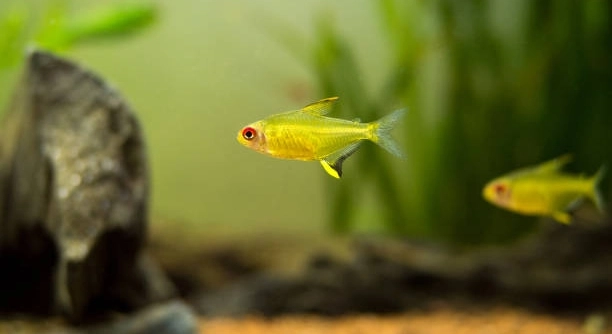
Lemon Tetras are small, vibrant fish that can bring life to any freshwater aquarium. Despite their bright colors, they often display shy behavior, hiding behind plants or swimming quietly in the corners of the tank.
Shyness in Lemon Tetras is usually caused by environmental stress, inadequate social conditions, or sudden changes in the aquarium. Factors such as water quality, tankmates, lighting, and diet can influence their comfort and willingness to explore openly.
Understanding the reasons behind their timid behavior can improve their wellbeing and help create a more harmonious tank environment for these delicate fish.
Tank Size and Space
Lemon Tetras are small but active fish that need enough space to swim freely. A cramped tank can make them feel trapped and stressed, which often results in hiding or skittish behavior. Ideally, a tank should be at least 20 gallons for a small school, with plenty of open swimming areas. Dense plants and decorations provide hiding spots, but balance is essential so they do not feel confined. Open areas allow them to move confidently, reducing stress and encouraging natural behaviors. They also feel safer in larger schools, as being in groups can lessen individual anxiety. Proper spacing between plants and decorations gives them choices for movement and retreat. Tank size affects their ability to interact socially and maintain their natural rhythm, which is critical for their overall wellbeing and calm demeanor. Observing how they use the space can guide adjustments to improve comfort and visibility.
Smaller tanks often cause Lemon Tetras to stay in corners, making them appear more timid than they are naturally.
Providing a spacious tank with thoughtful decoration helps them feel secure, promoting more confident swimming and interaction over time.
Lighting and Hiding Spots
Too much bright light can overwhelm Lemon Tetras, making them retreat constantly to shaded areas. Adequate hiding spots such as plants, rocks, or caves allow them to rest when stressed.
Strong lighting can increase their anxiety, as they are naturally more comfortable in subdued, diffused light. Incorporating floating plants softens the brightness and creates a layered environment that encourages exploration. Hiding spots near open swimming areas allow them to feel protected while still moving freely. Changing lighting gradually helps them adjust without sudden stress reactions. Observing their behavior during different light periods can indicate whether adjustments are needed.
Providing varied hiding areas alongside balanced lighting helps Lemon Tetras regulate their exposure to stress, ensuring calmer and more predictable behavior. Over time, they learn to use these spots strategically for comfort and confidence. Creating an environment that balances light and shelter supports their natural instincts and encourages healthier social interactions within the school. Adjusting these elements can significantly reduce shyness, allowing their colors and activity to shine.
Water Quality and Temperature
Lemon Tetras are sensitive to changes in water quality and temperature. Poor water conditions can make them hide or remain still, while stable parameters encourage natural, active behavior. Regular monitoring is essential for their comfort.
Maintaining clean water with stable temperature and proper pH is critical for Lemon Tetras’ wellbeing. Sudden fluctuations or high ammonia levels create stress, which often appears as shyness. A consistent filtration system, regular water changes, and careful observation help prevent these issues. They thrive in temperatures between 72 and 78°F, with a slightly acidic to neutral pH. Testing the water frequently ensures that conditions remain within safe limits. Clear, stable water reduces anxiety, supports their immune system, and encourages natural schooling behavior, making them appear more confident and active. Neglecting these factors can lead to prolonged hiding and reduced activity.
Monitoring water hardness and removing any debris or waste promptly also helps maintain a stable environment. Stress from poor water quality can lead to illness, and shy behavior is often an early warning sign. Keeping parameters consistent allows Lemon Tetras to display their natural colors and movements more openly, creating a more harmonious tank atmosphere for all fish.
Tankmates and Social Behavior
Aggressive or overly active tankmates can make Lemon Tetras retreat or hide frequently. Peaceful companions reduce stress and support their social needs.
Lemon Tetras feel safer and more confident in a well-matched school. They are schooling fish that rely on group interaction for security and social stimulation. Housing them with compatible species minimizes competition for food and territory, reducing fear-induced hiding. Observing interactions helps identify problematic tankmates that may intimidate or chase them. Adjusting the mix to include only peaceful fish encourages natural schooling behavior, more consistent swimming patterns, and overall comfort in the tank environment.
Providing a group of at least six Lemon Tetras ensures they develop proper social bonds, which significantly reduces timid behavior. Tankmates should have similar size and temperament, avoiding larger or aggressive species that can cause constant stress. Proper placement of feeding areas and hiding spots ensures they can eat and rest without fear. Careful planning of tank composition and social dynamics supports confidence, encourages active swimming, and allows them to express natural behaviors more visibly, creating a balanced and calm aquatic community.
Feeding Habits
Lemon Tetras may act shy if they feel uncertain about feeding times. Consistent feeding schedules and easily accessible food encourage them to swim confidently.
Overcrowding during feeding can increase stress, causing them to hide. Spacing out food and feeding smaller amounts helps each fish feel safe and reduces competition.
Water Flow
Strong currents can make Lemon Tetras uncomfortable, leading them to hide behind plants or decorations. Gentle water flow suits their natural swimming style, helping them remain active and relaxed.
Sudden Changes
Rapid changes in water temperature, lighting, or tank layout can startle Lemon Tetras. Gradual adjustments help them adapt without excessive stress.
Why is my Lemon Tetra hiding most of the time?
Lemon Tetras often hide when they feel stressed, insecure, or unsafe in their environment. Common triggers include sudden changes in water temperature, poor water quality, aggressive tankmates, or strong lighting. Hiding is their natural instinct to avoid perceived threats. Ensuring a stable tank with hiding spots, proper schooling, and peaceful companions encourages them to swim more openly. Observing their behavior at different times of the day can help identify specific stressors. Adjusting the environment gradually allows them to feel secure and reduces hiding behavior over time.
How many Lemon Tetras should be kept together?
These fish are schooling species and feel most confident in groups of at least six. Small groups often appear shy and nervous, while larger schools promote natural social interaction. Schooling reduces stress and encourages active swimming. It also helps distribute attention evenly among the fish, so no individual feels isolated. Proper schooling supports their overall health, encourages natural behavior, and makes them more visible in the tank.
Can tank size affect my Lemon Tetra’s behavior?
Yes, a cramped or overcrowded tank can make Lemon Tetras feel confined and stressed, leading to shy or skittish behavior. Providing enough open swimming space along with strategically placed hiding spots is essential. A minimum of 20 gallons is recommended for a small school, with larger tanks being better for more fish. Ample space allows them to establish territories, move freely, and interact comfortably with their school. Balancing plants and decorations with open areas helps them feel secure without feeling trapped.
Does water quality impact their shyness?
Absolutely. Lemon Tetras are sensitive to changes in water parameters. Poor water quality, high ammonia, nitrite, or nitrate levels can cause stress, leading them to hide or remain inactive. Maintaining stable temperature, pH, and hardness is essential. Regular water changes, proper filtration, and testing ensure a healthy environment. Clear, stable water encourages confident swimming, better coloration, and natural schooling behavior. Sudden changes or neglected maintenance often make them retreat, highlighting the importance of consistent care.
Do Lemon Tetras get shy around other fish?
Yes, they can become timid when housed with aggressive or overly active tankmates. Peaceful companions of similar size and temperament help reduce stress and encourage schooling. Avoid larger or territorial species that may chase or intimidate them. Proper selection of tankmates ensures harmony, reduces hiding behavior, and allows Lemon Tetras to display natural activity. Observing interactions during feeding and swimming can help identify stress points, and adjustments in tankmate composition can restore confidence.
How does lighting affect their behavior?
Excessively bright lighting can make Lemon Tetras retreat to shaded areas. They prefer diffused light and natural-looking conditions. Floating plants and layered decorations create shaded zones, allowing them to feel secure. Gradual light adjustments help them adapt without stress. Balanced lighting encourages exploration, active swimming, and comfortable interaction with their school. It also enhances their natural colors without triggering fear responses.
Can feeding habits influence shyness?
Yes. Inconsistent feeding schedules or overcrowded feeding times can cause Lemon Tetras to hide or act timid. Providing small portions evenly across the tank ensures each fish can eat without stress. They are more likely to swim confidently when food is predictable and accessible. Observing how they feed can indicate social stress or health issues, allowing adjustments to reduce shyness and improve comfort during mealtime.
What should I do if my Lemon Tetras suddenly become shy?
Sudden shyness usually signals a change in their environment or stress factor. Check water quality, temperature, lighting, and tankmate behavior immediately. Gradual corrections and adding more hiding spots often help them regain confidence. Observing behavior over several days helps identify specific triggers. Patience and consistent care are key to restoring their natural activity and reducing stress-related hiding.
How long does it take for Lemon Tetras to feel comfortable in a new tank?
They usually need several days to a few weeks to acclimate fully. Gradual adjustments in lighting, temperature, and tank layout help reduce stress. Providing a stable environment, proper schooling, and peaceful tankmates accelerates the adaptation process. Once comfortable, they display normal activity, swim openly, and interact confidently with their school.
Are shy Lemon Tetras unhealthy?
Not necessarily. Shyness is often a response to stress rather than illness. However, prolonged hiding or inactivity can indicate water quality issues, poor diet, or health concerns. Monitoring their physical condition, eating habits, and water parameters helps distinguish between normal timid behavior and potential health problems. Maintaining a balanced environment supports both confidence and overall wellbeing.
How can I encourage my Lemon Tetras to swim more openly?
Provide consistent care, a spacious tank, gentle lighting, and peaceful tankmates. Adding hiding spots near open swimming areas allows them to feel secure while exploring. Regular observation helps identify stress triggers, and gradual adjustments in the environment improve confidence. A healthy school of Lemon Tetras tends to become more active and visible over time.
Do seasonal changes affect their behavior?
Yes, variations in room temperature, lighting, or feeding schedules due to seasonal changes can cause temporary shyness. Maintaining stable water conditions, consistent lighting, and regular feeding reduces these effects. Gradual acclimation to environmental shifts helps them stay active and confident, minimizing hiding and stress responses.
Is it normal for new Lemon Tetras to be shy?
Yes, new arrivals often hide as they adjust to unfamiliar surroundings. Providing a stable, well-decorated tank with calm tankmates supports acclimation. Over time, they usually explore more and interact with their school, showing their true, lively nature. Consistent care accelerates this adjustment period and encourages confident behavior.
Can stress from breeding affect shyness?
During breeding periods, Lemon Tetras may become more reclusive. They require quiet spaces and undisturbed conditions. Proper hiding spots and minimal disruption support both breeding success and reduced stress, helping them maintain a calmer demeanor while engaging in natural reproductive behaviors.
How do I know if hiding is serious?
Occasional hiding is normal, but prolonged or constant retreat may indicate water quality problems, aggression, illness, or inadequate tank conditions. Monitoring their eating habits, physical appearance, and interaction with tankmates helps assess severity. Timely adjustments prevent long-term stress and maintain healthy activity levels.
What small changes can reduce shyness quickly?
Adding extra hiding spots, adjusting lighting, spacing out feeding areas, and ensuring compatible tankmates can all help. Gradual changes are more effective than sudden adjustments. Observing behavior before and after modifications helps fine-tune the environment, making Lemon Tetras feel safer and more confident.
Can tank decorations make them more shy?
Overcrowded or poorly placed decorations can make Lemon Tetras feel trapped, increasing timid behavior. Balancing open swimming areas with well-positioned plants, rocks, or caves provides safety without confinement. This arrangement allows exploration while maintaining comfort and reduces constant hiding.
Is temperature fluctuation a common stress factor?
Yes, even minor shifts outside their preferred range (72–78°F) can trigger stress. Using a reliable heater and thermometer ensures stability. Gradual adjustments and monitoring reduce fear responses, keeping them active and confident. Stable water conditions are essential for reducing stress-related shyness.
Do Lemon Tetras ever fully stop being shy?
With consistent care, stable conditions, and proper schooling, most Lemon Tetras gradually become more confident. While individual personalities vary, minimizing stress factors and providing a comfortable environment encourages them to swim openly and engage naturally within their school.
Are shy behaviors reversible?
Yes, most shy behaviors are responses to environmental or social stress and are reversible. Improving water quality, lighting, tank size, and social conditions usually restores normal activity. Patience and attention to their needs are essential to help them regain confidence and display natural behaviors.
How can I tell if hiding is due to illness rather than shyness?
Look for signs such as faded color, clamped fins, labored breathing, or loss of appetite. If these appear alongside hiding, illness may be the cause. Checking water quality and consulting treatment options promptly ensures their health and prevents prolonged stress.
Do seasonal tank changes require special care?
Yes, maintaining consistent water temperature, lighting, and feeding schedules during seasonal shifts helps prevent stress-induced hiding. Gradual adjustments and monitoring behavior are key to keeping Lemon Tetras confident and active throughout the year.
How long should I observe behavior before making changes?
Observing for several days to a week allows you to identify patterns in hiding, feeding, and interaction. Quick changes may worsen stress, while patient monitoring helps determine the precise adjustments needed for comfort and confidence.
Can diet influence shyness?
A balanced diet supports energy and immunity, reducing stress-induced hiding. Providing varied, high-quality food in small, regular portions encourages active swimming and natural behavior, making them less timid.
What role does school size play in confidence?
Lemon Tetras feel safer in groups of six or more. A larger school reduces individual stress, promotes natural swimming patterns, and encourages social interaction, helping shy fish become more active.
How do I encourage exploration without stress?
Gradually introduce new decorations, feeding methods, or gentle water flow adjustments. Observe their reactions and provide safe zones. Encouraging curiosity without overwhelming them builds confidence and reduces hiding behavior naturally.
Are shy Lemon Tetras more prone to disease?
Stress from constant hiding or fear can weaken immunity, making them more susceptible to illness. Maintaining optimal water quality, nutrition, and social conditions supports health and reduces stress-related vulnerabilities.
Can gradual acclimation prevent shyness in new fish?
Yes, slowly introducing new Lemon Tetras with stable water parameters, proper hiding spots, and peaceful tankmates helps them adapt confidently. Sudden changes often trigger prolonged hiding, so careful acclimation is critical.
Do shy Lemon Tetras impact other tankmates?
Their timid behavior usually does not harm other fish but may affect feeding dynamics if they avoid competition. Ensuring adequate food distribution and peaceful companions minimizes these effects.
Is it normal for them to hide at certain times of day?
Yes, Lemon Tetras may retreat during bright light periods or when activity spikes in the tank. Providing shaded areas and observing natural patterns allows them to feel secure while remaining part of the school.
Can water flow adjustments help reduce shyness?
Reducing strong currents and providing gentle, natural water movement allows Lemon Tetras to swim comfortably. Proper flow prevents fatigue and anxiety, encouraging more visible and confident behavior.
How important is consistency in daily care?
Consistency in feeding, water maintenance, and lighting is essential. Predictable routines reduce stress, promote confidence, and allow Lemon Tetras to display natural behaviors without constant fear.
Do shy behaviors vary by individual personality?
Yes, some Lemon Tetras are naturally more timid. Individual differences are normal, but environmental stability, schooling, and care can help even the shyest fish become more confident over time.
Can adding plants reduce shyness?
Yes, plants provide shelter and security, allowing Lemon Tetras to explore gradually. A balance of open swimming areas and hiding spots creates a safe, stimulating environment.
Are there any quick fixes for shy Lemon Tetras?
There are no instant solutions. Gradual improvements in tank conditions, schooling, feeding, and hiding spots are effective. Patience and observation yield the best results for encouraging confident behavior.
How do I know if my adjustments are working?
Notice changes in swimming patterns, feeding behavior, and social interaction. Increased visibility, active exploration, and participation in the school indicate reduced stress and growing confidence.
Should I separate shy Lemon Tetras from aggressive fish?
Yes, separating them from aggressive or overly active species immediately reduces stress. Peaceful tankmates and a secure environment promote calm behavior and prevent prolonged hiding.
Is it normal for shy Lemon Tetras to explore at night?
Yes, some may feel safer in lower light conditions. Observing nocturnal activity helps understand their comfort levels and natural patterns.
Can diet supplements help with confidence?
High-quality nutrition supports energy, immune function, and overall wellbeing. While it does not directly reduce shyness, healthy fish are more likely to swim confidently and interact naturally.
Do Lemon Tetras need gradual lighting changes?
Yes, sudden bright lights can cause hiding. Gradual increases or decreases in lighting reduce stress and encourage exploration. Floating plants or shaded areas help ease transitions naturally.
How long should new hiding spots be left before changes?
Leave new decorations for several days to a week to allow adaptation. Sudden rearrangements can trigger stress and hiding, while stable adjustments build confidence.
Can shy behavior return after changes?
Yes, if stress factors reappear, such as poor water quality, aggressive tankmates, or sudden environmental changes. Maintaining stable conditions helps prevent relapse.
Are shy Lemon Tetras compatible with all peaceful species?
Most peaceful, similar-sized species are compatible. Avoid overly fast or dominant fish that may intimidate them. Observation ensures harmonious interactions and reduces hiding behavior.
Does tank depth affect shyness?
Very deep or tall tanks may increase hiding if they feel exposed. Balanced vertical and horizontal space with accessible hiding spots supports confident swimming and exploration.
Can shy behavior be a sign of breeding readiness?
Occasionally, yes. During breeding, they may retreat to secure areas. Providing quiet spaces reduces stress while allowing natural reproductive behavior.
Do shy Lemon Tetras interact less with their school?
Initially, yes, but stable conditions, proper schooling, and hiding spots encourage reintegration. They gradually participate more actively once comfort is established.
Are shy Lemon Tetras slower swimmers?
Stress can reduce activity. Ensuring stable water, proper schooling, and minimal threats encourages normal swimming patterns. Gradual acclimation helps restore energy and confidence.
How do I balance open space and hiding spots?
Place decorations strategically, leaving open swimming areas near shelter. This balance allows exploration while maintaining security. Observing usage patterns helps fine-tune placement for comfort and confidence.
Do shy Lemon Tetras need specific tank shapes?
No specific shape is required, but a well-planned layout with open areas and secure hiding spots is essential. Rectangular tanks often provide more swimming space and better schooling dynamics.
Can shy behavior affect feeding?
Yes, timid fish may avoid food if competing with more aggressive tankmates. Spacing food and providing multiple feeding points ensures all fish eat comfortably, reducing stress and hiding.
How long does it take for a shy Lemon Tetra to adjust?
Adjustment can take several days to a few weeks depending on tank conditions, schooling, and individual temperament. Patience, stability, and gradual improvements help them regain confidence.
Does tank lighting color influence shyness?
Subtle, natural-colored lighting reduces stress, while harsh or overly bright lighting increases hiding behavior. Layered shading with plants or decorations provides comfort and encourages exploration.
Can shy behavior be a result of previous stress?
Yes, prior stress from transport, poor care, or aggressive tankmates can cause lasting timid behavior. Stable conditions and proper schooling help them recover gradually.
How do I know if my Lemon Tetras are fully comfortable?
They swim openly, interact naturally with their school, and eat confidently without retreating. Bright coloration and active exploration indicate comfort and reduced stress.
Do shy Lemon Tetras ever become leaders in their school?
It is uncommon, as timid individuals tend to follow rather than lead. Confidence can improve with stable conditions, but natural temperament often determines social roles within the group.
Are shy Lemon Tetras more sensitive to noise or vibration?
Yes, sudden vibrations, tapping, or loud noise can trigger hiding. Minimizing disturbances near the tank supports calmer behavior and encourages regular activity.
Can temperature drops at night cause hiding?
Slight drops may trigger retreat, especially in small tanks. Maintaining consistent temperature with a reliable heater ensures comfort and prevents stress-induced hiding.
How important is a stable routine?
A consistent routine in feeding, lighting, and maintenance reduces stress. Predictability allows Lemon Tetras to feel safe, explore confidently, and engage naturally with their school.
Do shy Lemon Tetras ever come out of hiding simultaneously?
Yes, once comfortable, they often emerge together, following natural schooling instincts. Observing synchronized movement indicates reduced stress and growing confidence.
Can adding more tankmates increase shyness?
Adding new fish too quickly may initially cause hiding. Gradual introductions with peaceful species allow adaptation and integration without overwhelming the existing school.
Does water clarity affect shyness?
Murky or dirty water increases stress and hiding. Clear, well-maintained water supports visibility, confidence, and natural interaction with the school.
Are shy Lemon Tetras less likely to breed?
Stress and hiding can reduce breeding activity. Providing secure areas, stable conditions, and minimal disturbances supports reproductive behavior and reduces shyness.
How do I maintain confidence long-term?
Consistent care, proper schooling, stable water conditions, balanced lighting, and suitable tankmates ensure Lemon Tetras remain confident and active, minimizing recurrent hiding behavior.
Can shy behavior indicate nutritional deficiency?
Occasionally, low-quality diets may reduce energy, causing timid behavior. Providing a balanced, varied diet supports health, energy, and normal activity levels.
Do shy Lemon Tetras react differently to changes in tankmates?
Yes, introducing aggressive or dominant fish can cause retreat. Observing interactions and adjusting companions ensures harmony and reduces hiding behavior.
Are shy Lemon Tetras more sensitive to chemicals?
Yes, they react quickly to chlorine, heavy metals, or medications. Proper water treatment and gradual dosing minimize stress responses and hiding.
Can shy behavior be seasonal?
Yes, changes in room temperature, lighting, or feeding schedules may temporarily increase hiding. Maintaining stable conditions minimizes seasonal stress effects.
Do shy Lemon Tetras benefit from mirrored surfaces?
No, mirrors can increase stress rather than confidence, as they may perceive reflections as rivals. Stable social environments are preferable.
How do I reduce hiding without forcing interaction?
Provide hiding spots near open swimming areas, maintain stable conditions, and allow gradual exploration. Forcing interaction increases stress and can worsen timid behavior.
Are shy Lemon Tetras less active overall?
Yes, stress and fear can reduce activity. Gradual environmental improvements, proper schooling, and stable care encourage natural swimming and confidence.
Do shy behaviors differ between male and female Lemon Tetras?
Males may be slightly more assertive during social interactions, but both genders can exhibit shyness. Individual temperament and environmental conditions play a larger role than sex.
Can shy Lemon Tetras recover from prolonged stress?
Yes, with consistent care, stable conditions, proper schooling, and attention to water quality, timid behavior can improve, allowing them to regain normal activity and confidence.
Does water current influence hiding?
Strong currents increase hiding behavior. Gentle, natural flow supports comfortable swimming and reduces stress, encouraging confident exploration.
Are shy Lemon Tetras more prone to aggression from others?
Yes, timid fish may be chased or bullied by dominant tankmates. Ensuring peaceful companions and adequate space reduces conflict and stress.
How do I monitor progress in reducing shyness?
Observe swimming patterns, feeding behavior, interaction with the
Lemon Tetras are delicate, small fish that respond strongly to their environment. Their shy behavior is usually a natural response to stress, changes, or discomfort. Observing them closely can reveal subtle signs of stress, such as hiding behind plants, swimming in corners, or avoiding other fish. Understanding these behaviors allows you to make adjustments that improve their comfort. Factors such as water quality, tank size, lighting, and tankmates all play a role in how confident they appear. By monitoring these conditions and responding promptly to changes, you can create an environment where Lemon Tetras feel secure and relaxed. Over time, they may gradually become more active, displaying their natural colors and social behaviors more openly within their school.
Maintaining stable water parameters is essential for their wellbeing. Lemon Tetras are sensitive to temperature fluctuations, pH changes, and poor water quality, which can all contribute to hiding and timid behavior. Consistent maintenance, such as regular water changes, proper filtration, and monitoring of ammonia, nitrites, and nitrates, helps reduce stress. In addition, gentle water flow and balanced lighting provide a calm environment that supports normal activity. Providing open swimming areas alongside well-placed hiding spots allows them to explore without feeling threatened. A properly maintained tank also supports their immune system, preventing illness that could exacerbate shy behavior. Gradual adjustments in the tank, rather than sudden changes, allow them to acclimate comfortably and regain confidence.
Social factors also have a significant impact on Lemon Tetra behavior. These fish are schooling species that feel safer in groups of six or more. Housing them with compatible tankmates reduces fear and encourages normal social interactions. Aggressive or fast-moving fish can increase stress and reinforce hiding, while peaceful companions allow them to swim openly and interact naturally. Feeding routines and placement of food also affect confidence, as overcrowding or competition can make them more timid. By paying attention to social dynamics, providing sufficient space, and offering secure areas for retreat, shy Lemon Tetras can gradually adjust and display healthier, more confident behavior. Consistent care, attention to their needs, and patience are key to supporting both their physical and emotional wellbeing in the aquarium.

Hello,
If you enjoy the content that we create, please consider saying a "Thank You!" by leaving a tip.
Every little bit helps us continue crafting quality advice that supports the health, happiness, and well-being of pets around the world, for pets of all shapes, sizes, and species.
We really appreciate the kindness and support that you show us!