
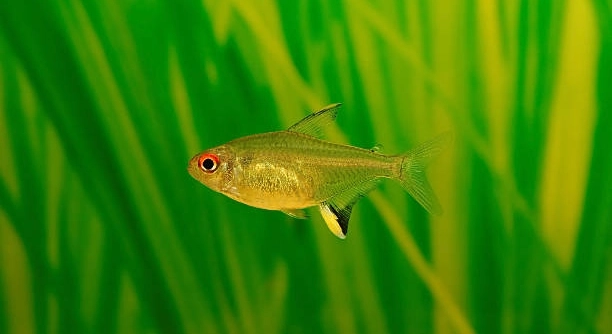
Lemon tetras are small, bright fish that bring life to any freshwater aquarium. They move in groups and enjoy spaces that feel secure. Adding plants can create a more comforting environment for them to explore.
Lemon tetras feel safer near plants because vegetation provides hiding spots and reduces stress. Plants create natural boundaries in the tank, mimicking their native habitat and allowing these fish to exhibit normal, calm behaviors.
Providing plants and shelters can improve overall well-being, encouraging more active and natural behaviors in lemon tetras.
Why Plants Matter for Lemon Tetras
Lemon tetras thrive in tanks that provide a sense of security. Plants offer natural hiding spots, helping them feel less exposed. In the wild, they swim among dense vegetation, so having live or artificial plants mimics this environment. The more cover available, the more confident the fish appear while exploring the tank. Plants also help reduce stress by creating shaded areas where tetras can retreat when feeling threatened. In addition to safety, plants improve water quality by absorbing excess nutrients, which can help prevent algae growth. Certain plant types, such as Java fern or Anubias, are easy to maintain and won’t require constant trimming. Floating plants create a soft cover at the surface, making the tetras feel even more secure. Grouping taller plants at the back and shorter ones at the front gives the tank depth while allowing free swimming space. Observing tetras around plants often reveals calmer, more natural behavior patterns.
Plants in the tank provide both safety and comfort, allowing tetras to swim confidently without constant stress or hiding.
Adding plants also encourages social behavior among lemon tetras. They school more naturally, exploring together while using leaves and stems for cover. Plants break up empty spaces, preventing dominant fish from chasing others relentlessly. The textures and surfaces give the tetras places to rest or hover near without feeling exposed. By introducing a variety of plant heights and densities, each fish can choose the level of exposure it is comfortable with. Lighting plays a role too—dimmer spots beneath plants offer quiet areas, while open spaces allow active swimming. Over time, plants contribute to a balanced ecosystem by interacting with beneficial bacteria, helping maintain stable water parameters. Regular trimming prevents overcrowding while still maintaining hiding opportunities. Pairing tetras with calm tankmates enhances the sense of safety, as they are less likely to be startled or stressed. Observing interactions near plants can reveal social hierarchies and territorial behavior, but overall, the presence of greenery creates a peaceful, supportive environment for these lively fish.
Choosing the Right Plants
Selecting the right plants ensures tetras feel safe without overcrowding the tank.
Hardy plants with broad leaves provide excellent cover and are easy to maintain. Fast-growing species reduce nitrate buildup while giving fish areas to retreat. Floating plants soften light and create shaded regions, encouraging natural swimming patterns. Choosing a mix of heights, textures, and growth rates balances aesthetics and functionality, supporting both fish behavior and tank health over time.
How Plants Reduce Stress
Plants create hiding spots that immediately make lemon tetras feel safer. They reduce exposure to bright lights and open water, which can stress small fish. Dense foliage provides quiet areas where fish can rest without interruption from tankmates or sudden movements.
By providing multiple plant layers, you create areas for tetras to explore at their own pace. Leafy plants near the surface or mid-level give them shaded spots, while taller plants at the back offer retreat zones. These hiding spots help lower stress hormones, reducing erratic swimming and aggressive behavior. Stress reduction also improves immune system function, making tetras less prone to illness. Over time, fish appear calmer and more confident, swimming in a more natural manner. Plants also buffer sudden movements in water, helping maintain a stable, comfortable environment for these sensitive fish.
Plants influence not just hiding but also social behavior. Tetras use the cover to school safely, avoiding confrontations and establishing comfortable territories. Varied plant density encourages natural interactions, allowing shy fish to engage without fear. Floating plants soften lighting, further reducing stress, while broad-leaved plants provide resting areas. By arranging plants thoughtfully, you create a balanced tank where each tetra has its own secure space. This careful planning supports long-term well-being, reduces aggression, and enhances overall tank harmony. Observing their natural behavior among plants reinforces how essential vegetation is for their daily comfort and health.
Ideal Plant Placement
Placing plants strategically ensures lemon tetras have both open swimming areas and safe zones. Avoid overcrowding while giving them layered coverage, allowing movement at different levels of the tank.
Start by positioning taller plants at the back and corners to frame the tank. Mid-height plants can fill the middle, providing partial cover and creating natural lanes for swimming. Shorter foreground plants keep the open space free while offering minor shelter. Floating plants at the surface soften light and give tetras shaded zones. This layout allows fish to choose exposure levels, supporting both active swimming and retreating when needed. Maintaining variety in plant height and density creates a natural, secure environment.
Proper spacing also prevents territorial disputes among tetras and reduces stress from competition. Dense clusters near the tank edges give fish retreat options while maintaining clear central areas for schooling. Floating plants create micro-habitats that simulate their native environment, providing shaded patches that help regulate light exposure. Rotating or trimming plants keeps the layout dynamic and prevents overgrowth, ensuring consistent safety zones. Layered placement encourages exploration without forcing exposure, allowing both timid and bold fish to thrive. This thoughtful arrangement balances aesthetics with functionality, supporting healthy behavior, natural interactions, and long-term comfort for lemon tetras.
Benefits of Dense Foliage
Dense foliage offers multiple hiding spots, helping lemon tetras feel secure. It reduces stress by limiting exposure to open areas and bright lights, giving fish natural places to retreat whenever they feel threatened or tired.
Plants also improve water quality by absorbing excess nutrients. Healthier water contributes to calmer, more active fish and reduces disease risk. Dense plant growth creates micro-habitats, encouraging natural behavior while giving shy tetras room to avoid more dominant tankmates.
Floating Plants and Shaded Areas
Floating plants create shaded zones near the water surface, giving lemon tetras softer light and areas to rest. These plants mimic natural conditions, providing comfort and reducing stress. Fish can hover below leaves, maintaining a sense of safety while still swimming freely.
Plant Types That Work Best
Broad-leaved plants such as Anubias, Java fern, and Amazon sword provide effective cover for lemon tetras. They tolerate low light and slow growth, making maintenance easier while offering reliable hiding spots that support natural behaviors.
Avoid Overcrowding
Too many plants can restrict swimming space and create stress. Maintain balance between open areas and vegetation for healthy, confident tetras.
FAQ
Do lemon tetras need live plants to feel safe?
Lemon tetras do not strictly need live plants, but live plants provide the best environment for them. They mimic natural habitats and improve water quality. Artificial plants can offer hiding spots, but live vegetation encourages more natural behavior and reduces stress over time.
How many plants should I put in a tetra tank?
A balanced approach works best. Cover roughly 50 to 70 percent of the tank with plants, leaving open swimming areas. Use taller plants at the back, medium ones in the middle, and smaller or floating plants in the front and surface. This layering gives tetras options for hiding and swimming freely.
Can lemon tetras get stressed without plants?
Yes. Without plants, tetras may feel exposed and unsafe. Stress can show through erratic swimming, hiding, or aggression toward other fish. Providing plants, rocks, or other forms of shelter reduces stress and promotes calmer, healthier behavior.
What types of plants are best for hiding spots?
Broad-leaved plants like Anubias, Amazon sword, and Java fern work very well. Floating plants, such as duckweed or frogbit, create shaded zones at the surface. Dense clusters give timid fish places to retreat while allowing bolder fish to swim openly. A variety of heights and textures is ideal.
Do plants affect water quality for lemon tetras?
Yes. Plants absorb excess nutrients like nitrates, reducing algae growth and keeping water cleaner. Healthy plants create more stable water parameters, which lowers stress levels for fish. Strong plant growth also supports beneficial bacteria, improving the overall tank ecosystem.
How should I arrange plants in a tetra tank?
Place taller plants at the back and corners, medium-height plants in the middle, and low or floating plants at the front and surface. This arrangement provides layered coverage without overcrowding, giving tetras safe zones while maintaining enough open space for swimming and schooling behavior.
Will lemon tetras interact differently with live vs. artificial plants?
Yes. Live plants often encourage more natural exploration and resting behavior. Fish may nibble or hover near live leaves. Artificial plants still provide hiding spots, but they lack the same environmental benefits, such as water filtration and micro-habitats, that live plants offer.
Can too many plants be harmful?
Yes. Overcrowding can restrict swimming space, causing stress and limiting social interactions. Maintain a balance between dense foliage for safety and open areas for active swimming. Regular trimming helps keep plants healthy while maintaining proper space for fish movement.
Do floating plants really make a difference for stress reduction?
Absolutely. Floating plants diffuse light, creating shaded regions that make tetras feel safe. Shaded spots mimic their natural habitats and allow fish to rest or hover without feeling exposed. This reduces erratic swimming and promotes calmer, more natural behavior patterns.
How long does it take for tetras to feel safe near new plants?
It usually takes a few days for lemon tetras to acclimate to new plants. Initially, they may stick to hiding spots. Over time, they will explore and use the plants confidently. Consistent tank conditions and gentle observation help speed up their comfort level.
Do tetras prefer certain plant textures?
Yes. Broad, sturdy leaves are favored because they provide stable hiding areas. Soft or thin plants are less useful as cover but can create visual interest and light filtering. Combining textures encourages natural behaviors and gives fish choices for resting, hiding, and swimming.
Are there benefits beyond safety when using plants?
Definitely. Plants improve water quality, support beneficial bacteria, and provide natural surfaces for microfauna. This enhances the ecosystem, giving tetras more stimulation and reducing stress. Well-planted tanks also encourage schooling, feeding, and exploration, promoting healthier, more active fish overall.
How often should I maintain the plants?
Trimming once every few weeks keeps plants from overcrowding the tank. Remove dead leaves and prune overgrowth to maintain open swimming areas. Regular maintenance ensures the plants continue providing safe hiding spots while keeping water quality stable for lemon tetras.
Can tankmates affect how tetras use plants?
Yes. Timid or slow-moving tankmates may rely more on plant cover, while bold or territorial fish may dominate open areas. Observing interactions and adjusting plant placement ensures all fish feel safe and reduces stress or aggressive encounters.
What if my tetras still hide a lot?
Hiding is normal for shy or new fish. Check water parameters, plant density, and tankmates. Adjust plant arrangement if needed. Over time, tetras usually become more confident as they learn the environment is safe and predictable.
Do plants help with breeding behavior?
Yes. Dense plants give tetras suitable spawning sites and protection for fry. Plants reduce stress, encouraging natural breeding behavior. Leaf surfaces and shaded zones allow eggs or fry to remain hidden from adults, increasing survival rates in planted tanks.
Can I mix different plant types together?
Absolutely. Mixing broad-leaved, tall, medium, and floating plants creates a layered environment. This diversity offers tetras multiple hiding and resting options while supporting natural swimming patterns and reducing stress in different areas of the tank.
How do I know if my tetras are comfortable?
Comfortable tetras swim confidently, explore freely, and use both open areas and plant cover. Stress signs include constant hiding, rapid swimming, or aggression. Healthy interactions with plants, schooling behavior, and consistent eating habits indicate a secure, well-planted environment.
Are there seasonal considerations for planted tanks?
Light levels, temperature, and growth cycles can affect plants. Adjust lighting duration and monitor plant growth to ensure consistent coverage and hiding spots. Seasonal care helps maintain stable conditions that support lemon tetra safety and behavior.
Is it worth investing in more expensive or exotic plants?
Not always. Hardy, easy-to-care-for plants often provide the best balance between hiding space, maintenance, and health benefits. Expensive plants may look appealing but require more care and are not necessarily better for stress reduction or natural behaviors.
Do plants alone ensure safety for tetras?
No. Plants are essential, but water quality, compatible tankmates, and proper tank layout all contribute. A planted tank works best when combined with clean water, appropriate stocking levels, and a stable, calm environment for lemon tetras.
Can plants affect feeding habits?
Yes. Plants can offer resting spots near feeding areas and reduce competition stress. Fish are more likely to feed calmly in areas where they feel safe, which promotes healthier growth and reduces aggressive chasing during meal times.
How long should a planted tank be established before adding tetras?
A few weeks is ideal. This allows plants to root and water parameters to stabilize. Once the tank is mature, tetras will feel more secure and can immediately take advantage of the hiding spots and shaded areas provided by the vegetation.
Do tetras use plants differently at night?
Yes. At night, tetras often stay near dense foliage or under floating plants to feel protected. Plants give them a sense of safety even in low-light conditions, reducing stress during periods of rest.
Can I rely on plastic plants only?
Plastic plants provide hiding spots but lack water quality benefits. While better than nothing, they don’t absorb nutrients, support beneficial bacteria, or create micro-habitats like live plants. Using a combination can help, but live plants remain superior for comfort and overall tank health.
What signs indicate my plants are helping tetras feel safe?
Active swimming among plants, schooling behavior, regular feeding, and calm resting all indicate tetras feel secure. Avoiding constant hiding or erratic movements shows that the tank layout and plant placement are supporting a comfortable environment for the fish.
How often should I rearrange plants?
Rearranging is rarely needed once tetras are comfortable. Minor adjustments can refresh hiding spots or improve flow, but frequent changes may stress fish. Observe behavior before making alterations to ensure stability.
Do young tetras use plants differently than adults?
Yes. Fry and juvenile tetras rely more on dense cover for protection, while adults may explore more open spaces. Layered plants and shaded zones accommodate all life stages, ensuring a safe and supportive environment for growth and social interaction.
Are there any plants to avoid for lemon tetras?
Avoid plants with sharp edges or delicate leaves that tetras may damage easily. Highly sensitive species may require special care and could create water instability if they die quickly. Stick to hardy, broad-leaved plants that tolerate low light and minimal maintenance.
Can plants help reduce aggression in a community tank?
Yes. Plants provide visual barriers and hiding spots, which reduce territorial disputes and chasing. Dense foliage allows timid fish to escape dominant tankmates, promoting peaceful coexistence and healthier interactions in a mixed-species tank.
Do lemon tetras interact with plants differently in a small tank versus a large tank?
In small tanks, they use every available hiding spot, and overcrowding can stress them. In larger tanks, they have more freedom, but plants still create essential zones for security and resting. Proper plant placement is important regardless of tank size.
Is there a limit to the number of floating plants?
Yes. Too many floating plants can block light and limit swimming space. Maintain a balance so fish have shade without reducing water circulation or open swimming areas. Occasional thinning helps maintain optimal conditions.
Do plants provide any benefits during water changes?
Plants stabilize water conditions by buffering sudden changes in pH or nutrient levels. Healthy plants absorb excess nutrients and provide a more resilient environment, helping tetras remain calm and reducing stress during maintenance.
Are some plant arrangements better for breeding tetras?
Yes. Dense mid-level plants combined with floating plants at the surface give eggs and fry protection. Adults can spawn near leaves without disturbing each other, increasing survival rates and promoting natural reproductive behavior.
Do tetras ever damage plants?
Lemon tetras are generally gentle on plants. They may nibble occasionally, but hardy species tolerate this behavior well. Soft or delicate plants may be more prone to damage, so choosing resilient species is important for longevity.
Can I combine live and artificial plants effectively?
Yes. Artificial plants can supplement live plants in areas where fast growth or trimming is challenging. This mix provides both hiding spots and aesthetic appeal while maintaining consistent safety zones for tetras.
How do plants influence schooling behavior?
Plants break up visual space and provide landmarks. Tetras use these areas to coordinate swimming and maintain group cohesion. Dense foliage can encourage tighter schooling by giving smaller, safer pathways for the fish to navigate.
Do tetras use plants for play or exploration?
Yes. Plants encourage natural behaviors like weaving through stems, hovering, and inspecting surfaces. This stimulation reduces boredom, promotes mental health, and keeps fish active, leading to healthier and more confident lemon tetras overall.
How do plants affect light levels for tetras?
Floating and broad-leaved plants diffuse light, creating softer areas for fish to rest. This reduces stress from bright lighting and allows tetras to choose between well-lit or shaded zones, supporting natural behavior patterns.
Are some plant colors more appealing to tetras?
Fish respond more to structure and coverage than color. Green plants with dense leaves offer better hiding spots. Brightly colored plants may be visually interesting for humans, but tetras prioritize safety and shelter when choosing where to swim.
Can plants help reduce algae growth?
Yes. Fast-growing plants absorb nutrients that algae use to thrive. Healthy plant coverage competes with algae for resources, keeping growth under control and maintaining a cleaner, healthier tank environment for tetras.
How does plant height influence tetra behavior?
Tall plants provide retreat zones and vertical layers, mid-height plants create partial cover, and short plants allow open swimming. A combination of heights ensures tetras can choose the level of exposure they feel comfortable with.
Do tetras rearrange plants themselves?
Generally no. Lemon tetras are not strong diggers. Some minor movement may occur when foraging, but plants remain largely intact unless fish are particularly active near roots or substrate.
Should I quarantine new plants before adding them?
Yes. Quarantining prevents pests, snails, or algae from entering the tank. Clean plants also reduce sudden water quality fluctuations, keeping tetras safe and comfortable in their planted environment.
Can plant density influence feeding order?
Yes. Fish in dense areas may feed more cautiously, while those in open water may eat first. Providing multiple feeding spots near plants ensures all fish have access without stress or aggression.
Do plants affect water temperature?
Indirectly. Dense plant coverage can slightly shade water, helping reduce temperature fluctuations. While not a major factor, stable lighting and plant density help maintain consistent, comfortable conditions for tetras.
Are some substrates better for planted tetra tanks?
Yes. Nutrient-rich substrates support healthy plant growth, giving tetras consistent hiding spots and stable vegetation. Substrates with good root anchoring prevent uprooting, keeping plants in place for long-term use.
How do plants help tetras feel secure during tank maintenance?
Dense plants act as immediate hiding zones during water changes or cleaning. Tetras can retreat quickly to shaded areas, reducing stress from sudden movements or disturbances in the tank environment.
Do tetras recognize specific plants over time?
Yes. Fish often return to familiar hiding spots or favorite resting leaves. Consistency in plant placement helps them feel secure and encourages predictable, calm behavior throughout the tank.
Can plants help prevent bullying in a community tank?
Yes. Visual barriers and multiple hiding spots reduce dominance pressure. Timid fish can escape aggressive tankmates, maintaining peaceful interactions. Well-placed plants encourage fair distribution of territory and lower overall stress.
Do plants need fertilization for tetra safety?
Moderate fertilization supports healthy growth and stable coverage, which benefits tetras. Avoid excessive fertilizers that can harm fish. Balanced nutrients maintain strong plants, ensuring consistent hiding spaces and a safe environment.
How often should floating plants be thinned?
Thinning once every few weeks prevents over-shading and keeps swimming areas open. Regular management maintains a balance between shelter and open space for lemon tetras to feel secure and active.
Are mosses beneficial for tetras?
Yes. Mosses create dense low-level cover, ideal for fry or shy individuals. They also offer surfaces for microorganisms, adding minor enrichment and supporting the tank’s ecological balance while enhancing safety.
Do tetras use plants differently during feeding vs. resting?
Yes. During feeding, they may hover near plants for protection while approaching food. During rest, they tend to stay closer to dense foliage or shaded areas, using plants as secure resting spots.
Can plant placement reduce disease transmission?
Yes. By giving fish multiple hiding zones, plants reduce crowding and stress. Lower stress and reduced contact help prevent disease spread and support overall health in the tank.
Do tetras prefer certain plant shapes?
Broad, flat leaves are preferred for resting and hiding. Tall, narrow plants create vertical cover for swimming, while fine-leaved plants are less used for shelter but add variety and stimulation in the tank environment.
Can plants survive with high tetra activity?
Hardy species tolerate moderate activity. Fast-swimming tetras may brush leaves, but strong plants like Anubias or Java fern generally remain intact. Regular trimming ensures continued health and reliable hiding spots.
Do tetras use plants differently when stressed?
Yes. Stressed fish spend more time near dense foliage or shaded zones, avoiding open water. Plants act as safe retreats, reducing visible stress behaviors such as rapid swimming or aggression.
How do I know if plant coverage is enough?
Observe behavior. If fish confidently explore, hide when needed, and exhibit calm swimming, coverage is adequate. Signs of stress or constant hiding indicate a need for more or better-placed plants.
Are there benefits to planting near filtration systems?
Yes. Plants near filters absorb nutrients and help stabilize water flow. This placement creates calmer areas for fish while maintaining water quality and improving overall tank health.
Do tetras react differently to artificial vs. live floating plants?
Yes. Live floating plants create micro-shaded zones, reduce nutrients, and encourage natural behavior. Artificial floating plants provide hiding but lack environmental benefits, so live options are generally more effective for stress reduction.
Is plant diversity important for tetras?
Yes. Mixing heights, textures, and densities offers multiple safe zones, encourages exploration, and supports natural swimming patterns. Diversity creates a balanced environment that reduces stress and promotes healthy social behavior.
Can overgrown plants cause problems?
Yes. Excess growth can limit swimming space, reduce water circulation, and create stress. Regular trimming ensures open areas remain while keeping hiding spots intact for tetras.
Do tetras use plants differently in planted vs. minimally planted tanks?
In planted tanks, they use foliage for hiding, resting, and schooling coordination. In minimally planted tanks, they rely more on rocks or decorations, often appearing more cautious and stressed due to reduced cover.
Are slow-growing plants better for safety?
Not necessarily. Slow-growing plants provide stable cover but may need less frequent maintenance. A mix of slow and fast growers maintains dynamic hiding spots, supporting natural behavior and long-term safety.
How do plants influence water movement preferences?
Dense plants reduce strong currents locally, allowing tetras to rest in calmer areas. Fish often position themselves near vegetation to avoid strong flow while still exploring the tank freely.
Can plants improve tetra coloration?
Indirectly. Stress reduction from proper cover and water stability supports healthy metabolism, which enhances natural coloration. Calm, comfortable tetras display brighter, more vibrant hues.
Do tetras respond to seasonal plant growth changes?
Yes. Denser growth in summer or with increased light offers more hiding, while slower growth in winter may reduce cover. Fish adjust behavior accordingly, seeking the safest zones available.
Is plant height more important than density?
Both matter. Height provides vertical cover, while density creates secure hiding areas. Combining the two ensures tetras can choose exposure levels and maintain calm, confident behavior throughout the tank.
Do plants affect oxygen levels for tetras?
Yes. Photosynthesis during daylight adds oxygen to the water. While not the primary source, healthy plants contribute to stable oxygen levels, supporting overall fish health.
Can plants reduce aggression during feeding times?
Yes. Multiple hiding and shaded spots allow timid fish to approach food safely. Plants break sightlines, reducing chasing and allowing calmer, more equitable feeding behavior.
Do tetras interact more with plants in groups?
Yes. Schooling behavior encourages fish to explore together, often using plants as reference points or cover. Dense plant areas support coordinated movement and natural social interaction.
Are moss walls or carpets beneficial?
Yes. Moss carpets create low-level cover, ideal for fry or shy adults. Moss walls add vertical complexity, giving fish more retreat options while enhancing visual variety.
Do plants help tetras feel safe during loud noises?
Yes. Dense foliage allows immediate retreat to sheltered areas. This helps reduce stress from sudden vibrations or external disturbances in the surrounding environment.
Should I remove dying plants immediately?
Yes. Dead or decaying plants can affect water quality and reduce safe hiding spots. Removing them promptly maintains a healthy environment for lemon
Final Thoughts
Lemon tetras are small, lively fish that thrive in environments where they feel safe and secure. One of the most important factors in providing this sense of safety is the presence of plants in their tank. Plants act as natural hiding spots, giving fish places to retreat when they feel threatened or need rest. This helps reduce stress, which is vital for their overall health. Stress can lead to disease, reduced activity, and even changes in feeding behavior, so ensuring that lemon tetras have sufficient cover is not just about comfort—it is an essential part of their care. By providing a variety of plants with different heights, textures, and densities, aquarists can create an environment that closely mimics the tetras’ natural habitat. Floating plants offer shaded areas at the surface, while taller plants at the back provide vertical coverage. Shorter plants in the foreground maintain open swimming space while still offering minor shelter. This layered approach ensures that all fish, whether timid or bold, have places to feel secure.
Plants also play a role beyond just creating hiding spots. Healthy, well-maintained vegetation improves water quality by absorbing excess nutrients, reducing algae growth, and supporting beneficial bacteria. This contributes to a more stable and balanced ecosystem, which in turn benefits the fish. Lemon tetras respond positively to these conditions, displaying calmer, more natural behaviors such as consistent schooling, exploratory swimming, and steady feeding patterns. Dense foliage and floating plants can also help reduce aggressive interactions among tankmates, as fish have visual barriers and multiple areas to retreat. Even artificial plants, while lacking the water quality benefits, can still provide some sense of safety and shelter. However, live plants are generally more effective because they create a dynamic, life-like environment that promotes both physical and mental well-being. By arranging plants thoughtfully, aquarists can ensure that every area of the tank serves a purpose, whether it is a resting spot, a shaded zone, or an open swimming corridor.
Maintaining a planted tank is not overly complicated, but it does require some attention. Regular trimming prevents overcrowding, removes decaying leaves, and ensures that swimming space is preserved while hiding spots remain available. Observing how lemon tetras interact with their plants can also provide insight into their comfort levels and overall health. Fish that explore confidently, school properly, and use both open areas and plant cover are indicators of a secure and well-balanced environment. It is important to balance plant density with open swimming space to avoid overcrowding, which can cause stress or restrict movement. Choosing hardy, broad-leaved plants that tolerate low light and minimal maintenance makes creating a planted tank easier and more sustainable. In the end, the combination of safety, natural behavior, and improved water quality makes plants one of the most valuable additions to any lemon tetra aquarium. By paying attention to plant placement, type, and maintenance, aquarists can ensure that their lemon tetras are not only safe but also happy, healthy, and thriving in a supportive environment.

Hello,
If you enjoy the content that we create, please consider saying a "Thank You!" by leaving a tip.
Every little bit helps us continue crafting quality advice that supports the health, happiness, and well-being of pets around the world, for pets of all shapes, sizes, and species.
We really appreciate the kindness and support that you show us!