
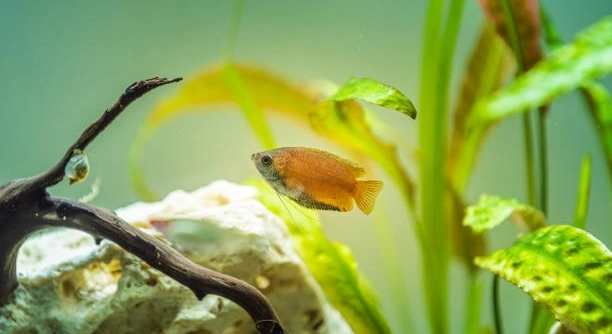
Gouramis are known for their unique bubble nests, which they build for breeding. Sometimes, these fish stop making nests, causing concern for their owners. Understanding why this happens can help maintain a healthy aquarium environment.
Gouramis may stop making bubble nests due to factors like poor water quality, stress, improper temperature, lack of suitable nesting material, illness, inadequate diet, or the absence of a mating partner. These conditions affect their natural breeding behavior.
Knowing these reasons can help you create the right environment for your gourami to resume nesting. This article will explain the common causes and what you can do about them.
Poor Water Quality
Poor water quality is a major reason gouramis stop making bubble nests. When the water is dirty or has harmful chemicals, gouramis become stressed and unhealthy. High levels of ammonia, nitrites, or nitrates can irritate their gills and skin. This makes them less likely to show natural behaviors like nest building. Regular water changes and testing are important to keep the water clean. Using a good filter also helps maintain the right balance in the tank. Keeping water parameters stable makes gouramis feel safe and ready to breed.
Dirty water affects the fish’s comfort and health. Without clean water, their breeding instincts decrease significantly.
In addition to regular cleaning, avoid overcrowding the tank, as too many fish can pollute the water quickly. Also, make sure to remove leftover food and waste daily. Monitoring water temperature and pH levels is equally important. Gouramis prefer slightly acidic to neutral water around 75-80°F. When these factors are managed well, gouramis are more likely to start making bubble nests again.
Stress and Tank Environment
Stress from poor tank conditions or sudden changes can stop gouramis from nesting. They need calm, stable surroundings to feel safe.
Stress can come from loud noises, aggressive tank mates, or too much activity near the tank. If gouramis feel threatened, they focus on survival rather than breeding. It’s best to provide hiding spots like plants or decorations where gouramis can relax. Keep the tank in a quiet area with low traffic. Avoid sudden changes in lighting or water parameters. A peaceful environment encourages gouramis to build their nests and behave naturally.
Creating the right tank environment means paying attention to details that reduce stress. Consistency in routine feeding and lighting helps too. If your gouramis stop nesting, check for signs of bullying from other fish. Sometimes, moving aggressive fish out of the tank can help. Using floating plants or gentle filtration can create calm water movement. This helps gouramis feel secure. When stress is minimized, nesting behavior usually returns.
Improper Temperature
Gouramis need stable water temperatures to build bubble nests. If the water is too cold or too warm, they may stop nesting.
The ideal temperature range for gouramis is between 75°F and 80°F. Temperatures outside this range can cause stress and affect their breeding behavior. Sudden temperature changes are especially harmful, as gouramis may become weak or inactive. It’s important to use a reliable heater and thermometer to keep the water steady.
Maintaining proper temperature also supports their immune system. When the water is right, gouramis feel comfortable and are more likely to resume natural behaviors like nest building. Consistency is key, so avoid rapid fluctuations that might scare or stress your fish.
Lack of Suitable Nesting Material
Gouramis use floating plants or soft leaves to anchor their bubble nests. Without these materials, they may stop making nests.
Providing floating plants like duckweed or hornwort gives gouramis a place to attach bubbles securely. These plants also help reduce surface ripples, creating a calm environment for nest building. In tanks without natural plants, using artificial floating plants can be a good substitute. Soft leaves or broad-leafed plants work best, as they mimic the gouramis’ natural habitat.
If suitable materials are missing, gouramis may feel discouraged and stop trying to build nests. Adding the right plants can encourage this natural behavior. Floating plants also improve water quality by absorbing excess nutrients, which benefits the whole tank. Ensuring your gouramis have access to nesting materials supports their breeding instincts and overall well-being.
Illness or Poor Health
When gouramis are sick or weak, they often stop making bubble nests. Health issues take priority over breeding behavior.
Common illnesses like parasites or bacterial infections reduce energy and interest in nesting. Treating health problems promptly helps gouramis return to normal behavior.
Inadequate Diet
A poor diet can cause gouramis to lose interest in breeding. They need balanced nutrition to stay healthy and active.
Feeding high-quality flakes, pellets, and occasional live or frozen foods supports their energy levels. Vitamins and proteins in their diet are essential for reproductive health. Without proper nutrition, gouramis lack the strength to build nests.
Absence of a Mating Partner
Gouramis usually build bubble nests as part of their mating process. Without a suitable mate nearby, they may stop nesting altogether.
Having a compatible male or female encourages nest building and breeding behavior. If a gourami is alone or with incompatible tank mates, nesting activity often ceases.
FAQ
Why do gouramis stop making bubble nests suddenly?
Sudden changes in the tank environment, such as water quality, temperature, or stress from new tank mates, can cause gouramis to stop making bubble nests quickly. Illness or poor health may also lead to a sudden stop. Keeping conditions stable helps prevent this.
Can stress really stop gouramis from building nests?
Yes, stress is a major factor that affects gouramis’ breeding behavior. Loud noises, aggressive fish, or constant movement around the tank can make them feel unsafe. When stressed, they focus on survival rather than nesting. Reducing stressors encourages nest building.
How important is water temperature for bubble nest building?
Water temperature is very important. Gouramis prefer temperatures between 75°F and 80°F. If the water is too cold or hot, their metabolism slows or speeds up, disrupting nesting. Using a reliable heater keeps the temperature steady, which supports natural behaviors.
Do gouramis need specific plants or materials to make nests?
Yes, gouramis need floating plants or soft leaves to anchor their bubble nests. These materials provide stability and calm water surfaces. Without suitable plants, gouramis may stop nesting or struggle to build proper nests. Artificial floating plants work well too.
What diet helps gouramis build bubble nests?
A balanced diet with high-quality flakes or pellets, plus live or frozen foods like brine shrimp or bloodworms, supports nesting. Proper nutrition provides energy and reproductive health. Lack of protein or vitamins can reduce breeding behavior.
Can illness stop bubble nest making?
Absolutely. Illnesses like bacterial infections, parasites, or fungal problems weaken gouramis and reduce their natural behaviors, including nesting. Treating illness quickly with appropriate medication helps gouramis recover and resume nesting.
Is having a mate necessary for gouramis to build bubble nests?
Usually, yes. Bubble nests are part of the breeding process, so gouramis often build nests when a potential mate is nearby. Without a compatible partner, they may not show nesting behavior. Housing compatible males and females encourages nest building.
How often should I check water quality for gouramis?
It’s best to test water parameters at least once a week. Checking ammonia, nitrite, nitrate, pH, and temperature helps catch problems early. Keeping water clean and stable promotes healthy gouramis and encourages natural behaviors like bubble nest building.
Can tank size affect gouramis’ nesting behavior?
Yes, a tank that is too small or overcrowded can stress gouramis and stop nesting. They need enough space to swim freely and set up nests. A minimum tank size of 20 gallons is recommended for breeding pairs.
What signs show that a gourami is ready to build a bubble nest?
Signs include increased activity near the water surface, gathering plant material, and the male chasing females gently. Males often start blowing bubbles at the surface. When these behaviors appear, it usually means they are preparing to nest.
How can I encourage my gouramis to build bubble nests?
Maintain clean water with stable temperature, reduce stress, provide floating plants, feed a nutritious diet, and keep compatible mates together. A calm, comfortable environment is the best encouragement for gouramis to build nests naturally.
Understanding why gouramis stop making bubble nests is important for keeping them healthy and happy. There are many reasons this can happen, such as poor water quality, stress, temperature changes, or lack of proper nesting materials. When gouramis feel unsafe or uncomfortable, they naturally stop nesting. By paying attention to their environment and needs, you can help your fish return to their normal behavior. Maintaining clean water and a calm tank is one of the most effective ways to support their health and encourage nesting.
Another key factor is diet. Gouramis need a balanced and nutritious diet to have the energy for nest building and breeding. Feeding them high-quality flakes, pellets, and occasional live or frozen foods provides the nutrients they need. Illness or poor health can also affect nesting, so it’s important to watch for signs of sickness and treat problems quickly. Keeping the water temperature stable and providing suitable floating plants or materials for nests creates an environment that feels safe and natural for gouramis. These small details make a big difference in their behavior.
Finally, the presence of a mating partner influences whether gouramis build bubble nests. They usually create nests as part of their breeding process, so if a compatible mate is not nearby, they may lose interest. Reducing stress by avoiding aggressive tank mates and sudden changes will also help. Taking care of these factors shows that you are attentive to your gouramis’ needs. With patience and the right conditions, your gouramis can start making bubble nests again, which is a good sign of their comfort and well-being in the tank.

Hello,
If you enjoy the content that we create, please consider saying a "Thank You!" by leaving a tip.
Every little bit helps us continue crafting quality advice that supports the health, happiness, and well-being of pets around the world, for pets of all shapes, sizes, and species.
We really appreciate the kindness and support that you show us!