
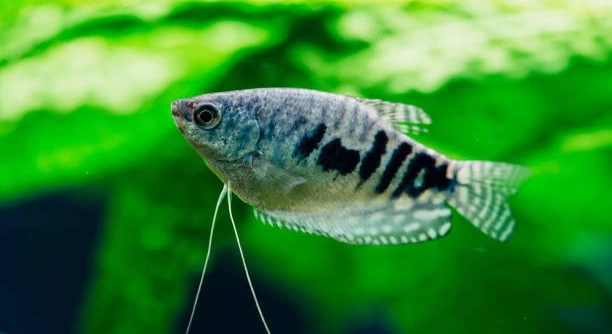
Gouramis are popular freshwater fish known for their bright colors and peaceful nature. Many fish keepers enjoy watching them interact with their environment daily. Understanding how these fish respond to routine events is important for proper care.
Research shows that gouramis have the ability to recognize and remember daily tank events to some extent. Their memory helps them adapt to feeding times, changes in lighting, and interactions with tank mates. This cognitive skill supports their survival and well-being in captivity.
Knowing more about gourami memory can improve how we care for them and make their tank environment more comfortable. This article explores the ways these fish learn from their surroundings over time.
How Gouramis Learn from Their Environment
Gouramis respond to regular events in their tank by paying attention to changes around them. They notice when food is placed in the tank and start associating specific signals, like the sound of a lid opening or a light turning on, with feeding time. This shows they can learn from repeated experiences. Over days or weeks, they build habits based on these daily routines. The memory is not very complex but enough to help them feel secure and know what to expect. This learning helps reduce stress, as sudden surprises in their environment can make them anxious. They also recognize certain tank mates and remember interactions, which shapes their social behavior. Keeping a consistent schedule can encourage this kind of learning, making your gouramis more comfortable and responsive in their home.
This simple memory ability means gouramis adapt well to their tank’s routine.
Recognizing daily patterns helps gouramis develop predictable behaviors that benefit their health. When you maintain a steady feeding schedule and stable tank conditions, your gouramis feel safe. They remember the times when food arrives and may even swim toward the feeding spot before you open the tank. Their ability to learn also applies to social situations, where they recall which fish are friendly or more aggressive. This memory contributes to calmer, more balanced tank dynamics. Inconsistent environments can confuse them, so a steady routine is key. This understanding encourages better care by setting regular tank conditions that suit their natural learning capacity.
Memory Limits in Gouramis
Gouramis do have limits to their memory span.
Their memory mainly focuses on recent events, lasting a few hours to days rather than weeks.
Though gouramis can learn and remember daily events, their memory is not as long-lasting as in some other animals. They are more likely to forget specific details after a short period without reinforcement. For example, if feeding times vary widely, they may become confused and lose the association with the feeding signal. Similarly, changes in tank environment or new tank mates can temporarily disrupt their memory of social relationships. This short-term memory means it is important to keep tank conditions stable and routines consistent. By reinforcing familiar patterns often, gouramis stay comfortable and show better responses to their surroundings. Understanding these limits can help you provide a calm and secure home for your fish.
How Gouramis React to Feeding Times
Gouramis quickly learn to recognize when it’s time to eat.
They watch for familiar signs like the opening of the tank lid or the movement of the feeder. When these cues happen regularly, gouramis start swimming near the surface or the feeding spot before food arrives. This anticipation shows they remember past experiences and can expect what’s coming next. Feeding time becomes part of their daily routine, helping reduce stress because they know when to expect food.
Inconsistent feeding schedules can confuse gouramis and cause anxiety. If food arrives at different times or without clear signals, they may become hesitant or miss meals. Maintaining a steady feeding routine supports their memory and encourages healthy behavior. Regular mealtimes also strengthen their trust in their environment and help them stay calm.
Signs of Memory in Social Behavior
Gouramis recognize their tank mates and adjust how they interact based on past encounters.
They may remember which fish are aggressive and avoid them, while being more relaxed around peaceful companions. This shows they use memory to navigate social dynamics and protect themselves. Over time, gouramis build simple social patterns, which helps reduce fights and stress. If new fish are added suddenly, it can take time for gouramis to learn and adjust to the changes. Providing a stable group helps them maintain a peaceful tank environment.
Recognizing Tank Environment Changes
Gouramis notice changes in their tank, such as new decorations or shifts in water conditions. These changes can affect their comfort and behavior.
They take time to adjust and may hide or act cautiously until they feel safe again. Stability helps them stay relaxed and confident.
Training Gouramis to Respond
With patience, gouramis can be trained to respond to simple signals, like tapping the tank before feeding. Repeating this helps them link the signal with food. Consistent training can improve their interaction with their environment and keep them mentally active.
Stress and Memory Impact
Stress can reduce a gourami’s ability to remember daily events. Unstable conditions, loud noises, or aggressive tank mates cause stress. Reducing stress helps maintain their learning ability and overall health.
Importance of Consistency
Keeping a regular schedule and stable environment supports gouramis’ memory and well-being.
Can gouramis recognize their owners?
Gouramis can recognize people who regularly care for them, especially those who feed or interact with them often. They learn to associate certain movements, voices, or presence with positive experiences like feeding. While they may not recognize faces like mammals, they do respond to familiar activity near the tank. This recognition often shows as excitement or swimming closer when their caregiver approaches. Building this connection requires time and consistency. Gouramis respond best when routines are steady and gentle.
How long can gouramis remember feeding times?
Gouramis tend to remember feeding times within a short daily cycle, usually several hours to a day. They learn to expect food around the same time if feeding is consistent. If feeding times vary widely, their ability to predict when food will arrive decreases. Regular schedules strengthen this short-term memory, helping gouramis feel secure and less stressed. Inconsistent feeding can lead to confusion or missed meals.
Do gouramis remember tank mates?
Yes, gouramis recognize and remember other fish in their tank, especially those they interact with frequently. They recall which fish are more aggressive and tend to avoid conflict by steering clear of them. Conversely, they may show less stress and swim comfortably near peaceful companions. This memory helps maintain balance in the tank and reduces unnecessary fighting. Sudden changes, like adding new fish, can disrupt this social memory temporarily.
Can gouramis be trained to respond to signals?
Gouramis can be trained to respond to simple signals, like tapping the glass or a light turning on before feeding. Repetition helps them associate these signals with food. This kind of training keeps their minds active and can improve the bond between owner and fish. Training works best with patience and consistency over time. Avoid sudden or harsh actions, as gouramis are sensitive to stress.
What affects a gourami’s memory the most?
Stress is the biggest factor affecting a gourami’s memory. Unstable water conditions, loud noises, overcrowding, or aggressive tank mates cause stress, which can weaken their ability to remember daily routines or social cues. Good water quality, peaceful tank mates, and a calm environment support better memory and overall health. Stress reduction improves their capacity to learn and adapt.
Do gouramis remember changes in their environment?
Gouramis notice changes like new decorations, plants, or altered tank layout. They take time to adjust to these changes, and their memory helps them recognize what is new versus familiar. Sudden or frequent changes can cause anxiety, so gradual adjustments are better. Familiar surroundings make them feel safe and support positive behavior.
Is memory ability different between gourami species?
Different gourami species may show variations in memory and learning based on their natural behavior and intelligence. While all gouramis have basic memory skills, some species are more social or active, which can influence how well they remember events or training. However, research on species-specific memory is limited, so care practices should focus on consistency and routine for all gouramis.
How can I help my gourami improve memory?
Keeping a regular feeding schedule and stable tank conditions helps your gourami remember daily events. Interacting gently and using simple signals before feeding supports learning. Providing a calm environment with compatible tank mates reduces stress, which boosts memory. Mental stimulation, like changing decorations slowly or providing hiding spots, can also keep their minds active without causing confusion. Consistency is key to helping gouramis develop and maintain memory skills.
Can a stressed gourami forget feeding times or social cues?
Yes, stress can cause a gourami to forget feeding schedules or social recognition temporarily. When stressed, they may hide, refuse food, or react oddly to tank mates. Reducing stress by improving water quality, keeping a calm environment, and avoiding sudden changes helps them regain normal memory function. Regular routines and a peaceful tank promote better mental health for gouramis.
Are gouramis smart compared to other fish?
Gouramis have a moderate level of intelligence among freshwater fish. They can learn and remember daily routines, recognize tank mates, and respond to training signals. While they are not as complex as some larger fish species in learning ability, they show enough memory to benefit from consistent care and interaction. Their intelligence makes them enjoyable pets who respond well to routine and gentle handling.
Gouramis show a clear ability to remember daily events in their tank, which helps them adjust to their environment. They recognize feeding times, learn simple signals, and remember other fish they live with. This memory is mostly short-term, lasting hours to days, but it plays an important role in their comfort and safety. When gouramis know what to expect, they are less stressed and behave more calmly. Keeping a steady routine with regular feeding and tank maintenance supports this natural memory and helps gouramis stay healthy.
Stress can negatively affect a gourami’s memory, making it harder for them to recall feeding times or recognize tank mates. Factors like poor water quality, loud noises, overcrowding, or sudden changes in the tank environment increase stress levels. To protect their memory and well-being, it’s important to keep the tank stable and peaceful. Providing hiding places and choosing compatible fish reduces conflicts and stress. When gouramis feel safe, their ability to remember and learn improves. This leads to a better quality of life for them and a more enjoyable experience for those caring for them.
In summary, gouramis benefit from consistent care that supports their memory of daily tank events. Their memory helps them build routines and interact peacefully with others. By maintaining a calm environment, feeding regularly, and avoiding sudden changes, you help gouramis thrive. Understanding their memory limits and needs allows you to create a tank where they feel secure and comfortable. This simple approach makes a big difference in how gouramis live and respond in captivity.

Hello,
If you enjoy the content that we create, please consider saying a "Thank You!" by leaving a tip.
Every little bit helps us continue crafting quality advice that supports the health, happiness, and well-being of pets around the world, for pets of all shapes, sizes, and species.
We really appreciate the kindness and support that you show us!