
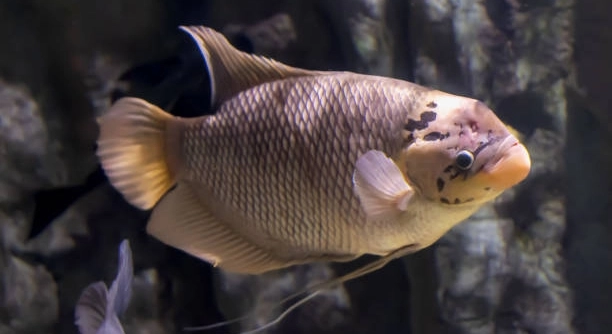
Gouramis are popular aquarium fish known for their unique behavior and peaceful nature. Sometimes, however, they may seem distant or avoid their mates. Understanding this behavior helps create a healthier environment for both fish.
The main reason a gourami avoids its mate often relates to stress, territorial disputes, or poor water conditions. These factors can cause discomfort, prompting one fish to distance itself as a coping mechanism or to prevent conflict.
Learning about these causes can improve your fish’s wellbeing and promote harmony in your aquarium’s community.
Common Reasons Gouramis Avoid Their Mates
Gouramis may avoid their mates due to several common reasons that often relate to their environment and behavior. One frequent cause is stress, which can come from overcrowding in the tank or sudden changes in water temperature and quality. Stress makes gouramis more withdrawn and less social, leading them to keep distance from other fish. Another factor is territorial behavior. Male gouramis especially can become protective of their space and may avoid or even chase off a mate to claim dominance. Illness or injury can also make a gourami retreat, as a sick fish tends to hide or separate itself from others to recover. Lastly, an imbalanced diet or poor water conditions can affect a fish’s health and mood, causing it to avoid interactions. Monitoring tank conditions and fish behavior closely helps in identifying why one gourami may be distant from its partner.
Avoiding a mate can signal problems needing prompt attention to maintain a peaceful aquarium. It’s important to watch closely for any signs of distress.
Keeping gouramis comfortable means addressing their environment and health together. Small adjustments often improve social behavior and tank harmony.
Improving Tank Conditions for Happier Gouramis
Improving water quality is essential for encouraging gouramis to interact positively. Regular water changes, proper filtration, and maintaining the right temperature range help reduce stress. Providing enough space in the tank also prevents territorial disputes. Gouramis thrive in tanks with hiding spots and plants, which create a natural, calm environment. Ensuring a balanced diet with varied food keeps fish healthy and energetic. Observing behavior daily helps catch problems early before they lead to long-term issues. Sometimes, separating aggressive fish temporarily can reduce tension and give everyone a break. Consistency in care routines builds trust and comfort among tank mates, encouraging social behavior. By focusing on these areas, it becomes easier to support the natural bond gouramis form with their mates.
Making these changes shows respect for the fish’s needs and encourages a peaceful community tank where gouramis feel safe and connected.
Signs Your Gourami Is Avoiding Its Mate
When a gourami avoids its mate, you might notice it spending more time alone in corners or hiding spots. The fish may swim away quickly if the mate approaches or show less interest in usual social activities.
These changes in behavior can indicate discomfort or stress. Watch for other signs like loss of appetite, dull colors, or less movement, which can mean health issues. Sometimes, one fish simply prefers solitude, but if avoidance is sudden, it’s often linked to tank conditions or conflicts. Tracking these signals helps identify problems early, allowing you to act before things get worse.
Observing how your gouramis interact daily provides valuable insight into their wellbeing. Understanding their body language can guide you in creating a calmer tank environment where they feel more secure and connected.
Adjusting Social Dynamics in the Tank
If one gourami is avoiding its mate due to aggression or dominance, changes in the tank setup may help. Adding more plants or decorations can break lines of sight and reduce territorial stress. Rearranging the tank layout occasionally also refreshes the environment, reducing boredom and conflict.
Sometimes, adding more compatible fish to balance social interactions eases pressure on a pair. However, overcrowding should be avoided as it creates new problems. If aggression continues, separating the gouramis temporarily might be necessary to prevent injury. Pay attention to which fish shows more dominant behavior and consider adjusting feeding times to minimize competition. These small changes support better social harmony and encourage more positive interactions between gouramis.
Health Issues That Cause Avoidance
A sick or injured gourami often avoids its mate to rest and recover. This behavior helps reduce stress and prevents further harm.
If you notice lethargy, clamped fins, or unusual spots, it’s important to check water quality and consider treatment options quickly.
How Water Quality Affects Gourami Behavior
Poor water quality is a common cause of stress in gouramis. High levels of ammonia, nitrites, or nitrates can make fish uncomfortable and lead to avoidance behaviors. Maintaining clean water with regular testing and changes keeps your gouramis healthy and more social. Proper filtration and avoiding overfeeding also help keep toxins low.
Diet and Its Role in Social Interaction
An unbalanced diet can affect energy and mood, causing a gourami to withdraw from its mate.
Feeding a varied and nutritious diet promotes better health and social behavior.
Why is my gourami hiding from its mate?
Gouramis often hide from their mates when they feel stressed or threatened. This can happen because of changes in the tank, such as new fish being added or water quality problems. Hiding helps them feel safe and avoid conflicts. Sometimes, a gourami might be sick or injured and needs time alone to heal. If hiding lasts for a long time, checking water conditions and health is important to find the cause and help the fish feel better.
Can gouramis get along peacefully in a small tank?
Gouramis need enough space to swim and have their own territory. In a small tank, they can feel crowded, which increases stress and fighting. When the space is limited, gouramis might avoid their mates to keep distance and protect themselves. To reduce this, make sure the tank is large enough and has plants or decorations to create hiding spots. This helps gouramis feel less pressured and improves their chances of peaceful interaction.
What water conditions do gouramis prefer?
Gouramis do best in clean, warm water with a temperature between 75 and 82°F (24-28°C). They prefer slightly acidic to neutral pH, around 6.0 to 7.5. Keeping ammonia, nitrite, and nitrate levels low is very important, as poor water quality can cause stress and illness. Regular water changes and good filtration are necessary to maintain a healthy environment where gouramis can thrive and interact normally.
How do I know if my gourami is sick?
Signs of sickness include loss of appetite, faded or dull colors, clamped fins, and unusual spots or growths on the body. A sick gourami may hide more and avoid its mate. Swimming may become slow or erratic. If you notice these signs, test the water and consider isolating the fish to prevent spreading illness. Early treatment improves chances of recovery and helps maintain a peaceful tank environment.
Is gourami aggression normal?
Some aggression is normal, especially among males or when gouramis feel their territory is threatened. This can cause one fish to avoid another to prevent fights. Aggression usually reduces if the tank is spacious and has enough hiding places. However, constant chasing or biting is a sign of too much stress or overcrowding. In such cases, changing tank conditions or separating aggressive fish is needed to protect all inhabitants.
Can diet affect how gouramis interact?
Yes, diet plays a key role in gouramis’ health and behavior. A poor diet can make them weak, stressed, or less active, causing them to avoid their mates. Feeding a varied diet with high-quality flakes, pellets, and occasional live or frozen foods keeps gouramis healthy and energetic. Well-fed fish tend to be more social and display natural behaviors, including interacting positively with their mates.
How often should I change my gourami’s water?
Regular water changes are essential to keep the tank clean and safe. Changing 20-30% of the water weekly is a good practice for most gourami tanks. This removes waste and keeps toxin levels low, reducing stress and encouraging healthy behavior. Avoid changing too much water at once, as it can shock the fish. Consistency in water maintenance helps gouramis feel secure and more comfortable around each other.
Can adding plants help gouramis get along?
Live or artificial plants create hiding spots and break up the tank visually. This reduces direct line of sight between gouramis, lowering aggression and stress. Plants also improve water quality by absorbing nitrates and providing oxygen. A well-planted tank mimics a natural environment, which helps gouramis feel safe and relaxed. This often encourages them to spend more time near their mates instead of avoiding each other.
What should I do if my gouramis keep fighting?
If fighting continues despite good tank conditions, try rearranging the decorations to disrupt established territories. Adding more hiding places can help fish escape each other. If aggression is severe, separating the fish temporarily may be necessary. Make sure each gourami has enough space and that you’re not overfeeding, which can increase competition. Monitoring behavior closely and adjusting care can reduce tension and help gouramis live together peacefully.
Can stress cause gouramis to avoid their mates?
Stress is one of the main reasons gouramis avoid their mates. It can be caused by overcrowding, poor water quality, sudden changes in environment, or aggressive tank mates. Stress weakens the immune system and changes behavior, making gouramis less social and more withdrawn. Reducing stress by improving tank conditions, feeding well, and providing hiding spots will encourage gouramis to interact more comfortably and avoid isolation.
When gouramis avoid their mates, it can be a sign that something in their environment needs attention. Many factors, such as stress, poor water quality, or territorial behavior, can cause this change in their usual interactions. It’s important to remember that gouramis, like all fish, rely on a stable and comfortable environment to feel secure. When they don’t, they may keep their distance from other fish, including their mates. Paying close attention to their behavior and surroundings helps identify what might be causing the problem so you can make the necessary adjustments.
Maintaining good tank conditions is one of the most effective ways to support your gouramis and encourage better social behavior. Regular water changes, proper filtration, and keeping the water temperature steady are key elements. Providing enough space and adding plants or decorations gives gouramis places to hide and establish territory without constant stress. Additionally, offering a varied and balanced diet ensures your fish stay healthy and active. When these needs are met, gouramis are more likely to interact positively and show less avoidance toward their mates.
Finally, it’s important to be patient and observant. Behavior changes don’t always fix themselves right away, and sometimes it takes time for gouramis to feel safe and comfortable again. If aggression or avoidance continues despite your efforts, consider seeking advice from a professional or an experienced aquarist. Keeping a calm, steady routine and addressing any health issues quickly will improve your gouramis’ quality of life. This approach helps create a peaceful and balanced tank where your fish can thrive together.

Hello,
If you enjoy the content that we create, please consider saying a "Thank You!" by leaving a tip.
Every little bit helps us continue crafting quality advice that supports the health, happiness, and well-being of pets around the world, for pets of all shapes, sizes, and species.
We really appreciate the kindness and support that you show us!