
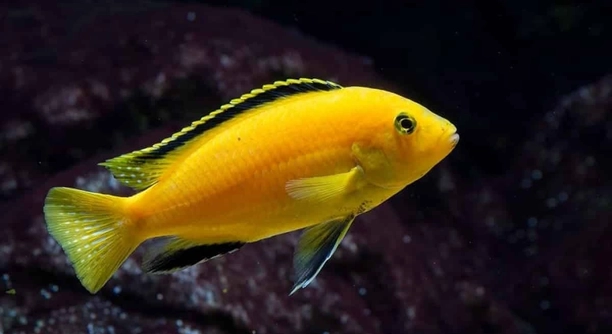
Introducing a new cichlid to your aquarium can be exciting but also a little stressful. Ensuring your fish and tank are ready helps prevent unnecessary stress and keeps your aquatic environment healthy and balanced.
Before adding a new cichlid, it is essential to quarantine the fish, prepare the tank with proper filtration and water conditions, and observe compatibility with existing species. These steps reduce stress, disease risk, and potential territorial conflicts.
Taking time to prepare now will save trouble later and support a peaceful, thriving aquarium for all your fish.
Research Compatibility
Not all cichlids get along. Some species are more aggressive, while others are peaceful. Before adding a new fish, check how it interacts with your current tank mates. Consider size, temperament, and territory needs. Mixing incompatible species can lead to stress, injury, or even death. Observe existing fish behavior to see if they tolerate newcomers. Aggressive species may need more space or separate tanks. Even peaceful cichlids can become territorial during breeding. Researching compatibility helps you prevent conflicts and maintain harmony. Online forums, care guides, and aquarium books provide reliable information about each species’ behavior and tank requirements. Understanding these details allows you to plan tank layouts and hiding spots that reduce stress. When you carefully match species, you increase the chances of a stable, peaceful community. Taking the time to research ensures that both new and existing fish thrive in a healthy, low-stress environment.
Checking compatibility before adding a new cichlid prevents aggression and supports a balanced aquarium environment for all residents.
Careful planning saves time and stress. Matching temperaments and size reduces fights and creates a more peaceful tank. Observing your fish’s behavior informs these choices.
Acclimate Your New Fish Slowly
Introducing a new cichlid abruptly can shock its system.
Gradual acclimation reduces stress, helps the fish adjust to water chemistry, and improves survival chances in the main tank.
Start by floating the bag in your aquarium for 15–20 minutes to match temperatures. Next, slowly add small amounts of tank water to the bag every 10 minutes for about an hour. This process helps the fish adjust to pH, hardness, and other chemical differences. Avoid pouring water from the bag directly into the tank, as it may carry pathogens. Once acclimated, gently release the cichlid using a net, minimizing stress and avoiding sudden changes. Watch the fish closely for the first few hours to ensure it swims normally and explores the tank. A slow, careful acclimation makes the introduction smoother for the new fish and reduces tension among existing tank inhabitants, supporting a healthier, calmer aquarium.
Monitor Behavior Closely
New cichlids should be observed for signs of stress or aggression. Watch interactions with existing fish and note any changes in appetite or swimming patterns.
Pay attention to body color, fin condition, and territorial displays. Aggressive chasing or hiding may indicate stress or dominance struggles. Documenting behavior over several days helps identify patterns. Early detection of issues like bullying or illness allows quick intervention. Adjust tank decorations or provide extra hiding spots if necessary. Feeding routines can also reveal problems—refusal to eat may signal stress or disease. Close monitoring ensures a smoother integration and protects both new and established fish from harm.
Immediate action can prevent fights and injuries. Providing safe spaces and maintaining calm feeding routines supports a balanced aquarium environment.
Observing your cichlid carefully in the first days is critical. Some fish may take longer to settle, while others adapt quickly. Adjusting territory markers and rearranging plants can reduce aggression. Offering multiple feeding spots prevents competition and ensures all fish get enough food. Even small changes, like adding a rock or cave, can give stressed fish a sense of security. Regular notes on behavior, appetite, and interaction help you identify any emerging problems. Over time, consistent monitoring allows you to understand each fish’s personality and predict potential conflicts. This approach reduces stress for everyone and builds a healthier, more stable tank ecosystem.
Maintain Water Quality
Consistent water testing is necessary to prevent health issues. Check ammonia, nitrites, and nitrates regularly.
Maintaining stable water parameters ensures new and existing cichlids stay healthy. Sudden changes can cause stress, illness, or even death. Regular water changes and proper filtration keep the tank safe.
Use a reliable test kit to monitor key parameters daily during the first weeks after introduction. Perform partial water changes to remove waste and replenish essential minerals. Clean filters without disrupting beneficial bacteria to maintain biological balance. Avoid adding chemicals unless necessary, as sudden shifts can shock fish. Maintaining consistent temperature, pH, and hardness supports immune function and reduces territorial aggression. Keeping the tank clean and well-oxygenated minimizes disease risk and promotes natural behavior. Tracking changes over time helps you catch problems early and take corrective action, ensuring a stable, thriving environment for all cichlids.
Provide Hiding Spots
Adding rocks, caves, and plants gives new cichlids places to retreat. This reduces stress and helps them feel secure in the tank.
Hiding spots also help existing fish establish territories without constant conflict. Proper placement can balance aggression and create a calmer environment.
Feed Appropriately
Offer a varied diet to support health and reduce competition. Feed small amounts multiple times a day to prevent overfeeding. Balanced nutrition strengthens the immune system and encourages normal behavior, helping the new cichlid adapt more smoothly to its surroundings.
Observe for Illness
Watch for unusual spots, frayed fins, or lethargy. Early detection of sickness prevents spread and improves recovery chances.
Keep a Stable Environment
Maintain consistent lighting, temperature, and filtration. Sudden changes can stress fish, making them more prone to disease or aggression. A steady environment supports overall tank health and smooths integration.
FAQ
How long should I quarantine a new cichlid?
A quarantine period of at least two weeks is recommended. This allows you to monitor the fish for signs of disease or stress without risking the health of your main tank. Even healthy-looking fish can carry parasites or bacteria, so this precaution is essential.
What is the best way to acclimate a new cichlid?
Float the bag in your tank for 15–20 minutes to equalize temperature. Gradually add small amounts of tank water to the bag over an hour. This helps the fish adjust to differences in pH, hardness, and other water chemistry factors, reducing stress and improving survival.
How do I know if my new cichlid is stressed?
Signs of stress include hiding excessively, loss of appetite, rapid breathing, or faded colors. Some fish may display aggression or fin nipping when stressed. Monitoring behavior closely in the first days helps you identify problems early and adjust the environment or provide extra hiding spots.
Can cichlids of different species live together?
Some species are compatible, while others are highly territorial. Consider size, temperament, and territory requirements before mixing species. Researching compatibility reduces aggression and stress. If introducing aggressive species, extra space and hiding spots are essential to maintain harmony.
How often should I feed my new cichlid?
Feed small amounts two to three times a day. Overfeeding can cause water quality problems and stress, while underfeeding can weaken the fish. Providing varied food such as pellets, flakes, and occasional live or frozen options helps maintain health and encourages natural behavior.
What are common signs of disease in cichlids?
Look for white spots, frayed fins, bloating, lethargy, or abnormal swimming patterns. Sudden changes in appetite or color can also indicate illness. Early detection and treatment are crucial to prevent spreading disease to other fish in the tank.
Do I need extra filtration for a new cichlid?
Adding a new fish increases the bio-load on your tank. Strong and efficient filtration helps maintain water quality and prevents ammonia or nitrite spikes. Consider using a filter rated for a slightly larger tank than yours for extra security.
How can I reduce aggression when introducing a new cichlid?
Provide hiding spots, rearrange decorations, and feed multiple areas in the tank. Keeping water stable and consistent also reduces stress. Gradual introduction and careful monitoring prevent severe conflicts and create a more balanced environment for all fish.
Is it necessary to change tank decorations before introducing a new fish?
Changing decorations can help reset territories and reduce territorial disputes. Place rocks, caves, and plants strategically so each fish has its own space. Even small adjustments can make a big difference in reducing stress and aggression.
How long does it take for a new cichlid to settle?
It depends on the species and tank environment. Some fish adapt in a few days, while others take weeks to feel comfortable. Monitoring behavior, providing hiding spots, and maintaining stable water conditions helps the fish integrate smoothly into the community.
What water parameters should I check before adding a new cichlid?
Test pH, ammonia, nitrite, nitrate, temperature, and hardness. Maintaining stable parameters is critical to reduce stress and disease risk. Adjusting these factors gradually during acclimation ensures the new fish adjusts safely to its new home.
Can I introduce more than one new cichlid at a time?
Yes, but it can increase stress and competition. Introducing two or more fish simultaneously may help distribute aggression, but ensure the tank is large enough and has enough hiding spots. Quarantine and acclimation are still necessary for all new additions.
How do I prevent diseases after introducing a new cichlid?
Quarantine first, monitor behavior, maintain water quality, and avoid sudden changes. Proper filtration, regular water testing, and a balanced diet also support immunity. Early detection of illness and isolation of affected fish prevents spread.
What should I do if my new cichlid is being bullied?
Provide extra hiding spots and rearrange tank decorations to reset territories. If bullying continues, consider temporary separation or moving one fish to another tank. Observing interactions closely allows you to prevent injuries and reduce stress for all fish.
How often should I clean the tank after introducing a new fish?
Regular water changes are important, typically 10–20% weekly. Monitor ammonia and nitrite levels more closely during the first few weeks. Cleaning the substrate, filter, and decorations carefully without disrupting beneficial bacteria maintains a healthy environment.
Can diet changes help a new cichlid adapt?
Yes, offering familiar food from the pet store or breeder helps the fish eat consistently. Gradually introduce your regular diet while observing appetite. Proper nutrition supports immune function, reduces stress, and encourages natural behavior, aiding smoother integration into the tank.
Is it necessary to monitor tankmates after adding a new cichlid?
Yes, existing fish may react aggressively or become stressed. Watch their behavior, adjust decorations if needed, and ensure all fish have access to food. Monitoring interactions reduces conflict and maintains a healthy, stable aquarium environment for everyone.
How can I tell if a cichlid is hiding too much?
Some hiding is normal, but constant retreat, pale colors, or refusal to eat indicate stress or illness. Additional shelters, gentle feeding, and stable water conditions can help the fish feel secure and reduce anxiety.
Are there signs a cichlid is ready to integrate fully?
Active swimming, normal appetite, bright colors, and exploratory behavior suggest the fish is adjusting well. Gradual increases in activity and interaction with other fish show successful adaptation and readiness for full integration into the main tank.
How do I handle a cichlid that refuses food?
Offer familiar or live foods, feed smaller portions, and check water conditions. Stress, illness, or poor acclimation can affect appetite. Observing behavior, maintaining water quality, and giving extra hiding spots often helps the fish resume normal feeding.
What is the most important step before introducing any new cichlid?
Quarantine, proper acclimation, and tank preparation are key. Ensuring the new fish is healthy and the tank is ready reduces stress, disease risk, and aggression, setting the stage for a balanced, thriving aquarium environment.
This FAQ provides guidance to manage new cichlids safely and maintain a healthy, peaceful tank ecosystem. Regular observation, preparation, and consistent care are essential for long-term success.
Final Thoughts
Introducing a new cichlid to your aquarium requires careful preparation and attention to detail. Taking time to quarantine the fish, acclimate it slowly, and prepare the tank properly can prevent stress and reduce the risk of disease. Even small steps, like arranging hiding spots or checking water quality, make a noticeable difference in how well the fish adjusts. Each cichlid has its own personality and needs, and observing behavior closely helps you understand how to support them. Patience during the first days is important, as rushing the process can lead to aggression or health issues. A calm and methodical approach ensures the new fish has the best chance to thrive alongside existing tank mates.
Water quality remains one of the most critical factors in maintaining a healthy aquarium. Stable pH, ammonia, nitrite, and nitrate levels help reduce stress and prevent illness in both new and established cichlids. Regular testing and partial water changes are simple but effective ways to maintain a stable environment. Proper filtration supports the tank’s biological balance, while consistent temperature prevents shock. Attention to nutrition also plays a key role. Offering a varied diet, feeding smaller amounts multiple times a day, and observing how each fish eats ensures that all cichlids receive the nutrients they need. A well-fed, well-maintained tank results in calmer fish and fewer conflicts, making the overall aquarium more enjoyable.
Behavioral observation is just as important as water care. Watching interactions between new and existing fish helps you identify potential aggression early. Providing sufficient hiding spots and rearranging decorations can reduce tension and allow each cichlid to establish territory. Stress can weaken immunity, so keeping the environment calm benefits everyone in the tank. Remember that some fish may take longer to settle than others, and patience is essential. By focusing on quarantine, acclimation, water quality, nutrition, and behavior, you can create a stable and healthy aquarium. Thoughtful preparation and consistent care not only support the well-being of your new cichlid but also enhance the harmony and balance of your entire aquatic community.

Hello,
If you enjoy the content that we create, please consider saying a "Thank You!" by leaving a tip.
Every little bit helps us continue crafting quality advice that supports the health, happiness, and well-being of pets around the world, for pets of all shapes, sizes, and species.
We really appreciate the kindness and support that you show us!