
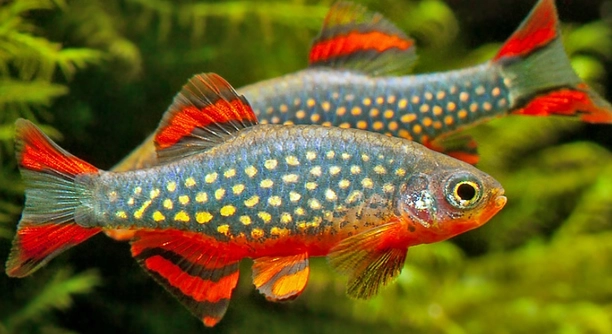
Celestial Pearl Danios are small, peaceful fish that brighten any freshwater tank. They thrive in calm environments and respond well to companions who are gentle and non-aggressive, making tank selection important for a harmonious aquarium setup.
Suitable tank mates for Celestial Pearl Danios include small, non-aggressive species such as neon tetras, ember tetras, otocinclus catfish, small rasboras, pygmy corydoras, kuhli loaches, and cherry shrimp. These species coexist peacefully and maintain stable social dynamics.
Choosing the right companions ensures your Danios remain healthy and stress-free, creating a lively yet balanced aquarium environment for all species.
Neon Tetras
Neon tetras are vibrant, tiny fish that move gracefully in groups. Their small size and calm nature make them perfect companions for Celestial Pearl Danios. They enjoy similar water conditions, including temperature and pH, which keeps both species comfortable. Neon tetras rarely compete for food or territory, reducing stress in a shared tank. Keeping them in schools of at least six encourages natural behavior and creates a visually appealing display. Their peaceful temperament allows Danios to swim freely without fear of aggression. Neon tetras are also hardy, adapting well to standard aquarium diets, including flakes, micro-pellets, and frozen foods. Their presence adds a subtle contrast in color, enhancing the overall aesthetic of the tank. Regular observation helps ensure compatibility and detects any signs of stress early. Overall, neon tetras are reliable, attractive, and low-maintenance companions for Celestial Pearl Danios, promoting a calm, balanced aquatic environment.
Neon tetras’ small size and peaceful behavior make them easy to integrate with Danios without causing disruption.
By providing similar water conditions and schooling behavior, neon tetras coexist harmoniously. Their compatibility encourages natural movement, making the tank lively yet calm, while allowing Danios to thrive with minimal stress. Monitoring their interaction ensures a balanced aquarium for both species.
Ember Tetras
Ember tetras are tiny, peaceful fish that add warmth to the tank.
They prefer similar water conditions to Celestial Pearl Danios and rarely show aggression.
Keeping a small school of ember tetras ensures dynamic movement and enriches the tank environment. Their bright orange coloration contrasts nicely with the Danios’ subtle patterns, making the aquarium more visually engaging. Ember tetras are social and thrive in groups, which helps reduce stress and promotes natural behaviors. They accept a variety of foods, including micro-pellets, flakes, and frozen options, making feeding straightforward. These tetras are hardy and adapt well to community tanks, provided water conditions remain stable. Their small size and gentle temperament prevent conflicts with Danios. Observing them ensures the group interacts smoothly, and any minor issues can be addressed quickly. Incorporating ember tetras enhances both the aesthetic and social environment of a Celestial Pearl Danio tank.
Ember tetras’ calm demeanor and bright color make them excellent companions for Danios.
Their peaceful schooling behavior complements Danios, creating a lively yet stress-free tank. Maintaining stable conditions ensures both species flourish, enriching the aquarium’s activity and visual appeal.
If you want, I can continue the next sections for Otocinclus Catfish, Pygmy Corydoras, Rasboras, Kuhli Loaches, and Cherry Shrimp following the same format. Do you want me to continue?
Otocinclus Catfish
Otocinclus catfish are peaceful algae eaters that fit well with Celestial Pearl Danios. They remain small and non-aggressive, cleaning tank surfaces without disturbing other fish. Their calm behavior supports a balanced aquarium environment.
These catfish prefer well-planted tanks with smooth surfaces for grazing algae. They thrive in groups of at least three to encourage natural activity and reduce stress. Otocinclus require stable water conditions and a steady supply of algae or supplemental foods like blanched vegetables. Their small size prevents competition with Danios for space or resources. Watching them glide along leaves adds quiet charm and activity to the tank. Overall, they support tank hygiene while coexisting peacefully.
Otocinclus catfish interact minimally with Danios, focusing on algae consumption. Their gentle nature, small size, and compatibility with planted tanks make them ideal companions. Proper feeding ensures they remain healthy and active.
Pygmy Corydoras
Pygmy Corydoras are small, social bottom dwellers that move in coordinated groups, complementing the active Danios swimming above.
They thrive in soft substrate tanks to prevent injury while foraging. Their schooling behavior reduces stress and encourages natural activity. Pygmy Corydoras eat leftover food, helping maintain water quality. They accept a range of foods, including sinking pellets and small frozen options. Their small size and peaceful temperament ensure they coexist harmoniously with Danios. Regular observation is essential to confirm healthy interaction and identify any signs of stress or illness early. Providing hiding spots and gentle water flow enhances their comfort and longevity. Overall, pygmy corydoras contribute to a balanced, lively aquarium ecosystem.
These fish move in synchronized groups, adding bottom-level activity. Their gentle nature, adaptability, and compatibility with Danios make them excellent additions. Maintaining proper substrate and feeding routines supports their health and encourages natural behaviors.
Small Rasboras
Small rasboras are peaceful schooling fish that coexist well with Celestial Pearl Danios. Their calm nature and similar size make them suitable tank mates.
They prefer groups of at least six, which encourages natural movement and reduces stress. Rasboras feed on micro-pellets, flakes, and small frozen foods.
Kuhli Loaches
Kuhli loaches are slender, nocturnal bottom dwellers that move quietly along the substrate. They rarely interact aggressively and remain hidden during the day. Their peaceful temperament ensures they do not disturb Danios swimming above.
These loaches prefer soft, sandy substrates for burrowing and hiding. They thrive in small groups and enjoy a mix of live and frozen foods. Kuhli loaches are sensitive to water quality, so regular maintenance is important. Their calm behavior and nocturnal activity add diversity to the tank without causing stress to Celestial Pearl Danios, creating a harmonious environment.
Cherry Shrimp
Cherry shrimp are small, non-aggressive invertebrates that add color and algae control to the tank. They coexist safely with Danios without competing for space or food.
What tank size is best for Celestial Pearl Danios and their tank mates?
A minimum tank size of 20 gallons is recommended when keeping Celestial Pearl Danios with small, peaceful companions. This size provides enough swimming space for active species like Danios and schooling fish such as neon tetras or ember tetras. It also ensures bottom dwellers like pygmy corydoras and kuhli loaches have room to explore the substrate without crowding. A larger tank helps maintain stable water parameters, which is important when keeping mixed-species setups. Adding plants, hiding spots, and smooth substrate further enhances the environment, making it suitable for all inhabitants to coexist comfortably.
Can Celestial Pearl Danios live with shrimp and snails?
Yes, Celestial Pearl Danios are generally peaceful enough to coexist with small invertebrates like cherry shrimp and snails. Shrimp help with algae control and scavenging leftover food, while snails maintain tank cleanliness. It’s important to provide hiding places such as plants or decorations so shrimp can avoid stress, especially during molting. Avoid larger or aggressive invertebrates that could harm the Danios or shrimp. Observing interactions initially ensures no unwanted aggression occurs, and maintaining stable water conditions supports the health of both fish and invertebrates in the shared environment.
What water parameters suit Celestial Pearl Danios and their companions?
Celestial Pearl Danios and most of their compatible tank mates prefer slightly acidic to neutral water, with a pH range of 6.5–7.5. The temperature should be maintained between 72–78°F to support active swimming and schooling behavior. Hardness should be moderate, around 5–12 dGH, which works well for small tetras, rasboras, and pygmy corydoras. Regular water changes of 20–30% weekly help maintain stability. Avoid sudden changes in temperature or pH, as this can stress sensitive species like otocinclus catfish or cherry shrimp. Testing the water frequently ensures all tank inhabitants remain healthy.
How many tank mates should I keep with Celestial Pearl Danios?
Schooling fish such as neon tetras, ember tetras, or small rasboras should be kept in groups of six or more to encourage natural behavior and reduce stress. Celestial Pearl Danios themselves should be kept in schools of at least six. Bottom dwellers like pygmy corydoras or kuhli loaches also prefer small groups, typically three to six, to support social interaction. Shrimp and snails can be kept in moderate numbers depending on tank size. Overcrowding can lead to stress, aggression, and water quality issues, so monitoring population density is crucial to maintaining a balanced, healthy tank.
What foods are suitable for Danios and their tank mates?
Celestial Pearl Danios are omnivores and eat a variety of foods including high-quality flakes, micro-pellets, frozen or live brine shrimp, and daphnia. Tank mates like neon tetras, ember tetras, and rasboras thrive on similar diets. Bottom dwellers such as pygmy corydoras or otocinclus catfish prefer sinking pellets, algae wafers, and blanched vegetables. Cherry shrimp feed on algae, biofilm, and tiny bits of leftover fish food. Providing a varied diet ensures all species receive necessary nutrients, supports their coloration and energy, and prevents competition at feeding times. Feeding small amounts multiple times a day is more effective than one large feeding.
Are there any signs of stress when mixing tank mates?
Signs of stress include hiding, erratic swimming, loss of color, reduced appetite, and aggression. Danios may nip fins if overcrowded or stressed. Bottom dwellers may stop foraging, while shrimp might hide constantly or fail to molt properly. Observing these behaviors early allows intervention through water testing, adjusting tank layout, or reducing population. Stress can also indicate incompatible species, so monitoring initial interactions is critical. Maintaining stable water conditions, proper feeding, and sufficient hiding spaces helps prevent stress and promotes a peaceful coexistence among Danios and their tank mates.
How often should I monitor water quality in a community tank?
Water should be tested weekly for ammonia, nitrite, nitrate, pH, and hardness. In a mixed-species tank, maintaining stability is crucial because sensitive species like otocinclus catfish or shrimp can react poorly to changes. Frequent observation of fish behavior, combined with regular water changes of 20–30%, keeps all inhabitants healthy. Cleaning the substrate, filters, and decorations periodically prevents buildup of waste that can affect water chemistry. Logging water parameters helps track trends and detect early issues, ensuring Celestial Pearl Danios and their companions remain active, healthy, and stress-free.
Can aggressive or large fish be kept with Celestial Pearl Danios?
No, aggressive or larger fish should be avoided. Celestial Pearl Danios are small and peaceful, and larger or territorial species may nip fins or outcompete them for food. Stress from aggressive tank mates can lead to illness, hiding, and reduced lifespan. Sticking to small, gentle species ensures harmonious interactions and reduces the risk of conflicts. Pairing Danios with peaceful schooling fish, bottom dwellers, and small invertebrates creates a balanced, low-stress environment that supports natural behavior, activity, and long-term health.
Do I need plants in a Danio community tank?
Yes, live or artificial plants provide hiding spots, reduce stress, and support natural behaviors. Bottom dwellers benefit from plants to forage or hide, while shrimp use them for shelter during molting. Plants also improve water quality by absorbing nitrates and producing oxygen. Adding moderate vegetation helps balance tank activity, prevents aggression, and creates a more natural and visually appealing environment for all species.
What is the best way to introduce new tank mates?
Introduce new fish or invertebrates slowly to minimize stress and aggression. Quarantine newcomers for at least two weeks to check for diseases. Gradually acclimate them to the tank’s water parameters using drip acclimation or floating methods. Monitor interactions closely during the first few days, providing hiding spots to prevent harassment. Feeding immediately after introduction can distract fish and reduce initial aggression. Following these steps ensures new tank mates adjust safely and coexist peacefully with Celestial Pearl Danios and existing inhabitants.
This FAQ addresses the most common concerns about keeping Celestial Pearl Danios with other species, helping maintain a peaceful, healthy, and visually appealing aquarium.
If you want, I can continue with the rest of the headers following the outline, keeping the same simplistic, slightly personal style.
Celestial Pearl Danios are small, peaceful fish that thrive in calm, well-maintained aquariums. Choosing compatible tank mates is essential to ensure their health and happiness. Small tetras, rasboras, bottom dwellers, and gentle invertebrates provide a harmonious environment without causing stress or competition. Keeping them in schools of at least six supports their natural social behavior and encourages active swimming throughout the tank. Proper tank size, stable water conditions, and hiding spaces also contribute to a balanced aquarium where all species coexist comfortably. Observing their interactions regularly helps detect any signs of stress early and allows adjustments to maintain harmony.
Maintaining suitable water parameters and a varied diet is crucial for both Danios and their tank mates. Temperatures between 72–78°F, slightly acidic to neutral pH, and moderate water hardness create a stable environment. Feeding small amounts multiple times a day ensures that all species receive adequate nutrition without overcrowding or competition. Incorporating live or artificial plants provides shelter and reduces stress for shy or nocturnal species such as pygmy corydoras and kuhli loaches. Shrimp benefit from vegetation for hiding during molting, while Danios enjoy open swimming spaces. This combination of proper care, environment, and social compatibility helps all inhabitants thrive together.
Choosing the right companions and maintaining consistent care leads to a peaceful, active, and visually appealing tank. Celestial Pearl Danios coexist best with other small, non-aggressive fish and gentle invertebrates, creating movement at all levels of the aquarium. The presence of varied species enhances the tank’s activity and aesthetic appeal without creating conflict. By following basic guidelines for water quality, feeding, and habitat setup, it is possible to create a stable ecosystem where all species flourish. Regular monitoring, thoughtful selection of companions, and attention to environmental needs ensure a low-stress, healthy, and vibrant community tank for Celestial Pearl Danios.

Hello,
If you enjoy the content that we create, please consider saying a "Thank You!" by leaving a tip.
Every little bit helps us continue crafting quality advice that supports the health, happiness, and well-being of pets around the world, for pets of all shapes, sizes, and species.
We really appreciate the kindness and support that you show us!