
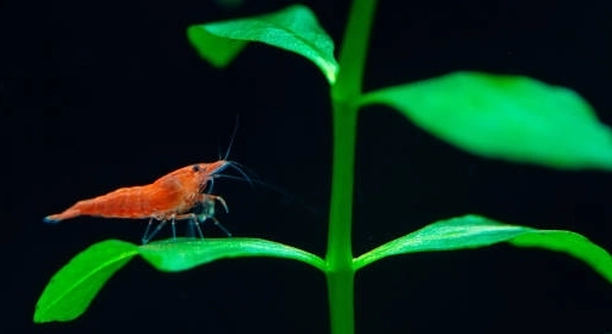
Cherry shrimp are small, colorful additions to many freshwater aquariums. They are admired for their vibrant red hues and peaceful nature, making them a favorite for beginners and experienced hobbyists alike. Their health reflects water and tank conditions.
Cherry shrimp often die due to poor water quality, sudden temperature changes, or inadequate nutrition. Stress from overcrowding or aggressive tank mates also contributes. Proper monitoring of water parameters and providing balanced food can prevent unnecessary losses.
Understanding these common causes is essential for maintaining a thriving shrimp population. Simple adjustments in care routines can greatly improve their survival and overall well-being.
Poor Water Quality
Maintaining clean water is essential for cherry shrimp. Dirty or contaminated water can quickly harm them, leading to stress or death. Ammonia, nitrite, and nitrate levels must be monitored regularly. Even small spikes can weaken their immune system. Using a reliable water test kit and performing regular water changes helps keep the tank stable. Avoid overcrowding, as too many shrimp produce excess waste that affects water quality. Filtration is important, but strong currents can stress shrimp, so a gentle filter is best. Keep an eye on algae growth; while some algae is fine for grazing, excessive amounts indicate nutrient imbalance. Using dechlorinated water and controlling pH levels between 6.5 and 7.5 creates a safe environment. Tank decorations and plants also contribute to water stability by providing surfaces for beneficial bacteria. Paying attention to these factors ensures shrimp remain healthy and active, showing vibrant colors and normal behavior consistently.
Poor water quality often leads to rapid health decline in shrimp. Simple monitoring and regular changes prevent serious problems.
A balanced aquarium setup combines proper water testing, filtration, and careful feeding. Shrimp thrive when ammonia and nitrite levels are zero, and nitrates remain low. Overfeeding can cloud water and cause bacterial blooms. Adding live plants helps absorb excess nutrients and offers hiding spots. Monitoring temperature between 68°F and 78°F reduces stress. Even slight fluctuations can make shrimp lethargic or cause molting issues. Using activated carbon or sponge filters prevents harmful particles from circulating. Consistent maintenance, such as weekly partial water changes, ensures toxins don’t build up. Observing shrimp behavior regularly helps detect early signs of distress. Active, bright shrimp indicate a healthy tank, while faded color or inactivity suggests water issues. Proper care balances all these factors, creating a stable, safe habitat where cherry shrimp can reproduce and live longer, reducing unexpected losses and supporting a lively, thriving aquarium.
Sudden Temperature Changes
Sudden shifts in temperature can shock cherry shrimp. They are sensitive to both cold and heat. Even a few degrees change may stress them, affecting feeding and molting.
Temperature fluctuations cause stress, weaken immunity, and increase the risk of disease in shrimp.
Keeping the tank at a consistent temperature between 68°F and 78°F is critical. Avoid placing the tank near windows, heaters, or air conditioners that may cause rapid swings. Using a reliable aquarium heater with a thermostat ensures gradual, steady warmth, especially in cooler months. Sudden cold can slow metabolism and stunt growth, while heat spikes may accelerate metabolism, leading to shorter lifespan. Even small changes during water changes can affect shrimp, so tempering new water before adding it to the tank helps maintain stability. Observing shrimp during temperature adjustments is important; inactive or hiding shrimp indicate stress. Gradual acclimation during moves or new additions also protects them. With careful attention, temperature-related deaths are easily prevented, ensuring shrimp remain active, colorful, and healthy in their habitat.
Overfeeding
Overfeeding cherry shrimp can quickly harm them. Uneaten food decomposes, raising ammonia and nitrate levels, which stresses shrimp and can lead to death.
Even small amounts of leftover food can pollute the tank. Shrimp eat slowly, and any extra pellets or flakes sink to the bottom, decomposing over time. This process releases harmful compounds like ammonia, which weakens shrimp and can trigger disease. Feeding once a day with only what they can consume in a few hours helps prevent waste buildup. Observing shrimp during feeding ensures they eat properly and reduces leftover food. Using high-quality, shrimp-specific food also minimizes excess nutrients that might harm the tank ecosystem.
Monitoring and controlling feeding habits is essential for maintaining clean water and healthy shrimp. By giving appropriate portions and removing uneaten food, the risk of sudden deaths decreases. Balancing diet ensures shrimp receive necessary nutrients without compromising water stability or their overall well-being.
Aggressive Tank Mates
Cherry shrimp are vulnerable when housed with aggressive fish or large tank mates. Stress from harassment can prevent feeding and molting, leading to poor health and death.
Aggressive tank mates disturb shrimp and reduce hiding opportunities. Fish that chase or eat shrimp create constant stress, weakening their immune system. Stress affects molting, growth, and reproduction. Providing plenty of plants, moss, and hiding spots allows shrimp to escape predators and feel secure. Choosing peaceful species such as small tetras or snails ensures shrimp can thrive without fear. Observing interactions between shrimp and fish is important, and separating them if harassment occurs prevents unnecessary losses.
Proper planning of tank population prevents conflicts and ensures shrimp safety. Overcrowding with larger, aggressive species increases mortality. Creating a peaceful environment with ample shelter allows shrimp to feed, molt, and breed without interruption. Consistent monitoring and careful selection of tank mates reduce stress, improve coloration, and support natural behaviors. Hiding areas, plants, and gentle water flow combine to create a safe habitat, allowing shrimp to flourish.
Inadequate Hiding Spots
Cherry shrimp need places to hide, especially during molting. Without plants, moss, or decorations, they feel exposed and stressed.
Lack of cover increases vulnerability to stress and aggression from tank mates. Stress affects feeding, growth, and molting cycles, making shrimp more likely to die prematurely.
Poor Nutrition
Feeding only one type of food can lead to deficiencies. Cherry shrimp require a balanced diet with proteins, vegetables, and specialized shrimp pellets. Nutrient imbalance weakens immunity, slows growth, and reduces coloration, making them more prone to illness. Offering a variety of foods ensures shrimp remain active and healthy.
Disease
Shrimp can contract bacterial, fungal, or parasitic infections. Symptoms include lethargy, discoloration, or unusual behavior. Prompt identification and treatment prevent losses and maintain a stable tank.
FAQ
Why are my cherry shrimp dying suddenly?
Sudden deaths often happen due to rapid changes in water parameters, temperature swings, or toxic substances in the tank. Even minor fluctuations in pH, ammonia, or nitrite can stress shrimp quickly. Regular water testing and gradual acclimation of new water can reduce the risk of sudden mortality.
How can I prevent my shrimp from dying?
Maintaining stable water quality, feeding a balanced diet, and providing hiding spaces are key. Avoid overcrowding and select peaceful tank mates. Weekly partial water changes, monitoring temperature, and careful observation of shrimp behavior help ensure a healthy environment.
Can overfeeding kill my shrimp?
Yes, overfeeding leads to leftover food decomposing in the tank, which raises ammonia and nitrate levels. High toxins weaken shrimp and make them more susceptible to disease. Feeding only what they consume in a few hours prevents water pollution and supports overall health.
Do cherry shrimp die from stress?
Stress is a major factor in shrimp deaths. Aggressive tank mates, sudden temperature changes, or constant disturbances during molting increase stress. Stressed shrimp eat less, molt improperly, and show faded color. Providing hiding spots, gentle water flow, and peaceful companions minimizes stress-related mortality.
Is poor water quality the main reason for shrimp deaths?
Yes, poor water quality is the most common cause. Ammonia, nitrite, or high nitrate levels damage organs and weaken immunity. Keeping the tank clean, using gentle filtration, and performing regular water changes ensures a safe habitat and prevents deaths caused by toxins.
Can shrimp die from lack of hiding spots?
Yes, shrimp molt frequently, and without secure hiding places, they are highly vulnerable. Molting is stressful, and without cover, shrimp may be attacked or hide poorly, leading to increased mortality. Adding plants, moss, or decorations provides necessary shelter.
How often should I feed cherry shrimp?
Feeding once a day with small portions is enough. They graze on biofilm and leftover food naturally, so overfeeding is unnecessary. Observing their eating habits ensures they get enough nutrients without harming water quality.
What tank mates are safe for cherry shrimp?
Peaceful, small species such as neon tetras, otocinclus catfish, or snails are safe. Avoid large or aggressive fish that may chase or eat shrimp. Monitoring interactions helps maintain a calm environment and reduces stress-related deaths.
Can temperature fluctuations kill shrimp?
Yes, sudden cold or heat shocks stress shrimp and can be fatal. Keeping a stable temperature between 68°F and 78°F with a reliable heater and avoiding drafty locations prevents mortality caused by thermal stress.
How do I know if my shrimp are sick?
Signs include lethargy, loss of color, abnormal swimming, or dying during molting. Promptly identifying illness and adjusting water conditions, feeding, and removing aggressive tank mates helps prevent further losses.
Can shrimp recover from poor water conditions?
If issues are caught early, shrimp can recover with water adjustments, cleaning, and stress reduction. Prolonged exposure to toxins, however, can cause irreversible damage, making early detection crucial.
Are certain foods better for preventing deaths?
Yes, high-quality shrimp-specific pellets, blanched vegetables, and occasional protein supplements support growth and immunity. Variety ensures essential nutrients, reduces deficiencies, and keeps shrimp active and colorful.
How can I acclimate new shrimp safely?
Gradually introduce them to the tank by slowly mixing tank water with their transport water over 1–2 hours. This minimizes shock from pH, temperature, and hardness differences, reducing initial mortality.
Do shrimp die more often in small tanks?
Smaller tanks are harder to stabilize, making water parameters fluctuate quickly. Frequent testing, careful feeding, and regular maintenance are especially important in small setups to prevent deaths.
Can molting problems cause death?
Yes, improper molting due to poor water quality, low calcium, or stress can be fatal. Providing proper diet, hiding spots, and stable conditions helps ensure successful molts and reduces losses.
Is tank cleanliness really that important?
Absolutely. Dirty tanks allow ammonia, nitrite, and bacteria to accumulate. Regular water changes, gentle filtration, and removing uneaten food prevent harmful buildup and create a healthy environment for shrimp.
What should I do if my shrimp die suddenly?
Test water immediately for ammonia, nitrite, nitrate, and pH. Check temperature, feeding routines, and tank mates. Removing stressed or aggressive fish and improving water quality helps protect surviving shrimp and prevent further losses.
Can stress from moving tanks cause death?
Yes, moving tanks can shock shrimp if water parameters or temperature differ. Gradual acclimation, minimizing handling, and providing hiding spaces reduce mortality during transitions.
How do I know if my shrimp are dying from disease?
Symptoms include discoloration, lethargy, abnormal swimming, and unusual spots. Early treatment, water quality improvement, and isolation of sick individuals reduce spread and increase chances of recovery.
Are live plants necessary for shrimp survival?
While not strictly necessary, live plants improve water quality, provide hiding spots, and support grazing. Plants contribute to a stable environment and reduce stress, lowering the likelihood of death.
Can I prevent all cherry shrimp deaths?
Not all deaths can be avoided, but proper water quality, feeding, hiding spaces, gentle tank mates, and careful monitoring greatly reduce risks. Consistent care leads to a healthier, more vibrant shrimp population over time.
How do I handle a sudden die-off?
Remove dead shrimp immediately, test water parameters, and perform a partial water change. Check tank mates and feeding habits, then adjust conditions gradually to stabilize the remaining population and prevent further losses.
What is the most important factor for shrimp survival?
Maintaining clean, stable water conditions combined with proper nutrition, hiding spaces, and peaceful tank mates is critical. These factors collectively support health, growth, and reproduction, reducing unexpected deaths.
How often should I check water parameters?
At least once a week for ammonia, nitrite, nitrate, and pH. More frequent testing is recommended in small or newly established tanks to catch potential issues early.
Can overpopulation cause deaths?
Yes, overcrowding leads to stress, limited hiding spaces, and faster waste buildup, which affects water quality. Keeping a balanced population prevents stress-related mortality and maintains a healthy tank ecosystem.
Do cherry shrimp die more in new tanks?
New tanks are prone to unstable water parameters, making shrimp more vulnerable. Cycling the tank properly, testing water regularly, and introducing shrimp gradually reduces early losses.
What is the safest way to remove dead shrimp?
Use a net or tweezers carefully to avoid stressing live shrimp. Dispose of the deceased shrimp quickly and check water quality to prevent contamination and further deaths.
Can poor water flow kill shrimp?
Yes, strong currents stress shrimp, while stagnant water reduces oxygen and increases waste. Gentle filtration and moderate flow create a balanced environment that supports shrimp health and survival.
How important is calcium for shrimp?
Calcium is essential for proper molting and shell strength. A deficiency can cause molting issues, deformation, and death. Supplementing with mineral-rich foods or additives supports healthy growth and reduces mortality.
What role does pH play in shrimp health?
Maintaining a stable pH between 6.5 and 7.5 prevents stress and molting problems. Sudden changes can shock shrimp and weaken immunity, increasing the risk of death.
How do I know if the tank is overcrowded?
Signs include constant hiding, slowed growth, aggressive interactions, and higher waste levels. Following recommended shrimp-to-gallon ratios prevents overcrowding and reduces deaths.
Can stress from breeding cause death?
Breeding itself is not harmful, but lack of hiding spaces and overcrowding of juveniles can increase stress. Providing ample cover and maintaining water quality ensures safe reproduction without mortality.
Are certain shrimp more sensitive than others?
Yes, some strains like red cherry shrimp may be more sensitive to water fluctuations and stress. Adjusting care to their specific needs reduces unnecessary deaths.
What are the early signs of dying shrimp?
Faded color, inactivity, reduced feeding, or unusual hiding indicate health problems. Observing these signs allows for prompt intervention before mortality occurs.
Can filtration type affect survival?
Yes, strong filters can stress shrimp, while inadequate filtration allows toxins to build up. Sponge or gentle flow filters balance cleanliness and safety for shrimp.
How do I improve molting success?
Maintain stable water, proper calcium levels, and plenty of hiding spaces. Stress-free conditions support healthy molting and reduce losses due to failed molts.
Can sunlight exposure harm shrimp?
Direct sunlight may heat water too quickly, causing temperature swings and algae blooms. Indirect or controlled lighting supports health without stressing shrimp.
What is the best way to acclimate new shrimp?
Slowly mix transport water with tank water over 1–2 hours, keeping temperature and pH changes gradual. This prevents shock and reduces early mortality.
Can disease spread quickly in a tank?
Yes, bacterial or fungal infections can spread rapidly in crowded or unclean tanks. Isolating sick shrimp and improving water quality prevents further losses.
How do I know if my shrimp are stressed?
Signs include hiding constantly, loss of color, reduced feeding, and erratic swimming. Addressing water quality, tank mates, and hiding spots reduces stress and prevents deaths.
Are shrimp sensitive to chemicals in tap water?
Yes, chlorine, chloramine, or heavy metals can be fatal. Always use dechlorinated or conditioned water when performing changes or filling the tank.
Can shrimp die from too much light?
Excessive light can stress shrimp and promote algae overgrowth, reducing water quality. Moderate lighting supports plants and biofilm without harming shrimp.
Do juvenile shrimp require different care?
Juveniles are more sensitive to water quality and stress. Providing stable conditions, gentle flow, and proper nutrition ensures survival through early growth stages.
How do I prevent fungal infections?
Maintaining clean water, removing uneaten food, and avoiding sudden temperature changes reduces fungal risks. Sick shrimp should be isolated to prevent spread.
Can shrimp survive without plants?
Yes, but plants improve water quality, offer hiding spaces, and support grazing. Tanks without plants require careful monitoring to maintain safety and reduce stress.
What is the most common reason cherry shrimp die in the first month?
New tank instability, sudden parameter changes, and lack of acclimation are the main causes. Gradual introduction and careful monitoring prevent early losses.
How do I handle multiple deaths at once?
Check water immediately, remove dead shrimp, and stabilize tank conditions. Identify possible causes such as toxins, disease, or aggressive tank mates to prevent further mortality.
Can shrimp die from insufficient oxygen?
Yes, low oxygen levels from stagnant water or overcrowding can be fatal. Gentle aeration and proper stocking prevent oxygen-related deaths.
How often should I clean the tank?
Partial water changes weekly, removing uneaten food, and monitoring substrate keeps water safe. Over-cleaning may disturb shrimp, so balance is key.
Are shrimp sensitive to noise or vibrations?
Excessive vibrations may stress shrimp, especially during molting. Place tanks on stable surfaces and minimize disturbances for a calm environment.
Can introducing new fish harm shrimp?
Yes, new fish may harass or eat shrimp. Quarantine fish and ensure they are compatible before adding them to the tank.
What role does tank size play in survival?
Larger tanks provide stable water conditions and more space for hiding, reducing stress and deaths. Small tanks require careful monitoring to avoid sudden parameter changes.
Can shrimp die from poor substrate?
Yes, substrates that leach toxins or lack surfaces for biofilm growth negatively impact health. Use shrimp-safe substrates to support nutrition and water quality.
How do I recover a tank after a die-off?
Remove dead shrimp, clean substrate, test water, and perform partial water changes. Adjust feeding, check tank mates, and monitor conditions to protect remaining shrimp.
Are certain times of year riskier for shrimp survival?
Seasonal temperature fluctuations in rooms without controlled heating or cooling may stress shrimp. Maintaining stable water temperature year-round prevents seasonal die-offs.
Can tap water additives harm shrimp?
Some conditioners or medications are toxic at high doses. Follow manufacturer instructions carefully and avoid unnecessary chemicals to protect shrimp.
Do shrimp need a specific mineral balance?
Yes, calcium, magnesium, and other trace minerals support molting and shell health. Mineral deficiencies increase mortality.
How do I handle quarantine?
Quarantining new shrimp or fish for 1–2 weeks prevents introducing disease. Observe behavior and water parameters before adding them to the main tank.
Can shrimp die from overhandling?
Yes, frequent handling or netting causes stress and injury. Limit interactions and use gentle methods when necessary.
Are younger shrimp more sensitive to water quality?
Yes, juveniles are more vulnerable to ammonia, nitrite, and pH changes. Extra care ensures their survival during early development.
How can I support molting during stressful periods?
Provide hiding spots, stable water, proper nutrition, and minimal disturbance. This ensures successful molts and reduces mortality.
Can sudden light changes harm shrimp?
Rapid changes in lighting can stress shrimp. Gradually adjusting light cycles helps maintain comfort and normal activity.
How do I identify compatible tank mates?
Observe fish behavior and choose small, peaceful species. Avoid predatory or aggressive fish that chase or eat shrimp. Compatibility reduces stress and deaths.
Are chemical imbalances in water detectable early?
Yes, regular testing for ammonia, nitrite, nitrate, and pH detects imbalances before they become fatal, allowing timely intervention.
Can overcrowding cause disease outbreaks?
Yes, overcrowding stresses shrimp, increases waste, and promotes pathogen growth. Maintaining appropriate stocking densities prevents disease-related deaths.
Is substrate cleaning necessary?
Yes, removing excess food and debris prevents harmful buildup. Avoid complete substrate disturbance, which may stress shrimp.
Do shrimp die from sudden pH drops?
Yes, rapid pH shifts shock shrimp, affecting molting and immunity. Gradual changes prevent stress-related deaths.
How long can cherry shrimp survive without food?
They can survive a few days by grazing on biofilm, but prolonged starvation weakens immunity and may lead to death. Provide consistent feeding for health.
Are some shrimp colors more sensitive to conditions?
Yes, certain red strains may be more sensitive to water changes and stress. Adjusting care accordingly reduces mortality.
Can sudden water changes kill shrimp?
Yes, abrupt changes in temperature, pH, or hardness can be fatal. Gradual, partial water changes protect shrimp.
Do shrimp need filtered water?
Yes, gentle filtration removes toxins and debris while maintaining a stable environment. Strong currents should be avoided to prevent stress.
Can plants alone keep shrimp alive?
Plants help, but water stability, proper feeding, and tank mate selection are also crucial for survival.
How do I handle shrimp that refuse to eat?
Check water parameters, provide variety in diet, and reduce stress. Observation ensures the shrimp recover without further health issues.
Can stress from predators cause death?
Yes, constant harassment from aggressive fish weakens shrimp, prevents feeding, and increases mortality. Hiding spaces and peaceful tank mates are essential.
How do I know if my shrimp are thriving?
Active behavior, vibrant color, regular molting, and reproduction indicate good health. Monitoring these signs helps maintain a stable and thriving tank.
Are chemical treatments safe for shrimp?
Some are safe in low doses, but many medications harm them. Always check compatibility before use to prevent accidental deaths.
Can low oxygen levels cause molting problems?
Yes, oxygen deficiency stresses shrimp, complicating molting and weakening them. Aeration and gentle flow maintain healthy oxygen levels.
Do shrimp need specific water hardness?
Moderate hardness supports molting and shell development. Extremely soft or hard water increases stress and mortality risk.
How can I reduce stress during water changes?
Perform gradual, partial water changes, keep temperature stable, and avoid sudden parameter swings. This protects shrimp during maintenance.
Can shrimp die from poor lighting?
Excessive or very dim light can stress shrimp. Balanced lighting supports plants and biofilm while keeping shrimp comfortable.
How do I prevent algae overgrowth harming shrimp?
Control feeding, maintain water quality, and balance lighting. Algae overgrowth can disrupt water chemistry and reduce shrimp hiding spaces.
Are shrimp sensitive to vibrations or tank movement?
Yes, constant vibrations or movement stress shrimp, especially during molting. Place the tank on a stable surface to reduce stress-related deaths.
How can I help shrimp recover after illness?
Isolate sick shrimp, improve water quality, provide proper nutrition, and reduce stress. Careful monitoring ensures recovery without affecting healthy shrimp.
Can shrimp die from low-quality food?
Yes, lacking essential nutrients weakens immunity and slows growth. High-quality, balanced shrimp food supports survival and vibrant coloration.
Do shrimp need a quarantine period?
Quarantining new shrimp or fish for 1–2 weeks prevents introducing disease or parasites that could harm the main tank population.
Can shrimp die from rapid growth of bacteria?
Yes, bacterial blooms from decaying food or overfeeding increase toxins and stress shrimp, leading to mortality. Regular cleaning prevents bacterial overgrowth.
How do I know if my shrimp are stressed from tank mates?
Signs include hiding constantly, reduced feeding, molting issues, or faded color. Observing interactions helps identify and correct problems.
Are juvenile shrimp more sensitive than adults?
Yes, juveniles are more vulnerable to water fluctuations, stress, and disease. Extra care during early development improves survival rates.
Can poor water circulation harm shrimp?
Yes, stagnant water lowers oxygen and allows debris buildup, while strong currents stress them. Gentle flow supports health and molting.
Do shrimp die from sudden chemical exposure?
Yes, cleaning agents, medications, or high levels of additives can be fatal. Avoid introducing chemicals without checking compatibility.
Can shrimp die from temperature extremes?
Yes, both heat spikes and cold shocks stress shrimp and may be fatal. Maintaining stable, moderate temperatures ensures survival.
Are some shrimp strains more hardy?
Yes, certain wild-type or well-bred strains tolerate minor fluctuations better. Strain selection affects overall survival in variable conditions.
How do I prevent fungal infections?
Maintain clean water, remove uneaten food, and isolate sick shrimp. Stress reduction and stable conditions minimize fungal outbreaks.
Do cherry shrimp need specific water flow?
Gentle flow ensures oxygen circulation and debris removal without stressing shrimp. Strong currents can injure or exhaust them.
Can sudden changes in lighting harm shrimp?
Rapid changes can stress them, affecting behavior and molting. Gradual adjustments are safer and reduce mortality risk.
**How do I know if shrimp are dying from malnutrition
Final Thoughts
Taking care of cherry shrimp requires attention to several key factors. Water quality is the most important, as these tiny creatures are sensitive to toxins like ammonia and nitrites. Even small fluctuations in pH or temperature can create stress, making them more likely to die. Regular water testing, partial water changes, and maintaining stable tank conditions help ensure shrimp remain healthy. Using gentle filtration and providing a suitable substrate also supports a balanced environment. Monitoring water parameters consistently is not difficult but has a significant impact on shrimp survival. Simple adjustments like these can prevent many common problems and help create a stable, thriving tank for your shrimp.
Nutrition also plays a major role in shrimp health. Feeding a varied diet of high-quality shrimp pellets, blanched vegetables, and occasional protein supplements provides essential nutrients. Overfeeding, however, can lead to leftover food decaying in the tank, raising harmful toxins. Observing shrimp during feeding ensures they consume the right amount, preventing water pollution. In addition to nutrition, hiding spots such as live plants, moss, and decorations are critical. These provide shelter during molting and reduce stress caused by tank mates or sudden movements. Stress, whether from poor water, lack of cover, or aggressive tank companions, can weaken immunity and cause premature deaths. By focusing on these simple but important elements, shrimp are more likely to thrive and display vibrant colors.
Finally, attention to detail and consistency in care are essential. Sudden changes, overcrowding, and improper acclimation can quickly lead to losses. Gentle tank maintenance, careful observation of shrimp behavior, and prompt intervention when problems arise help prevent long-term issues. Even small tanks require balance, as limited water volume magnifies any mistakes in water quality or feeding. Disease outbreaks can be minimized by quarantining new shrimp or fish, isolating sick individuals, and maintaining a clean environment. Over time, these practices not only reduce mortality but also support healthy growth, regular molting, and successful reproduction. Understanding and applying these principles ensures that cherry shrimp live longer, stay active, and remain a beautiful, engaging addition to the aquarium. Consistent care, patience, and observation are the keys to creating a healthy, thriving shrimp community.

Hello,
If you enjoy the content that we create, please consider saying a "Thank You!" by leaving a tip.
Every little bit helps us continue crafting quality advice that supports the health, happiness, and well-being of pets around the world, for pets of all shapes, sizes, and species.
We really appreciate the kindness and support that you show us!